Alcea Rosea ‘Chater’s Double Chamois’ (Hollyhock)
Introduction Plants are not just a source of aesthetic pleasure and environmental balance – they are life itself. An essential part of our planet’s.
Introduction
Plants are not just a source of aesthetic pleasure and environmental balance – they are life itself. An essential part of our planet’s ecosystem, plants provide us with food, medicine, and shelter. They also contribute to the beauty of our surroundings. One such example of natural beauty is the Alcea rosea ‘Chater’s Double Chamois’ (Hollyhock), a classic garden favorite known for its towering spikes of colorful blooms.
In this comprehensive guide, we will explore everything about Alcea rosea ‘Chater’s Double Chamois’, from its description and cultivation to its uses, maintenance, and folklore. Whether you are a seasoned gardener or just getting started, this article will provide you with all the information you need to successfully grow and appreciate this stunning plant.
What is Alcea rosea ‘Chater’s Double Chamois’ (Hollyhock)?
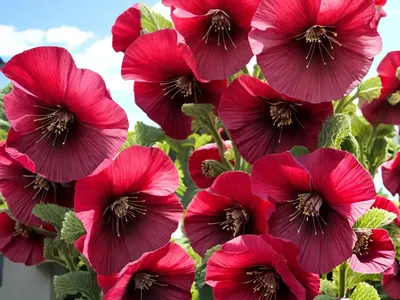
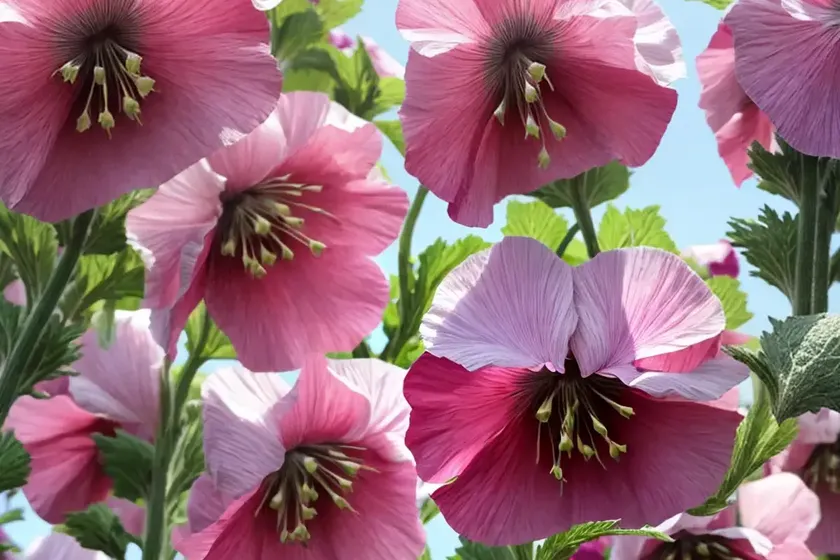
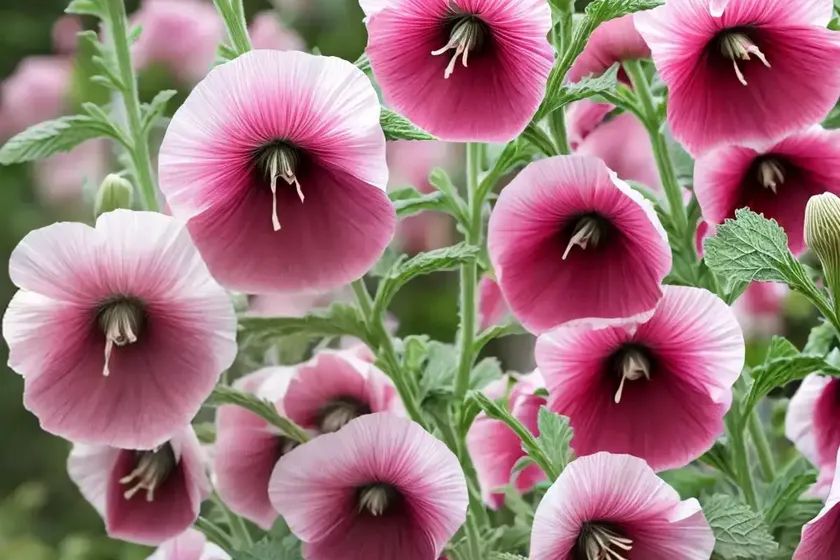
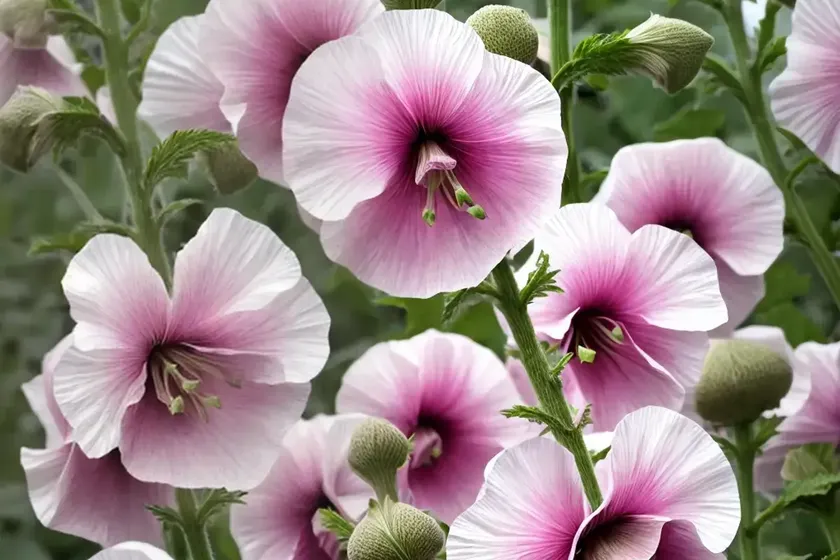
Alcea rosea ‘Chater’s Double Chamois’, commonly known as Hollyhock, is a herbaceous perennial plant belonging to the Malvaceae family. It is native to Asia and Europe and is widely cultivated for its vibrant, showy flowers. The plant is characterized by its tall, erect stems, large, lobed leaves, and strikingly beautiful double flowers that come in a range of colors, including pink, red, yellow, and white.
Alcea rosea ‘Chater’s Double Chamois’ description
- The plant typically reaches heights of 5 to 8 feet, with a spread of 18 to 24 inches.
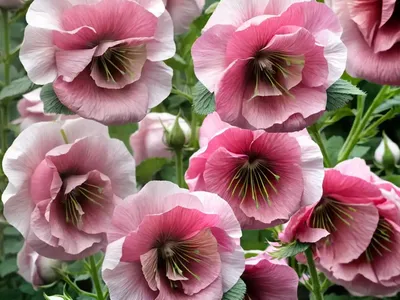
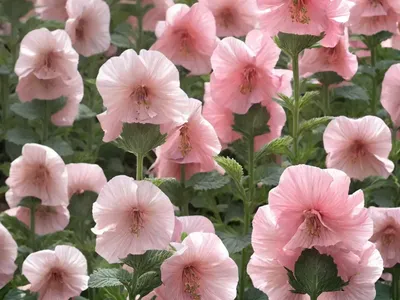
- The flowers have a fluffy, peony-like appearance due to their double, ruffled petals.
- Hollyhocks are renowned for attracting pollinators like bees, butterflies, and hummingbirds, making them a valuable addition to any garden.
- These charming blooms not only enhance the visual appeal of a garden but also contribute to its ecological health by supporting pollinator populations.
Key Takeaways – Alcea rosea ‘Chater’s Double Chamois’ (Hollyhock)
Before delving into the detailed care and cultivation practices for Hollyhocks, let’s take a quick look at the key takeaways for this beautiful plant.
Culture
- Alcea rosea ‘Chater’s Double Chamois’ is a highly adaptable plant that thrives in various climates and soil conditions.
- Its hardiness makes it suitable for both temperate and subtropical regions, making it a popular choice for gardeners worldwide.
Uses
- The vibrant blooms of Hollyhocks make it an excellent choice for adding color and visual interest to garden borders, cottage gardens, and meadow plantings.
- Its flowers are also suitable for cutting, bringing a touch of natural elegance to bouquets and floral arrangements.
Water
- Hollyhocks require moderate water to flourish, especially during periods of prolonged drought or in hot, dry climates.
- However, it is vital to avoid overwatering, as excessive moisture can lead to root rot and other fungal diseases.
Sunlight
- These plants thrive in full sunlight but can also tolerate partial shade, making them versatile choices for different garden settings.
Fertilizer
- Applying a balanced, all-purpose fertilizer in the early spring can help promote healthy growth and abundant flowering.
Soil
- Hollyhocks prefer well-draining, loamy soil with a slightly acidic to neutral pH level.
- Amending the soil with organic matter, such as compost or aged manure, can improve its texture and fertility, providing an optimal growing environment for the plant.
Pruning
- Regular deadheading of spent flowers can prolong the blooming period and encourage the production of new buds.
- Additionally, removing damaged or diseased foliage helps maintain the overall health and appearance of the plant.
Propagation
- Hollyhocks can be propagated through seeds or by division.
- Seed propagation is a popular method and allows for the cultivation of new plants with diverse colors and characteristics.
Container Popularity
- While Hollyhocks are commonly grown in garden beds, they can also thrive in large containers, provided they receive adequate space, sunlight, and moisture.
Hollyhock Plant Care Tips
Now that we have a solid understanding of the characteristics and potential applications of Alcea rosea ‘Chater’s Double Chamois’, let’s delve into the specifics of caring for this enchanting plant.
Growing Alcea rosea ‘Chater’s Double Chamois’
- When planting Hollyhocks, ensure they are placed in a location with well-draining soil and ample sunlight.
- Space the plants at least 18 to 24 inches apart to allow for proper air circulation and prevent overcrowding.
Alcea rosea ‘Chater’s Double Chamois’ Features
- The double-flowered varieties of Alcea rosea ‘Chater’s Double Chamois’ exhibit an exquisite frilly texture, adding a touch of elegance to the garden landscape.
- Their towering, spire-like growth habit makes them striking focal points in garden borders and floral displays.
Hollyhock Varieties
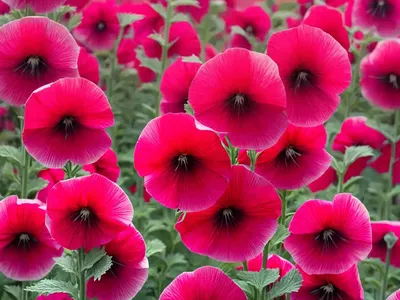
- Alcea rosea ‘Chater’s Double Chamois’ is available in a wide array of colors, ranging from pastel shades to vibrant hues.
- The availability of diverse colors allows for creative and visually appealing garden designs, as different varieties can be interplanted to create stunning color combinations.
Benefits of Growing Alcea rosea ‘Chater’s Double Chamois’
- Hollyhocks contribute to the health of local ecosystems by attracting and providing nectar for essential pollinators like bees and butterflies.
- Their impressive height and colorful flowers make them standout features in the garden, adding visual interest and a sense of enchantment.
Alcea rosea ‘Chater’s Double Chamois’ Cultivation
- Cultivating Hollyhocks is relatively straightforward, making them an ideal choice for both beginner and experienced gardeners.
- Their adaptability to various growing conditions and climates further enhances their appeal as ornamental garden plants.
Hollyhock Flower Characteristics
- The flowers of Alcea rosea ‘Chater’s Double Chamois’ are known for their double, ruffled petals and come in a range of captivating colors.
- They are highly attractive to pollinators and create a charming, cottage garden ambiance.
Alcea rosea ‘Chater’s Double Chamois’ Maintenance
- Regular maintenance tasks, such as deadheading spent blooms and removing diseased leaves, are essential to maintain the health and longevity of the plant.
- Additionally, providing adequate moisture and nutrition ensures robust growth and prolific flowering.
Growing Hollyhock in Your Garden
- Hollyhocks can be grown in various garden settings, including borders, meadows, and cottage gardens, adding a delightful and whimsical touch to the landscape.
- Their tall, spire-like form creates vertical interest and complements surrounding plants and structures.
Alcea rosea ‘Chater’s Double Chamois’ Planting Guide
- When planting Hollyhocks, it is important to space them appropriately to allow for proper air circulation and prevent overcrowding.
- Ensuring they receive adequate sunlight and are planted in well-draining soil sets the stage for healthy growth and abundant flowering.
Hollyhock Color Variations
- The extensive range of colors available in Hollyhock cultivars allows for creative and diverse garden designs, where different hues can be strategically combined to create visually stunning displays.
Alcea rosea ‘Chater’s Double Chamois’ Disease Resistance
- While Hollyhocks are generally resilient plants, they can be susceptible to certain fungal diseases, such as rust and powdery mildew.
- Regular monitoring and prompt treatment of any signs of disease help maintain the overall health and vitality of the plant.
Fast-Growing Hollyhock Variety
- Some varieties of Hollyhocks are known for their rapid growth and quick establishment, making them ideal choices for gardeners seeking a plant that can quickly fill in a garden space.
Alcea rosea ‘Chater’s Double Chamois’ Sunlight Requirements
- Hollyhocks thrive in full sunlight but can tolerate partial shade, making them suitable for a range of garden environments and light conditions.
Best Soil for Growing Hollyhock
- Well-draining, loamy soil with a slightly acidic to neutral pH level provides an optimal growing medium for Hollyhocks.
- Amending the soil with organic matter enhances its fertility and structure, supporting healthy plant growth.
Alcea rosea ‘Chater’s Double Chamois’ Flowering Season
- Hollyhocks typically bloom from early to mid-summer, adding vibrant splashes of color to the garden landscape.
- The extended flowering season provides an excellent source of nectar for pollinators and creates a visually captivating display.
Hollyhock Companion Plants
- Hollyhocks can be paired with a variety of companion plants to create visually appealing and ecologically beneficial garden landscapes.
- Plants that share similar cultural requirements and complement the tall, spire-like growth of Hollyhocks make excellent choices for companion planting.
Alcea rosea ‘Chater’s Double Chamois’ in Containers
- While Hollyhocks are commonly grown in garden beds, they can also thrive in large containers, provided they receive adequate space, sunlight, and moisture.
- Container-grown Hollyhocks offer versatility in garden design and can be placed strategically to accentuate different areas of the landscape.
Hollyhock Pests and Prevention
- Hollyhocks may be prone to certain pests, including aphids, spider mites, and caterpillars.
- Implementing pest prevention and control measures, such as regular monitoring and the use of natural predators, can help manage pest infestations effectively.
Alcea rosea ‘Chater’s Double Chamois’ Natural Habitat
- In its natural habitat, Alcea rosea ‘Chater’s Double Chamois’ is often found in meadows, along roadsides, and in sunny, open areas with well-draining soil.
Hollyhock Planting Time and Season
- The best time to plant Hollyhocks is in the early spring, after the last frost date has passed and the soil has started to warm up.
- Planting during this time allows the roots to establish and the plant to acclimate before the onset of summer heat.
Alcea rosea ‘Chater’s Double Chamois’ Watering Needs
- While Hollyhocks require regular watering, it is important to avoid overwatering, as excessive moisture can lead to root rot and other fungal issues.
- Providing consistent moisture, especially during periods of drought, supports healthy growth and flowering.
Hollyhock Propagation Methods
- Hollyhocks can be propagated through seeds, allowing gardeners to cultivate new plants and explore a variety of colors and traits.
- Propagation by division is another method that can be used to expand existing plantings and rejuvenate established clumps.
Alcea rosea ‘Chater’s Double Chamois’ Pruning Tips
- Regular deadheading of spent flowers helps prolong the blooming period and encourages the production of new buds.
- Removing damaged or diseased foliage also contributes to the overall health and appearance of the plant.
Hollyhock Plant Family and Classification
- Alcea rosea ‘Chater’s Double Chamois’ belongs to the Malvaceae family and is classified as a herbaceous perennial.
- Its botanical lineage places it among a diverse group of plants known for their ornamental and ecological significance.
Alcea rosea ‘Chater’s Double Chamois’ Pollination Process
- The flowers of Hollyhocks attract pollinators like bees, butterflies, and hummingbirds through their vibrant colors and nectar-producing blooms.
- Pollination is an essential process that supports the reproduction and genetic diversity of the plant.
Hollyhock Plants for Attracting Bees and Butterflies
- The nectar-rich flowers of Hollyhocks make them valuable resources for attracting and supporting populations of essential pollinators, such as bees and butterflies.
- Creating a garden environment that is favorable to these pollinators contributes to the overall health and biodiversity of the ecosystem.
Alcea rosea ‘Chater’s Double Chamois’ Nutritional Requirements
- Providing a balanced, all-purpose fertilizer in the early spring helps promote healthy growth and abundant flowering in Hollyhocks.
- Ensuring the plant’s nutritional needs are met supports its vigor and resilience.
Hollyhock Plant Height and Spread
- Hollyhocks typically reach heights of 5 to 8 feet, creating dramatic vertical elements in the garden landscape.
- Their upright growth and spreading habit contribute to their versatility in garden design and visual impact.
Alcea rosea ‘Chater’s Double Chamois’ Winter Care
- Providing winter protection, especially in colder climates, helps safeguard the plant from harsh environmental conditions and promotes its survival and regrowth in the following growing season.
- Mulching around the base of the plant and cutting back spent foliage are essential winter care practices for Hollyhocks.
Hollyhock Medicinal Uses
- Throughout history, various parts of the Hollyhock plant have been used in traditional herbal medicine for their potential healing properties.
- The soothing and emollient qualities of Hollyhock have made it a valued ingredient in herbal remedies and topical preparations.
Alcea rosea ‘Chater’s Double Chamois’ as a Cut Flower
- The vibrant, showy blooms of Hollyhocks make them excellent candidates for cut flower arrangements and floral displays.
- Their tall, elegant stems and diverse colors add a touch of natural beauty to bouquets and indoor décor.
Hollyhock Plant Symbolism and Meanings
- In different cultures and traditions, Hollyhocks have been associated with various symbolic meanings, including beauty, fertility, and remembrance.
- Understanding the symbolism and cultural significance of Hollyhocks adds an intriguing layer to their appeal as ornamental garden plants.
Alcea rosea ‘Chater’s Double Chamois’ Transplanting Guide
- When transplanting Hollyhocks, it is essential to handle the roots carefully and provide the plant with adequate moisture and protection during the transition.
- Ensuring the plant is well-established in its new location promotes its successful transplanting and subsequent growth.
Hollyhock Folklore and Legends
- Hollyhocks have been the subjects of folklore and mythologies in different cultures, contributing to their enduring popularity and significance.
- Exploring the stories and legends associated with Hollyhocks adds an enchanting dimension to their appeal as garden plants.
Alcea rosea ‘Chater’s Double Chamois’ Foliage Characteristics
- The large, lobed leaves of Hollyhocks contribute to their lush and verdant appearance, providing an attractive backdrop to the showy, colorful flowers.
- The foliage adds depth and texture to garden plantings, enhancing the overall visual interest of the plant.
Hollyhock in Traditional Herbal Medicine
- Throughout history, Hollyhock has been utilized in traditional herbal medicine for its potential therapeutic properties and soothing effects on various ailments.
- The plant’s medicinal uses reflect its historical significance and cultural value.
Alcea rosea ‘Chater’s Double Chamois’ Native Region
- Alcea rosea, the botanical parent of ‘Chater’s Double Chamois’, is native to Asia and Europe, where it thrives in diverse habitats and climatic conditions.
- Understanding the plant’s native range and ecological preferences provides valuable insights into its cultural and environmental significance.
Hollyhock Plant Lifespan
- Hollyhocks are perennial plants with a relatively long life span, provided they receive appropriate care and maintenance.
- Their enduring presence in the garden adds a sense of permanence and reliability to garden landscapes.
Alcea rosea ‘Chater’s Double Chamois’ Hybrid History
- The development of new Hollyhock cultivars and hybrids has expanded the range of colors, forms, and characteristics available to gardeners, adding diversity and novelty to their cultivation.
Hollyhock Fragrance and Scent
- While Hollyhocks are not typically valued for their fragrance, some varieties may emit a subtle, pleasant scent, especially during the warmest parts of the day.
- Discovering fragrant cultivars adds an additional sensory dimension to the experience of growing and appreciating Hollyhocks.
Alcea rosea ‘Chater’s Double Chamois’ Resistance to Cold Climates
- Hollyhocks exhibit a moderate tolerance to cold climates, but they may benefit from winter protection, especially in regions with harsh winters.
- Providing insulation and shelter for the plant during the winter months helps safeguard its survival and regrowth in the spring.
Hollyhock Pet-Friendly Plant Options
- Hollyhocks are generally considered safe and non-toxic to pets, making them suitable choices for gardens and landscapes where pets may roam.
- Their non-toxic qualities ensure that they can be enjoyed without posing a danger to household pets.
Alcea rosea ‘Chater’s Double Chamois’ as a Border Plant
- The tall, stately growth of Hollyhocks makes them ideal candidates for creating border plantings and defining garden spaces.
- Their impressive height and vibrant blooms add a sense of drama and elegance to garden borders.
Hollyhock Historical Significance
- Throughout history, Hollyhocks have been valued for their ornamental beauty and potential medicinal uses, contributing to their enduring cultivation and significance in different cultures.
- Exploring the historical context of Hollyhocks provides a deeper appreciation for their cultural and horticultural importance.
Alcea rosea ‘Chater’s Double Chamois’ Common Problems and Solutions
- Hollyhocks may encounter various issues, including fungal diseases, pest infestations, and cultural challenges.
- Identifying and addressing these problems promptly through proper plant care and management practices helps maintain the health and vitality of the plant.
Hollyhock for Attracting Hummingbirds
- The nectar-rich flowers of Hollyhocks make them attractive to hummingbirds, adding to their value as a plant that supports a diverse range of pollinators.
- Creating a garden environment that welcomes hummingbirds enhances the ecological diversity and visual appeal of the landscape.
Alcea rosea ‘Chater’s Double Chamois’ in Traditional Gardening Practices
- Hollyhocks have been integral components of traditional gardening practices and cultural landscapes, contributing to their enduring popularity and significance.
- Understanding their role in traditional gardening enriches the experience of growing and appreciating these iconic plants.
Hollyhock Plant Symbolism in Different Cultures
- Hollyhocks have been associated with symbolic meanings in different cultures, including beauty, fertility, and remembrance.
- Exploring the diverse cultural symbolism of Hollyhocks adds a multi-dimensional richness to their appeal as ornamental garden plants.
Conclusion
In conclusion, Alcea rosea ‘Chater’s Double Chamois’ (Hollyhock) is a versatile and enchanting plant that adds a touch of timeless elegance and natural beauty to gardens and landscapes. Its tall, spire-like growth, vibrant double blooms, and rich history make it a cherished favorite among gardeners and plant enthusiasts.
By understanding and implementing the appropriate care and cultivation practices outlined in this guide, you can successfully grow and appreciate the captivating beauty of Hollyhocks in your own garden. Whether you are drawn to their historical significance, ecological value, or simply their visual charm, Hollyhocks are sure to enrich your outdoor spaces and provide a source of delight for years to come.
References
- Missouri Botanical Garden. (n.d.). Alcea rosea ‘Chater’s Double Chamois’. Link
- Royal Horticultural Society. (2021). Hollyhocks