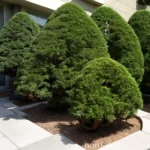
Yew (Taxus x media ‘Citation’)
Yew (Taxus x media ‘Citation’) is a versatile and attractive evergreen shrub that belongs to the Taxaceae family. This beautiful plant is known for its dark green foliage and its ability to thrive in various growing conditions. In this comprehensive guide, we will delve into the various aspects of yew (Taxus x media ‘Citation’), including its culture, uses, care tips, propagation, common diseases, and much more. Whether you are a seasoned gardener or a beginner, this guide will equip you with the knowledge to foster healthy and thriving yew (Taxus x media ‘Citation’) plants in your garden.
What is Yew (Taxus x media ‘Citation’)?
Yew (Taxus x media ‘Citation’) is a hybrid yew variety that is a cross between the English yew (Taxus baccata) and the Japanese yew (Taxus cuspidata). It is characterized by its dense, dark green foliage and its compact, columnar growth habit. The ‘Citation’ cultivar is particularly popular for its elegant appearance and its adaptability to various landscaping styles.
Key Takeaways
Yew (Taxus x media ‘Citation’)
- Plant Type: Evergreen shrub
- Scientific Name: Taxus x media ‘Citation’
- Height and Spread: 6-10 feet tall and 3-5 feet wide
- Growth Rate: Slow to moderate
- Sunlight: Full sun to partial shade
- Watering: Moderate
- Soil Type: Well-drained, fertile soil
- USDA Hardiness Zones: 4-7
Now, let’s explore the essential aspects of yew (Taxus x media ‘Citation’) cultivation and maintenance in detail.
Culture
Yew (Taxus x media ‘Citation’) is a versatile plant that can thrive in various cultural conditions. Understanding its specific cultural requirements is essential for fostering healthy growth and optimizing its ornamental value in the landscape.
Uses
The yew (Taxus x media ‘Citation’) has a wide range of uses in landscaping and gardening. Understanding its potential applications will guide you in incorporating this delightful plant into your outdoor space effortlessly.
Landscape Uses
– Specimen plant
– Hedge or privacy screen
– Foundation planting
– Container gardening
Other Uses
– Medicinal purposes
– Ornamental decorations
Water
Proper watering is crucial for the health and vitality of yew (Taxus x media ‘Citation’). Understanding its specific water needs and best practices for watering will ensure that the plant thrives in your garden.
Watering Requirements
– Moderate watering needs
– Regular watering during dry periods
– Water deeply and infrequently to promote deep root growth
– Avoid overwatering to prevent root rot
Sunlight
The yew (Taxus x media ‘Citation) has adaptability in terms of sunlight requirements, making it suitable for various lighting conditions in the garden.
Sunlight Preferences
– Full sun to partial shade
– Thrives in dappled sunlight
– Tolerant of shaded areas
– Best foliage color in full sun
Fertilizer
Applying the right type and amount of fertilizer is essential for supporting the growth and vitality of yew (Taxus x media ‘Citation). By understanding its fertilizer requirements, you can ensure that the plant receives the essential nutrients it needs.
Fertilizer Recommendations
– Balanced, slow-release fertilizer
– Apply in early spring
– Avoid excessive nitrogen fertilizers
– Monitor nutrient deficiencies and adjust fertilization accordingly
Soil
The soil composition and quality play a significant role in the overall health and growth of yew (Taxus x media ‘Citation’). Understanding the optimal soil conditions for this plant will enable you to create a nurturing environment for its development.
Soil Preferences
– Well-drained, fertile soil
– Neutral to slightly acidic pH
– Amend heavy or compacted soil with organic matter
– Mulch to maintain soil moisture and temperature
Pruning
Pruning is an essential aspect of yew (Taxus x media ‘Citation’) maintenance, impacting its aesthetic appeal and overall health. Learning the proper pruning techniques and timing is crucial for promoting a well-shaped and healthy plant.
Pruning Guidelines
– Prune in late winter or early spring
– Remove dead or diseased branches
– Shape the plant to maintain its desired form
– Avoid heavy pruning of old wood
Propagation
The ability to propagate yew (Taxus x media ‘Citation’) through various methods offers an opportunity to expand your plant collection or share its beauty with others. Understanding the propagation techniques will enable you to successfully propagate this plant.
Propagation Methods
– Stem cuttings
– Layering
– Seed propagation
– Grafting
Container Popularity
Yew (Taxus x media ‘Citation’) is also a popular choice for container gardening. Its adaptability and ornamental value make it a fantastic addition to container designs for both outdoor and indoor settings.
Container Gardening Uses
– Patio or balcony accents
– Evergreen container displays
– Entryway or porch decor
– Urban gardening
Common Diseases
Yew (Taxus x media ‘Citation’) is generally resistant to many diseases, but it is still susceptible to certain issues that can affect its health and appearance. Being aware of common diseases and their prevention measures is essential for maintaining the plant’s well-being.
Disease Diagnosis
Recognizing and diagnosing diseases early on is crucial for implementing effective treatment and prevention strategies. Identifying common diseases is key to ensuring the long-term health of yew (Taxus x media ‘Citation).
Common Diseases
– Phytophthora root rot
– Cylindrocladium needle blight
– Botryosphaeria canker
– Volutella blight
Common Pests
Yew (Taxus x media ‘Citation’) is relatively resistant to pest infestations, but certain insects and mites can still pose a threat to its health. Understanding common pests and their control measures is essential for protecting the plant.
Common Pests
– Scale insects
– Spider mites
– Mealybugs
– Bagworms
Botanist’s Tips
Several expert tips and insights from botanists and experienced gardeners can greatly benefit the cultivation and care of yew (Taxus x media ‘Citation). Incorporating these recommendations into your gardening practices can lead to healthier and more vibrant yew plants.
Expert Tips
– Monitor soil moisture to prevent waterlogging
– Mulch around the plant to conserve moisture and regulate soil temperature
– Select the appropriate planting site based on sunlight and soil conditions
– Maintain proper air circulation to reduce disease risks
Fun Facts
Yew (Taxus x media ‘Citation’) is not only a stunning and versatile plant but also holds several interesting and lesser-known facts that add to its allure and intrigue. Exploring these fun facts can deepen your appreciation for this exceptional plant.
Did You Know?
– Yew foliage is highly deer-resistant
– The red, fleshy arils of yew seeds are a favorite food of birds
– Yew wood has historical significance in traditional archery
– Yew has been associated with longevity and resilience in various cultures
Links to External Resources
For further information, inspiration, and insights on yew (Taxus x media ‘Citation), here are some valuable external resources that can enrich your knowledge and appreciation of this exceptional plant:
- American Conifer Society – Taxus x media ‘Citation’
- University of Florida IFAS Extension – Yew Diseases and Disorders
- Royal Horticultural Society – Yew Pruning and Training
- University of California Integrated Pest Management – Yew Pest Notes
- Missouri Botanical Garden – Growing Evergreens in Containers
These resources provide in-depth details on yew (Taxus x media ‘Citation’) cultivation, including care tips, disease management, and design ideas.
In conclusion, yew (Taxus x media ‘Citation’) is a remarkable plant that offers both visual appeal and versatility in landscape and garden design. By understanding its culture, uses, care tips, and potential challenges, you can cultivate and enjoy the beauty of this evergreen shrub to the fullest. Whether you are seeking a low-maintenance hedge plant or an elegant specimen for your garden, yew (Taxus x media ‘Citation’) is a top choice that will enhance the beauty of your outdoor space.