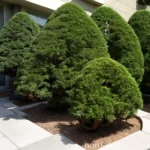
Yew Plant (Taxus x media ‘Smokestack’): A Comprehensive Guide to Care and Cultivation
The yew plant, scientifically known as Taxus x media ‘Smokestack’, is a captivating evergreen shrub that has gained popularity for its ornamental value and diverse uses in landscaping. With its striking foliage and versatility, this plant has become a favorite among gardeners and landscape designers. In this comprehensive guide, we will delve into the various aspects of caring for and cultivating the yew plant, exploring its cultural requirements, uses, maintenance practices, and more. Whether you are a seasoned gardener or a novice enthusiast, this guide will provide valuable insights into nurturing and maximizing the potential of the yew plant in your garden or landscape.
What is Yew Plant (Taxus x media ‘Smokestack’)?
Before we delve into the specifics of caring for yew plants, it’s essential to understand the plant’s basic characteristics and attributes. Taxus x media ‘Smokestack’ is a hybrid yew cultivar that belongs to the Taxaceae family. It is a cross between two yew species, Taxus baccata and Taxus cuspidata, resulting in a plant that embodies the best traits of both parental species.
Taxus x media ‘Smockestack’ Key Takeaways
- Scientific Name: Taxus x media ‘Smokestack’
- Common Name: Yew
- Plant Type: Evergreen shrub
- Native Habitat: Hybrid cultivar, not found in the wild
- Hardiness Zones: 4-7
- Mature Height: 8-10 feet
- Mature Spread: 5-7 feet
- Growth Rate: Moderate
- Foliage Color: Dark green
- Special Features: Versatile, deer-resistant, adaptable to various growing conditions
Culture of Yew (Taxus x media ‘Smokestack’)
Understanding the cultural requirements of the yew plant is fundamental to its successful cultivation. From water and sunlight needs to the type of soil it thrives in, the plant’s cultural preferences play a crucial role in shaping its growth and overall health.
Uses
The yew plant (Taxus x media ‘Smokestack’) is valued for its versatility and aesthetic appeal, making it a popular choice for various landscaping applications. Some common uses include:
- Hedging: Yew plants are often used to create formal hedges due to their dense growth habit and tolerance for pruning.
- Specimen Plant: The striking foliage and elegant form of yew plants make them ideal as standalone focal points in garden beds or landscapes.
- Foundation Planting: With its compact growth and evergreen foliage, yew is well-suited for planting near foundations to provide year-round greenery.
- Topiary: Yew plants can be shaped and trained into various topiary forms, adding a touch of elegance to formal garden spaces.
- Wildlife Habitat: Yew plants provide cover and nesting sites for birds, contributing to the creation of wildlife-friendly landscapes.
Water
Proper watering is essential for the health and vigor of yew plants. While these shrubs have some level of drought tolerance once established, they generally prefer consistently moist, well-drained soil. Adequate water supply is particularly important during the establishment phase and in periods of prolonged drought.
Watering Tips:
- Water newly planted yew shrubs regularly, ensuring the root ball remains adequately moist.
- During dry spells, provide supplemental watering to prevent the soil from drying out completely.
- Avoid waterlogged conditions, as excessive moisture can lead to root rot and other problems.
Sunlight
Yew plants are adaptable to a range of light conditions, from full sun to partial shade. However, they tend to thrive best in locations with partial shade, especially in regions with hot summers. When grown in full sun, yew plants may benefit from increased moisture levels to offset potential water stress.
Sunlight Guidelines:
- Partial shade to full sun is preferred, with some protection from intense afternoon sun.
- In hot climates, afternoon shade can help prevent heat stress and conserve soil moisture.
Fertilizer
Proper fertilization helps yew plants maintain healthy growth and vibrant foliage. A balanced, slow-release fertilizer applied at the appropriate times can provide the necessary nutrients for optimal performance.
Fertilization Recommendations:
- Apply a balanced, slow-release fertilizer in early spring before new growth begins.
- Avoid excessive fertilization, as yew plants are sensitive to high levels of nitrogen.
Soil
Yew plants thrive in well-drained, slightly acidic soils with good fertility. The ideal soil type should offer a balance of moisture retention and drainage to support healthy root development.
Soil Preferences:
- Loamy, well-drained soils are ideal for yew plants.
- Soil pH should range between 6.0 and 7.5 for optimal growth.
- Amending heavy clay soils with organic matter can improve drainage and aeration.
Pruning
Pruning is an essential aspect of yew plant maintenance, allowing for shaping, rejuvenation, and control of growth. Proper pruning techniques and timing contribute to the overall health and aesthetic appeal of the plant.
Pruning Guidelines:
- Perform light pruning in early spring to shape and remove any damaged or diseased branches.
- Avoid heavy pruning in late summer or fall, as it can stimulate new growth that may be vulnerable to winter damage.
- Yew plants tolerate pruning well and can be shaped into formal hedges, topiaries, or other desired forms.
Propagation
The propagation of yew plants can be achieved through various methods, including seed propagation, cuttings, and grafting. Each approach has its advantages and challenges, influencing the suitability of the method for specific propagation goals.
Propagation Methods:
- Cuttings: Stem cuttings taken in late spring or early summer can be rooted to produce new yew plants. Use a rooting hormone to encourage successful establishment.
- Seed Propagation: Yew seeds can be collected from mature cones and stratified before sowing. However, seed propagation is a relatively slow and unpredictable method due to variable germination rates.
- Grafting: Propagation via grafting allows for the production of specific yew cultivars with desirable traits. It is commonly used in commercial nursery settings.
Container Popularity
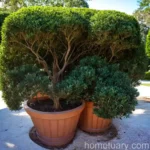
The versatility and compact growth habit of yew plants make them well-suited for container cultivation. When grown in containers, yew shrubs can adorn patios, entryways, and other outdoor spaces, adding a touch of greenery to urban and suburban environments.
Container Gardening Tips:
- Select a large container with adequate drainage holes to accommodate the root system.
- Use a well-draining potting mix and check moisture levels regularly, especially during periods of active growth.
- Apply a balanced, slow-release fertilizer according to the manufacturer’s recommendations to support container-grown yew plants.
Common Diseases
Yew plants are generally resilient to many common plant diseases but may be susceptible to certain issues under unfavorable growing conditions or in the presence of pathogens. Understanding potential diseases and their management is crucial for maintaining healthy yew specimens.
Common Yew Plant Diseases:
- Phytophthora Root Rot: Soilborne pathogens can cause root rot in excessively wet conditions. Improve drainage and avoid overwatering to prevent this issue.
- Needle Blight: Fungal diseases such as Volutella and Phomopsis may cause browning and dieback of yew foliage. Prune affected branches and maintain good air circulation to minimize disease spread.
Disease Diagnosis
Diagnosing and addressing potential diseases in yew plants requires careful observation and, in some cases, professional assistance. Common signs of disease, such as discoloration, wilting, or unusual growth patterns, should prompt timely investigation and intervention.
Diagnosis Process:
- Monitor the plant for changes in foliage color, texture, or overall appearance.
- Take note of any signs of stress, such as wilting or dieback, and investigate potential causes.
- Seek guidance from local extension services or plant health professionals for accurate diagnosis and treatment recommendations.
Common Pests
Yew plants are generally resistant to many pest issues, but they may occasionally attract certain insects and mites. Recognizing common pests and implementing appropriate control measures can help prevent damage and maintain plant health.
Potential Yew Plant Pests:
- Scale Insects: Soft scale and armored scale species may infest yew plants, especially in locations with suboptimal growing conditions. Monitor for scale crawlers and implement targeted control measures if infestations occur.
- Spider Mites: These tiny pests can cause stippling and webbing on yew foliage. Regular monitoring and the use of horticultural oils or insecticidal soaps can help manage spider mite populations.
Botanist’s Tips for Successful Yew Plant Care
As a plant scientist with a deep understanding of yew plant biology and cultivation, I have gathered valuable insights and tips to help you achieve optimal results in caring for yew plants. These tips encompass various aspects of yew care, from cultural practices to pest management, aiming to empower you with the knowledge and skills needed to nurture thriving yew specimens.
Yew Plant Care Tips
- Maintain Adequate Moisture: Monitor soil moisture levels and ensure consistent watering, especially during dry periods, to support healthy growth and vigor.
- Prune with Precision: Use sharp, clean pruning tools to promote proper healing and minimize stress on the plant. Avoid excessive pruning during periods of active growth.
- Monitor Pest Activity: Regularly inspect yew foliage for signs of pest infestations and intervene promptly to prevent population buildup and potential damage.
- Provide Balanced Nutrition: Apply a balanced fertilizer at the appropriate times to support overall plant health and sustained growth without excessive lushness.
- Address Drainage Issues: Improve soil drainage in planting areas or containers to prevent waterlogged conditions that can lead to root problems.
Fun Facts about Yew Plants
Yew plants have a rich history and a range of unique characteristics that make them stand out in the botanical world. From their longevity to their cultural significance, yews are filled with intriguing details that capture the imagination of plant enthusiasts and historians alike.
Fascinating Yew Plant Facts
- Ancient Legacy: Yew trees have been revered for centuries and are often associated with ancient spirituality and symbolism.
- Longevity: Yew plants are among the longest-lived organisms, with some individuals estimated to be thousands of years old.
- Toxicity: While yew foliage is highly toxic to humans and many animals, it has been historically used for medicinal and ceremonial purposes in controlled settings.
- Wood Utilization: Yew wood is prized for its durability and has been historically used for crafting longbows and various woodworking applications.
Links to External Resources
To further expand your knowledge and understanding of yew plants, I have curated a selection of reputable and informative external resources. These sources offer in-depth insights, practical tips, and additional perspectives on yew plant care, cultivation, and uses.
External Resources
- American Conifer Society
- Royal Horticultural Society (RHS)
- University Extension Services (e.g., University of California Extension, Cornell University Cooperative Extension)
- Plant Pathology and Plant-Microbe Biology Resources
In conclusion, the yew plant (Taxus x media ‘Smokestack’) embodies versatility, resilience, and ornamental appeal, making it a valuable addition to diverse landscapes and garden settings. By attending to its cultural needs, understanding its uses, and implementing best practices in care and maintenance, you can harness the full potential of this remarkable evergreen shrub. Whether you seek to create formal hedges, incorporate yew plants into wildlife-friendly environments, or simply enjoy the elegance of their foliage, the yew (Taxus x media ‘Smokestack’) offers an array of possibilities for enriching outdoor spaces and captivating plant enthusiasts around the world. With attention to detail, thoughtful planning, and a touch of botanical creativity, you can cultivate thriving yew specimens that elevate the beauty and biodiversity of your landscapes.