Understanding the Japanese Yew (Taxus cuspidata var. nana)
In the world of landscaping and gardening, the Japanese yew (Taxus cuspidata var. nana) stands out as a versatile and highly valued plant. Its unique characteristics and adaptability make it a sought-after choice for a variety of landscaping and gardening purposes.
Throughout this comprehensive guide, we will delve into the various facets of the Japanese yew, unraveling its cultural significance, uses, and maintenance requirements. From understanding its growth habits to exploring its disease resistance, this article is designed to serve as a go-to resource for anyone looking to incorporate the Japanese yew into their landscape or garden.
What is the Japanese Yew?
The Japanese yew, scientifically known as Taxus cuspidata var. nana, is a small, slow-growing evergreen shrub that belongs to the Taxaceae family. Originating from Japan, Korea, northeast China, and the Russian Far East, this species is widely cultivated across the world for its ornamental and landscaping appeal. With its compact size and dense foliage, the Japanese yew is often used for hedges, foundation plantings, and as specimen plants in gardens and landscapes.
Key Takeaways – Japanese Yew (Taxus cuspidata var. nana)
Before delving deeper into the specific aspects of the Japanese yew, it’s essential to grasp the key takeaways about this plant. Below is a summary of the critical points to be explored in this comprehensive guide:
- Cultural significance of the Japanese yew
- Versatile uses in landscaping and gardening
- Watering requirements
- Sunlight preferences
- Fertilization needs
- Soil considerations
- Pruning guidelines
- Propagation methods
- Container gardening
- Common diseases and their diagnosis
- Identification and management of common pests
- Botanist’s practical tips for maintaining Japanese yew
- Fun and intriguing facts about the plant
- Links to additional external resources for further exploration
Now, let’s delve into the intricate details of the Japanese yew and gain insights that will aid in appreciating, growing, and maintaining this remarkable plant.
Cultural Significance and History
The Japanese yew holds deep cultural and historical significance in various regions where it is indigenous. Known for its longevity and revered for its evergreen nature, this plant has traditionally been associated with notions of endurance and resilience. In Japanese culture, the yew tree is often linked with themes of protection and strength. The wood from the Japanese yew has been historically used for crafting ceremonial and ritual items, emphasizing its cultural importance.
Landscaping and Garden Uses
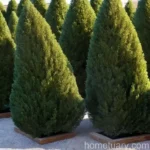
The Japanese yew’s versatility and aesthetic appeal make it a popular choice for various landscaping and gardening applications. Its compact growth habit and dense foliage make it an excellent option for creating hedges, borders, and foundation plantings. Additionally, its ability to thrive in shady conditions further enhances its value in landscaping, as it can be used to add greenery and structure to areas with limited sunlight.
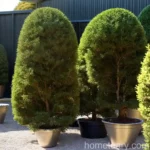
In gardening, the Japanese yew serves as an attractive evergreen specimen plant, adding visual interest to both formal and informal garden settings. With the right care and maintenance, it can also be trained into elegant topiaries, further accentuating its ornamental value.
Care and Maintenance Requirements
Understanding the specific care and maintenance requirements of the Japanese yew is crucial for ensuring its healthy growth and longevity. From watering needs to pruning techniques, each aspect plays a pivotal role in nurturing this plant effectively.
Water
Proper watering is essential for the optimal growth of the Japanese yew. While it is tolerant of a variety of soil conditions, it is important to ensure that it receives consistent moisture, especially during its establishment phase. Once established, it is resilient to drought conditions, making it suitable for regions with sporadic rainfall.
The key to successful watering lies in providing sufficient moisture without causing waterlogging. Regular monitoring of soil moisture and adjusting watering frequency based on environmental conditions is imperative to prevent both under- and over-watering, which can adversely affect the plant’s health.
Sunlight
The Japanese yew thrives in partial to full shade, making it an ideal candidate for areas with limited direct sunlight. While it can tolerate some sun, it generally prefers shaded conditions, particularly in regions with intense and prolonged sunlight. Understanding its sunlight preferences is crucial when selecting suitable locations for planting in a landscape or garden.
Fertilizer
Proper fertilization plays a vital role in supporting the Japanese yew’s growth and development. While it is generally considered a low-maintenance plant, providing balanced fertilization during the growing season can enhance its vigor and visual appeal. Selecting a well-balanced, slow-release fertilizer and applying it in accordance with the plant’s growth cycle can contribute to overall plant health and vitality.
Soil
The Japanese yew is adaptable to various soil types, including loamy, sandy, and clay soils. It thrives in well-draining soil and is tolerant of moderately acidic to slightly alkaline soil pH. When planting or transplanting Japanese yew, ensuring proper soil preparation and incorporating organic matter can aid in establishing healthy root systems and facilitating robust growth.
Pruning
Pruning is an essential aspect of Japanese yew maintenance, particularly when it comes to shaping hedges, maintaining desired forms, and controlling size. Understanding the plant’s growth habits and the preferred timing for pruning is crucial for achieving optimal results while minimizing stress to the plant.
Proper pruning techniques, including regular maintenance pruning and corrective pruning to remove dead or diseased branches, contribute to the plant’s overall aesthetics and health. Care should be taken to avoid excessive pruning, as the Japanese yew’s ability to regenerate from old wood is limited compared to other shrubs.
Propagation
Propagating the Japanese yew can be accomplished through various methods, including seed propagation, cuttings, and layering. Each method has its unique requirements and considerations, and understanding the nuances of propagation is essential for successfully propagating new plants for landscaping and gardening purposes.
Container Gardening
The compact size and slow growth of the Japanese yew make it well-suited for container gardening. Whether used as standalone ornamental specimens or incorporated into mixed container plantings, the Japanese yew adds a touch of greenery and structure to outdoor spaces, patios, and balconies. Proper container selection, soil choice, and maintenance practices are key considerations for successful container gardening with the Japanese yew.
Common Diseases and Pest Management
Like all plants, the Japanese yew is susceptible to a range of diseases and pests that can potentially affect its health and vigor. By understanding the common diseases and pests associated with this species, proactive measures can be taken to mitigate their impact and preserve the plant’s well-being.
Common Diseases
The Japanese yew is susceptible to several diseases, including but not limited to:
-
Root Rot: Excessive soil moisture and poor drainage can lead to root rot, which can manifest as wilting, yellowing foliage, and overall decline in the plant’s health.
-
Needle Blight: Caused by fungal pathogens, needle blight can result in browning, discoloration, and premature shedding of needles, leading to aesthetic and health-related concerns.
-
Phytophthora Root Rot: This soil-borne disease can affect the Japanese yew, causing root decay and subsequent decline in the plant’s vitality.
-
Canker Diseases: Various canker-causing pathogens can impact the Japanese yew, leading to the development of sunken lesions on branches and trunks, potentially threatening overall plant health.
Disease Diagnosis
Early detection and accurate diagnosis of diseases are essential for implementing timely and effective management strategies. Regular monitoring for symptoms such as leaf discoloration, wilting, and unusual growth patterns can aid in identifying potential disease issues. Seeking the guidance of plant health professionals or local extension services can further support in accurate disease diagnosis and targeted management practices.
Common Pests
In addition to diseases, the Japanese yew can also encounter pest-related challenges, including:
-
Scale Insects: These small, immobile pests can infest the foliage and stems of the Japanese yew, leading to yellowing, stunted growth, and overall decline in plant vigor.
-
Spider Mites: Infestations of spider mites can result in stippled, discolored foliage and the formation of fine webbing, impacting the plant’s visual appeal and health.
-
Weevils: Certain weevil species can feed on the foliage of the Japanese yew, causing uneven leaf margins and aesthetic damage to the plant.
Proactive pest monitoring and adopting integrated pest management strategies are vital for preventing and managing pest-related issues effectively while minimizing the use of chemical controls.
Botanist’s Tips for Japanese Yew Maintenance
To ensure the successful cultivation and maintenance of the Japanese yew, it is beneficial to consider the following botanist’s tips:
-
Selecting Suitable Cultivars: When choosing Japanese yew plants, consider specific cultivars and varieties that best suit the intended landscaping or gardening purposes. Factors such as growth habit, size, and foliage color variations should be taken into account.
-
Monitoring Soil Moisture: Regularly monitoring soil moisture levels and ensuring well-draining soil conditions can aid in preventing moisture-related issues such as root rot and fungal diseases.
-
Appropriate Planting Depth: When planting or transplanting Japanese yew, pay attention to proper planting depth, ensuring that the root flare is at ground level to prevent issues related to root suffocation and constrained growth.
-
Integrated Pest Management: Embracing holistic and environmentally conscious approaches to pest management, such as promoting natural predators and employing physical pest control methods, can contribute to a healthier ecosystem and reduced reliance on chemical interventions.
Fun Facts about the Japanese Yew
As we explore the fascinating world of the Japanese yew, here are some intriguing and fun facts about this remarkable plant:
- The Japanese yew has been traditionally associated with symbolism, representing longevity, protection, and strength in various cultures.
- Certain cultivars of the Japanese yew exhibit visually captivating foliage variations, ranging from golden hues to deep greens, adding diversity to landscape compositions.
- While primarily valued for ornamental and landscaping uses, the Japanese yew also has historical associations with medicinal and ceremonial applications in some cultures.
Links to External Resources
For further exploration and in-depth information about the Japanese yew, the following external resources are recommended:
- Royal Horticultural Society: Taxus cuspidata var. nana
- University of Florida Extension: Japanese Yew for Florida Landscapes
- Gardening Know How: Japanese Yew
In conclusion, the Japanese yew (Taxus cuspidata var. nana) stands as a testament to the captivating beauty and resilience of plant life. With its rich cultural history, diverse uses in landscaping and gardening, and specific care requirements, this plant continues to captivate the hearts and minds of gardening enthusiasts and landscape designers alike. By embracing the intricacies of its growth habits, addressing potential challenges, and celebrating its ornamental qualities, the Japanese yew holds its rightful place as a horticultural treasure, enriching outdoor spaces and evoking a sense of enduring elegance.