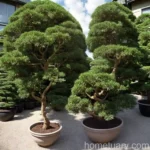
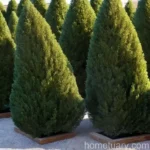
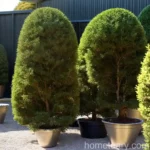
Japanese Yew (Taxus Cuspidata ‘Nana Aurescens’): An In-Depth Guide
The Japanese yew, scientifically known as Taxus cuspidata ‘Nana Aurescens,’ is a captivating evergreen shrub that belongs to the Taxaceae family. This stunning plant is admired for its compact size, exquisite foliage color, and versatility in various landscapes. In this comprehensive guide, we will explore the key characteristics, culture, uses, maintenance tips, and common diseases and pests associated with the Japanese yew. Whether you are a seasoned gardener or a novice plant enthusiast, this article will provide you with valuable insights and practical advice for cultivating and caring for the Japanese yew.
What is the Japanese Yew (Taxus Cuspidata ‘Nana Aurescens’)?
The Japanese yew, Taxus cuspidata ‘Nana Aurescens,’ is a slow-growing evergreen shrub that originated from Japan, Korea, and Northeast China. It is a dwarf variety of the Japanese yew, known for its dense and compact growth habit, making it an ideal choice for hedges, borders, and container gardening. The foliage of ‘Nana Aurescens’ is characterized by its vibrant golden color, which adds a touch of elegance and visual interest to any landscape.
Key Takeaways
Japanese Yew (Taxus Cuspidata ‘Nana Aurescens’)
-
Care: Proper care and maintenance are crucial for the healthy growth of the Japanese yew. Understanding its specific cultural requirements, including watering, sunlight, soil, and pruning, is essential for its well-being.
-
Shrub: The Japanese yew is a versatile shrub that serves multiple purposes in landscaping, such as privacy screens, foundation plantings, and specimen plantings.
-
Nana Aurescens Yew Tree: The ‘Nana Aurescens’ yew tree, with its unique dwarf growth habit and striking foliage, is a prized addition to gardens and outdoor spaces.
-
Pruning: Regular pruning is necessary to maintain the desired shape and size of the Japanese yew. Proper pruning techniques and timing are vital for promoting healthy growth and enhancing its ornamental appeal.
-
Propagation: Propagating the Japanese yew can be done through various methods, including cuttings and seeds. Understanding the propagation process is useful for expanding your yew collection or starting new plants.
-
Container Popularity: The Japanese yew is well-suited for container gardening, making it an excellent choice for individuals with limited garden space or those seeking to enhance their outdoor living areas.
Culture
The cultural requirements of the Japanese yew play a significant role in its overall health and vitality. Understanding its specific needs in terms of water, sunlight, fertilizer, soil, and pruning is crucial for successfully cultivating this exquisite shrub.
Uses
The Japanese yew offers a multitude of uses in various landscape settings, ranging from formal to informal designs. Its versatility makes it suitable for hedges, borders, foundation plantings, and even container gardening.
Water
Proper watering is essential for the Japanese yew, especially during its establishment phase and in dry periods. Balancing moisture levels in the soil is key to preventing drought stress or waterlogging.
Sunlight
The Japanese yew thrives in partial to full sunlight, although it can also tolerate shade. Understanding its sunlight requirements is essential for selecting the ideal planting location and ensuring optimal growth.
Fertilizer
Applying the right type and amount of fertilizer at the appropriate times can significantly impact the growth and vigor of the Japanese yew. Understanding its fertilizer needs is crucial for promoting lush foliage and healthy development.
Soil
The soil requirements of the Japanese yew influence its overall health and resilience. Understanding its preferences for soil type, pH, and drainage is essential for providing an optimal growing environment.
Pruning
Regular pruning is necessary to maintain the desired shape, size, and density of the Japanese yew. Employing proper pruning techniques and adhering to a suitable pruning schedule is essential for its aesthetic appeal and structural integrity.
Propagation
Propagating the Japanese yew allows for the expansion of its population or the creation of new plants for additional landscape use. Understanding the propagation methods and timing is vital for successful reproduction.
Container Popularity
The Japanese yew is an excellent candidate for container gardening, offering an attractive and versatile option for individuals with limited outdoor space or a desire to enhance their living areas with ornamental plants.
Common Diseases
The Japanese yew is susceptible to certain diseases that can impact its overall health and appearance. Recognizing these common diseases and understanding their symptoms is crucial for implementing effective preventative and management strategies.
Disease Diagnosis
Diagnosing diseases affecting the Japanese yew involves recognizing specific symptoms and signs associated with various pathogens or environmental stressors. Understanding the diagnostic process is essential for identifying and addressing potential health issues.
Common Pests
Pests can pose a threat to the Japanese yew by causing damage to its foliage, stems, or roots. Identifying common pests and understanding their impact on the plant is crucial for implementing appropriate pest management measures.
Botanist’s Tips
Expert tips from botanists and horticulturists can provide valuable insights and practical advice for cultivating and caring for the Japanese yew. Leveraging their expertise can enhance your success in growing and maintaining this exquisite shrub.
Fun Facts
Exploring fun and intriguing facts about the Japanese yew can deepen your appreciation for this remarkable plant, shedding light on its unique characteristics and cultural significance.
Links to External Resources
Accessing external resources, including reputable websites, publications, and educational materials, can expand your knowledge and provide additional information and guidance on the Japanese yew and related topics.
Plant Name: Japanese Yew (Taxus Cuspidata ‘Nana Aurescens’)
Now that we have outlined the key takeaways, let’s delve into each section and explore the intricate details of the Japanese yew, from its optimal care and maintenance to its versatile uses in landscaping. In the following sections, we will provide comprehensive insights and practical advice for cultivating this captivating evergreen shrub, along with tips for addressing common diseases and pests that may affect its health.
Culture
Water
The watering needs of the Japanese yew are crucial for its overall health and vitality. While it is tolerant of various soil conditions, ensuring proper moisture levels is essential, particularly during its establishment phase. Here are some key considerations for watering the Japanese yew:
Watering Guidelines
-
Establishment Phase: Newly planted Japanese yews require regular watering to promote root establishment and initial growth. Water deeply and consistently, especially during dry periods, to prevent drought stress.
-
Mature Plants: Once established, the Japanese yew is relatively drought-tolerant, but it still benefits from regular watering, particularly during prolonged dry spells. Monitor soil moisture and water as needed to maintain adequate hydration.
-
Avoid Waterlogging: While the Japanese yew appreciates moisture, it is essential to avoid waterlogging, which can lead to root suffocation and potential rotting. Ensure proper drainage to prevent standing water around the root zone.
-
Environmental Factors: Adjust your watering frequency and volume based on environmental conditions, such as temperature, humidity, and rainfall. Be mindful of extreme weather patterns that may affect soil moisture levels.
-
Mulching Benefits: Applying a layer of organic mulch around the base of the Japanese yew can help retain soil moisture, regulate temperature, and prevent weed competition. Mulching also contributes to overall soil health and structure.
By following these watering guidelines and adjusting your approach based on the specific needs of the Japanese yew in your landscape, you can ensure that this remarkable shrub maintains its vigor and visual appeal.
Sunlight
The Japanese yew exhibits a versatile range of sunlight tolerance, making it adaptable to various planting locations and environmental conditions. Understanding its sunlight requirements is essential for selecting an ideal site and promoting optimal growth. Here are key considerations for sunlight exposure:
Sunlight Preferences
-
Partial to Full Sun: The Japanese yew thrives in partial to full sunlight, making it suitable for a wide range of landscape settings, including open gardens, borders, and foundation plantings. Adequate sunlight promotes lush foliage and vigorous growth.
-
Shade Tolerance: While the Japanese yew prefers sunlight, it can also tolerate partial shade, particularly in warmer climates or locations with intense afternoon sun. Partial shade can help prevent stress from excessive heat and sunlight exposure.
-
Site Selection: When choosing a planting site for the Japanese yew, consider the natural light conditions and potential shading from nearby structures or trees. Select a location that provides the appropriate balance of sunlight and shade throughout the day.
-
Adaptable Nature: The Japanese yew’s adaptability to varying light conditions allows for flexibility in landscape design, making it a versatile option for both sunny and partially shaded areas. Assess the light levels in your garden to optimize the placement of this ornamental shrub.
By assessing the sunlight exposure in your landscape and taking into account the Japanese yew’s adaptable nature, you can create an optimal environment that supports its growth and enhances its ornamental value.
Uses
The Japanese yew offers a wide array of uses in landscaping, ranging from formal to informal designs, with its compact size, versatility, and ornamental foliage making it a valuable addition to diverse outdoor spaces. Whether utilized as a privacy screen, foundation planting, or a focal point in a container, the Japanese yew provides aesthetic appeal and functional benefits. Here are some key uses of the Japanese yew in landscaping:
Privacy Screens
-
Natural Barrier: The dense and evergreen nature of the Japanese yew makes it an excellent candidate for creating privacy screens and windbreaks. Its compact growth habit and lush foliage contribute to the formation of a visually appealing and functional barrier.
-
Property Boundaries: Planting Japanese yew hedges along property boundaries or near outdoor living areas can enhance privacy, reduce noise pollution, and establish a sense of seclusion within the landscape.
-
Formal Appeal: When meticulously pruned and maintained, Japanese yew hedges can impart a formal and manicured appearance to gardens and estate properties, adding a touch of sophistication to the overall landscape.
Foundation Plantings
-
Landscape Accent: Incorporating Japanese yews as foundation plantings around homes, buildings, or entryways can accentuate architectural features and provide a striking backdrop that complements the structural design.
-
Year-Round Interest: The evergreen nature of the Japanese yew ensures year-round visual appeal, serving as a reliable and enduring element in the landscape, even during the winter months.
-
Low-Maintenance Option: Japanese yews near building foundations or structures are often chosen for their low-maintenance characteristics, requiring minimal care and upkeep while contributing to the overall aesthetics of the property.
Specimen Plantings
-
Focal Point: The unique foliage color and compact growth habit of the Japanese yew make it an ideal choice for creating focal points and visual anchors in gardens, courtyards, or outdoor living spaces.
-
Container Gardening: Placing Japanese yew specimens in containers or planters allows for flexibility in design and placement, making it possible to showcase the plant on patios, decks, or balconies.
-
Mixed Plantings: Combining Japanese yews with complementary shrubs, perennials, or annuals can create captivating mixed plantings that add depth, color, and texture to the landscape.
Informal Landscapes
-
Naturalistic Settings: In more informal or naturalistic landscapes, the Japanese yew can blend seamlessly with its surroundings, providing a sense of tranquility and harmony while contributing to the diversity of plant life.
-
Woodland Gardens: The adaptable nature of the Japanese yew makes it suitable for woodland gardens, where it can thrive in dappled shade and contribute to the lush, layered vegetation typical of such environments.
-
Rock Gardens: Dwarf varieties of the Japanese yew can be incorporated into rock gardens or alpine plantings, offering a distinctive texture and form among the rugged terrain and stony substrates.
By leveraging the diverse uses of the Japanese yew in various landscape settings, you can maximize its ornamental impact and functional benefits, creating visually stunning and well-utilized outdoor spaces.
Water
The Japanese yew’s water requirements play a significant role in its overall health and resilience. Understanding the principles of proper watering and moisture management is essential for maintaining the plant’s vitality and visual appeal. Here are important considerations for watering the Japanese yew:
Watering Guidelines for Japanese Yew
-
Establishment Phase: Newly planted Japanese yews require consistent and thorough watering to promote root establishment and initial growth. Keep the root zone evenly moist during the first year to facilitate robust development.
-
Mature Plants: Once established, the Japanese yew is relatively drought-tolerant, although it benefits from regular watering, especially during dry periods. Monitor soil moisture levels and provide supplemental irrigation as needed.
-
Soil Moisture: The ideal soil moisture level for the Japanese yew is moist but well-drained. Avoid waterlogging or allowing the soil to become excessively dry, as both extremes can stress the plant and compromise its health.
-
Environmental Factors: Consider environmental factors such as temperature, humidity, and rainfall patterns when determining the frequency and volume of water to apply. Adjust your watering regimen based on prevailing weather conditions and seasonal changes.
-
Mulching Benefits: Applying a layer of organic mulch, such as wood chips or shredded bark, around the base of the Japanese yew helps conserve soil moisture, regulate temperature, and suppress weed growth. Mulching also provides additional organic matter as it decomposes, promoting soil health.
By adhering to these watering guidelines and adapting your approach based on the specific needs of the Japanese yew in your landscape, you can promote its vigorous growth and ensure its long-term health and vitality.
Fertilizer
Importance of Fertilizing
-
Fertilizer requirements may vary depending on the specific needs of the Japanese yew, the characteristics of the surrounding soil, and the presence of existing organic matter.
-
Understand the fundamental roles of essential nutrients, including nitrogen, phosphorus, and potassium, in supporting the growth, development, and overall health of the Japanese yew.
-
Assess the existing fertility status of the soil through soil testing to determine the appropriate type, formulation, and application rates of fertilizers that will best meet the requirements of the plant.
-
Employ organic fertilizers, such as compost or well-rotted manure, as a sustainable and environmentally friendly alternative to synthetic fertilizers, providing long-term benefits to the soil and the Japanese yew.
By addressing the fertilizer needs of the Japanese yew and applying the appropriate amendments accordingly, you can enhance its nutrient uptake and support its robust growth and visual appeal.
Soil
Ideal Soil Conditions
-
The Japanese yew thrives in well-drained, loamy soils with a slightly acidic to neutral pH range, typically between 6.0 and 7.0, allowing for optimal nutrient availability and root health.
-
Consider the native habitat of the Japanese yew, which often involves woodland and forested environments with fertile, well-aerated soils, and aim to replicate these conditions in your landscape to ensure its success.
-
Assess the soil’s texture, structure, and drainage characteristics to determine its suitability for supporting the growth of the Japanese yew, amending soil as necessary to create an ideal growing environment.
-
Employ organic soil amendments, such as compost, peat moss, or well-rotted leaf mold, to improve soil structure, enhance moisture retention, and increase the availability of essential nutrients to the Japanese yew.
By understanding and addressing the soil preferences of the Japanese yew, you can create an optimal growing environment that promotes robust growth and long-term health.
Pruning
Pruning Techniques
-
Develop a clear understanding of the desired size, form, and structure of the Japanese yew, allowing for informed decisions when performing pruning activities.
-
Utilize sharp, clean pruning tools, such as hand pruners or loppers, to make precise cuts that promote healing and minimize the risk of disease transmission.
-
Embrace the natural growth habit of the Japanese yew, promoting its inherent beauty, while selectively pruning to remove dead, damaged, or diseased branches and maintain its desired shape.
-
Employ appropriate timing for pruning, recognizing the plant’s growth patterns and avoiding periods of active growth or extreme environmental stress, to minimize the impact of pruning on the plant’s health.
By integrating these pruning techniques into your care and maintenance routine for the Japanese yew, you can enhance its aesthetic appeal, manage its size and form, and support its overall health and vitality.
Propagation
Propagation Methods
-
Explore various propagation methods for the Japanese yew, including through seeds, cuttings, or layering, to expand the population of the plant or create new specimens for landscape use.
-
Understand the unique challenges and opportunities associated with each propagation method, such as the time, effort, and environmental conditions required for successful reproduction.
-
Establish reliable propagation sources, such as healthy parent plants or reputable nurseries, to acquire high-quality plant material for use in propagation efforts.
-
Emphasize proper timing, suitable environmental conditions, and careful monitoring when propagating the Japanese yew, ensuring optimal success and the development of vigorous, new plants.
By engaging in propagation activities and leveraging the various methods available for the Japanese yew, you can enrich your garden or landscape with an expanded population of this captivating and versatile shrub.
Container Popularity
Container Gardening Advantages
-
Recognize the suitability of the Japanese yew for container gardening, offering opportunities to enhance outdoor living spaces, such as patios, decks, or balconies, with ornamental and versatile plantings.
-
Embrace the flexibility and creativity of container gardening, utilizing different planter sizes, shapes, and materials to showcase the Japanese yew as a captivating focal point or a stylish ornamental accent.
-
Address the specific needs of containerized Japanese yews, such as watering, soil requirements, and potential size constraints, to support their healthy growth and visual appeal.
-
Integrate containerized Japanese yews into larger garden designs, using them to delineate spaces, provide vertical interest, or establish striking compositions within the landscape.
By leveraging the advantages of container gardening and celebrating the suitability of the Japanese yew for this purpose, you can elevate your outdoor living areas with the beauty and versatility of this exceptional shrub.
Popularity
Landscape Uses
Diverse Applications in Landscaping
-
Explore the diverse and versatile landscape uses of the Japanese yew, ranging from formal to informal designs, and identify the specific applications that align with your aesthetic preferences and gardening goals.
-
Consider the Japanese yew’s adaptability and visual appeal in various settings, such as privacy screens, foundation plantings, border edges, container gardening, and specimen plantings, to maximize its ornamental impact.
-
Acknowledge the functional benefits of the Japanese yew, including its capacity to define spaces, provide windbreaks, or contribute to year-round interest, making it a valuable and multipurpose element in the landscape.
-
Tailor your landscape designs to integrate the Japanese yew effectively, creating visually striking compositions, enhancing privacy and seclusion, and elevating the overall aesthetics of your outdoor spaces.
By embracing the diverse landscape uses of the Japanese yew and integrating its ornamental and functional benefits into your garden or landscape, you can create captivating and well-utilized outdoor environments.
Common Diseases
Disease Resistance
Promoting Health and Resilience
-
Recognize the Japanese yew’s susceptibility to certain common diseases, such as root rot, needle blight, and cankers, and implement proactive measures to support its overall health and resilience.
-
Employ cultural practices, such as proper watering, pruning, and soil management,