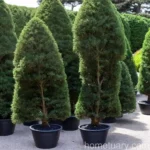
Japanese Yew (Taxus cuspidata ‘Densa’): Cultivation and Maintenance Guide
Introduction
Plants play a crucial role in our ecosystem, providing us with oxygen, food, medicine, and aesthetic beauty. One such plant that holds significance in both horticulture and traditional medicine is the Japanese yew, scientifically known as Taxus cuspidata ‘Densa’. This evergreen shrub boasts characteristics that make it a desirable addition to gardens, landscapes, and natural habitats. In this comprehensive guide, we will delve deep into the cultivation and maintenance of Japanese yew, exploring its culture, uses, care requirements, common diseases, and much more.
What is Japanese Yew (Taxus cuspidata ‘Densa’)?
The Japanese yew, Taxus cuspidata ‘Densa’, is a slow-growing and dense evergreen shrub that belongs to the Taxaceae family. It is native to Japan, Korea, northeast China, and the Russian Far East. This strikingly beautiful evergreen holds cultural significance and is a popular ornamental plant in landscapes and gardens.
Taxus cuspidata ‘Densa’ at a Glance:
- Common Name: Japanese Yew
- Botanical Name: Taxus cuspidata ‘Densa’
- Plant Type: Evergreen shrub
- Native Habitat: Japan, Korea, northeast China, Russian Far East
- Growth Rate: Slow
- Characteristics: Dense, dark green foliage, red berries
- Uses: Ornamental plant, hedges, medicinal purposes
Key Takeaways – Japanese Yew (Taxus cuspidata ‘Densa’)
Let’s begin exploring the key takeaways related to the Japanese yew, Taxus cuspidata ‘Densa’:
- Culture:
- Japanese yew is deeply rooted in cultural symbolism and holds significance in traditional medicine.
- Its dense growth habit makes it an ideal choice for hedges and topiaries.
-
The plant is renowned for its low maintenance and long lifespan when provided with optimal growing conditions.
-
Uses:
- Japanese yew is predominantly utilized for ornamental purposes in landscapes, gardens, and natural habitats.
- It is a popular choice for creating formal hedges, screens, and borders due to its dense growth.
-
The plant’s foliage and seeds have historical and modern medicinal applications, despite being toxic if ingested.
-
Water:
- Japanese yew prefers moist, well-draining soil and benefits from regular watering, especially during dry spells.
-
While tolerant of some drought once established, consistent moisture is essential for the plant’s health and growth.
-
Sunlight:
- The plant exhibits versatility in its sunlight requirements, growing well in both full sun and partial shade conditions.
-
When grown in hot climates, providing some afternoon shade can protect the plant from excessive heat and sunburn.
-
Fertilizer:
- Moderate feeding with a balanced fertilizer in the early spring promotes healthy growth.
-
A slow-release fertilizer or organic amendments can be beneficial for sustained nutrient availability to the plant.
-
Soil:
- Well-draining, slightly acidic to neutral soil is ideal for Japanese yew.
-
Organic matter incorporation enhances soil structure and nutrient retention, supporting the plant’s vigor.
-
Pruning:
- Pruning is essential for shaping, maintaining desired size, and rejuvenating older plants.
-
Careful attention to pruning guidelines is crucial due to the plant’s toxic nature and slow growth recovery.
-
Propagation:
- Propagation through cuttings or seeds is possible, with cuttings being the preferred method due to genetic consistency.
-
Maintaining consistent moisture and humidity is key to successful propagation.
-
Container Popularity:
- Japanese yew adapts well to container cultivation, offering versatility in design and space utilization.
-
Container-grown plants require attention to watering, nutrition, and suitable potting media for sustained health.
-
Common Diseases:
- Japanese yew is susceptible to various diseases, including root rot, cankers, and fungal infections.
- Proactive measures, such as proper site selection and cultural practices, are vital for disease prevention.
-
Disease Diagnosis:
- Timely recognition and accurate diagnosis of diseases are essential for implementing targeted management strategies.
- Collaborating with plant disease specialists can aid in effective disease identification and control.
-
Common Pests:
- Insect pests, such as scale insects and caterpillars, pose potential threats to Japanese yew.
- Monitoring pest populations and using integrated pest management approaches are vital for pest control.
-
Botanist’s Tips:
- Seeking expert advice and engaging in continuous learning can enhance one’s understanding and management of Japanese yew.
- Collaboration with botanical institutions can provide access to valuable resources and research insights.
-
Fun Facts:
- Japanese yew’s wood has been historically used for manufacturing bows and spears.
- The plant’s red, fleshy arils encasing the seeds are visually striking but toxic if ingested.
Japanese Yew (Taxus cuspidata ‘Densa’) Cultivation Guide
Now, let’s delve deeper into the specifics of cultivating and maintaining Japanese yew, Taxus cuspidata ‘Densa’, including its cultural significance, optimal growing conditions, care requirements, propagation methods, and potential challenges.
Culture
Cultural Significance
Japanese yew, Taxus cuspidata ‘Densa’, holds deep-rooted significance in various cultures, including traditional medicine and symbolism. Its evergreen nature and dense foliage have made it a relevant plant in the landscaping and horticultural industry. In Japan, yews are associated with longevity and resilience, often found in temple gardens and ancient landscapes, symbolizing immortality and protection.
Versatile Uses
Japanese yews have been utilized for centuries in traditional medicine for their potential health benefits, despite the toxicity associated with their various parts. The plant’s various applications range from treating ailments to spiritual and ceremonial uses. In contemporary landscapes, Japanese yew is valued for its ornamental appeal, offering versatility in horticultural design through hedges, topiaries, and specimen plantings.
Uses
Ornamental Value
Japanese yew is widely celebrated for its ornamental value, particularly in formal and informal landscapes. Its dense, dark green foliage and red arils provide striking visual interest throughout the year, making it an attractive choice for enhancing garden aesthetics. The plant’s ability to thrive in various light conditions further adds to its appeal, allowing for diverse landscape design possibilities.
Functional Hedges
The dense growth habit of Japanese yew makes it an excellent candidate for creating functional and visually appealing hedges and screens. When properly pruned and maintained, it forms a reliable barrier, providing privacy and wind protection for outdoor living spaces. Its evergreen nature ensures year-round coverage, making it a preferred choice for defining boundaries and partitioning landscapes.
Medicinal Purposes
Despite its toxic nature, Japanese yew has historical and modern medicinal applications. Its bark, needles, and seeds contain taxanes, which have been used in the treatment of cancer. However, it is crucial to note that the ingestion of any part of the plant can be fatal to humans and animals. Proper precautions and expert guidance are essential when exploring its potential medicinal uses.
Water
Moisture Requirements
The Japanese yew, Taxus cuspidata ‘Densa’, prefers consistently moist soil, especially during its establishment phase. Adequate soil moisture supports root development and overall plant health. However, the plant exhibits some tolerance to drought once established, making it a resilient choice for different climatic conditions.
Watering Practices
- Establishment Phase: Newly planted Japanese yews require regular watering, ensuring that the root ball is sufficiently moist, without being waterlogged.
- Established Plants: Once established, the plant’s water requirements can be met through natural rainfall, supplemented by irrigation during extended dry periods.
Drought Considerations
While Japanese yew demonstrates some drought tolerance, prolonged dry spells can negatively impact its growth and vitality. Monitoring soil moisture and providing supplemental watering during drought conditions is crucial, especially for maintaining optimal plant aesthetics and vigor.
Sunlight
Sun Exposure
Japanese yew exhibits adaptability to varying light conditions, thriving in both full sun and partial shade. When grown in regions with intense sunlight or hot climates, providing some afternoon shade can prevent issues related to sunburn and heat stress, particularly for young plants and those in containers.
Shaded Environments
Partial shade conditions can be advantageous for Japanese yew, especially in regions with high temperatures or where sunlight is intense. Partial shade provides protection from excessive heat, reducing the risk of foliage burn and ensuring the long-term health of the plant.
Fertilizer
Nutrient Needs
Moderate feeding with a balanced fertilizer in early spring supports the robust growth and overall health of Japanese yew. The fertilizer’s balanced formulation ensures the availability of essential macro and micronutrients, sustaining the plant’s vigor and vibrant foliage.
Fertilizing Practices
- Timing: Application of fertilizer in early spring, before the commencement of active growth, allows the plant to benefit from the nutrients as it enters its growth phase.
- Balanced Formulation: Utilizing a balanced fertilizer with an equal ratio of nitrogen, phosphorus, and potassium supports overall plant development without promoting excessive vegetative growth.
Soil
Soil Preferences
Japanese yew thrives in well-draining soil with a slightly acidic to neutral pH. The soil should be rich in organic matter, providing a conducive environment for root development and nutrient uptake. Soil amendments and mulching can help maintain soil moisture and enhance overall soil structure.
Organic Matter Incorporation
Incorporating organic matter, such as compost or well-rotted manure, into the planting site promotes soil fertility and structure. Organic matter serves as a reservoir for nutrients, supports beneficial microbial activity, and enhances the soil’s water retention capacity.
pH Considerations
Maintaining a slightly acidic to neutral soil pH (approximately 6.0 to 7.0) supports optimal nutrient availability to Japanese yew, ensuring that essential elements are readily accessible to the plant’s root system.
Pruning
Pruning Objectives
Pruning serves multiple purposes when it comes to Japanese yew, including shaping, size management, rejuvenation, and the removal of damaged or diseased branches. Understanding the plant’s growth habits and best practices for pruning is essential for achieving the desired aesthetic and maintaining the plant’s health.
Pruning Guidelines
- Safety Measures: Given the toxic nature of Japanese yew, wearing protective gear, such as gloves, is essential when pruning to reduce skin exposure to potentially harmful compounds.
- Pruning Season: Early spring and late winter are considered ideal times for pruning Japanese yew, as it minimizes stress on the plant and allows for new growth to emerge.
Toxicity Considerations
It is important to be aware of the toxicity associated with Japanese yew and to take caution when working with the plant. Ingestion or exposure to the plant’s toxic compounds can pose serious health risks to humans and animals.
Propagation
Methods of Propagation
Japanese yew can be propagated through both cuttings and seeds, with cuttings being the preferred method for preserving the genetic traits of the parent plant. Effective propagation techniques ensure the successful reproduction and dissemination of desirable cultivars.
Propagation Considerations
- Cutting Propagation: Utilizing semi-hardwood cuttings with proper rooting hormone and environmental control fosters successful propagation, allowing for the creation of genetically identical plants.
- Seed Propagation: While viable, seed propagation may result in genetic variations and requires an extended period for plants to reach maturity and display desirable traits.
Moisture Management
Maintaining consistent moisture and humidity levels during the propagation process is essential for promoting root development and overall success. Proper environmental control supports the establishment of healthy, vigorous cuttings.
Container Popularity
Container Gardening Appeal
Japanese yew’s adaptability to container cultivation makes it a popular choice for gardens, patios, and urban landscapes. Container-grown Japanese yews offer versatility in design, space utilization, and mobility, allowing for the creation of customized arrangements and visual elements.
Container Considerations
- Root Space: Utilizing spacious containers allows for adequate root development and reduces the need for frequent repotting.
- Potting Mix: Well-draining potting media with added organic components supports healthy root growth and moisture retention suitable for container cultivation.
Watering Requirements
Container-grown plants necessitate attention to watering practices, given their limited soil volume and potential for moisture fluctuations. Regular monitoring and appropriate irrigation ensure sustained health and vigor in container-grown Japanese yews.
Popular Japanese Yew (Taxus cuspidata ‘Densa’) Varieties
Japanese yew, Taxus cuspidata ‘Densa’, encompasses several popular and esteemed varieties, each offering unique traits and characteristics. These varieties serve as valuable additions to horticultural landscapes and gardens, contributing to diverse design possibilities and ornamental appeal.
Taxus cuspidata ‘Densa’ Varieties
- ‘Capitata’: This variety stands out for its upright and narrowly conical growth habit, making it an ideal choice for vertical accents and formal plantings.
- ‘Nana’: Characterized by its compact and mounded form, ‘Nana’ suits small gardens, rockeries, and container cultivation, offering a charming and manageable ornamental option.
- ‘Aurescens’: Notable for its golden-yellow foliage, ‘Aurescens’ provides a striking contrast in landscapes, adding brightness and visual interest to mixed plantings.
- ‘Dense’: As the namesake cultivar, ‘Dense’ showcases a densely branched structure and dark green foliage, ideal for creating solid hedging and architectural elements in landscapes.
Common Diseases of Japanese Yew (Taxus cuspidata ‘Densa’)
The potential susceptibility of Japanese yew to various diseases necessitates proactive management and monitoring. Understanding the common diseases affecting the plant enables effective prevention and targeted intervention strategies to maintain its health and vitality.
Common Diseases
- Root Rot: Prolonged soil moisture, particularly in poorly draining conditions, can lead to root rot, causing wilting, stunted growth, and decline in overall plant health.
- Cankers: Fungal pathogens can cause cankers on the stems and branches of Japanese yew, leading to dieback and structural weakness if left uncontrolled.
- Needle Blight: Fungal infections can result in needle blight, causing the discoloration and eventual shedding of foliage, compromising the plant’s visual appeal and vigor.
Disease Prevention
- Site Selection: Choosing well-draining planting sites and avoiding locations prone to waterlogging can prevent issues related to root rot and fungal infections.
- Cultural Practices: Pruning to improve air circulation, maintaining proper spacing, and providing optimal growing conditions support disease prevention and overall plant health.
Disease Diagnosis
Accurate diagnosis of diseases affecting Japanese yew is crucial for implementing targeted management strategies. Symptoms such as yellowing foliage, cankers, and wilting can indicate potential disease issues, warranting timely assessment and intervention.
Diagnostic Approach
- Consultation: Engaging with plant disease specialists and experienced horticulturists can aid in the accurate diagnosis and formulation of effective disease management plans.
- Laboratory Analysis: In cases of complex or unidentified diseases, laboratory analysis of plant samples can provide detailed insights into the nature and specific pathogens involved.
Common Pests Affecting Japanese Yew (Taxus cuspidata ‘Densa’)
Insect pests pose potential threats to the overall health and aesthetics of Japanese yew, necessitating vigilant monitoring and integrated pest management approaches for effective control and prevention.
Common Pests
- Scale Insects: Scale insects can infest Japanese yew, causing foliage discoloration, reduced vigor, and the secretion of sticky honeydew, which attracts additional pest activity.
- Caterpillars: Certain caterpillar species can feed on the foliage of Japanese yew, leading to defoliation and aesthetic damage, particularly in instances of severe infestations.
Pest Management Strategies
- Monitoring: Regular inspection of Japanese yew for signs of pest activity, such as visible insects, honeydew, or foliage damage, enables early detection and intervention.
- Biological Controls: Utilizing natural predators, such as beneficial insects, or targeted organic treatments mitigates pest populations while minimizing environmental impact.
Botanist’s Tips for Japanese Yew (Taxus cuspidata ‘Densa’) Care
Gaining insights from experienced botanists and horticulturists can enrich your understanding of Japanese yew’s cultivation and maintenance, providing valuable tips for optimal plant care and sustainable management.
Expert Advice
- Cultivation Guidance: Seek guidance from botanical experts and experienced practitioners to understand the nuances of Japanese yew care and to address specific challenges.
- Resource Access: Collaborating with botanical institutions provides access to scientific research, educational materials, and plant conservation initiatives, fostering a deeper connection with the plant world.
Fun Facts about Japanese Yew (Taxus cuspidata ‘Densa’)
Uncover intriguing and lesser-known aspects of Japanese yew’s botanical heritage and significance through these captivating fun facts.
Historical Significance
- Traditional Uses: Japanese yew’s wood has been historically employed in the crafting of bows and spears, showcasing the cultural and practical significance of the plant throughout history.
- Medicinal Heritage: Despite its toxic nature, Japanese yew holds a prominent place in traditional medicine, with historical applications ranging from treating specific ailments to ceremonial and ritualistic uses.
Links to External Resources
Explore further insights and in-depth information regarding Japanese yew (Taxus cuspidata ‘Densa’) through the following external resources:
- American Conifer Society – Japanese Yew
- Royal Horticultural Society – Taxus cuspidata ‘Densa’ Information
- University of Florida IFAS Extension – Japanese Yew Plant Profile
- Missouri Botanical Garden – Taxus cuspidata
Conclusion
Japanese yew (Taxus cuspidata ‘Densa’) stands as a captivating and versatile addition to horticultural landscapes, showcasing ornamental allure, cultural significance, and historical relevance. By understanding its cultural context, optimal care requirements, propagation methods, and potential challenges, enthusiasts and horticulturists alike can elevate their appreciation and stewardship of this remarkable evergreen shrub. Embracing the nuances of Japanese yew’s cultivation and management not only enriches our horticultural experiences but also fosters a deeper connection with the diversity and resilience of the plant kingdom.
As you embark on your journey with Japanese yew, may these insights and guidelines serve as a valuable companion, guiding you in nurturing and celebrating the enduring beauty of Taxus cuspidata ‘Densa’.
References:
- American Conifer Society. (n.d.). Japanese Yew. Retrieved from https://conifersociety.org/conifers/japanese-yew/
- Royal Horticultural Society. (n.d.).