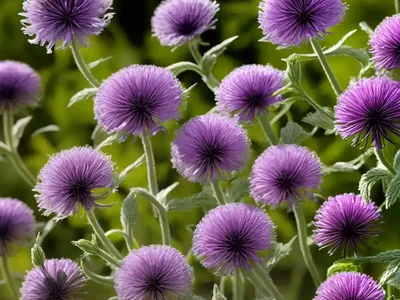
Pincushion Flower (Scabiosa ‘Vivid Violet’)
Pincushion flowers, scientifically known as Scabiosa, are a delightful addition to any garden or landscape. The ‘Vivid Violet’ variety is particularly.
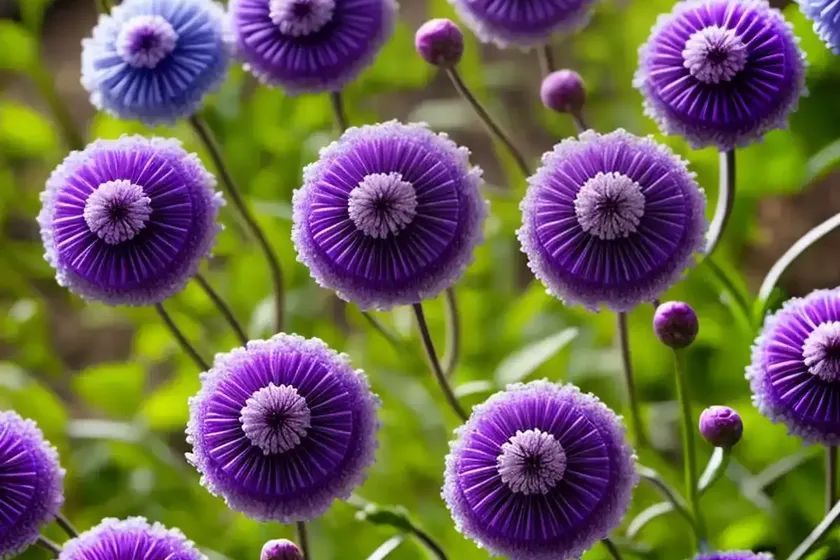
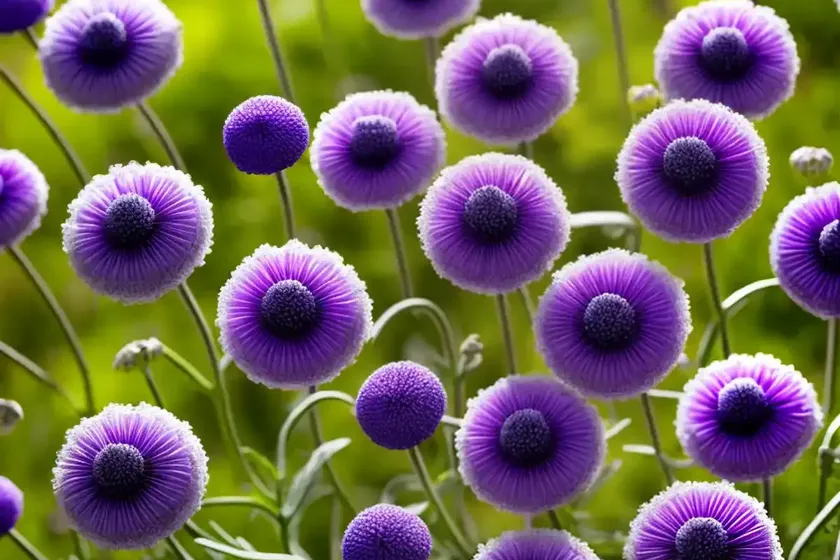
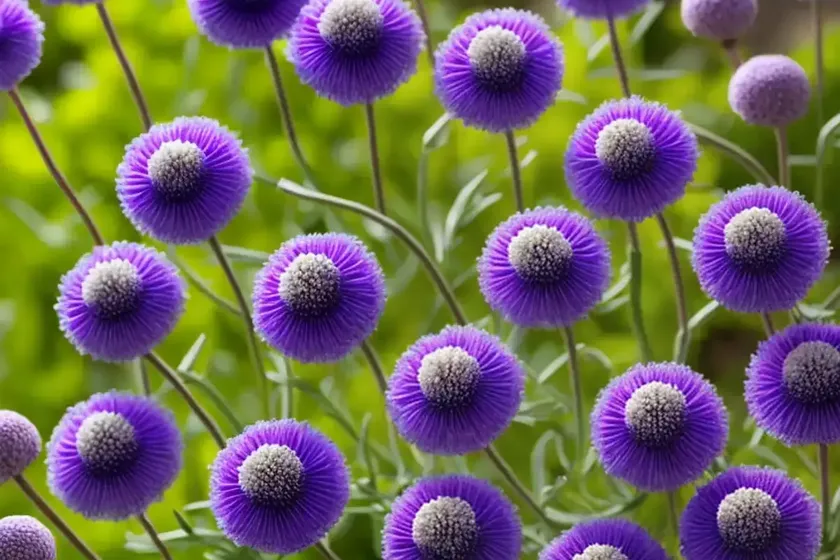
Pincushion flowers, scientifically known as Scabiosa, are a delightful addition to any garden or landscape. The ‘Vivid Violet’ variety is particularly noteworthy for its stunning and vibrant blooms. In this comprehensive guide, we will discuss the various aspects of caring for and growing pincushion flowers, with a specific focus on the Scabiosa ‘Vivid Violet’ variety.
What is a Pincushion Flower (Scabiosa ‘Vivid Violet’)?
Scabiosa, commonly referred to as pincushion flowers, are herbaceous perennial plants that belong to the honeysuckle family, Caprifoliaceae. They are native to Europe, Asia, and Africa, and are renowned for their distinctive, pincushion-shaped flowers that come in an array of colors, including white, pink, lavender, and deep violet.
The Scabiosa ‘Vivid Violet’ variety is celebrated for its vivid and richly colored blooms that add a pop of color to gardens and landscapes. Its compact growth habit and long flowering period make it a sought-after choice for both novice and experienced gardeners.
Key Takeaways – Pincushion Flower (Scabiosa ‘Vivid Violet’)
Let’s delve into the key considerations for successfully growing and caring for Scabiosa ‘Vivid Violet’ and unlocking its full ornamental potential.
Culture
- Scientific Name: Scabiosa ‘Vivid Violet’
- Common Name: Pincushion Flower
- Plant Type: Herbaceous Perennial
- Mature Height: 12-18 inches
- Mature Spread: 12-24 inches
- Bloom Time: Late Spring to Early Fall
- Growth Rate: Moderate
Uses
- Garden Beds
- Cut Flower Arrangements
- Pollinator Gardens
- Containers and Window Boxes
Water
- Watering Frequency: Regular watering, especially during dry spells
- Soil Moisture: Consistently moist, but not waterlogged
- Watering Method: Direct irrigation at the base of the plant to prevent wet foliage
Sunlight
- Light Requirements: Full Sun to Partial Shade
- Optimal Sun Exposure: 6-8 hours of direct sunlight daily
Fertilizer
- Fertilization Frequency: Once per month during the growing season
- Type of Fertilizer: Balanced, All-Purpose Fertilizer
Soil
- Soil Type: Well-Draining, Loamy Soil
- Soil pH: Slightly Acidic to Neutral (pH 6.5-7.5)
- Soil Amendments: Organic Matter (Compost, Peat Moss)
Pruning
- Pruning Time: Regular Deadheading to Encourage Continuous Blooms
- Pruning Method: Pinching off Spent Flowers and Cut Back Leggy Stems
Propagation
- Propagation Methods: Seed Propagation, Division of Mature Plants
- Optimal Propagation Time: Early Spring or Fall
Container Popularity
- Suitability for Containers: Well-Suited for Container Planting
- Container Size: Moderate to Large Containers with Good Drainage
Common Diseases
- Powdery Mildew
- Botrytis Blight
- Root Rot
Disease Diagnosis
- Symptoms: White Powdery Coating on Foliage (Powdery Mildew), Brown Spots on Leaves and Stems (Botrytis Blight), Wilting and Yellowing of Foliage (Root Rot)
Common Pests
- Aphids
- Spider Mites
- Thrips
Botanist’s Tips
- Regular Inspection: Monitor for Pests and Diseases
- Pollinator Attraction: Plant in Proximity to Other Pollinator-Attracting Flowers
- Overwintering: Mulch Around Plants to Protect from Frost
Fun Facts
- Historical Significance: Pincushion Flowers were Used for Medicinal Purposes in Ancient Times
- Butterfly Magnet: Attracts Butterflies and Bees to the Garden
- Symbolism: Represents Good Fortune and Gratitude in the Language of Flowers
Links to External Resources
For additional information, consider exploring the following resources:
– Royal Horticultural Society (RHS): Growing Scabious
– University of Florida IFAS Extension: Scabiosa Production Guide
Plant Name: “pincushion flower (Scabiosa ‘Vivid Violet’)”
The Scabiosa ‘Vivid Violet’ has emerged as a beloved choice for gardeners and landscapers seeking an elegant and vibrant addition to their outdoor spaces. With its striking blooms, adaptability, and ornamental versatility, this pincushion flower variety holds immense appeal for both novice and seasoned horticulturists.
In the subsequent sections, we will delve deeper into the nuances of nurturing and cultivating Scabiosa ‘Vivid Violet’, elucidating best practices, expert tips, and vital cultural insights.
Pincushion Flower Care
Caring for pincushion flowers, particularly the Scabiosa ‘Vivid Violet’ variety, entails a multifaceted approach that encompasses attentive watering, appropriate sunlight exposure, suitable soil conditions, and proactive pest and disease management. By adhering to the following care guidelines, gardeners can optimize the growth and flowering performance of these charming perennials.
Scabiosa ‘Vivid Violet’ Varieties
- Scabiosa caucasica: Known for its lavender-blue flowers and long blooming period.
- Scabiosa atropurpurea: Showcases rich, deep purple flowers and is often featured in cut flower arrangements.
- Scabiosa ochroleuca: Noted for its creamy yellow blooms and compact growth habit.
How to Grow Scabiosa ‘Vivid Violet’
To cultivate Scabiosa ‘Vivid Violet’ successfully, it is essential to adhere to the following growth requirements and best practices:
- Soil Preparation: Plant in well-draining, fertile soil with adequate organic matter.
- Watering: Maintain consistent soil moisture, particularly during hot and dry periods. Avoid waterlogging the soil.
- Sunlight: Provide ample sunlight, with a preference for 6-8 hours of direct sunlight daily.
- Fertilization: Apply a balanced, all-purpose fertilizer monthly during the growing season.
- Pruning: Regularly deadhead spent flowers to encourage continuous blooming.
Pincushion Flower Planting Guide
Follow these steps when planting Scabiosa ‘Vivid Violet’ in your garden or landscape:
- Site Selection: Choose a location with well-draining soil and sufficient sunlight.
- Soil Preparation: Amend the soil with compost or peat moss to enhance fertility and drainage.
- Planting Depth: Set the plants at the same depth as they were in their nursery containers.
- Spacing: Space the plants 12-18 inches apart to allow for adequate air circulation.
- Watering: Water thoroughly after planting to help the plants establish their root systems.
Scabiosa ‘Vivid Violet’ Characteristics
The key characteristics of Scabiosa ‘Vivid Violet’ encompass its size, growth habit, bloom color, and ornamental appeal. Understanding these traits is instrumental in assessing its suitability for specific garden settings and design schemes.
- Mature Height: 12-18 inches
- Mature Spread: 12-24 inches
- Bloom Color: Rich Violet
- Growth Habit: Compact, Clumping
- Ornamental Appeal: Attracts Pollinators, Long Bloom Period
Tips for Cultivating Pincushion Flowers
- Mulching: Apply a layer of mulch around the plants to retain soil moisture and suppress weed growth.
- Companion Planting: Pair with other pollinator-attracting flowers such as echinacea, salvia, and lavender.
- Overwintering: Protect plants from frost by mulching around the base and cutting back spent foliage.
Growing Scabiosa ‘Vivid Violet’ from Seed
For gardeners interested in starting Scabiosa ‘Vivid Violet’ from seed, here are the essential steps:
- Seed Starting Mix: Use a well-draining seed starting mix for sowing the seeds.
- Sowing Depth: Press the seeds lightly into the growing medium, ensuring they are barely covered.
- Germination Conditions: Maintain consistent moisture and provide warmth for germination.
- Transplanting: When seedlings are established, transplant them into individual containers or the garden bed.
Pincushion Flower Maintenance
Ongoing maintenance tasks for Scabiosa ‘Vivid Violet’ include regular deadheading, monitoring for pests and diseases, and providing adequate water and fertilization.
Scabiosa ‘Vivid Violet’ in the Garden
In garden settings, Scabiosa ‘Vivid Violet’ can be showcased in various design applications, such as:
- Pollinator Gardens
- Mixed Perennial Borders
- Cut Flower Gardens
- Rock Gardens
Pruning Pincushion Flowers
Regular deadheading and occasional pruning are integral for maintaining the vigor and aesthetics of pincushion flowers. To ensure optimal blooming and plant health, follow these pruning guidelines:
- Deadheading: Pinch off spent flowers to encourage continuous blooming.
- Cutting Back: Trim back leggy stems and spent foliage to promote new growth.
Scabiosa ‘Vivid Violet’ Companion Plants
When selecting companion plants for Scabiosa ‘Vivid Violet’, consider the following options for creating harmonious garden compositions:
- Echinacea (Coneflower)
- Salvia (Sage)
- Lavandula (Lavender)
- Achillea (Yarrow)
Growing Pincushion Flower Indoors
While pincushion flowers are primarily grown outdoors, they can also thrive in indoor settings such as:
- Sunrooms
- Greenhouses
- Bright, South-Facing Windows
Scabiosa ‘Vivid Violet’ Propagation Methods
The most common methods for propagating Scabiosa ‘Vivid Violet’ include:
- Seed Propagation
- Division of Mature Plants
Pincushion Flower Pests and Diseases
Pests and diseases that may affect Scabiosa ‘Vivid Violet’ include aphids, spider mites, powdery mildew, and botrytis blight. Timely diagnosis and targeted management strategies are crucial for preserving plant health.
Scabiosa ‘Vivid Violet’ Soil Requirements
Understanding the optimal soil conditions for Scabiosa ‘Vivid Violet is essential. The following soil specifications are conducive to its growth and flowering:
- Well-Draining Soil
- Loamy Texture
- pH Range 6.5-7.5
Winter Care for Pincushion Flowers
To safeguard pincushion flowers from the rigors of winter, implement the following protective measures:
- Mulching: Apply a layer of mulch around the base of plants to insulate the roots.
- Cutting Back: Trim back spent foliage and stems to promote new growth in spring.
Scabiosa ‘Vivid Violet’ Flower Symbolism
In the language of flowers, Scabiosa is associated with themes of:
- Good Fortune
- Gratitude
- Admiration
The rich violet blooms of Scabiosa ‘Vivid Violet’ accentuate these symbolic meanings, making it a meaningful choice for gift bouquets and floral arrangements.
Using Pincushion Flowers in Floral Arrangements
Scabiosa ‘Vivid Violet’ is a coveted choice for floral arrangements and is often featured in:
- Wedding Bouquets
- Table Centerpieces
- Mixed Flower Arrangements
Scabiosa ‘Vivid Violet’ Sun and Shade Preferences
While Scabiosa ‘Vivid Violet thrives in full sunlight, it can also tolerate partial shade, particularly in regions with intense summer heat.
Common Issues with Pincushion Flowers
Gardeners may encounter issues such as:
- Pest Infestations
- Fungal Diseases
- Inadequate Flowering
Proactive monitoring and diligent care practices are instrumental in addressing these challenges.
Scabiosa ‘Vivid Violet’ Water Needs
Establishing a consistent watering regimen is vital to meet the water requirements of Scabiosa ‘Vivid Violet. Striking a balance between adequate moisture and soil drainage is essential for plant health and vigor.
Benefits of Pincushion Flowers
The benefits of growing Scabiosa ‘Vivid Violet’ encompass its ornamental allure and its role in supporting pollinators and biodiversity within the garden ecosystem.
Scabiosa ‘Vivid Violet’ Blooming Season
Scabiosa ‘Vivid Violet typically blooms from late spring through early fall, providing an extended period of vibrant floral displays.
Techniques for Dividing Pincushion Flower Plants
Dividing mature Scabiosa ‘Vivid Violet’ plants is an effective method for propagating and rejuvenating established clumps. Follow these steps for successful plant division:
- Spring Division: Perform division in early spring before the onset of new growth.
- Root Division: Use a sharp spade to divide the root ball into smaller sections.
- Transplanting: Replant the divided sections in suitable locations and provide regular watering to facilitate establishment.
Scabiosa ‘Vivid Violet’ Pollinator-Friendly Plant
The nectar-rich blooms of Scabiosa ‘Vivid Violet’ attract pollinators such as bees, butterflies, and hummingbirds, contributing to the overall biodiversity of the garden.
Troubleshooting Tips for Pincushion Flowers
Addressing common issues with Scabiosa ‘Vivid Violet’ entails proactive measures such as:
- Pest Identification: Regularly inspect plants for signs of pest infestations.
- Disease Management: Implement cultural practices and targeted treatments to mitigate fungal diseases.
- Soil Health: Ensure optimal soil conditions to support plant growth and vitality.
Scabiosa ‘Vivid Violet’ Cutting Garden Plant
The standout blooms of Scabiosa ‘Vivid Violet make it an excellent choice for inclusion in cutting gardens and flower arrangements, providing a continuous supply of blossoms for floral displays.
Growing Pincushion Flowers in Containers
Scabiosa ‘Vivid Violet’ is well-suited for container planting, provided that the following considerations are met:
- Container Size: Select moderately sized containers with adequate drainage holes.
- Soil Medium: Use well-draining potting mix with added organic matter.
- Watering: Monitor soil moisture regularly, particularly during hot weather.
Scabiosa ‘Vivid Violet’ Medicinal Uses
Throughout history, various species of Scabiosa have been used in traditional herbal medicine for their purported healing properties. However, it is important to consult with a qualified healthcare professional before using any plant for medicinal purposes.
Pincushion Flower Color Variations
While Scabiosa ‘Vivid Violet’ is celebrated for its rich violet blooms, the genus encompasses an array of color variations, including white, pink, lavender, and deep purple.
Scabiosa ‘Vivid Violet’ Fragrance
The blooms of Scabiosa ‘Vivid Violet’ are noted for their subtle and pleasant fragrance, adding an olfactory dimension to the garden.
Edible Uses of Pincushion Flowers
Some varieties of Scabiosa are known to have edible flowers, with culinary applications such as:
- Garnishes
- Salad Decorations
Scabiosa ‘Vivid Violet’ Natural Dye Source
The petals of some Scabiosa species can be used to create natural dyes, yielding soft hues that are popular in textile and fiber arts.
Attracting Butterflies with Pincushion Flowers
The nectar-rich flowers of Scabiosa ‘Vivid Violet’ hold a particular allure for butterflies, enriching the garden with their graceful presence.
Scabiosa ‘Vivid Violet’ Wildlife Habitat Plant
Scabiosa plants, including the ‘Vivid Violet’ variety, play a role in supporting local wildlife, including pollinators and beneficial insects, contributing to the broader ecological balance.
Seasonal Care for Pincushion Flowers
Tailoring care practices according to the season is crucial for optimizing the growth and flowering performance of Scabiosa ‘Vivid Violet. Consider seasonal adjustments in watering, fertilization, and protective measures during extreme weather conditions.
Scabiosa ‘Vivid Violet’ Garden Design Ideas
In garden design, integrating Scabiosa ‘Vivid Violet’ presents numerous creative opportunities, including:
- Mixed Borders with Perennials and Ornamental Grasses
- Native Plant Gardens
- Wildlife-Friendly Landscapes
Pest-Resistant Pincushion Flower Varieties
Certain Scabiosa cultivars boast increased resistance to common pests and diseases, making them favorable choices for low-maintenance garden settings.
Growing Scabiosa ‘Vivid Violet’ from Cuttings
The propagation of Scabiosa ‘Vivid Violet’ from cuttings offers a reliable method for generating new plants with genetic consistency. Follow these steps for successful propagation from cuttings:
- Select Healthy Stems: Choose non-flowering stems with strong growth and prominent leaf nodes.
- Cutting Preparation: Trim stem cuttings below a node and remove lower leaves.
- Rooting Medium: Insert cuttings into a well-draining rooting medium and maintain humidity for root formation.
Scabiosa ‘Vivid Violet’ Propagation Tips
When propagating Scabiosa ‘Vivid Violet, consider the following guidelines to ensure successful establishment and growth of new plants:
- Optimal Propagation Time: Early Spring or Fall
- Rooting Conditions: Provide consistent moisture and warmth for seed germination and cutting establishment.
Pincushion Flower Cultural Significance
Pincushion flowers hold cultural significance in various traditions and folklore, often symbolizing sentiments of gratitude, admiration, and resilience.
Scabiosa ‘Vivid Violet’ Border Plant
The compact growth habit and striking floral display of Scabiosa ‘Vivid Violet’ make it a well-suited choice for edging and border plantings, imparting a vibrant and ornamental edge to garden beds and walkways.
Companion Planting with Pincushion Flowers
When selecting companion plants for Scabiosa ‘Vivid Violet’, consider those that complement its growth habits and provide complementary ornamental and ecological value within the garden.
Scabiosa ‘Vivid Violet’ Drought-Tolerant Plant
While maintaining adequate soil moisture is crucial, Scabiosa ‘Vivid Violet’ has a degree of drought tolerance, making it suitable for regions with sporadic water availability.
Sustainable Gardening with Pincushion Flowers
Incorporating *