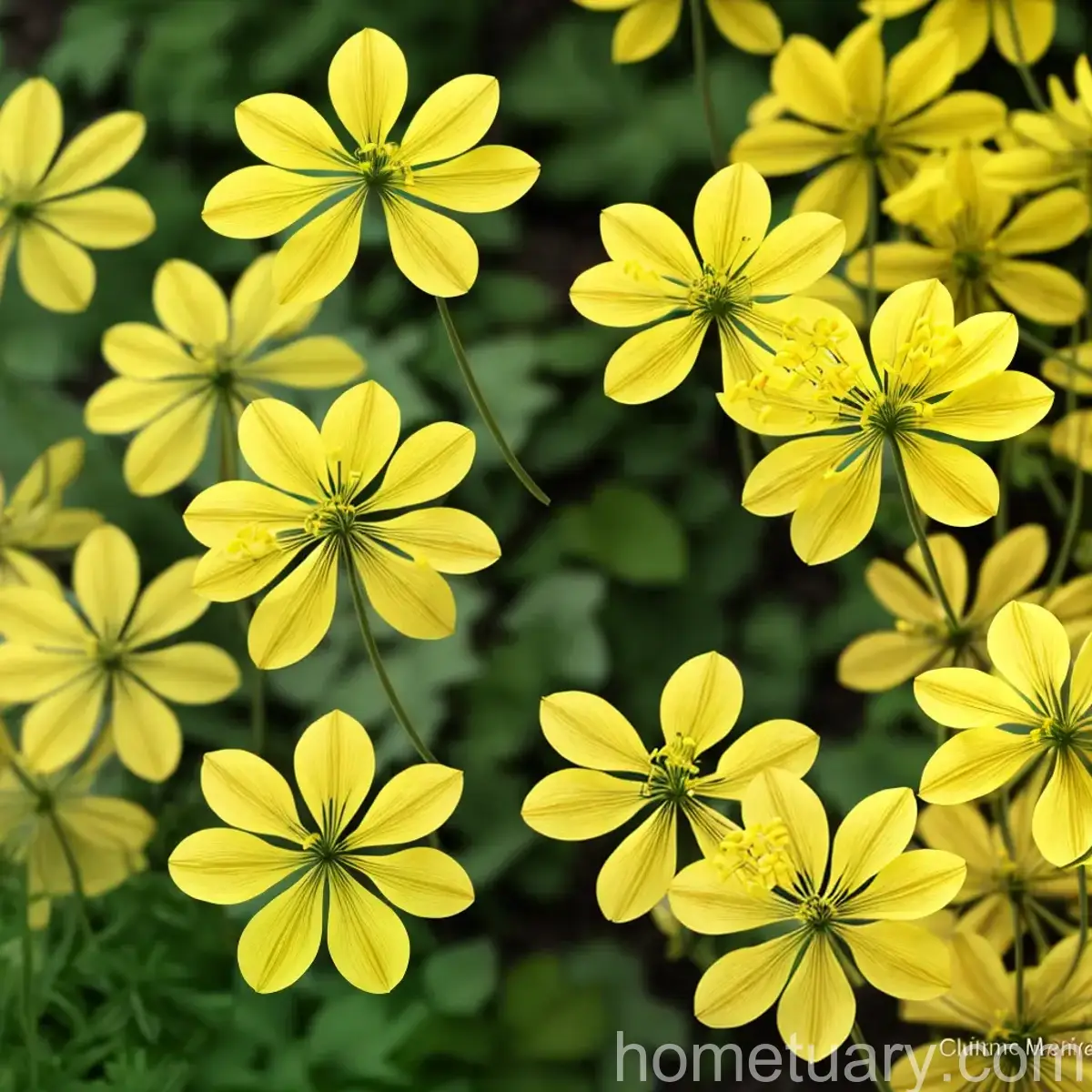
Yellow Meadow Rue (Thalictrum flavum ‘Illuminator’)
Yellow meadow rue, scientifically known as Thalictrum flavum ‘Illuminator’, is a striking perennial that adds beauty and elegance to gardens. With its delicate yellow flowers and attractive foliage, this plant is a popular choice for gardeners looking to add a touch of charm to their landscapes. In this comprehensive guide, we will explore the key characteristics of yellow meadow rue, its cultural requirements, uses, care guidelines, common diseases, and much more.
What is Yellow Meadow Rue (Thalictrum flavum ‘Illuminator’)?
Yellow meadow rue, or Thalictrum flavum ‘Illuminator’, is a herbaceous perennial plant that belongs to the Ranunculaceae family. It is native to parts of Europe and Asia, where it can be found growing in moist meadows, open woodlands, and along streams and riverbanks. The plant is known for its feathery, fern-like foliage and its clusters of bright yellow flowers that add a cheerful touch to gardens.
Key Takeaways – Yellow Meadow Rue (Thalictrum flavum ‘Illuminator’)
Before delving into the specifics of growing and caring for yellow meadow rue, it’s essential to understand its key characteristics and takeaways. Let’s take a closer look at some important aspects of this plant:
- Scientific Name: Thalictrum flavum ‘Illuminator’
- Plant Type: Herbaceous perennial
- Flower Color: Yellow
- Foliage: Fern-like, green with a hint of chartreuse
- Growing Zones: 4-8
- Mature Height: 3-4 feet
- Sunlight: Partial to full sun
- Watering Needs: Average to consistently moist soil
- Soil Type: Well-draining, fertile soil
- Bloom Time: Late spring to early summer
- Uses: Borders, woodland gardens, naturalized areas
Now that we have an overview of what yellow meadow rue has to offer, let’s delve into the specifics of its culture, uses, and maintenance.
Culture
Understanding the cultural requirements of yellow meadow rue is crucial for successfully growing and caring for this plant. From sunlight and water needs to soil preferences, getting the culture right is essential for promoting healthy growth and abundant blooms.
Sunlight
Yellow meadow rue thrives in a partially shaded to fully sunny location. In regions with hot summers, providing the plant with some afternoon shade can help prevent its delicate foliage from scorching. The filtered light under deciduous trees or along the edges of woodlands makes an ideal setting for this plant.
Water
In terms of water requirements, yellow meadow rue prefers consistently moist soil. While it can tolerate short periods of dryness, it performs best when the soil is kept evenly moist. In warmer climates, regular watering, especially during dry spells, is essential to support healthy growth and flowering.
Soil
Yellow meadow rue flourishes in well-draining, fertile soil. Amending the soil with organic matter, such as compost or well-rotted manure, can improve its texture and fertility, providing an optimal environment for the plant’s roots to thrive. A slightly acidic to neutral pH range is suitable for this perennial.
Uses
The versatility of yellow meadow rue makes it a valuable addition to various garden settings. From its ornamental features to its ability to attract pollinators, this plant offers several uses that make it a favorite among gardeners and landscape designers.
-
Borders: The airy, lacy foliage and bright yellow flowers of yellow meadow rue make it an excellent choice for border plantings. It adds a soft, ethereal quality to the edge of garden beds and walkways.
-
Woodland Gardens: Due to its native habitat, yellow meadow rue is well-suited for woodland or naturalized gardens. Its delicate appearance complements the dappled light and naturalistic setting of these areas.
-
Pollinator Gardens: The nectar-rich flowers of yellow meadow rue attract bees, butterflies, and other pollinators, making it a valuable addition to pollinator-friendly landscapes.
Maintenance
Proper maintenance plays a vital role in ensuring the health and vigor of yellow meadow rue. From pruning to fertilizing, understanding the maintenance requirements of this plant is key to promoting its longevity and beauty in the garden.
Pruning
Pruning yellow meadow rue is primarily focused on removing spent flower stems and tidying up the plant. After the flowering period, the faded flower heads can be trimmed back to encourage neater growth and potentially a second flush of blooms. In late fall or early spring, any damaged or dead foliage can be cut back to make way for new growth.
Fertilizer
Applying a balanced, slow-release fertilizer in spring can provide the necessary nutrients for healthy growth and flowering. A granular fertilizer with an equal ratio of nitrogen, phosphorus, and potassium (such as 10-10-10) can be gently worked into the soil around the base of the plant. Alternatively, incorporating well-decomposed compost or organic matter into the soil in spring can serve as a natural source of nutrients.
Propagation
Yellow meadow rue can be propagated through division in early spring or fall. Dividing established clumps allows for the creation of new plants and can help rejuvenate the parent plant. By carefully lifting the root mass and separating it into smaller sections, each with viable roots and shoots, gardeners can propagate yellow meadow rue successfully.
Container Popularity
While yellow meadow rue is often grown in garden beds and borders, it can also thrive in containers under the right conditions. The ethereal quality of its foliage and the burst of yellow flowers make it an attractive choice for container gardening, particularly in shaded or partially shaded areas.
-
Container Size: Select a container with sufficient depth and width to accommodate the root system and allow for healthy growth. A 12- to 18-inch diameter container works well for a single plant.
-
Soil: Use a high-quality, well-draining potting mix that provides good aeration for the roots. Adding a small amount of compost to the mix can enhance the soil’s fertility.
-
Watering: Containers can dry out more quickly than garden soil, so it’s important to monitor the soil moisture regularly and water the plant when the top inch of the soil feels dry to the touch.
-
Sunlight: Place the container in a location that receives partial to full sun, ensuring that the plant gets the required amount of light for healthy growth and flowering.
Common Diseases
Yellow meadow rue is relatively resistant to many common plant diseases, but it can occasionally be affected by certain issues that impact its overall health and appearance. Being aware of potential diseases and their management is essential for maintaining the plant’s vitality.
Disease Diagnosis
While yellow meadow rue is generally robust, it can be susceptible to powdery mildew, a fungal disease that presents as a white, powdery coating on the leaves. Adequate air circulation and avoiding overhead watering can help prevent the development of this disease. If powdery mildew appears, applying a fungicidal spray labeled for powdery mildew control can help manage the issue.
Common Pests
In addition to being vulnerable to certain diseases, yellow meadow rue may encounter some common garden pests. Although infestations are typically rare, it’s important to be vigilant and take proactive measures to address any pest issues.
-
Aphids: These small, soft-bodied insects can cluster on the new growth of plants, sucking sap and causing distortion or stunted growth. Insecticidal soap or neem oil can be used to control aphid populations.
-
Leafhoppers: These agile pests can cause stippling or discoloration on the foliage as they feed. Insecticidal sprays labeled for leafhopper control can help manage infestations.
By regularly inspecting the plant and promptly addressing any pest issues, gardeners can help maintain the health and beauty of yellow meadow rue.
Botanist’s Tips
As a plant with notable ornamental and ecological value, yellow meadow rue offers several benefits and considerations that can enhance its presence in the garden. Botanists and plant enthusiasts may find the following tips helpful in cultivating and enjoying this attractive perennial.
-
Companion Plants: Pair yellow meadow rue with other shade-loving perennials such as hostas, ferns, and astilbes for a visually appealing and harmonious planting scheme.
-
Pollinator Support: By including yellow meadow rue in the garden, botanists can contribute to pollinator conservation efforts, as the plant’s flowers attract and support various beneficial insects.
-
Moisture Management: Paying attention to soil moisture levels is crucial, as yellow meadow rue is particularly sensitive to prolonged drought. Ensuring adequate hydration can help promote robust growth and flowering.
Fun Facts
Learning about the unique characteristics and interesting facts about yellow meadow rue can foster a deeper appreciation for this enchanting plant. Here are some fun and fascinating tidbits about Thalictrum flavum ‘Illuminator’:
-
Naturalized Beauty: Yellow meadow rue can self-seed and naturalize in suitable growing conditions, creating delightful drifts of foliage and flowers in the landscape.
-
Medicinal History: Some species of Thalictrum have been traditionally used for their medicinal properties, with roots and other plant parts utilized in herbal remedies for various ailments.
-
Wildlife Habitat: In addition to attracting pollinators, the airy structure of yellow meadow rue provides cover and nesting sites for small wildlife, contributing to biodiversity in the garden.
By exploring the captivating aspects and ecological roles of yellow meadow rue, botanists and garden enthusiasts can deepen their connection to this remarkable plant.
Links to External Resources
For further information on growing, caring for, and appreciating yellow meadow rue, consider exploring the following external resources:
- American Horticultural Society: Plants for Pollinators
- Royal Horticultural Society: Plant Selector
- The Morton Arboretum: Plant Clinic
In conclusion, yellow meadow rue, or Thalictrum flavum ‘Illuminator’, stands out as a captivating and valuable addition to gardens and naturalized areas. By understanding its culture, uses, maintenance requirements, and ecological significance, enthusiasts can cultivate a deeper appreciation for this delightful perennial.
Whether featured as a border plant, woodland garden highlight, or container specimen, yellow meadow rue lends its grace and allure to diverse garden settings, captivating the eye and supporting biodiversity in the process. With its delicate, fern-like foliage and cheerful yellow blooms, this herbaceous perennial holds a special place in the tapestry of ornamental and ecological plants, offering both visual beauty and ecological value to the landscape.