American Arborvitae (Thuja Occidentalis ‘Wareana Lutescens’)
What is plant: American arborvitae (Thuja occidentalis ‘Wareana Lutescens’) American arborvitae, scientifically known as Thuja occidentalis ‘Wareana.

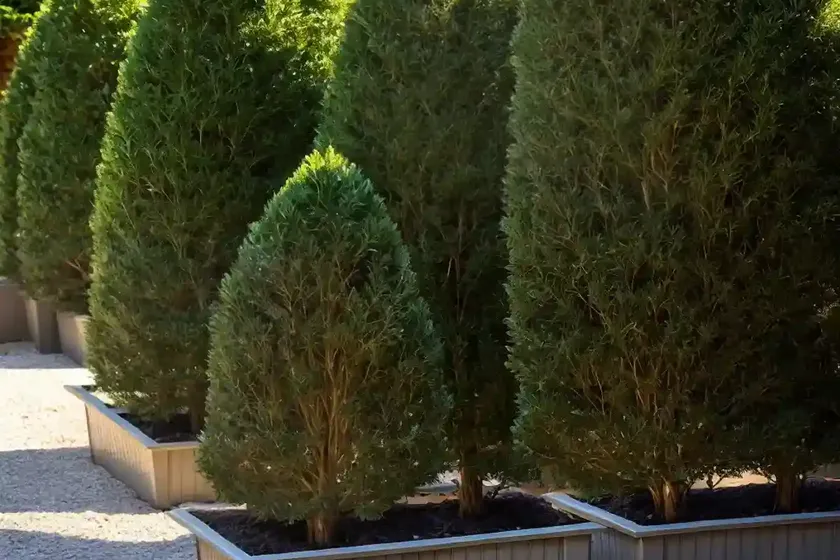

What is plant: American arborvitae (Thuja occidentalis ‘Wareana Lutescens’)
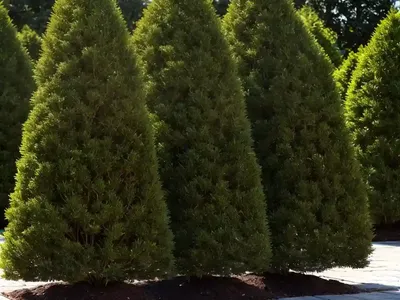
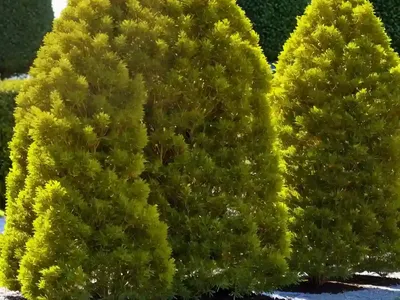
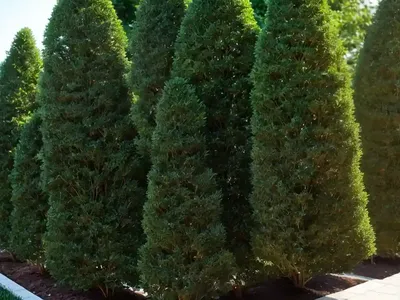
American arborvitae, scientifically known as Thuja occidentalis ‘Wareana Lutescens’, is a stunning, evergreen conifer that belongs to the cypress family (Cupressaceae). This variety of arborvitae is cherished for its graceful, fan-like foliage and its pyramidal or conical growth habit. It is a popular choice among landscape designers and homeowners for creating privacy screens, hedges, or as a beautiful standalone ornamental tree.
Natively found in North America, primarily in the northeastern and central regions of the United States and Canada, American arborvitae has earned its place as a beloved and versatile plant in various landscaping and gardening settings. The ‘Wareana Lutescens’ cultivar is particularly prized for its vibrant golden-yellow foliage, adding a bright pop of color to any garden or landscape.
Key Takeaways – American Arborvitae (Thuja occidentalis ‘Wareana Lutescens’)
- Scientific Name: Thuja occidentalis ‘Wareana Lutescens’
- Common Name: American Arborvitae
- Type: Evergreen conifer
- Notable Feature: Golden-yellow foliage
- Growth Habit: Pyramidal or conical
- Uses: Privacy screens, hedges, ornamental specimen
In this in-depth guide, we will delve into the essential aspects of caring for and cultivating American arborvitae, covering everything from its cultural requirements and maintenance to its potential uses in landscaping and common pests and diseases that may affect its health. Let’s embark on a journey to understand and appreciate the beauty and resilience of the American arborvitae.
Culture
To cultivate American arborvitae successfully, we must understand its specific cultural requirements, encompassing water, sunlight, fertilizer, soil, and pruning. Let’s explore each of these aspects in detail.
Water
American arborvitae thrives in moist soil and has moderate water needs. It is crucial to ensure adequate irrigation, especially during its initial establishment phase. Once established, it is relatively drought-tolerant, but regular watering is essential during dry periods to maintain its vibrant foliage and overall health.
When watering American arborvitae, it is advisable to provide deep, thorough irrigation to encourage the development of a robust root system. However, it’s important to avoid waterlogging, as excessive moisture can lead to root rot and other detrimental conditions.
Sunlight
In terms of sunlight requirements, American arborvitae flourishes in full sun to partial shade. When planted in a location with ample sunlight, it exhibits the best coloration and growth. However, it can also tolerate partial shade, making it a versatile choice for various lighting conditions in landscapes.
Fertilizer
Proper fertilization contributes to the healthy growth and development of American arborvitae. It is recommended to fertilize young arborvitae plants with a balanced, slow-release fertilizer to support their establishment and early growth. For mature specimens, an annual application of fertilizer in early spring can provide the necessary nutrients for vibrant foliage and robust growth.
When selecting a fertilizer, opt for a formula specifically designed for evergreen trees or shrubs to ensure that it meets the plant’s nutritional requirements. Additionally, always follow the manufacturer’s instructions regarding the application rates and methods.
Soil
American arborvitae thrives in well-draining, loamy soil with a slightly acidic to neutral pH level. It is essential to plant it in soil that offers good drainage to prevent waterlogged conditions, which can compromise the plant’s health. Conducting a soil test can be beneficial to determine the pH and nutrient levels, allowing for appropriate soil amendments if necessary.
When planting American arborvitae in containers, choose a high-quality, well-draining potting mix that provides adequate aeration for the roots. Regularly inspect the soil moisture levels in containers to ensure consistent but not excessive moisture for the plants.
Pruning
Pruning plays a crucial role in shaping and maintaining the desired form of American arborvitae. It is recommended to perform light pruning throughout the year to remove any dead, diseased, or damaged foliage. Additionally, shaping and thinning out the dense interior of the plant can promote better air circulation and sunlight penetration, contributing to overall plant health.
When conducting pruning activities, it is important to use sharp, clean pruning tools to make precise cuts without causing unnecessary damage to the plant. Avoid excessive or severe pruning, as this may lead to stress and affect the plant’s natural growth habit.
Propagation
American arborvitae can be propagated through various methods, including seed propagation, cuttings, and grafting. Each propagation technique offers unique advantages and challenges, and the choice of method often depends on the specific goals and resources available to the gardener. Let’s explore these propagation methods in detail.
Seed Propagation
Propagation from seeds is a viable method for generating new arborvitae plants, although it requires patience and time, as it typically involves a longer establishment period compared to other propagation techniques. To propagate American arborvitae from seeds, the following steps can be followed:
- Harvest mature cones containing the seeds from the parent tree during the fall.
- Extract the seeds from the cones and clean them to remove any debris or remnants of the cone.
- Store the seeds in a cool, dry place until the following spring, providing a stratification period to break dormancy.
- In early spring, sow the seeds in a prepared seed bed or containers filled with a well-draining, sterile growing medium.
- Keep the soil consistently moist and provide adequate sunlight to encourage germination and initial growth.
- Transplant the seedlings into individual containers or a designated nursery area once they have developed several sets of true leaves.
Seed propagation offers the advantage of producing genetic diversity, potentially leading to unique traits and characteristics in the resulting plants. However, it requires careful attention to the specifications of the parent plant and a longer timeline for achieving mature, landscape-ready specimens.
Cuttings
Propagation from cuttings is a popular and efficient method for reproducing American arborvitae, offering the potential to generate genetically identical plants to the parent specimen. Softwood cuttings, typically taken in late spring to early summer, are commonly used for propagating arborvitae. The following steps outline the process for propagating from cuttings:
- Select healthy, non-flowering shoots from the current season’s growth on the parent plant.
- Take 4 to 6-inch cuttings, making a clean, angled cut just below a node or leaf joint.
- Remove the lower set of leaves to expose the nodes where roots will develop.
- Dip the cut end of the cutting in a rooting hormone to promote root initiation.
- Plant the cuttings in a prepared rooting medium, such as a mix of perlite and peat moss, ensuring good contact between the cutting and the medium.
- Place the cuttings in a warm, humid environment with indirect light and maintain consistent moisture levels.
- Monitor the cuttings for root development, typically evident within several weeks to a few months, depending on environmental conditions and the vigor of the cuttings.
- Transplant the rooted cuttings into individual containers or a suitable growing area once they have established a healthy root system.
Propagation from cuttings enables the efficient production of numerous new plants with identical traits to the parent plant. It is a favored method for propagating specific cultivars or preserving the characteristics of exceptional specimens.
Grafting
Grafting is another method of propagating American arborvitae, often employed to combine the desirable traits of a selected cultivar with the vigorous root system of a related species or rootstock. This technique involves joining a scion, which carries the genetic material of the desired plant, with a compatible rootstock to create a new plant. The process of grafting includes the following key steps:
- Select a healthy, disease-free scion from the desired cultivar, typically with a diameter matching that of the rootstock.
- Prepare the scion by making a diagonal cut at the base and forming a matching cut on the rootstock.
- Join the scion and rootstock together, ensuring that the vascular tissues align for successful graft union formation.
- Secure the graft with grafting tape or a suitable binding material to hold the two components firmly in place.
- Protect the grafted area with grafting compound or wax to prevent desiccation and infection.
- Place the grafted plant in a protected environment with high humidity and stable conditions to promote healing and union between the scion and the rootstock.
- Monitor the grafted plant for signs of successful union, evidenced by new growth emerging from the scion.
Grafting offers the advantage of combining the strengths of different plant varieties, such as incorporating disease resistance or adapting to specific environmental conditions. It is a valuable technique for perpetuating exceptional cultivars and achieving consistent results in the production of new plants.
Container Popularity
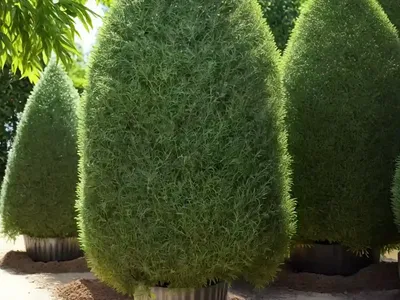
American arborvitae is also well-suited for container cultivation, providing an excellent option for individuals with limited garden space or those aiming to create portable greenery for patios, balconies, or other outdoor areas. When grown in containers, American arborvitae can serve as a striking focal point, a dynamic addition to mixed container gardens, or a versatile component in various landscaping designs.
The appeal of planting American arborvitae in containers includes its adaptability to different soil mixes, its manageable size for confined spaces, and its ornamental foliage that brings visual interest to any setting. Whether used as a solitary specimen or combined with other plants to compose captivating container arrangements, American arborvitae can thrive and delight in container gardens.
Container Care
When growing American arborvitae in containers, attention to specific care practices is essential to ensure the plant’s health and vitality. Consider the following guidelines for container cultivation:
- Pot Selection: Choose a large, sturdy container that allows ample space for root development and provides adequate drainage holes to prevent waterlogging.
- Growing Medium: Select a well-draining potting mix formulated for container plants, ensuring that it offers the necessary aeration and moisture retention properties.
- Watering: Monitor the soil moisture regularly and water the plant as needed to keep the soil consistently moist but not waterlogged.
- Fertilization: Apply a balanced, slow-release fertilizer designed for container plants according to the manufacturer’s recommendations.
- Sunlight: Position the container in a location that receives the appropriate amount of sunlight for the plant’s specific requirements, considering its tolerance for full sun to partial shade.
- Pruning: Conduct periodic pruning to maintain the desired shape and size of the plant, as well as to remove any dead or overcrowded foliage.
Common Diseases
American arborvitae is generally a resilient and robust plant, but it can be susceptible to certain diseases that may affect its overall health and appearance. Recognizing the symptoms of common diseases and implementing appropriate management strategies are crucial to safeguard the well-being of American arborvitae in the landscape. Let’s explore some of the prevalent diseases that may impact this exceptional coniferous species.
Disease Diagnosis
1. Cedar Apple Rust (Gymnosporangium juniperi-virginianae)
This fungal disease affects a range of plants, including American arborvitae and various apple and cedar species. Symptoms include the formation of orange or rust-colored spots on the foliage during wet weather conditions. To manage cedar apple rust, promoting good air circulation around the plant and removing infected plant material are essential preventive measures. Fungicidal treatments may be necessary in severe cases.
2. Arborvitae Needle Blight (Phyllosticta thujae and related fungi)
Needle blight diseases can cause browning, lesions, or tip dieback on the foliage of American arborvitae. Implementing proper sanitation, including the removal of infected foliage and promoting overall plant health through appropriate cultural practices, is vital in managing needle blight. Fungicidal treatments may be warranted to control severe infections.
3. Canker Diseases (Various fungal pathogens)
Canker diseases can lead to the formation of sunken, discolored areas on the branches or trunk of American arborvitae, potentially causing dieback and weakness in the affected areas. Pruning out infected branches and maintaining good plant vigor through regular watering and fertilization can aid in preventing and managing canker diseases.
4. Root Rot (Various fungal pathogens)
Excessive soil moisture and poor drainage can contribute to the development of root rot in American arborvitae. Symptoms include wilting, browning of foliage, and overall decline of the plant. Improving soil drainage, avoiding over-watering, and planting in well-draining soil are crucial preventative measures for managing root rot.
Understanding the signs and symptoms of these common diseases enables timely intervention and effective management to uphold the vitality and beauty of American arborvitae in the landscape.
Common Pests
While American arborvitae is typically resistant to many pests, several insect species can potentially infest the plant and cause damage if left unchecked. Keeping a watchful eye on the plant and promptly addressing pest issues through appropriate control measures is essential to mitigate potential harm. Let’s delve into some of the common pests that may affect American arborvitae.
Pest Identification
1. Bagworms (Thyridopteryx ephemeraeformis)
Bagworms are known to construct distinctive spindle-shaped bags on the foliage of various trees and shrubs, including arborvitae. These caterpillars feed on the foliage, potentially causing significant defoliation if present in large numbers. Manual removal of the bags and the caterpillars, as well as applying insecticides at the appropriate timing, can help manage bagworm infestations.
2. Spider Mites (Family Tetranychidae)
Spider mites are tiny arachnids that can infest the foliage of arborvitae, creating fine webbing and causing stippling or discoloration of the leaves. Regularly spraying the foliage with a strong stream of water can help reduce mite populations, while horticultural oils or insecticidal soaps may be utilized for controlling severe infestations.
3. Scale Insects (Superfamily Coccoidea)
Scale insects are known to infest the stems and foliage of various plants, including arborvitae, leading to weakened growth and potential dieback. Managing scale insects may involve physical removal, horticultural oils, or insecticidal treatments, tailored to the specific life stage and species of the scales.
4. Borers (Various Families)
Borers, including species such as the cedar bark beetle and clearwing moth larvae, can infest and tunnel into the wood of arborvitae, compromising the structural integrity of the plant. Pruning out infested branches and maintaining good plant vigor are essential management practices to prevent and address borers in American arborvitae.
Vigilance and proactive pest management measures are integral in preserving the health and appearance of American arborvitae, ensuring its continued elegance and vitality in the landscape.
Botanist’s Tips
As a botanist with a deep appreciation for American arborvitae, I have gathered a few invaluable tips to maximize the success and beauty of this remarkable plant in various horticultural endeavors. These tips encompass essential insights into American arborvitae care and cultivation, emphasizing the key practices and considerations that contribute to its thriving presence in landscapes and gardens.
Botanist’s Recommendations
-
Site Selection: When selecting a location for planting American arborvitae, consider the specific sunlight and moisture requirements of the plant. Ensuring an appropriate site with well-draining soil and suitable exposure to sunlight can foster the optimal growth and vibrancy of the plant.
-
Planting Density: Pay attention to the recommended spacing for American arborvitae, particularly when using it as a hedge or privacy screen. Providing sufficient space between individual plants facilitates healthy airflow and contributes to the development of full, robust specimens.
-
Monitoring Soil Moisture: Regularly monitor soil moisture levels, especially during dry periods, and adjust the watering frequency as needed to maintain consistent but not excessive moisture for the plant.
-
Mulching Benefits: Apply a layer of organic mulch around the base of American arborvitae to conserve soil moisture, suppress weed growth, and provide insulation to the roots, contributing to overall plant health and vigor.
-
Winter Protection: In regions with harsh winter conditions, consider protecting vulnerable arborvitae plants from heavy snow accumulation and strong winds to minimize potential damage to the foliage and branches.
-
Seasonal Pruning: Conscientiously conduct seasonal pruning to shape the plant, remove any dead or damaged foliage, and encourage desirable growth, bearing in mind the appropriate timing and techniques for successful pruning.
-
Regular Inspection: Routinely inspect American arborvitae plants for signs of pests, diseases, or environmental stress, intervening promptly to address any issues and safeguard the plant’s well-being.
By integrating these insights into the care and cultivation of American arborvitae, gardeners and landscapers can nurture thriving, captivating specimens that enrich the natural beauty of their outdoor spaces.
Fun Facts
Unveiling the intriguing aspects and captivating features of American arborvitae adds depth to our understanding and appreciation of this exceptional plant. Let’s delve into some fascinating fun facts about American arborvitae, shedding light on its distinctive qualities and its role in various cultural and horticultural contexts.
Fascinating Discoveries
-
Symbolic Significance: American arborvitae holds symbolic significance in Native American culture, where it is revered as a sacred tree and is utilized in various traditional ceremonies and medicinal practices.
-
Historical Utilization: The durable wood of arborvitae has historical significance, as Native American tribes and early European settlers employed it for crafting canoes, shelter construction, and medicinal remedies.
-
Wildlife Habitat: American arborvitae serves as a valuable habitat tree, providing cover, nesting sites, and food sources for a variety of wildlife, including birds, small mammals, and insects.
-
Traditional Medicine: Extracts from the leaves and bark of arborvitae have been utilized in traditional medicine for their potential therapeutic properties, including as a remedy for respiratory ailments and skin conditions.
-
Botanical Name Meaning: The botanical name Thuja is derived from the Greek word thuo, meaning “to sacrifice,” signifying the plant’s historic use in religious and ceremonial contexts.
-
Majestic Specimens: Notable American arborvitae trees, some exceeding centuries in age, can be found in historic landscapes, botanical gardens, and arboreta, showcasing the enduring beauty and longevity of this species.
Embracing these fun facts deepens our admiration for American arborvitae, highlighting its rich heritage, ecological significance, and inherent allure as a captivating botanical treasure.
Links to External Resources
For further exploration and in-depth understanding of American arborvitae (Thuja occidentalis ‘Wareana Lutescens’), the following external resources offer valuable insights, practical guidance, and captivating perspectives on this exceptional plant:
- American Horticultural Society – The American Horticultural Society’s website provides comprehensive information on American arborvitae, including cultivation tips, landscaping ideas, and plant care resources.
2