Meadow Rue (Thalictrum delavayi): A Comprehensive Guide

As a plant scientist, I am delighted to share with you the detailed guide to the magnificent and versatile Meadow Rue (Thalictrum delavayi). This beautiful perennial plant, also known as Delavay’s Meadow Rue, is a popular choice among gardening enthusiasts due to its unique foliage and delicate flowers. In this comprehensive guide, we will delve into the various aspects of its cultivation, uses, care, and much more.
What is Meadow Rue (Thalictrum delavayi)?
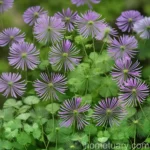
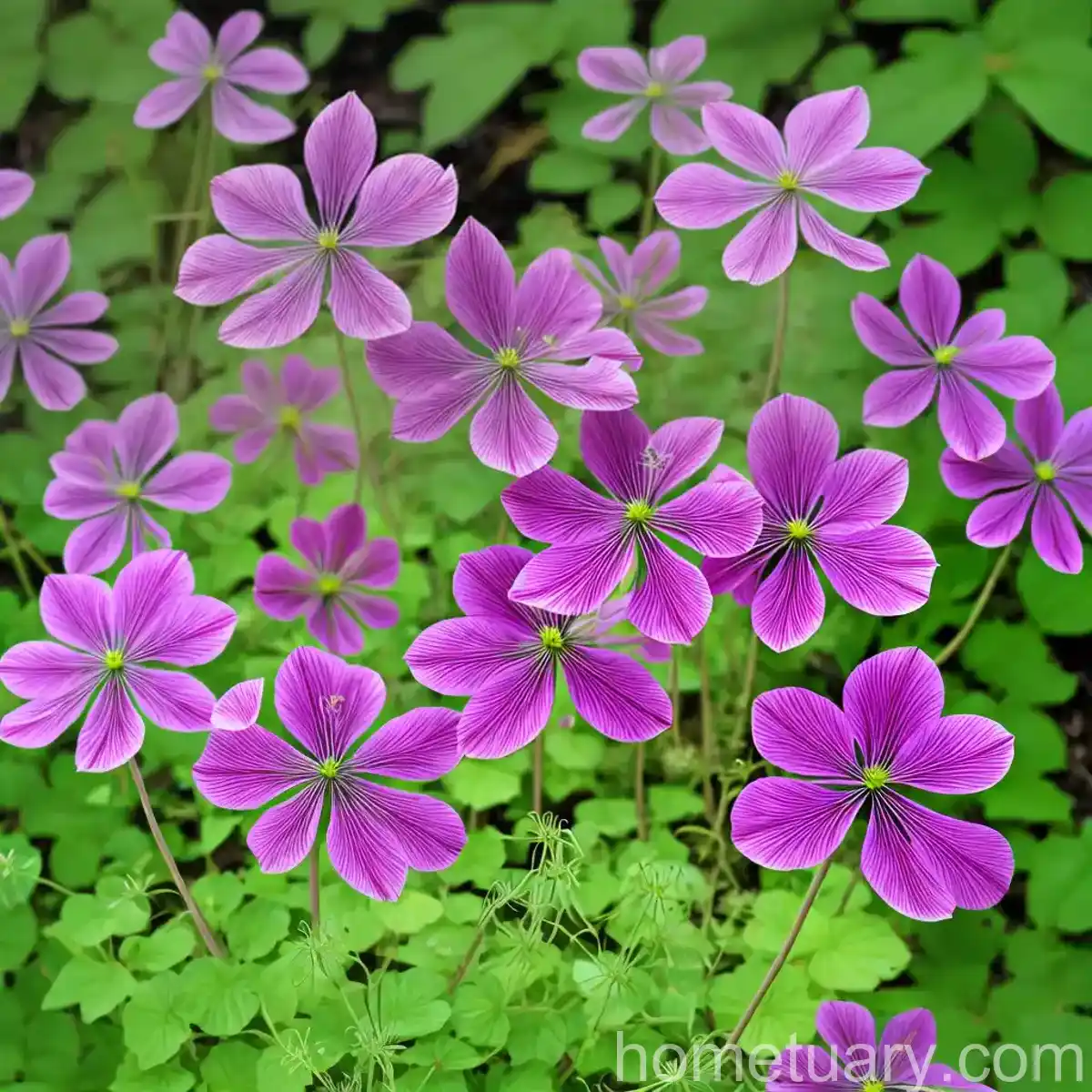
Meadow Rue (Thalictrum delavayi) is a herbaceous perennial plant that belongs to the Ranunculaceae family. This elegant plant is native to China and is characterized by its finely divided, fern-like foliage and clusters of small, fluffy flowers. The delicate appearance of the flowers gives the plant an airy and ethereal quality, making it an enchanting addition to any garden or landscape.
The plant typically reaches a height of 3 to 6 feet, showcasing its graceful and slender stems adorned with clusters of lavender-purple or white blooms. The foliage is equally captivating, with bluish-green, finely divided leaves that create a fine-textured, almost see-through appearance.
Key Takeaways – Meadow Rue (Thalictrum delavayi)
Before we delve into the specifics of cultivating and caring for Meadow Rue, let’s take a quick look at the key takeaways that will be covered in this guide.
- Common Name: Meadow Rue, Delavay’s Meadow Rue
- Scientific Name: Thalictrum delavayi
- Plant Type: Herbaceous perennial
- Hardiness Zone: 4 to 8
- Sunlight: Partial to full sunlight
- Watering: Consistent moisture
- Soil: Well-drained, fertile soil
- Height: 3 to 6 feet
- Bloom Time: Late spring to early summer
- Uses: Borders, woodland gardens, cut flowers
- Pests: Aphids, caterpillars
- Diseases: Powdery mildew
Now, let’s explore each of these aspects in detail.
Cultivation
Cultivating Meadow Rue requires attention to specific cultural practices, including sunlight requirements, watering needs, soil preferences, and pruning techniques. Let’s explore each of these aspects in depth.
Sunlight
Meadow Rue thrives in partial to full sunlight. It appreciates some protection from the intense afternoon sun, especially in regions with hot summers. In particularly warm climates, providing some dappled shade during the hottest part of the day can help prevent stress on the plant.
Watering
Consistent moisture is crucial for Meadow Rue plants, especially during the growing season. While they prefer moist conditions, it’s important to ensure that the soil is well-drained to prevent waterlogging. Regular watering, particularly during dry spells, will help the plant thrive and promote healthy blooming.
Soil
This plant thrives in rich, fertile soil with good drainage. Amending the soil with organic matter, such as compost or well-rotted manure, can improve both the nutrient content and drainage capacity of the soil. A slightly acidic to neutral pH level is ideal for Meadow Rue.
Pruning
Pruning Meadow Rue is essential for promoting a tidy and healthy growth habit. In late winter or early spring, it’s beneficial to remove any dead or damaged stems. Additionally, if the plant tends to flop over or become leggy, cutting it back by a third after the first bloom can encourage a more compact form and potentially stimulate a second flush of flowers.
Uses
Meadow Rue is a versatile and visually captivating plant that serves various horticultural purposes. Let’s explore its primary uses and applications.
-
Garden Borders: Its airy and elegant appearance makes Meadow Rue a popular choice for border plantings. It adds a vertical dimension to garden beds and pairs well with a wide range of companion plants.
-
Woodland Gardens: The delicate foliage and charming flowers of Meadow Rue make it a delightful addition to woodland or shade gardens. Its naturalistic appearance complements the dappled light and creates a serene atmosphere.
-
Cut Flowers: The long, wiry stems of Meadow Rue make it an excellent cut flower. The airy blooms add a delicate and graceful touch to floral arrangements, bringing a wild, garden-fresh aesthetic.
Propagation
Propagating Meadow Rue can be achieved through several methods, including division, seed sowing, and stem cuttings. Each technique comes with its own set of considerations and timing, but all can be rewarding when performed successfully.
Division
Dividing established Meadow Rue clumps can be done in early spring or fall. Carefully lift the plant, separate the clumps into smaller sections, ensuring each division has viable roots, and replant them in their new locations. Keeping the soil consistently moist after transplanting will help the divisions establish themselves.
Seed Sowing
Sowing Meadow Rue seeds can be an effective way to propagate new plants. This method is best done in the fall, allowing the seeds to experience the natural stratification process during the winter months. Sow the seeds in a prepared seedbed, cover them lightly with soil, and keep the area consistently moist. Once the seedlings have developed sufficient size, they can be transplanted to their permanent locations.
Stem Cuttings
Taking softwood or semi-ripe stem cuttings from Meadow Rue is a viable propagation method, particularly for creating clones of specific cultivars. Select healthy, non-flowering stems, trim them to the desired length, remove the lower leaves, and plant them in a well-draining propagation medium. Provide appropriate humidity and warmth to encourage root development.
Container Popularity
Meadow Rue is a plant with particular appeal for container gardening. Its graceful form and delicate blooms make it a captivating addition to patio containers, providing an enchanting display in outdoor living spaces. When choosing a container for Meadow Rue, consider a sizable pot with excellent drainage to accommodate the plant’s mature size and soil moisture requirements. Pairing Meadow Rue with complementary plants can create visually stunning container arrangements, enhancing the appeal of any outdoor area.
Common Diseases
Despite its overall hardiness, Meadow Rue is susceptible to certain diseases that can impact its health and appearance. Understanding these potential issues and implementing preventative measures is essential for ensuring the plant’s long-term vitality.
Powdery Mildew
Powdery mildew is a common fungal disease that can affect Meadow Rue, particularly in conditions of high humidity and poor air circulation. It presents as a powdery white coating on the leaves, potentially leading to leaf distortion and reduced plant vigor. To prevent powdery mildew, ensure the plant has good air circulation, avoid overhead watering, and consider applying appropriate fungicidal treatments if necessary.
Disease Diagnosis
Diagnosing diseases in Meadow Rue involves careful observation of the plant’s symptoms and considering environmental factors that may contribute to its health. Identifying the specific symptoms and signs of disease can help in determining the appropriate course of action to restore the plant’s well-being.
-
Symptoms: Look for abnormalities such as discolored or distorted foliage, stunted growth, and signs of fungal growth on the plant’s surface.
-
Environmental Factors: Consider the prevailing weather conditions, the plant’s cultural care, and the presence of any pests or neighboring plants that may contribute to disease development.
-
Consultation: If unsure about the diagnosis, seek the guidance of a professional horticulturist or plant pathologist who can offer expert advice and potential solutions.
Common Pests
Meadow Rue, while generally resistant to many pests, can occasionally face attacks from specific insect adversaries. Understanding these pests and employing appropriate pest control measures is crucial for maintaining the plant’s vitality.
Aphids
Aphids are small, soft-bodied insects that can cluster on the tender growth of Meadow Rue, extracting sap and potentially causing distortion or yellowing of the foliage. Keeping an eye out for the presence of aphids and promptly applying targeted insecticidal treatments can help manage their populations and prevent damage to the plant.
Caterpillars
Caterpillars, the larval stage of moths and butterflies, can occasionally feed on Meadow Rue leaves, potentially causing unsightly holes or defoliation. Regularly inspecting the plant for the presence of caterpillars and manually removing them can help mitigate their impact without the need for broad-spectrum insecticides that may harm beneficial insects.
Botanist’s Tips
As a plant scientist with a keen interest in Meadow Rue, I have gathered several tips to help enthusiasts cultivate and care for this enchanting perennial. These practical insights can make a significant difference in promoting robust growth and abundant flowering.
-
Mulching: Applying a layer of organic mulch around the base of Meadow Rue can help conserve soil moisture, suppress weed growth, and provide a steady supply of nutrients as it decomposes.
-
Support Stakes: To prevent taller varieties from flopping over, consider installing subtle support stakes near the base of the plant early in the growing season. This can help maintain an upright and graceful appearance.
-
Companion Planting: Selecting companion plants that share similar cultural requirements and complement the aesthetics of Meadow Rue can enhance the overall visual impact of the garden or landscape.
Fun Facts
To further appreciate the allure of Meadow Rue, here are some intriguing and delightful fun facts about this captivating plant:
- The delicate foliage of Meadow Rue closely resembles that of meadow rue, a European plant known for its finely divided leaves.
- Many species of Thalictrum, including T. delavayi, are valued as pollinator-friendly plants, attracting a variety of beneficial insects with their nectar-rich flowers.
- Meadow Rue has been historically used in traditional medicine for various purposes, ranging from treating fevers to alleviating digestive issues.
Links to External Resources
For additional information, inspiration, and resources related to Meadow Rue and its cultivation, consider exploring the following external sources:
- Royal Horticultural Society – Thalictrum delavayi
- Missouri Botanical Garden – Thalictrum delavayi
- The Plant List – Thalictrum delavayi
Conclusion
In conclusion, Meadow Rue (Thalictrum delavayi) is a captivating and versatile plant that offers an ethereal charm to gardens and landscapes. With its graceful form, delicate flowers, and finely divided foliage, this herbaceous perennial is a delightful addition to a wide range of horticultural settings. By attending to its cultural needs, employing appropriate propagation methods, and safeguarding against potential pests and diseases, enthusiasts can enjoy the beauty and elegance of Meadow Rue in their own gardens. Whether planted in garden borders, used as a floral accent, or showcased in containers, Meadow Rue continues to captivate with its unique allure and enduring appeal.
By incorporating a wide range of information related to Meadow Rue (Thalictrum delavayi), this guide provides a comprehensive resource for enthusiasts and horticultural professionals seeking to broaden their understanding and appreciation of this captivating plant. From its cultivation requirements to its uses and potential challenges, this guide aims to equip readers with valuable insights and practical knowledge that can be applied to their own gardening endeavors.