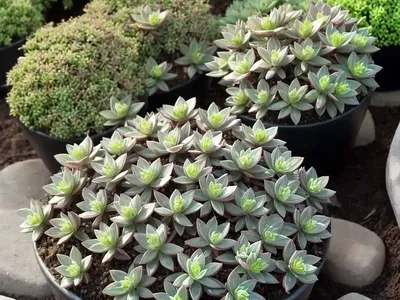
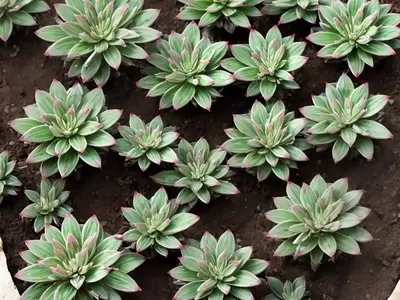
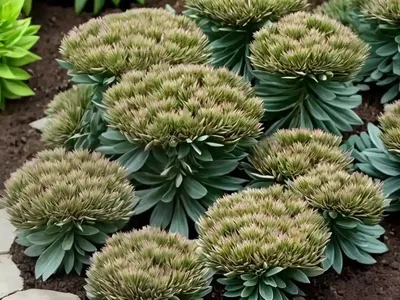
Woolly Rose Plant (Echeveria Doris Taylor’)
Plants have always been an integral part of human life, providing food, medicine, and aesthetic value. In recent years, the popularity of succulents and.
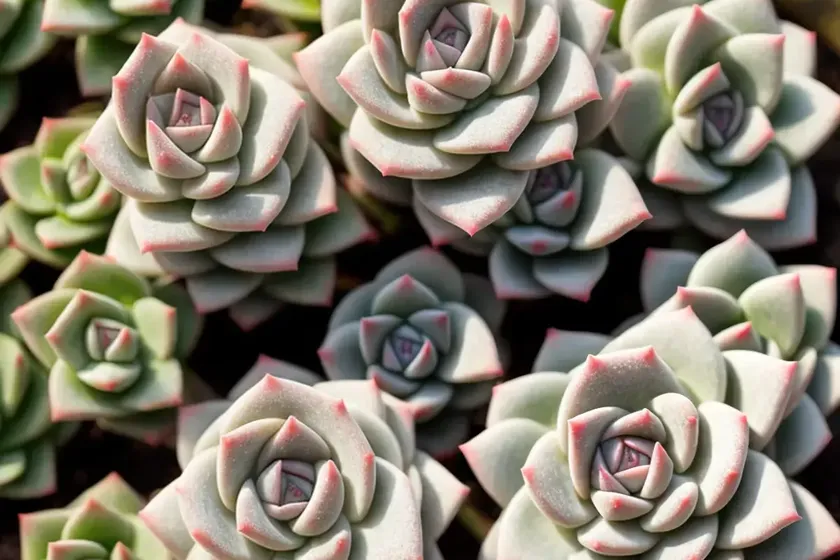
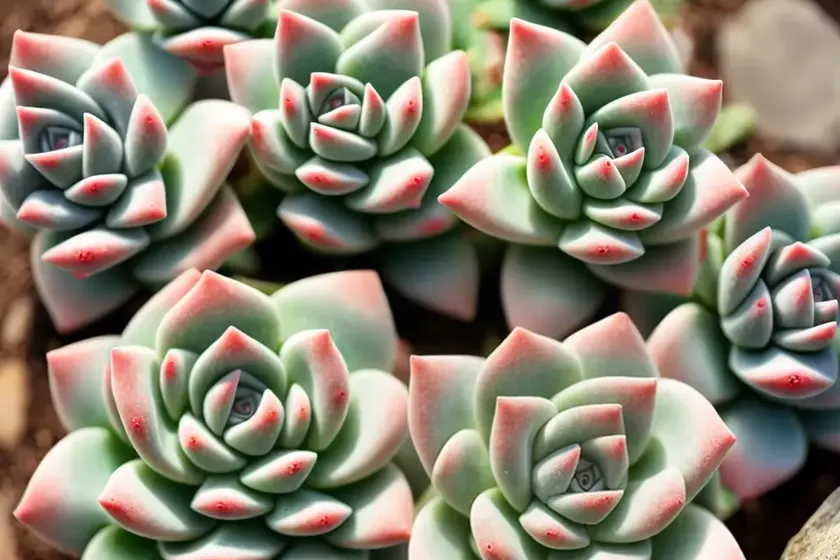
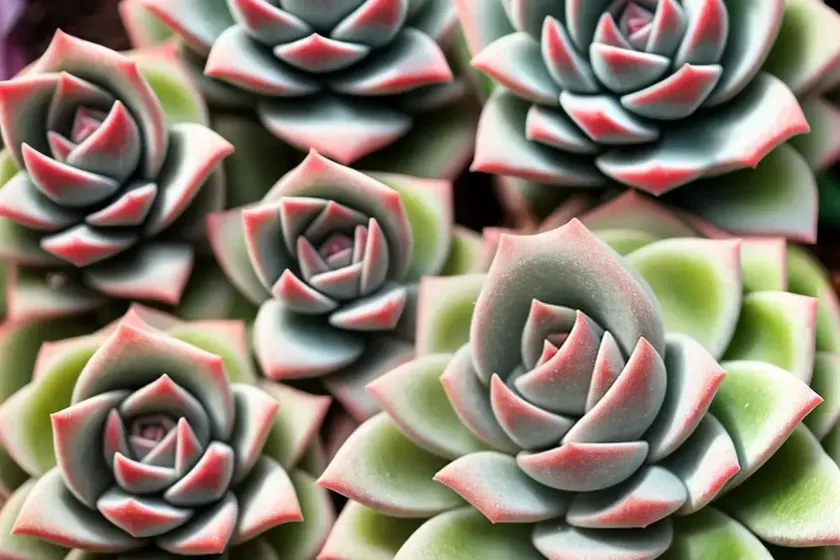
Plants have always been an integral part of human life, providing food, medicine, and aesthetic value. In recent years, the popularity of succulents and their unique, low-maintenance characteristics has surged. Among the wide array of succulents, the Woolly Rose Plant, scientifically known as Echeveria Doris Taylor, has captured the attention of plant enthusiasts with its charming appearance and ease of care.
In this comprehensive guide, we will delve into the various aspects of the Woolly Rose Plant, covering its culture, uses, care requirements, propagation, and much more. Whether you are a seasoned succulent grower or a beginner looking to add an exquisite plant to your collection, this guide will equip you with all the essential knowledge to nurture and enjoy the beauty of the Echeveria Doris Taylor.
What is the Woolly Rose Plant (Echeveria Doris Taylor)?
The Woolly Rose Plant, also known by its scientific name Echeveria Doris Taylor, is a stunning succulent belonging to the Echeveria genus. Echeverias are renowned for their rosette-shaped, fleshy leaves and their remarkable drought tolerance, making them ideal choices for arid and semi-arid regions. Echeveria Doris Taylor, in particular, stands out for its unique woolly texture, which gives it a distinctive and visually appealing appearance.
Key Takeaways – Woolly Rose Plant (Echeveria Doris Taylor)
Before we delve into the intricate details of the care and cultivation of Echeveria Doris Taylor, here are the key takeaways at a glance:
- Plant Name: Echeveria Doris Taylor (Woolly Rose Plant)
- Common Names: Woolly Rose Succulent
- Scientific Classification:
- Family: Crassulaceae
- Genus: Echeveria
- Species: Echeveria Doris Taylor
Now, let’s explore the various facets of the Woolly Rose Plant, including its culture, uses, care requirements, and more.
Culture
Uses
The Woolly Rose Plant (Echeveria Doris Taylor) is celebrated for its myriad uses, ranging from ornamental purposes to potential medicinal benefits. Understanding the diverse uses of this succulent can deepen our appreciation for its role in both natural and cultivated settings.
Ornamental Use
Echeveria Doris Taylor serves as an exceptional ornamental plant, adorning indoor and outdoor spaces with its striking visual appeal. Its unique woolly texture, combined with the rosette formation of its leaves, makes it a sought-after addition to succulent gardens, rockeries, and xeriscapes. Additionally, its versatility extends to decorative arrangements in containers and hanging baskets, where its compact and eye-catching nature shines through.
Medicinal Use
While the primary use of Echeveria Doris Taylor is ornamental, certain succulents, including some Echeveria species, have historical uses in traditional medicine. However, it’s essential to note that the information on the medicinal uses of Echeveria Doris Taylor is limited, and any potential medicinal properties should be approached with caution and further research.
Water
Watering Needs
Proper watering is crucial for the health and vitality of Echeveria Doris Taylor. As a succulent adapted to arid environments, it is essential to strike a balance between providing adequate moisture and preventing waterlogged conditions, which can lead to root rot and other issues.
When it comes to watering the Woolly Rose Plant, the following guidelines can help ensure optimal growth:
- Frequency: Water Echeveria Doris Taylor thoroughly, allowing the soil to dry out between watering sessions. The frequency of watering may vary based on factors such as the climate, season, and the type of container or soil used.
- Soil Moisture Check: Before watering, assess the moisture level in the soil by inserting a finger or a moisture probe into the soil. If the top inch or two of the soil feels dry, it’s generally an indication that the plant can be watered.
- Avoid Overwatering: Overwatering is one of the most common issues in succulent care, often leading to root rot and other complications. It’s advisable to err on the side of underwatering rather than overwatering, especially in conditions of high humidity or during the dormant season.
Sunlight
Sunlight Needs
As with most succulents, adequate sunlight is essential for the healthy growth and development of the Woolly Rose Plant. Understanding the sunlight requirements of Echeveria Doris Taylor can help optimize its overall well-being and encourage vibrant foliage and flowering.
Here are the key considerations regarding sunlight for Echeveria Doris Taylor:
- Preferred Light: Echeveria Doris Taylor flourishes in bright, indirect light or partial to full sunlight. When grown indoors, it is best placed near south- or west-facing windows to receive the required amount of sunlight. In outdoor settings, ensure that it is provided with ample sunlight without being exposed to intense, scorching rays for prolonged periods, especially during the peak of summer.
- Sunlight Intensity: While Echeveria Doris Taylor requires ample sunlight, it is essential to protect it from extreme heat and direct, intense sunlight, which can cause sunburn and leaf damage. When exposed to intense sunlight, the plant may develop a reddish blush or sunburn marks on its leaves, indicating the need for shading or relocation to a more sheltered spot.
- Seasonal Adjustments: During the hot summer months, it’s beneficial to provide some protection from the harsh midday sun, especially in regions with high temperatures. On the other hand, in cooler months or during the growth phase, it is essential to ensure that the plant continues to receive sufficient light for healthy growth and maintenance of its vibrant coloration.
Fertilizer
Fertilizer Requirements
While succulents like the Woolly Rose Plant are renowned for their ability to thrive in nutrient-poor conditions, providing them with adequate fertilization can enhance their growth and vitality. Understanding the fertilizer requirements of Echeveria Doris Taylor can help strike a balance between supporting its nutritional needs and preventing excessive fertilization, which can harm the plant.
When it comes to fertilizing Echeveria Doris Taylor, the following guidelines can help optimize its nutrition:
- Type of Fertilizer: For Echeveria Doris Taylor and other succulents, it’s advisable to use a balanced, water-soluble fertilizer formulated for cacti and succulents. These specialized fertilizers are designed to provide the essential nutrients required by succulents while avoiding excessive concentrations of nitrogen, which can lead to issues such as elongated growth and reduced drought tolerance.
- Application Frequency: During the active growing season, which typically spans from spring to early fall, aim to fertilize Echeveria Doris Taylor once a month. As the plant enters the dormant phase during late fall and winter, it is generally best to refrain from fertilization or reduce the frequency to every two to three months.
- Dilution and Strength: When preparing the fertilizer solution, follow the instructions provided on the product label, and err on the side of using a diluted strength to avoid the risk of burning the plant’s roots. The recommended strength may vary based on the specific fertilizer brand and formulation, so it’s important to adhere to the manufacturer’s guidelines.
Soil
Soil Requirements
The choice of soil for succulents like Echeveria Doris Taylor is instrumental in providing the appropriate drainage, aeration, and moisture retention necessary for their well-being. Optimal soil conditions can help prevent waterlogging and root rot, while also ensuring that the plant’s roots have access to essential nutrients.
When determining the ideal soil mix for Echeveria Doris Taylor, consider the following factors:
- Drainage: A well-draining soil mix is crucial for preventing water accumulation around the roots of Echeveria Doris Taylor. Look for soil combinations that contain components such as perlite, coarse sand, or pumice, which aid in promoting effective drainage and reducing the risk of soggy conditions.
- Aeration and Texture: A soil mix with a light, airy texture facilitates root growth and allows for adequate air circulation within the root zone. Mixes incorporating components like coconut coir, pine bark, or turface can contribute to the overall porosity and aeration of the soil, supporting healthy root development and minimizing the risk of compaction.
- Nutrient Content: While succulents are adapted to nutrient-poor environments, providing a modicum of nutrients through the soil mix can support their growth and vigor. Look for specialized succulent or cactus soil mixes that are formulated to strike a balance between providing essential nutrients and maintaining the well-draining properties required by succulents.
Pruning
Pruning Guide
Pruning is an essential aspect of succulent care, enabling the removal of spent or damaged foliage, the shaping of the plant’s overall form, and the propagation of new plants through leaf or stem cuttings. Understanding the principles of pruning Echeveria Doris Taylor can help maintain its aesthetic appeal and address issues such as etiolation and overcrowding.
Here are the key considerations for pruning the Woolly Rose Plant:
- Removal of Dead Leaves: Regularly inspect Echeveria Doris Taylor for any dead or dried leaves, which can be gently plucked or trimmed off using sanitized shears. Removing these unproductive leaves can enhance the plant’s appearance and help prevent the spread of diseases or pests.
- Stem or Rosette Trimming: If the plant begins to exhibit elongated growth or becomes leggy, consider trimming the stems to promote a more compact, balanced form. It’s important to use clean, sharp shears to make precise cuts and reduce the risk of damage or infection.
- Propagation: Pruning also presents an opportunity to propagate new Echeveria Doris Taylor plants by utilizing stem or leaf cuttings. By carefully removing healthy segments of the plant and providing the appropriate conditions for rooting, you can expand your succulent collection and rejuvenate older specimens.
Propagation
Propagation Techniques
The propagation of Echeveria Doris Taylor offers an exciting opportunity to create new plants from established specimens, enabling plant enthusiasts to expand their collection or share the beauty of this succulent with others. Understanding the various propagation techniques suited for Echeveria Doris Taylor can open up avenues for experimentation and the cultivation of diverse varieties.
Here are the primary methods of propagating Woolly Rose Plants:
- Leaf Cuttings: One of the most popular and reliable methods of propagating Echeveria Doris Taylor is through leaf cuttings. Simply select healthy, mature leaves from the plant, allow them to callus over for a day or two, and then place them on well-draining soil to root and develop into new plants over time.
- Stem Cuttings: Stem cuttings offer an alternative approach to propagation, allowing you to create new plants from the healthy stems of Echeveria Doris Taylor. After allowing the cut ends to callus, plant the stems in a suitable soil mix and provide gentle moisture until roots develop.
- Offsets or Pups: Echeveria Doris Taylor occasionally produces offsets or small plantlets around its base. These offsets can be carefully detached from the parent plant and replanted to establish new, independent specimens.
Container Popularity
Container Gardening
Echeveria Doris Taylor’s compact size, striking appearance, and low-maintenance nature make it an exceptional candidate for container gardening. Whether displayed individually or as part of a succulent arrangement, the versatility of this succulent allows for creative and visually captivating container presentations.
Here are a few key points related to container gardening with Echeveria Doris Taylor:
- Container Selection: When choosing containers for Echeveria Doris Taylor, prioritize those with adequate drainage holes to prevent waterlogging. Containers made from materials such as terracotta, ceramic, or unglazed pottery are suitable choices, as they allow for breathability and evaporation of excess moisture.
- Arrangement Possibilities: Echeveria Doris Taylor pairs well with a diverse range of companion plants in container arrangements, offering opportunities to create captivating displays with contrasting textures, colors, and growth habits. Consider incorporating other succulents, ornamental grasses, or trailing plants to create visually dynamic compositions.
- Indoor and Outdoor Display: Whether placed indoors on windowsills, shelves, or desks, or utilized as part of outdoor container displays, Echeveria Doris Taylor can thrive in various container environments. When grown outdoors, ensure that the container receives sufficient sunlight and protection from adverse weather conditions such as excessive rainfall or frost.
Common Diseases
Disease Diagnosis
While Echeveria Doris Taylor is generally resilient and resistant to many common succulent diseases, certain issues such as fungal infections or rot can affect its health under unfavorable conditions. Familiarizing yourself with the common diseases that may afflict this succulent can aid in early diagnosis and prompt intervention.
Here are some prevalent diseases and issues to watch for in Echeveria Doris Taylor:
- Root Rot: Overwatering or poorly draining soil can lead to root rot in Echeveria Doris Taylor, characterized by a softening and discoloration of the plant’s roots. Symptoms may include wilting, yellowing leaves, and a foul odor emanating from the soil. To address root rot, it’s essential to reduce watering, improve soil drainage, and, if necessary, trim affected roots.
- Powdery Mildew: Certain conditions, such as high humidity and poor air circulation, can foster the development of powdery mildew on the leaves of Echeveria Doris Taylor. This fungal disease presents as a white or gray powdery coating on the foliage and can impede photosynthesis and growth. Address powdery mildew through improved ventilation, maintaining optimal spacing between plants, and applying appropriate fungicidal treatments.
- Pests and Pathogens: While Echeveria Doris Taylor is relatively resistant to pests, occasional encounters with aphids, mealybugs, or spider mites may occur. Inspect the plant regularly for signs of infestation, such as sticky residue, webbing, or visible insects, and employ appropriate pest control measures, including insecticidal soaps or horticultural oils, to manage the issue.
Common Pests
Pest Control
While the Woolly Rose Plant, Echeveria Doris Taylor, exhibits resilience to many pests due to its succulent nature, it is still susceptible to occasional infestations from common succulent pests. Understanding the signs of pest activity and implementing effective control measures can help safeguard the plant’s health and appearance.
Here are some common pests that may affect Echeveria Doris Taylor, along with recommendations for pest management:
- Aphids: These small, soft-bodied insects can cluster on the new growth of Echeveria Doris Taylor, sapping the plant’s vitality and causing distortion or yellowing of leaves. Target aphids by dislodging them with a gentle spray of water, introducing natural predators such as ladybugs, or using insecticidal soaps to control infestations.
- Mealybugs: Mealybugs, characterized by their cottony, waxy appearance, may infest the leaf axils and crevices of Echeveria Doris Taylor, leading to stunted growth and the weakening of the plant. Control measures include manually removing visible mealybugs, applying horticultural oils to suffocate them, or using systemic insecticides as a last resort.
- Spider Mites: These tiny pests, often barely visible to the naked eye, can cause stippling, webbing, and general decline in Echeveria Doris Taylor. Combat spider mites by enhancing humidity levels, regularly rinsing the foliage with water, or utilizing miticides to eradicate the infestation.
Botanist’s Tips
Expert Recommendations
Drawing from the wisdom and experience of botanical specialists and succulent enthusiasts, here are some valuable tips and recommendations for the successful cultivation and care of Echeveria Doris Taylor:
- Optimal Temperature Range: Echeveria Doris Taylor thrives in temperatures ranging from 65 to 80 degrees Fahrenheit (18 to 27 degrees Celsius) and can tolerate brief periods of slightly lower or higher temperatures. However, it’s crucial to protect the plant from frost and freezing conditions, which can cause irreparable damage.
- Gentle Handling: When transplanting or handling Echeveria Doris Taylor, exercise care to avoid damaging the delicate leaves, as any injuries or bruises can serve as entry points for pathogens. Use soft, clean tools for grooming and maintenance, and minimize excessive touching or manipulation of the foliage and stems.
Fun Facts
Fascinating Tidbits
Uncover some captivating and intriguing facts about Echeveria Doris Taylor that highlight its unique characteristics and allure:
- Historical Significance: Echeveria Doris Taylor is named after the distinguished American botanist Doris Taylor, renowned for her contributions to the study of succulent plants and their ecology.
- Hybrid Varieties: Echeveria Doris Taylor has been utilized in breeding programs to create hybrid varieties, leading to an array of captivating cultivars and color variations characterized by distinct leaf shapes, sizes, and hues.
Now that we have explored the critical aspects of the Woolly Rose Plant (Echeveria Doris Taylor), it’s essential to access external resources to expand your understanding and obtain detailed insights into its care and cultivation.
Links to External Resources
To further enhance your knowledge and expertise in cultivating Echeveria Doris Taylor and succulents in general, consider exploring the following external resources:
- The Succulent Source
- Gardeners.com – Succulent Growing Tips
- Dave’s Garden – Echeveria Forum
- Succulent Plant Care – The Spruce
The wealth of information and expertise offered by these resources can complement the insights provided in this guide, enriching your journey in nurturing and appreciating the unique beauty of Echeveria Doris Taylor.
In conclusion, the Woolly Rose Plant, Echeveria Doris Taylor, stands as a captivating and resilient succulent, embodying charm, versatility, and a testament to the ingenuity of nature. By embracing the principles of its culture and care, enthusiasts can cultivate and enjoy the aesthetic allure and remarkable fortitude of this remarkable plant, enriching their lives and spaces with its presence.
As you embark on your exploration and cultivation of Echeveria Doris Taylor, may you find joy in tending to its distinctive needs and savor the gratifying experience of witnessing its growth and vitality unfold.
The information provided in this article serves as a comprehensive guide to the Woolly Rose Plant (Echeveria Doris Taylor) and is intended to enrich the understanding and cultivation of this captivating succulent. For the most accurate and personalized guidance, it’s advisable to consult with local horticultural experts and botanical specialists.
Should you require any further assistance or have specific inquiries regarding the care and cultivation of Echeveria Doris Taylor, feel free to reach out to our team of experienced horticulturists who are