Echeveria ‘Pearl Of Nurnberg’ (Echeveria ‘Perle Von Nuernberg’)
Echeveria ‘Pearl of Nurnberg,’ also known as Echeveria ‘Perle von Nuernberg,’ is a stunning succulent plant popular among gardeners and plant enthusiasts..
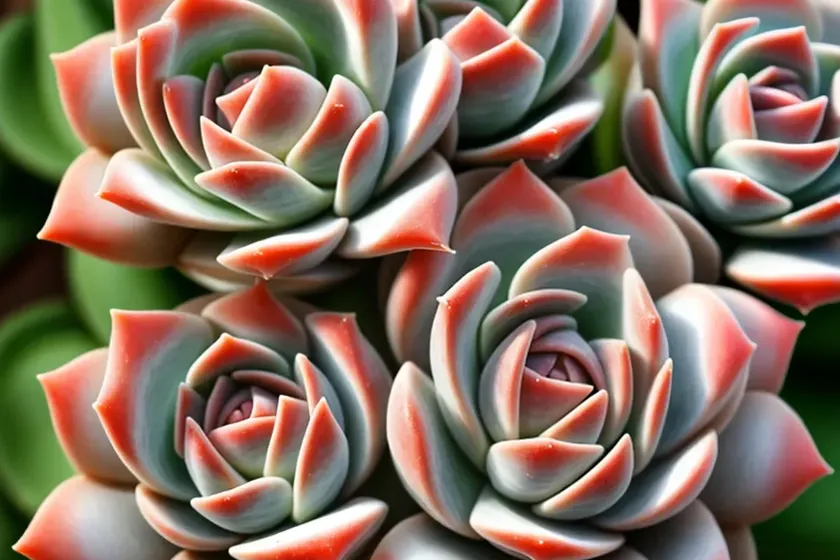
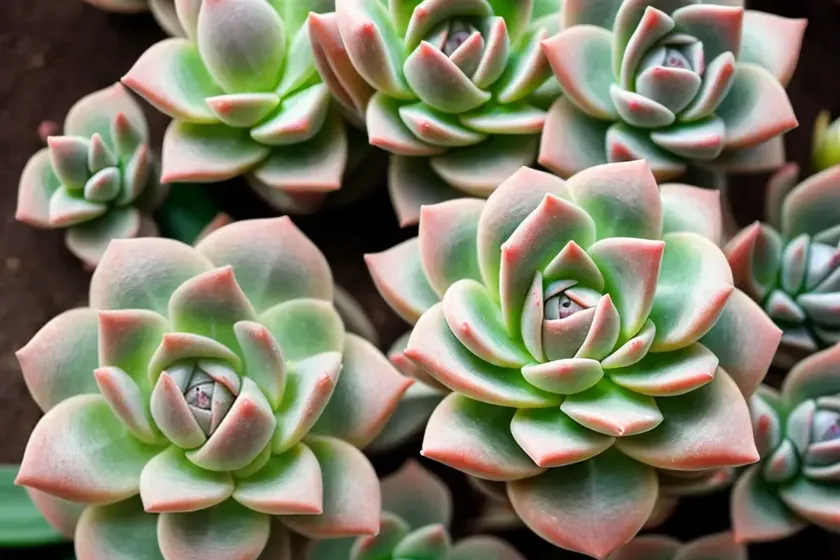
Echeveria ‘Pearl of Nurnberg,’ also known as Echeveria ‘Perle von Nuernberg,’ is a stunning succulent plant popular among gardeners and plant enthusiasts. Known for its exquisite rosettes and subtle coloration, this plant is a favorite choice for both indoor and outdoor settings. In this comprehensive care guide, we will delve into the various aspects of cultivating, maintaining, and enjoying the Echeveria ‘Pearl of Nurnberg’ to its fullest potential.
What is Echeveria ‘Pearl of Nurnberg’ (Echeveria ‘Perle von Nuernberg’)?
Echeveria ‘Pearl of Nurnberg’ is a hybrid succulent that belongs to the Crassulaceae family. This beautiful plant is a cross between Echeveria gibbiflora and Echeveria elegans, resulting in a stunning combination of characteristics from both parent species. The Echeveria genus, named after the 18th-century Mexican botanical artist Atanasio Echeverría y Godoy, comprises a wide variety of attractive succulents known for their distinct rosette shapes and vibrant foliage.
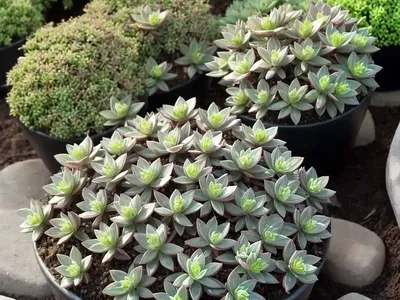
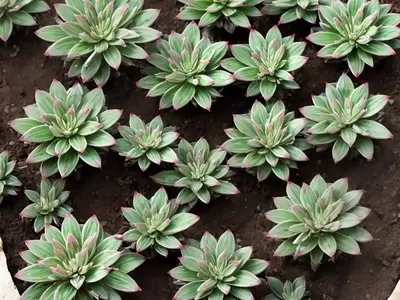
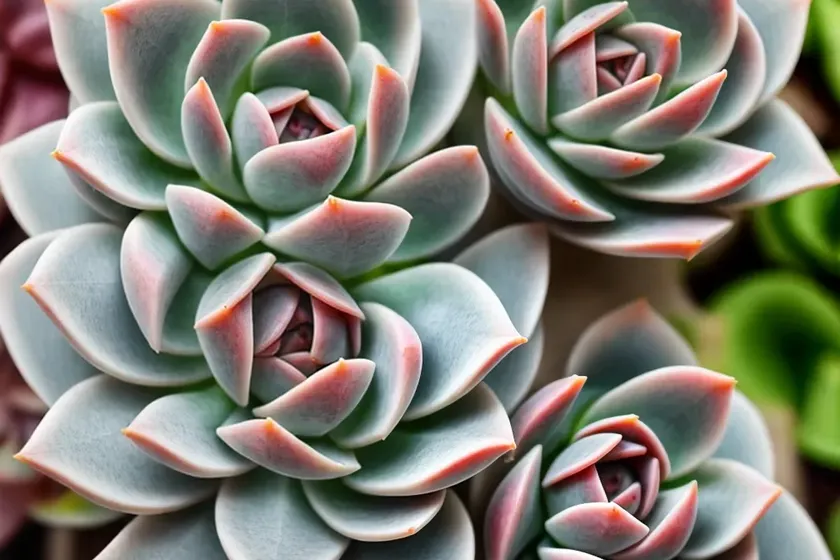
Echeveria ‘Pearl of Nurnberg’ is particularly renowned for its delicate, pastel-colored leaves, which can range from silvery gray to light purple, often with a hint of pink along the margins. The rosettes typically grow in a compact manner, making them ideal for mixed succulent arrangements, container gardening, and as ground cover in rock gardens.
Key Takeaways – Echeveria ‘Pearl of Nurnberg’ (Echeveria ‘Perle von Nuernberg’)
Before we delve into the specifics of caring for Echeveria ‘Pearl of Nurnberg,’ let’s take a moment to highlight the key takeaways associated with this exquisite succulent:
- Name: Echeveria ‘Pearl of Nurnberg’ (Echeveria ‘Perle von Nuernberg’)
- Family: Crassulaceae
- Common Names: Pearl Echeveria, Perle von Nuernberg
- Plant Type: Succulent
- Color: Pastel shades of gray, purple, and pink
- Characteristics: Rosette-forming, fleshy leaves
- Uses: Ornamental, container gardening, rock gardens, indoor and outdoor landscaping
- Special Features: Low maintenance, drought-tolerant, suitable for beginner gardeners
Now, let’s explore the various aspects of caring for Echeveria ‘Pearl of Nurnberg,’ including its cultural requirements, uses, watering needs, sunlight preferences, soil considerations, propagation techniques, and more.
Culture
Cultivating Echeveria ‘Pearl of Nurnberg’ successfully involves understanding its cultural requirements, including its preferred growing conditions, maintenance needs, and overall care regimen. By providing the right environment and attention, you can ensure that this stunning succulent thrives and continues to showcase its mesmerizing beauty.
Uses
Echeveria ‘Pearl of Nurnberg’ is primarily valued for its ornamental purposes, adding a touch of elegance to indoor and outdoor settings. Its compact growth habit and striking foliage make it a popular choice for a variety of landscaping and gardening applications, including:
- Container Gardening: Planted in individual pots or combined with other succulents in mixed arrangements.
- Rock Gardens: Ideal for creating textural interest and visual appeal in rockeries and alpine gardens.
- Indoor Decor: Adds charm and color to windowsills, desks, and indoor plant displays.
- Outdoor Landscaping: Suitable for xeriscaping, drought-tolerant gardens, and Mediterranean-style landscapes.
The versatility of Echeveria ‘Pearl of Nurnberg’ makes it a valuable addition to any plant collection, allowing for creative and aesthetic exploration in diverse gardening scenarios.
Water
Proper watering is crucial for the health and vitality of Echeveria ‘Pearl of Nurnberg.’ As a succulent, it is adapted to arid environments and has developed specialized water storage tissues to withstand periods of drought. Understanding its water needs and implementing appropriate watering practices is essential for preventing issues such as rot and dehydration.
- Watering Frequency: Allow the soil to dry out completely between watering intervals. Depending on factors such as temperature, humidity, and potting mix, this may translate to approximately once every 7-14 days during the active growing season.
- Watering Technique: Use a targeted approach, directing water to the base of the plant to penetrate the root zone. Avoid overhead watering, as excess moisture on the leaves can promote fungal diseases.
- Seasonal Adjustments: Reduce the frequency of watering during the winter months when the plant is in a state of dormancy. Monitor the soil moisture levels and adjust the watering schedule as needed.
By adopting a mindful approach to watering and observing the plant’s response, you can strike a balance that maintains adequate hydration without exposing the Echeveria ‘Pearl of Nurnberg’ to the risks associated with overwatering.
Sunlight
Sunlight plays a pivotal role in the growth and color development of Echeveria ‘Pearl of Nurnberg.’ Providing the appropriate levels of sunlight is crucial for stimulating optimal growth, maintaining vibrant leaf hues, and promoting the plant’s overall well-being. Understanding the plant’s sunlight requirements allows you to position it effectively within your garden or indoor environment.
- Light Exposure: Echeveria ‘Pearl of Nurnberg’ thrives in bright, indirect light. It benefits from several hours of direct sunlight each day, particularly during the morning or late afternoon when the light is less intense.
- Indoor Placement: When grown indoors, position the plant near a south- or west-facing window to ensure it receives sufficient sunlight. If natural light is limited, supplement with grow lights to provide the necessary intensity and duration of light exposure.
Monitoring the plant’s response to its light conditions can help you make adjustments as needed, ensuring that it remains vibrant, compact, and visually striking.
Fertilizer
Although Echeveria ‘Pearl of Nurnberg’ is relatively low-maintenance, providing occasional fertilization can support its growth and enhance its ornamental qualities. By choosing the right type of fertilizer and adhering to a suitable application schedule, you can encourage robust and healthy development in this captivating succulent.
- Fertilizer Type: Select a balanced, water-soluble fertilizer formulated for succulents or use a specialized cactus fertilizer. These products typically contain the essential nutrients, including nitrogen, phosphorus, and potassium, necessary for optimal growth.
- Application Frequency: Fertilize the Echeveria ‘Pearl of Nurnberg’ sparingly, applying the diluted fertilizer solution approximately once a month during the active growing season. Withhold fertilizer during the winter months when the plant’s growth slows down.
By providing supplemental nutrients in a measured and controlled manner, you can support the Echeveria ‘Pearl of Nurnberg’ in maintaining its attractive appearance and vigorous growth habit.
Soil
Choosing the right potting mix is crucial for creating an environment that promotes the well-being of Echeveria ‘Pearl of Nurnberg.’ A well-draining, nutrient-rich soil blend offers the ideal foundation for healthy root development, water management, and overall plant vigor.
- Composition: Opt for a well-draining succulent or cactus potting mix that provides good aeration and moisture retention without becoming waterlogged. These specialized mixes often contain a combination of components such as coarse sand, perlite, pumice, and organic matter to create an optimal balance.
- pH Level: Aim for a slightly acidic to neutral pH range (6.0-7.0), which allows for efficient nutrient uptake and root function. Many commercially available succulent mixes are tailored to meet these pH requirements.
By establishing a supportive growing medium, you can create an environment that encourages healthy root development and allows the Echeveria ‘Pearl of Nurnberg’ to thrive in its chosen setting.
Pruning
Pruning is an essential aspect of Echeveria ‘Pearl of Nurnberg’ care, enabling you to maintain its compact shape, remove damaged foliage, and encourage new growth. Learning the basics of succulent pruning empowers you to keep the plant looking its best while promoting its overall health and vitality.
- Remove Dead Leaves: Regularly inspect the plant for any dry or wilting leaves, which can be carefully removed to maintain a tidy appearance and prevent potential disease spread.
- Shape Maintenance: As the plant grows, you may notice elongated or leggy stems. Using clean, sharp pruning shears, you can trim these stems to encourage branching and compact growth.
By practicing attentive pruning, you can instill a sense of rejuvenation and tidiness in the Echeveria ‘Pearl of Nurnberg,’ ensuring that it remains visually appealing and structurally sound.
Propagation
The ability to propagate Echeveria ‘Pearl of Nurnberg’ allows you to expand your plant collection, share its beauty with others, and rejuvenate older specimens. Exploration of various propagation methods, such as offsets, leaf cuttings, and seed propagation, offers an exciting opportunity to engage with the growth and reproduction of this exceptional succulent.
- Offset Division: Echeveria ‘Pearl of Nurnberg’ produces offsets, or ‘chicks,’ around the base of the mother plant. Gently separate these offsets and allow them to callus for a few days before planting them in a suitable succulent mix.
- Leaf Cuttings: Select healthy leaves and let them dry for a couple of days to develop calluses. Plant the leaf cuttings in a shallow tray filled with well-draining soil, mist occasionally, and wait for new plantlets to emerge.
- Seed Propagation: While less common, propagating Echeveria ‘Pearl of Nurnberg’ from seeds offers a rewarding and educational experience. Sow seeds in a well-draining succulent mix, provide appropriate warmth and moisture, and observe the seedlings as they develop.
Engaging in the propagation process allows you to witness the remarkable ability of Echeveria ‘Pearl of Nurnberg’ to regenerate and multiply, offering an enriching horticultural experience.
Container Popularity
Echeveria ‘Pearl of Nurnberg’ is a popular choice for container gardening, enabling enthusiasts to create captivating displays, experiment with different arrangements, and bring a touch of natural beauty to various settings. Whether grown individually or combined with other compatible succulents, these plants thrive in containers, offering an array of creative possibilities.
- Container Selection: Choose containers with adequate drainage holes to facilitate excess water removal and prevent waterlogged soil. Various materials, including terracotta, ceramic, and hypertufa, can be used to create visually appealing displays.
- Arrangement Diversity: Echeveria ‘Pearl of Nurnberg’ complements a wide range of succulents, allowing for diverse combinations that showcase contrasting colors, textures, and growth habits. Experiment with different arrangements to create visually striking compositions.
The popularity of Echeveria ‘Pearl of Nurnberg’ in container gardening stems from its adaptability, visual appeal, and suitability for both indoor and outdoor settings, making it a favorite choice among plant enthusiasts.
Common Diseases
Understanding the potential diseases that can affect Echeveria ‘Pearl of Nurnberg’ equips you with the knowledge to identify, prevent, and manage these issues effectively. By implementing appropriate cultural practices and proactive monitoring, you can minimize the risk of disease development and maintain the plant’s overall vigor.
Disease Diagnosis
Some common diseases that may affect Echeveria ‘Pearl of Nurnberg’ include:
- Root Rot: Caused by overwatering and poorly draining soil, leading to the decay of the plant’s root system. Symptoms include wilting, yellowing leaves, and a foul odor emanating from the soil.
- Powdery Mildew: A fungal infection that appears as a white, powdery substance on the leaves. It thrives in humid conditions and can hinder the plant’s photosynthetic abilities.
- Botrytis: Also known as gray mold, this fungal disease presents as brown lesions on the leaves and stems, often exacerbated by high humidity and poor air circulation.
By monitoring the plant for any signs of distress, promptly addressing any issues such as overwatering, and maintaining a suitable environment, you can mitigate the risk of common diseases and preserve the health of Echeveria ‘Pearl of Nurnberg.’
Common Pests
Pests can pose a threat to the well-being of Echeveria ‘Pearl of Nurnberg,’ leading to stunted growth, leaf damage, and overall decline if left unaddressed. Familiarizing yourself with the common pests that may target this succulent allows you to implement preventive measures and manage infestations effectively.
Botanist’s Tips
When it comes to caring for Echeveria ‘Pearl of Nurnberg,’ a few valuable tips can help you navigate the nuances of succulent cultivation and ensure the plant’s continued success. Consider the following botanical insights as you engage with the care and maintenance of this exquisite succulent:
- Monitoring: Regularly observe the plant for changes in color, texture, and growth patterns, as this can provide early indicators of potential issues.
- Grooming: Routinely remove any debris, dead leaves, or spent blooms to maintain a clean and tidy appearance and reduce the risk of disease.
- Air Circulation: Provide adequate air circulation around the plant, particularly in indoor environments, to minimize the risk of fungal diseases and promote the transpiration of excess moisture.
Incorporating these tips into your care routine allows you to develop a deeper understanding of the unique requirements of Echeveria ‘Pearl of Nurnberg,’ fostering its long-term health and vitality.
Fun Facts
- The specific epithet “Perle von Nuernberg” directly translates to “Pearl of Nuremberg,” referencing the picturesque city located in the Bavarian region of Germany.
- Echeveria ‘Pearl of Nurnberg’ is known for its resilience and adaptability, thriving in challenging conditions such as arid climates and limited water availability.
- The pastel coloration of the leaves intensifies under ideal sunlight conditions, showcasing the natural beauty and allure of this captivating succulent.
Links to External Resources
For further information on Echeveria ‘Pearl of Nurnberg’ care, propagation, and cultivation, explore the following external resources:
- Succulent Plant Propagation: Echeveria ‘Pearl of Nurnberg’
- Comprehensive Guide to Succulent Soil and Potting Mixes
- Preventing and Treating Common Succulent Pests and Diseases
- Understanding Fertilizer Needs for Succulent Plants
Incorporating these external resources into your research and learning endeavors offers valuable insights and guidance for a well-rounded understanding of Echeveria ‘Pearl of Nurnberg’ care and horticultural practices.
Conclusion
In conclusion, Echeveria ‘Pearl of Nurnberg’ (Echeveria ‘Perle von Nuernberg’) stands as a captivating testament to the allure and diversity of succulent plants. From its delicate, pastel-hued foliage to its low-maintenance nature and ornamental versatility, this exceptional succulent holds immense appeal for both novice and experienced gardeners alike. By delving into the intricacies of its care, including considerations such as water management, sunlight exposure, soil selection, and propagation techniques, enthusiasts can embark on a rewarding journey of cultivating and showcasing the unique beauty of Echeveria ‘Pearl of Nurnberg’ in various floral displays, container arrangements, and landscaping projects. Embracing the ever-evolving world of succulent horticulture and the timeless charm of Echeveria ‘Pearl of Nurnberg’ allows individuals to deepen their connection with nature, creativity, and the art of sustainable living.
As you embark on your journey with Echeveria ‘Pearl of Nurnberg,’ may the enchanting allure and enduring resilience of this remarkable succulent inspire a profound appreciation for the natural world and the endless wonders it offers to those who seek to nurture and cherish its gifts.
Echeveria ‘Pearl of Nurnberg’ care, Echeveria ‘Perle von Nuernberg’ plant, Echeveria ‘Pearl of Nurnberg’ succulent, Echeveria ‘Perle von Nuernberg’ care tips, Echeveria ‘Pearl of Nurnberg’ propagation, Echeveria ‘Perle von Nuernberg’ succulent care, Echeveria ‘Pearl of Nurnberg’ varieties, Echeveria ‘Perle von Nuernberg’ plant care, Echeveria ‘Pearl of Nurnberg’ watering, Echeveria ‘Perle von Nuernberg’ varieties, Echeveria ‘Pearl of Nurnberg’ indoor plants, Echeveria ‘Perle von Nuernberg’ propagation tips, Echeveria ‘Pearl of Nurnberg’ soil, Echeveria ‘Perle von Nuernberg’ succulent varieties, Echeveria ‘Pearl of Nurnberg’ sunlight requirements, Echeveria ‘Perle von Nuernberg’ indoor gardening, Echeveria ‘Pearl of Nurnberg’ potting mix, Echeveria ‘Perle von Nuernberg’ succulent propagation, Echeveria ‘Pearl of Nurnberg’ outdoor plants, Echeveria ‘Perle von Nuernberg’ care guide, Echeveria ‘Pearl of Nurnberg’ fertilization, Echeveria ‘Perle von Nuernberg’ succulent varieties, Echeveria ‘Pearl of Nurnberg’ potting tips, Echeveria ‘Perle von Nuernberg’ indoor plants, Echeveria ‘Pearl of Nurnberg’ temperature requirements, Echeveria ‘Perle von Nuernberg’ succulent care guide, Echeveria ‘Pearl of Nurnberg’ pest control, Echeveria ‘Perle von Nuernberg’ outdoor gardening, Echeveria ‘Pearl of Nurnberg’ pruning, Echeveria ‘Perle von Nuernberg’ succulent propagation tips, Echeveria ‘Pearl of Nurnberg’ humidity levels, Echeveria ‘Perle von Nuernberg’ care instructions, Echeveria ‘Pearl of Nurnberg’ common issues, Echeveria ‘Perle von Nuernberg’ indoor gardening tips, Echeveria ‘Pearl of Nurnberg’ repotting, Echeveria ‘Perle von Nuernberg’ succulent varieties guide, Echeveria ‘Pearl of Nurnberg’ light requirements, Echeveria ‘Perle von Nuernberg’ soil