Echeveria Pulidonis: The Ultimate Plant Care Guide
Echeveria pulidonis is a popular succulent known for its rosette of fleshy, spoon-shaped leaves and vibrant yellow flowers. This beautiful plant is native to Mexico and belongs to the family Crassulaceae. Echeveria pulidonis is a fantastic addition to any indoor or outdoor garden due to its low maintenance and striking appearance. In this comprehensive guide, we will delve into the various aspects of caring for Echeveria pulidonis, including its culture, uses, watering requirements, sunlight needs, fertilizer application, soil type, pruning techniques, propagation methods, container preferences, common diseases, pests, and much more.
What is Echeveria Pulidonis?
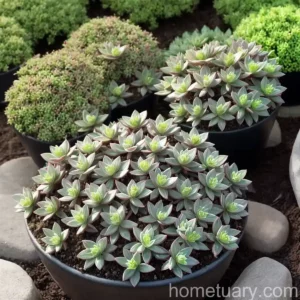
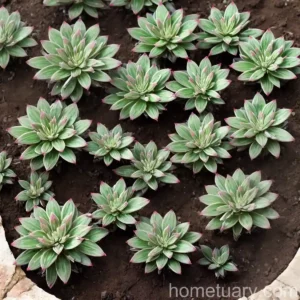
Echeveria pulidonis is a stunning evergreen succulent with unique characteristics that set it apart from other plants. The plant features compact rosettes of powdery blue-green leaves with striking red tips—an excellent contrast that adds to its visual appeal. As the plant matures, the leaves take on a pinkish hue at the tips, creating a spectacular display of colors.
One of the most remarkable features of Echeveria pulidonis is its flowers. During the spring and early summer, the plant produces vibrant yellow, bell-shaped flowers that emerge on tall stalks, providing an exquisite pop of color. The combination of the plant’s stunning foliage and beautiful blooms makes it a sought-after addition to succulent gardens and arrangements.
Echeveria pulidonis is a relatively slow-growing plant that can reach a diameter of approximately six inches at maturity, making it an ideal choice for small containers and rock gardens.
Key Takeaways
Echeveria Pulidonis
- Plant Type: Succulent
- Native Region: Mexico
- Family: Crassulaceae
- Foliage: Blue-green with pinkish-red tips
- Flower Color: Vibrant yellow
- Mature Size: Up to six inches in diameter
- Growth Rate: Slow
With a basic understanding of what Echeveria pulidonis is, let’s explore the key aspects of caring for this captivating plant.
Culture
The cultural requirements of Echeveria pulidonis are essential to understand in order to provide the best growing conditions for the plant.
Uses
Echeveria pulidonis is a versatile plant that can be utilized in various landscaping and design applications. Some common uses of Echeveria pulidonis include:
- Container Gardening: The compact size and captivating appearance of Echeveria pulidonis make it an excellent choice for container gardens, succulent arrangements, and terrariums.
- Rock Gardens: The low-growing and drought-tolerant nature of Echeveria pulidonis makes it well-suited for rock gardens, where it can thrive in well-drained soil and full sun.
- Landscaping: Echeveria pulidonis can be incorporated into xeriscapes and drought-tolerant landscapes to add color and texture.
- Indoor Decor: The plant’s adaptability to indoor conditions makes it a popular choice for succulent enthusiasts seeking to adorn their homes with low-maintenance greenery.
Water
Proper watering is crucial for the health and vitality of Echeveria pulidonis. This succulent is susceptible to root rot if overwatered, so it is essential to follow a watering schedule that allows the soil to dry out between waterings.
- Watering Frequency: During the active growing season in spring and summer, water Echeveria pulidonis when the top inch of soil is dry. In fall and winter, reduce watering to once every 2-3 weeks.
- Watering Method: Use the soak and dry method by thoroughly watering the soil until water drains from the bottom of the pot. Discard any excess water to prevent waterlogging.
Sunlight
Proper sunlight exposure is vital for the growth and development of Echeveria pulidonis. As a sun-loving plant, it thrives in bright, indirect light and requires ample sunlight to maintain its vibrant colors and compact growth.
- Light Requirements: Place Echeveria pulidonis in a location with at least 6 hours of indirect sunlight per day. In hot climates, provide some protection from intense afternoon sun to prevent leaf scorch.
Fertilizer
Feeding Echeveria pulidonis with the right nutrients is essential for promoting healthy growth and vibrant foliage. However, it is crucial to use a suitable fertilizer and apply it sparingly to avoid the risk of over-fertilization.
- Fertilizing Schedule: Feed Echeveria pulidonis with a balanced, water-soluble fertilizer diluted to half strength every 2-4 weeks during the growing season.
- Application Method: Apply the dilute fertilizer solution to the soil, ensuring it does not come into direct contact with the plant’s leaves to prevent potential damage.
Soil
Choosing the right soil type and ensuring proper drainage are key considerations when cultivating Echeveria pulidonis. The plant’s root system is susceptible to rot in excessively moist conditions, so well-draining soil is essential for its health.
- Soil Type: Use a well-draining cactus or succulent mix with added perlite or coarse sand to enhance drainage and prevent water retention.
- pH Level: The ideal soil pH for Echeveria pulidonis ranges from 6.0 to 6.5, providing an optimal environment for nutrient uptake and overall plant health.
Pruning
Pruning is an essential aspect of maintaining the attractive appearance and health of Echeveria pulidonis. Proper pruning can help remove dead foliage, control the plant’s size, and encourage new growth.
- Pruning Frequency: As needed, remove any dead or damaged leaves to promote airflow and prevent disease.
- Pruning Techniques: Use clean, sharp scissors or pruning shears to make precise cuts, ensuring the removal of entire leaves without leaving stubs.
Propagation
Propagating Echeveria pulidonis is a rewarding way to expand your succulent collection or share the plant with fellow enthusiasts. There are several propagation methods to consider, each with its own set of advantages.
- Leaf Cuttings: Remove healthy leaves from the plant and allow them to callus for a few days before placing them on well-draining soil to root.
- Offset Division: Separate offsets, or “pups,” from the mother plant and plant them in their own containers with well-draining soil to establish new plants.
Container
Choosing the right container and understanding the plant’s preferences can significantly impact the growth and development of Echeveria pulidonis. The container’s size, material, and drainage capabilities are all important factors to consider.
- Container Size: Use a shallow, wide container with drainage holes to accommodate the plant’s shallow root system and provide adequate room for growth.
- Container Material: Opt for terracotta, ceramic, or plastic containers that allow excess moisture to evaporate, helping to prevent waterlogged soil.
- Drainage: Ensure the container has sufficient drainage holes to prevent water from pooling at the bottom, reducing the risk of root rot.
Popularity
Echeveria pulidonis has gained significant popularity among succulent enthusiasts and gardeners due to its eye-catching foliage, drought tolerance, and low maintenance requirements. Its unique coloration and striking flowers make it a desirable addition to both indoor and outdoor settings, contributing to its growing popularity in the horticultural industry. With its increasing availability in nurseries and online stores, the plant has captured the interest of gardening enthusiasts looking to enhance their collections with visually captivating succulents.
Common Diseases
While Echeveria pulidonis is relatively resilient, it can be susceptible to certain diseases and conditions if not provided with suitable care and growing conditions. Understanding common diseases and their causes is crucial for preemptive management and maintaining the plant’s health.
Disease Diagnosis
Several potential diseases and issues may affect Echeveria pulidonis, including:
- Root Rot: Caused by overwatering or poorly draining soil, leading to dark, mushy roots and wilting foliage.
- Powdery Mildew: A fungal infection characterized by a white, powdery coating on the leaves, often resulting from high humidity and poor air circulation.
- Leaf Spot: Visible as dark, water-soaked lesions on the foliage, usually caused by overwatering or splashing water on the leaves.
Common Pests
In addition to diseases, Echeveria pulidonis can also fall victim to various pests that may compromise its health and appearance. Understanding common pests and their management is essential for preserving the plant’s vitality.
- Mealybugs: Small, white, cottony insects that feed on the plant’s sap, often found in the leaf axils and other protected areas.
- Aphids: Tiny, pear-shaped insects that cluster on the undersides of leaves, causing damage by sucking sap and excreting honeydew.
- Spider Mites: Microscopic pests that weave fine webs on the leaf undersides and feed on the plant’s juices, leading to stippled, discolored foliage.
Botanist’s Tips
To ensure the optimal health and growth of Echeveria pulidonis, consider the following expert tips and recommendations:
- Temperature Tolerance: Echeveria pulidonis thrives in temperatures between 65-75°F (18-24°C) and can withstand brief periods of colder or warmer temperatures.
- Humidity Levels: Maintain moderate humidity levels to prevent the onset of powdery mildew and other fungal infections—good air circulation can help reduce humidity around the plant.
- Overwintering: During the winter months, reduce watering frequency and protect the plant from frost to prevent cold damage.
Fun Facts
- Named After: Echeveria pulidonis is named after French botanist Henri Auguste Duval and is recognized for its distinct leaf coloration and flowering behavior.
- Seasonal Changes: The coloration of Echeveria pulidonis leaves can transform throughout the year, with changes in light intensity and temperature influencing the plant’s hues.
Links to External Resources
For further information on Echeveria pulidonis care, propagation, and cultivation, consider exploring the following resources:
- Echeveria pulidonis Care Guide – Succulent Alley
- Echeveria Pulidonis: A Complete Guide – Sublime Succulents
- Echeveria Pulidonis Propagation Techniques – The Succulent Source
In conclusion, Echeveria pulidonis is an enchanting succulent with a distinctive appearance and low maintenance requirements. By understanding and implementing the recommended care guidelines, you can enjoy the beauty of this plant in various garden settings while fostering its healthy growth and longevity.
References
- Baldwin, Debra Lee. “Echeveria ‘Pulidonis’ (Echeveria Pulidonis).” World of Succulents, World of Succulents, 7 May 2021, worldofsucculents.com/echeveria-pulidonis/.
- “Echeveria Pulidonis.” Mountain Crest Gardens, Mountain Crest Gardens, mountaincrestgardens.com/echeveria-pulidonis.html.
- North, Sarah. “Echeveria Pulidonis Care Guide.” Succulent Alley, Succulent Alley, 24 Nov. 2020, www.succulentalley.com/echeveria-pulidonis-care-guide/.
- “Echeveria Pulidonis: Caring for Jolly Green Spoons.” Sublime Succulents, Sublime Succulents, 7 Apr. 2021, www.sublimesucculents.com/echeveria-pulidonis-care/.
- “Succulent Plant Echeveria Pulidonis.” The Succulent Source, The Succulent Source, thesucculentsource.com/pages/succulent-plant-echeveria-pulidonis.
By incorporating the information and recommendations outlined in this comprehensive guide, you can effectively care for Echeveria pulidonis and foster its growth and beauty in your garden or living space.
Happy gardening!