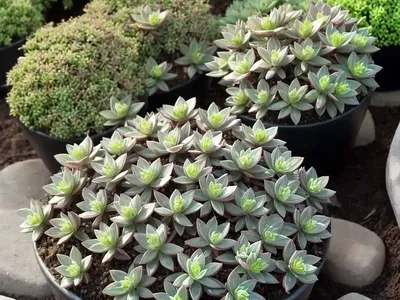
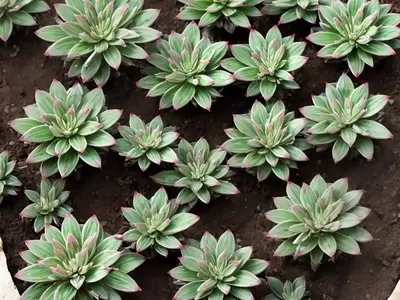
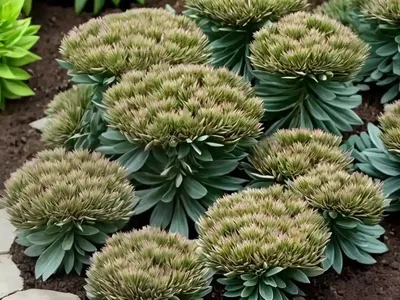
Echeveria Pulidonis (Echeveria Pulidonis)
If you’re someone who is captivated by the allure of succulents and wants to explore the world of distinctive and visually striking plants, then Echeveria.
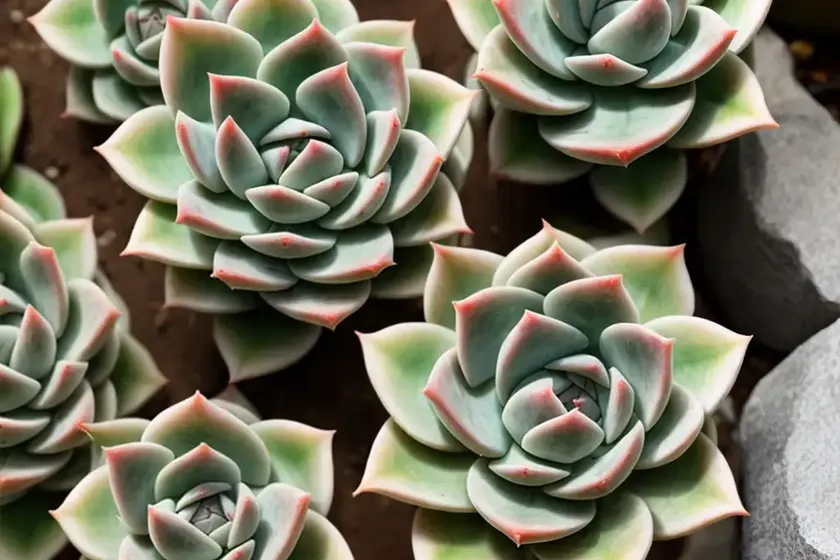
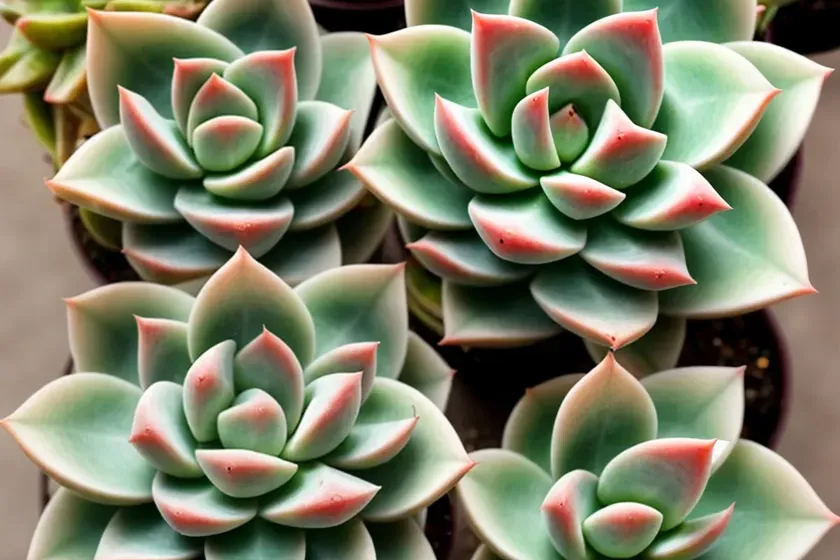
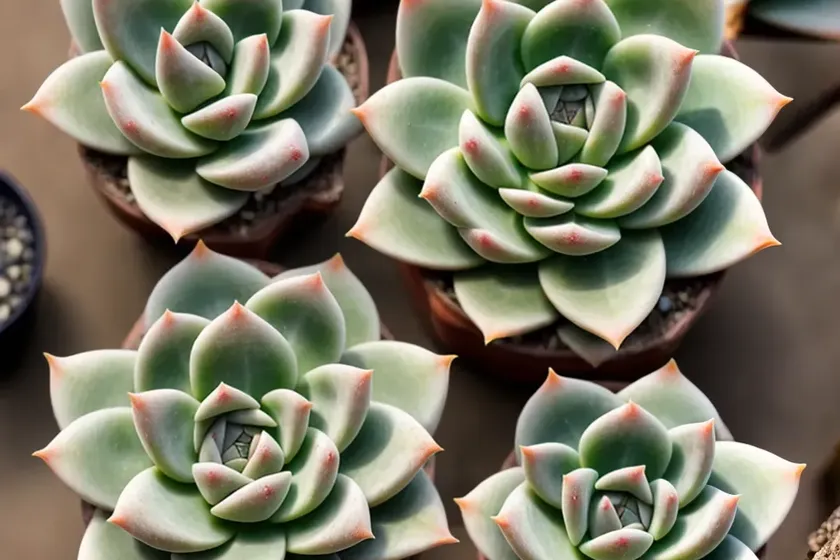
If you’re someone who is captivated by the allure of succulents and wants to explore the world of distinctive and visually striking plants, then Echeveria pulidonis is an excellent choice. With its breathtaking rosette shape and stunning coloration, this Mexican native succulent has gained immense popularity among plant enthusiasts. This comprehensive guide will delve into the ins and outs of Echeveria pulidonis, including its care requirements, propagation, common issues, and much more. So, let’s embark on an illuminating journey into the captivating realm of Echeveria pulidonis.
What is Echeveria pulidonis?
Echeveria pulidonis, belonging to the Crassulaceae family, is a captivating succulent native to Mexico. Renowned for its striking rosette shape and exquisite coloration, this plant has become a cherished addition to both indoor and outdoor settings. With proper care and attention, Echeveria pulidonis can thrive in various environments, adding a touch of elegance and texture to any space.
Key Takeaways – Echeveria pulidonis
Here’s a snapshot of the key takeaways when it comes to Echeveria pulidonis:
- Echeveria pulidonis Care: Understanding the specific care requirements is crucial for the healthy growth of Echeveria pulidonis.
- Propagation: Exploring the various methods of propagation, such as leaf and stem cuttings, to expand your succulent collection.
- Varieties: Discovering the diverse varieties of Echeveria pulidonis and their unique characteristics.
- Watering Needs: Balancing the watering needs to prevent issues such as root rot while ensuring adequate hydration.
- Sunlight Requirements: Providing the optimal light conditions to promote vibrant coloration and compact growth.
- Soil Type: Selecting well-draining soil to support the succulent’s root system and overall health.
- Potting Mix: Creating a balanced potting mix to foster ideal growing conditions for Echeveria pulidonis.
- Succulent: Embracing the distinct features and characteristics that make Echeveria pulidonis a beloved succulent.
- Indoor Planting: Exploring the possibilities of indoor cultivation and the unique considerations it entails.
- Outdoor Planting: Adapting to outdoor environments while considering factors such as climate and seasonal variations.
- Gardening Tips: Leveraging effective gardening strategies to ensure the flourishing of Echeveria pulidonis.
- Common Problems: Identifying and addressing common issues that can impact the health of the succulent.
- Pests and Diseases: Implementing preventive measures and treatments to combat potential pest and disease infestations.
- Pruning: Mastering the art of pruning to maintain the succulent’s shape and encourage new growth.
- Repotting: Knowing when and how to repot Echeveria pulidonis for continued vitality and development.
- Fertilization: Understanding the role of fertilization in supporting the succulent’s nutritional needs.
- Companion Plants: Selecting suitable companion plants to complement the unique charm of Echeveria pulidonis.
- Decorative Uses: Incorporating Echeveria pulidonis into various decorative arrangements and settings.
- Blooming Season: Anticipating the captivating blooms of Echeveria pulidonis and their seasonal patterns.
- Flower Varieties: Exploring the diverse array of flowers that Echeveria pulidonis can produce.
- Leaf Color Variations: Appreciating the range of striking color variations exhibited by the succulent’s leaves.
- Plant Origin: Tracing the origins of Echeveria pulidonis and its natural habitat in Mexico.
- Natural Habitat: Understanding the native environment and conditions that Echeveria pulidonis thrives in.
- Plant Family: Exploring the broader classification of Echeveria pulidonis within the plant kingdom.
- Plant Morphology: Delving into the intricate details of the succulent’s physical structure and form.
- Plant Size: Understanding the typical size and growth patterns of Echeveria pulidonis.
- Plant Structure: Examining the unique structural elements that define the appearance of the succulent.
- Plant Classification: Understanding the taxonomical classification of Echeveria pulidonis.
- Plant Growth Stages: Observing the various growth stages and development milestones of the succulent.
- Plant Health Benefits: Exploring the potential health benefits associated with Echeveria pulidonis.
- Plant Symbolism: Uncovering the symbolic meanings and cultural associations of Echeveria pulidonis.
- Plant Uses: Discovering the multifaceted uses and applications of Echeveria pulidonis.
- Plant Nursery: Navigating the world of plant nurseries and sources for acquiring Echeveria pulidonis.
- Plant Price: Considering the pricing factors and market availability of Echeveria pulidonis.
- Popular Cultivars: Exploring popular cultivars and variations of Echeveria pulidonis.
- Arrangement Ideas: Embracing creative and aesthetically pleasing ways to arrange Echeveria pulidonis.
- Container Choices: Selecting suitable containers to house and showcase Echeveria pulidonis.
- Landscape Design: Incorporating Echeveria pulidonis into landscape designs for an eye-catching effect.
- Popular in Home Gardening: Understanding the appeal of Echeveria pulidonis in home gardening settings.
- Tropical Climates: Adapting the care practices for Echeveria pulidonis in tropical regions.
- Arid Regions: Navigating the unique considerations for cultivating Echeveria pulidonis in arid environments.
- Container Gardening: Harnessing the potential of container gardening for growing Echeveria pulidonis.
- Air Purification: Exploring the succulent’s potential role in purifying indoor air quality.
- Stress Reduction: Understanding the calming and stress-relieving effects of nurturing Echeveria pulidonis.
- Medicinal Properties: Exploring potential medicinal properties and traditional uses of the succulent.
- Feng Shui: Embracing the principles of Feng Shui with the presence of Echeveria pulidonis.
- For Beginners: Providing guidance for beginners venturing into the world of Echeveria pulidonis.
- For Succulent Enthusiasts: Engaging with the interests of succulent enthusiasts in cultivating Echeveria pulidonis.
- For Low-Maintenance Gardens: Incorporating Echeveria pulidonis into low-maintenance garden designs for effortless beauty.
Culture
Echeveria pulidonis, like many succulents, thrives in a culture that reflects its native habitat. Understanding the ideal conditions for this striking succulent is pivotal in nurturing its health and visual appeal.
Uses
Echeveria pulidonis captivates with its ornamental quality, making it a popular choice for various uses, including:
- Indoor Décor: Adorning interior spaces with its captivating rosette form and vibrant coloration.
- Outdoor Landscapes: Enhancing outdoor gardens, rockeries, and xeriscapes with its striking presence.
- Container Gardens: Serving as a captivating centerpiece in container gardens and succulent arrangements.
- Special Occasions: Adding a touch of elegance to floral arrangements and special event décor.
- Educational Purposes: Serving as a fascinating subject for botany enthusiasts and educational settings.
Water
Understanding the watering needs of Echeveria pulidonis is essential for maintaining its health and vigor. As a succulent, it has specific requirements to thrive while avoiding issues such as overwatering and root rot.
Watering Needs
Echeveria pulidonis thrives in a balanced watering regimen, characterized by the following considerations:
- Moderation: Avoid overwatering and ensure that the soil dries out between watering sessions.
- Summer vs. Winter: Adjust the frequency of watering based on seasonal variations in temperature and humidity.
- Soil Moisture: Monitor the moisture levels in the soil, especially during the active growing season.
Sunlight
Adequate sunlight is crucial for the growth and coloration of Echeveria pulidonis. Understanding its sunlight requirements is fundamental in providing the ideal conditions for this captivating succulent.
Sunlight Requirements
Echeveria pulidonis thrives in optimal sunlight conditions, characterized by the following aspects:
- Direct Sunlight: Provide ample exposure to direct sunlight, especially in the morning and late afternoon.
- Filtered Light: Shield the succulent from harsh midday sun, especially in regions with intense heat.
- Indoor Lighting: Ensure that indoor settings receive bright, indirect light for healthy growth.
Fertilizer
Although Echeveria pulidonis is relatively low-maintenance, it can benefit from periodic fertilization to support its nutritional needs and overall vitality.
Fertilization
When considering fertilization for Echeveria pulidonis, keep the following guidelines in mind:
- Balanced Formula: Utilize a balanced, water-soluble fertilizer designed for succulents and cacti.
- Frequency: Apply fertilizer sparingly during the active growing season and minimize or suspend fertilization in winter.
- Dilution: Dilute the fertilizer to half or quarter strength to prevent potential root damage.
Soil
Selecting the right soil type is imperative for promoting healthy root development and ensuring the overall well-being of Echeveria pulidonis.
Soil Type
Echeveria pulidonis thrives in well-draining soil containing the following characteristics:
- Permeability: Ensure that the soil allows for excellent water drainage to prevent waterlogging.
- Aeration: Promote adequate air circulation within the soil to avoid soil compaction.
- Nutrient Content: Select a soil mix that is tailored for succulents and provides essential nutrients.
Pruning
Pruning is an essential aspect of succulent care, including Echeveria pulidonis, to maintain its shape, remove dead foliage, and encourage new growth.
Pruning Techniques
When pruning Echeveria pulidonis, consider the following approaches:
- Sterilized Tools: Use clean and sterilized pruning shears to prevent the spread of diseases.
- Deadheading: Remove spent flower stalks and dead leaves to promote a tidy appearance.
- Propagation: Utilize the pruning process to propagate new Echeveria pulidonis plants from cuttings.
Propagation
Exploring the various methods of propagation for Echeveria pulidonis offers an exciting opportunity to expand your succulent collection and share the beauty of this plant with others.
Propagation Methods
- Leaf Cuttings: Harvest healthy leaves and allow them to callus before planting them in well-draining soil.
- Stem Cuttings: Employ stem segments that have callused and develop new roots when planted in suitable soil.
- Offsets or Offshoots: Separate and replant the offsets that emerge from the base of mature Echeveria pulidonis plants.
Container
Echeveria pulidonis lends itself beautifully to container cultivation, adding a touch of elegance and charm to various settings.
Container Considerations
When selecting a container for Echeveria pulidonis, factor in the following considerations:
- Drainage Holes: Choose containers with adequate drainage to prevent water accumulation.
- Material: Opt for containers made from materials such as terracotta or ceramic that promote air circulation.
- Size: Select a container that allows for sufficient root growth and accommodates the succulent’s mature size.
Popularity
Echeveria pulidonis has garnered significant popularity among plant enthusiasts, owing to its captivating appearance and relatively low-maintenance care requirements.
Appeal
The appeal of Echeveria pulidonis stems from the following factors:
- Aesthetic Qualities: The striking rosette shape, vibrant coloration, and unique leaf structure make it visually captivating.
- Versatility: It thrives in various settings, such as indoor spaces, outdoor landscapes, and container gardens.
- Low Maintenance: Its resilience and adaptability make it an attractive option for both novice and experienced gardeners.
- Collector’s Favorite: Enthusiasts value the diverse varieties and unique characteristics offered by Echeveria pulidonis.
Common Diseases
While Echeveria pulidonis is generally resilient, it can be susceptible to certain diseases, especially when care requirements are not met.
Disease Diagnosis
Recognizing and addressing potential diseases involves the following steps:
- Symptom Observation: Pay attention to signs such as discoloration, wilting, or unusual growth patterns.
- Root Health: Check the roots for signs of rot or fungal infections that can impact the overall health of the plant.
- Treatment Plan: Implement suitable treatments, such as fungicides or adjustments in care practices, to address the specific disease.
Common Pests
Pest infestations can pose a threat to the well-being of Echeveria pulidonis, requiring proactive measures to mitigate potential damage.
Pest Management
When dealing with pests, consider the following techniques:
- Identification: Recognize common pests such as aphids, mealybugs, and spider mites that can affect Echeveria pulidonis.
- Natural Predators: Introduce beneficial insects or natural predators as a biological control method.
- Isolation: Quarantine affected plants to prevent the spread of pests to other succulents in the vicinity.
Botanist’s Tips
For those keen on delving deeper into the world of Echeveria pulidonis, here are some expert tips to elevate your cultivation journey:
- Seasonal Adjustments: Tailor care practices to accommodate seasonal changes and provide optimal conditions year-round.
- Observation: Regularly observe the succulent to detect any signs of stress, disease, or pest activity promptly.
- Hybrid Varieties: Explore hybrid Echeveria pulidonis varieties to discover unique colors and growth habits.
- Complementary Pairings: Experiment with companion plants that accentuate the beauty of Echeveria pulidonis in mixed plantings.
Fun Facts
Uncover some intriguing and delightful facts about Echeveria pulidonis that showcase its charm and appeal:
- Drought Tolerance: It exhibits remarkable drought tolerance, making it an excellent choice for water-wise gardens.
- Pollinator Attraction: The blooms of Echeveria pulidonis can attract pollinators such as bees and butterflies, contributing to garden biodiversity.
- Symbolism: In different cultures, succulents like Echeveria pulidonis are associated with meanings such as endurance, resilience, and growth.
- Historical Significance: Succulents have historical significance, often featuring in ancient art and folklore across various civilizations.
Links to External Resources
For further exploration and in-depth information about Echeveria pulidonis, consider the following external resources:
- The Succulent Source – Echeveria Pulidonis Care Guide
- World of Succulents – Echeveria Pulidonis
- Succulent Alley – Echeveria Pulidonis Propagation Tips
- Gardenia – Echeveria Pulidonis Overview
In conclusion, Echeveria pulidonis stands as a true testament to the captivating allure of succulents, captivating enthusiasts with its vibrant colors, striking rosette form, and versatility in various settings. By delving into the care requirements, propagation methods, and unique characteristics of this captivating plant, you can embark on a rewarding journey that celebrates the beauty and resilience of Echeveria pulidonis.
From cultivating it in indoor spaces to incorporating it into elaborate landscape designs, the possibilities with Echeveria pulidonis are as endless as they are enchanting.
Keywords: Echeveria pulidonis care, Echeveria pulidonis propagation, Echeveria pulidonis varieties, How to grow Echeveria pulidonis, Echeveria pulidonis watering needs, Echeveria pulidonis sunlight requirements, Echeveria pulidonis soil type, Echeveria pulidonis potting mix, Echeveria pulidonis succulent, Echeveria pulidonis indoor planting, Echeveria pulidonis outdoor planting, Echeveria pulidonis gardening tips, Echeveria pulidonis common problems, Echeveria pulidonis pests and diseases, Echeveria pulidonis pruning, Echeveria pulidonis repotting, Echeveria pulidonis fertilization, Echeveria pulidonis companion plants, Echeveria pulidonis decorative uses, Echeveria pulidonis blooming season, Echeveria pulidonis flower varieties, Echeveria pulidonis leaf color variations, Echeveria pulidonis plant origin, Echeveria pulidonis natural habitat, Echeveria pulidonis plant family, Echeveria pulidonis plant morphology, Echeveria pulidonis plant size, Echeveria pulidonis plant structure, Echeveria pulidonis plant classification, Echeveria pulidonis plant growth stages, Echeveria pulidonis plant health benefits, Echeveria pulidonis plant symbolism, Echeveria pulidonis plant uses, Echeveria pulidonis plant nursery, Echeveria pulidonis plant price, Echeveria pulidonis plant popular cultivars, Echeveria pulidonis plant arrangement ideas, Echeveria pulidonis plant container choices, Echeveria pulidonis plant landscape design, Echeveria pulidonis popular in home gardening, Echeveria pulidonis plant in tropical climates, Echeveria pulidonis plant in arid regions, Echeveria pulidonis plant in container gardening, Echeveria pulidonis plant and air purification, Echeveria pulidonis plant and stress reduction, Echeveria pulidonis plant and medicinal properties, Echeveria pulidonis plant and feng shui, Echeveria pulidonis plant for beginners, Echeveria pulidonis plant for succulent enthusiasts, Echeveria pulidonis plant for low-maintenance gardens