Thai Basil (Ocimum Basilicum Var. Thyrsiflora)
If you’re a fan of Thai cuisine, then you’re likely already familiar with the aromatic and flavorful herb that is Thai basil. This versatile and beloved.
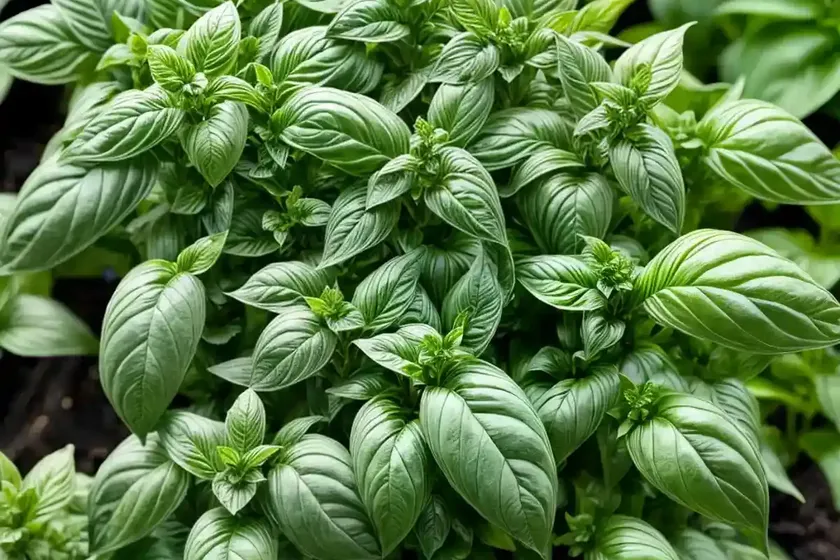
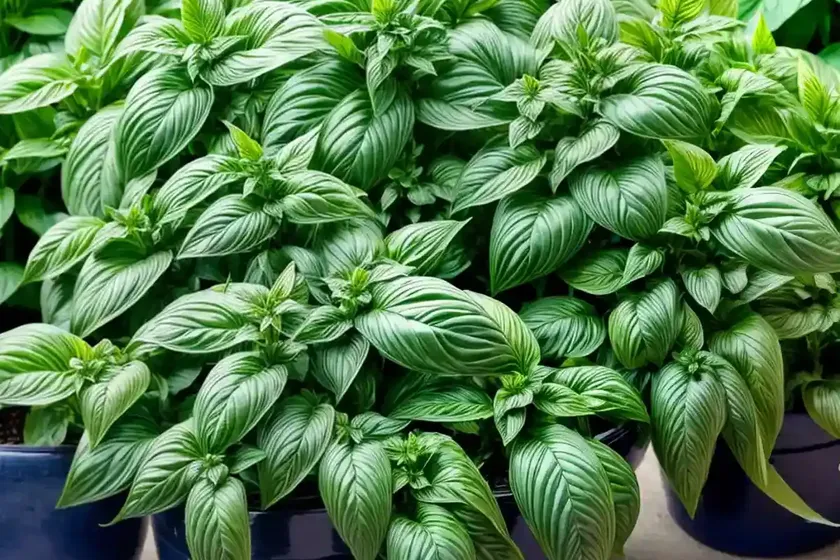
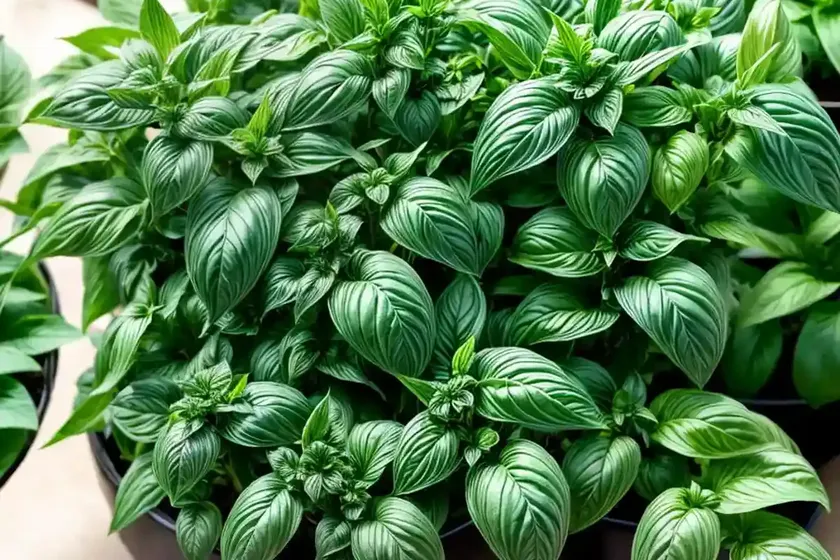
If you’re a fan of Thai cuisine, then you’re likely already familiar with the aromatic and flavorful herb that is Thai basil. This versatile and beloved herb is not only a staple in Thai cooking but also holds immense cultural and culinary significance. In this comprehensive guide, we’ll delve into the world of Thai Basil (Ocimum Basilicum Var. Thyrsiflora), exploring its cultural uses, cultivation, care, and much more.
What is Thai Basil?
Thai Basil, scientifically known as Ocimum Basilicum Var. Thyrsiflora, is a member of the mint family, Lamiaceae. Unlike the common sweet basil (Ocimum basilicum), Thai basil is known for its unique flavor profile, aromatic properties, and slightly spicy, anise-like taste. This distinct flavor makes it a popular choice in various Asian cuisines, particularly Thai and Vietnamese dishes.
Key Takeaways – Thai Basil (Ocimum Basilicum Var. Thyrsiflora)
Let’s start by exploring the key takeaways when it comes to Thai basil, covering aspects such as its culture, uses, cultivation requirements, and more.
Culture
Thai basil holds significant cultural importance, especially in Thai cuisine. It is valued for its aromatic leaves and is commonly used in stir-fries, curries, soups, and as a garnish.
Uses
The uses of Thai basil extend beyond culinary applications. In traditional medicine, it is believed to have various medicinal properties. Additionally, the essential oil derived from Thai basil is utilized in aromatherapy and herbal remedies.
Growing Thai Basil
Growing Thai basil can be a rewarding experience, whether you have a spacious garden or a small balcony. To ensure successful cultivation, it’s essential to understand its specific requirements regarding water, sunlight, soil, and more.
Water
Thai basil thrives in evenly moist soil. It’s crucial to water the plant consistently, ensuring that the soil doesn’t dry out completely between waterings. However, it’s equally important to avoid overwatering, as this can lead to root rot and other issues.
Sunlight
In terms of sunlight, Thai basil enjoys full sun, requiring at least 6-8 hours of direct sunlight daily. Adequate sunlight is essential for robust growth and the development of flavorful leaves.
Fertilizer
When it comes to fertilizer, a balanced, all-purpose fertilizer can be applied to Thai basil every 4-6 weeks during the growing season to support healthy growth and flavor development.
Soil
Thai basil thrives in well-draining, loamy soil with a slightly acidic to neutral pH. Amending the soil with organic matter such as compost can further enhance its growing conditions.
Pruning
Regular pruning is beneficial for Thai basil plants. It not only encourages bushier growth but also prevents the plant from flowering too early, thus prolonging the harvest of the flavorful leaves.
Propagation
The propagation of Thai basil can be achieved through both seeds and cuttings. While starting from seeds is a common method, propagating the herb from cuttings can yield quicker results.
Container Popularity
Due to its adaptability, Thai basil is well-suited for container gardening. This makes it an excellent choice for urban gardeners or anyone with limited outdoor space.
Common Diseases
As with any plant, Thai basil is susceptible to certain diseases and pests. It’s important to be aware of these potential issues in order to prevent and address them effectively.
Disease Diagnosis
Common diseases that can affect Thai basil include fungal diseases such as Fusarium wilt and downy mildew. Additionally, bacterial leaf spot can also impact the plant’s health.
Common Pests
Pests such as aphids, spider mites, and whiteflies can pose a threat to Thai basil. Regular monitoring and appropriate pest management techniques are essential for keeping these pests at bay.
Botanist’s Tips
For those looking to optimize the growth and flavor of their Thai basil, here are some expert tips from botanists and seasoned gardeners.
- Consistent Moisture: Maintain even moisture levels to prevent the plant from becoming stressed.
- Harvesting: Regularly harvest the leaves to encourage new growth and ensure the best flavor.
- Companion Planting: Consider companion planting with herbs such as parsley, cilantro, and mint to create a harmonious herb garden.
Fun Facts
- Thai basil is known for its rich aroma, with a scent that is often described as a delightful blend of licorice and cloves.
- The herb’s distinctive flavor makes it a sought-after ingredient in various culinary traditions, including Thai, Vietnamese, and Laotian cuisines.
Links to External Resources
As we delve deeper into the world of Thai basil, it’s important to explore additional resources to enhance our understanding of this captivating herb. Below are some valuable links to external resources where you can find further information about Thai basil.
- The Spruce Eats – Thai Basil: What It Is and How to Use It
- Gardening Know How – Tips For Growing Thai Basil Plants
- University of Florida IFAS Extension – Thai Basil Production Guide
In the subsequent sections, we will continue our exploration of Thai basil, uncovering its culinary uses, health benefits, cultivation techniques, and much more.
Culinary Uses
Thai basil plays a pivotal role in the culinary landscape, offering a burst of aromatic and slightly spicy flavor to a wide range of dishes. Let’s delve into the various culinary uses and recipes that highlight the versatility of this beloved herb.
Thai Basil in Traditional Thai Cuisine
In traditional Thai cuisine, Thai basil is a fundamental ingredient in dishes such as Phat Kaphrao (Thai stir-fried meat with holy basil), Green Curry, and various soups. Its fresh and zesty flavor elevates the taste of these dishes, making it an indispensable herb in Thai cooking.
Thai Basil in Vietnamese Cuisine
The herb also holds a special place in Vietnamese cuisine, particularly in the popular dish, Pho. It is often used as a garnish for soups, noodle dishes, and spring rolls, adding a delightful contrast to the savory flavors.
Thai Basil in Fusion Cuisine
In recent years, Thai basil has also found its way into fusion cuisine, where its unique flavor is creatively incorporated into non-traditional dishes, including cocktails, desserts, and infused oils.
Thai Basil Recipes
- Phat Kaphrao Gai (Thai Basil Chicken): This classic Thai dish combines ground chicken, Thai basil, chilies, and a savory sauce, resulting in a fragrant and flavorful stir-fry.
- Vietnamese Summer Rolls: These fresh and vibrant summer rolls often feature Thai basil as a key component, providing a burst of herbaceous flavor.
- Thai Basil Pesto: A delightful twist on the traditional pesto, incorporating Thai basil, peanuts, and Asian seasonings for a unique and aromatic sauce.
Health Benefits
Beyond its culinary uses, Thai basil also offers various health benefits, making it a valuable addition to one’s diet.
Medicinal Properties
In traditional medicine, Thai basil is revered for its potential medicinal properties. It is believed to have antioxidant, antibacterial, and anti-inflammatory properties, among others.
Culinary Herb with Health Benefits
The use of Thai basil as a culinary herb also contributes to its health-related advantages. By incorporating it into dishes, individuals can benefit from its nutritional content and potential health-boosting properties.
Cultivation Techniques
To successfully grow and care for Thai basil, it’s essential to understand its specific growth stages, soil requirements, and climate preferences.
Growth Stages
From seed germination to the development of mature plants, understanding the growth stages of Thai basil is crucial for providing optimal care and achieving a bountiful harvest.
Soil Requirements
Thai basil thrives in well-draining soil with a slightly acidic to neutral pH. Amending the soil with organic matter can further enhance its growing conditions.
Climate Preferences
Thai basil prefers warm and sunny conditions, making it well-suited for cultivation in regions with a tropical or subtropical climate.
Varieties
Thai basil is available in several varieties, each with its own unique characteristics in terms of flavor, aroma, and appearance.
Flavor Profile
While all Thai basil varieties share a similar aromatic and slightly spicy flavor, some may have subtle differences in terms of intensity and undertones, offering a diverse range of flavor profiles for culinary exploration.
Culinary Pairings
The versatility of Thai basil varieties allows for creative pairings with various ingredients, enabling chefs and home cooks to experiment with different flavor combinations and culinary traditions.
Essential Oil
The essential oil derived from Thai basil is valued for its aromatic properties and potential benefits in aromatherapy and natural wellness practices.
Harvesting and Preservation
Proper harvesting and preservation techniques are essential for maximizing the flavor and shelf life of Thai basil.
Harvest Time
Harvesting Thai basil at the right time ensures the best flavor and ensures the plant’s continuous productivity throughout the growing season.
Preservation Methods
From freezing the leaves to creating herb-infused oils, there are various methods for preserving the vibrant flavor and aroma of Thai basil for extended use.
Companion Plants
Companion planting with Thai basil can offer several benefits, including pest management, flavor enhancement, and overall garden health.
Pest Management
Certain companion plants can help repel pests that may affect Thai basil, promoting a healthier growing environment.
Culinary Pairings
Companion planting can also enhance the culinary experience by creating a convenient and diverse array of herbs and vegetables for cooking and garnishing.
Conclusion
In conclusion, Thai basil, with its aromatic leaves and distinct flavor, holds a significant place in both culinary and cultural realms. From its uses in traditional dishes to its potential health benefits and versatile growing characteristics, this herb continues to captivate and inspire chefs, herbalists, and home gardeners alike. By understanding the intricacies of Thai basil cultivation, exploring its culinary uses, and appreciating its cultural significance, we can fully embrace the richness and depth of this extraordinary herb.
In the ever-evolving world of cuisine and wellness, Thai basil remains a steadfast and cherished herb, adding an unmistakable touch of freshness and flavor to a wide range of culinary creations. Whether incorporated into time-honored recipes or innovative culinary fusions, Thai basil continues to shine as a culinary gem, inviting us to savor each aromatic leaf and explore its endless possibilities in the kitchen and beyond.
When it comes to learning more about Thai basil, the resources below offer valuable insights and additional information to further enrich your understanding of this remarkable herb.


