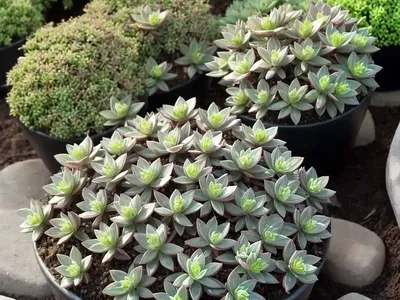
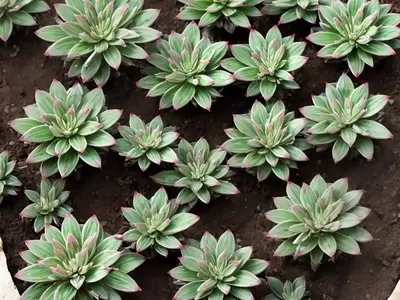
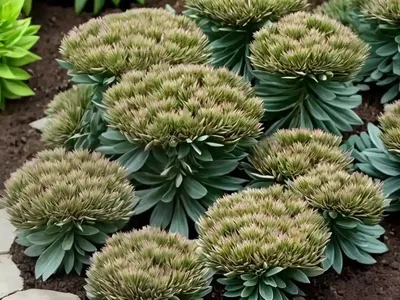
Ghost Echeveria (Echeveria Lilacina)
Echeveria lilacina, commonly known as Ghost Echeveria, is a beautiful and distinctive succulent plant that belongs to the Crassulaceae family. With its.
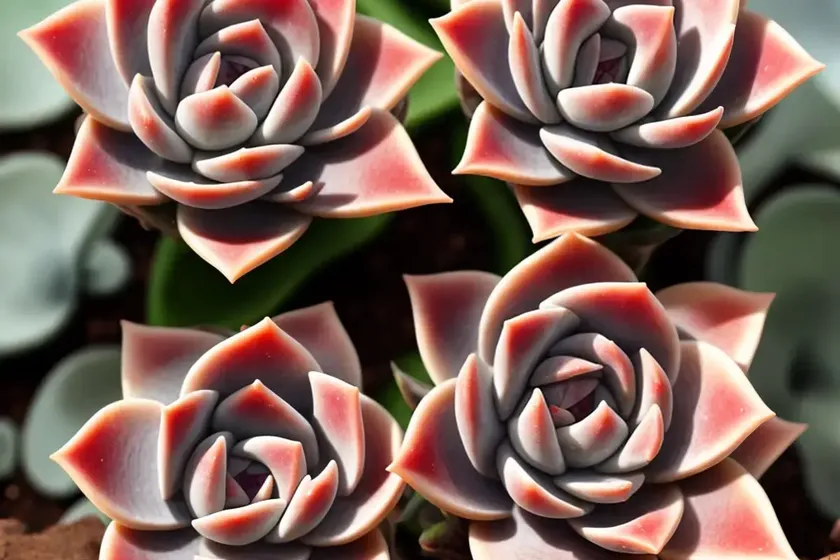
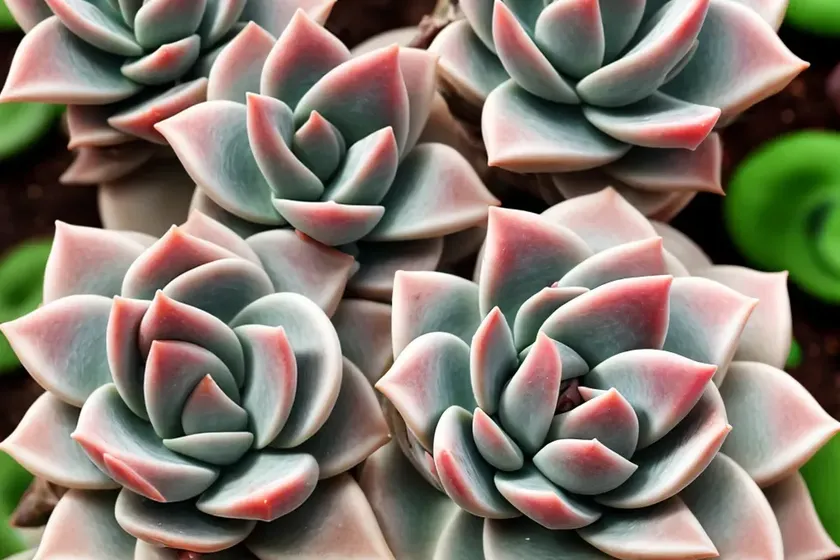
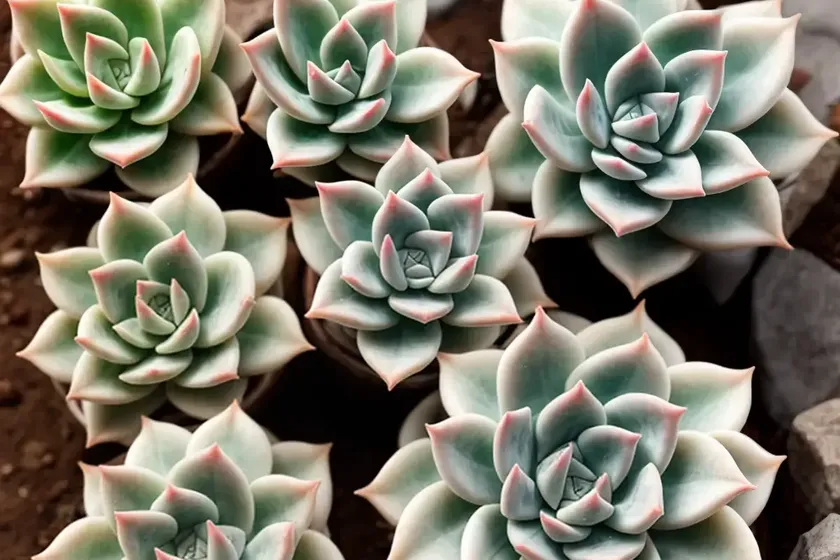
Echeveria lilacina, commonly known as Ghost Echeveria, is a beautiful and distinctive succulent plant that belongs to the Crassulaceae family. With its enchanting silvery-grey foliage and rosette formation, it’s a popular choice for both indoor and outdoor gardening. The Ghost Echeveria is cherished for its low maintenance and remarkable resilience, making it an ideal addition to gardens, containers, and rockeries. In this extensive guide, we’ll delve into the fascinating world of Ghost Echeveria, exploring its cultural requirements, uses, maintenance, and much more.
What is Ghost Echeveria (Echeveria lilacina)?
Ghost Echeveria, scientifically known as Echeveria lilacina, is a perennial succulent plant native to Mexico. It’s characterized by its stunning silvery-grey leaves that form tight rosettes. The name “Ghost Echeveria” is derived from the otherworldly appearance of its leaves, which take on a ghostly hue, particularly in certain lighting conditions.
This striking succulent belongs to the genus Echeveria, which comprises over 150 species of flowering plants, many of which are admired for their magnificent rosettes and fleshy leaves. Echeveria lilacina, in particular, is highly sought after for its aesthetic appeal and adaptability to various environments.
Key Takeaways – Ghost Echeveria (Echeveria lilacina)
Before delving into the care and cultivation of Ghost Echeveria, let’s summarise the key takeaways pertaining to this captivating succulent.
- Plant Name: Ghost Echeveria (Echeveria lilacina)
- Family: Crassulaceae
- Genus: Echeveria
- Common Name: Ghost Echeveria, Silver Echeveria
- Native Habitat: Mexico
- Foliage: Silvery-grey, fleshy leaves in rosette formation
- Uses: Landscaping, container gardening, indoor décor
- Maintenance: Low
- Hardiness Zones: 9-11
- Preferred Soil pH: 6.0-7.5
- Sunlight: Bright, indirect light
Now that we have an overview of Ghost Echeveria, let’s explore the specific factors integral to its successful cultivation.
Cultural Requirements of Ghost Echeveria
Uses
Ghost Echeveria is renowned for its versatility and can be utilized in various capacities. Some common uses include:
- Landscaping: The striking visual appeal of Ghost Echeveria makes it an excellent choice for rock gardens, desert landscapes, and xeriscaping projects.
- Container Gardening: Due to its compact size and low maintenance needs, Ghost Echeveria thrives in containers, adding a touch of elegance to patios, balconies, and indoor spaces.
- Indoor Décor: Its captivating appearance and minimal care requirements make it an ideal choice for enhancing interior spaces, adding a contemporary and natural aesthetic to homes and offices.
Water
Proper watering is crucial for the health and vitality of Ghost Echeveria. However, overwatering can be detrimental, leading to root rot and other issues. Here are some key considerations regarding water management:
- Watering Frequency: Allow the soil to dry out completely between watering sessions. During the growing season (spring and summer), water the plant thoroughly when the top two inches of the soil are dry. In colder months, reduce watering to prevent moisture-related problems.
- Watering Technique: Direct the water towards the base of the plant, avoiding splashing on the foliage. This helps prevent issues such as rot and fungal infections.
- Drainage: Ensure that the container or planting site provides ample drainage to prevent waterlogging, which can be detrimental to the plant’s health.
Sunlight
Like most succulents, Ghost Echeveria thrives in bright, indirect light. Adequate sunlight is essential for its growth and development. Here’s what you need to know about sunlight requirements:
- Optimal Lighting: Place Ghost Echeveria in a location that receives bright, indirect light for the majority of the day. In hot climates, some partial shade during the hottest hours can be beneficial to prevent sunburn.
- Indoor Placement: When grown indoors, position the plant near a south- or west-facing window to ensure it receives sufficient natural light.
Fertilizer
Although Ghost Echeveria is relatively low-maintenance, occasional fertilization can promote healthy growth and vibrant foliage. Here are some fertilizer-related tips:
- Fertilizing Schedule: During the growing season, which typically spans from spring to early autumn, fertilize Ghost Echeveria once a month using a well-balanced, diluted fertilizer. Avoid fertilizing during the dormant period in winter.
- Fertilizer Type: Choose a fertilizer specifically formulated for succulent plants, as it will contain the essential nutrients, such as nitrogen, phosphorus, and potassium, in suitable proportions for Ghost Echeveria’s needs.
Soil
The type of soil in which Ghost Echeveria is planted significantly impacts its overall health and growth. Here are the key soil-related considerations:
- Well-Draining Soil: Ghost Echeveria thrives in well-draining, sandy soil that prevents excess moisture around the roots. Consider adding sand, perlite, or pumice to improve the drainage capacity of the soil mix.
- Soil pH: Aim for a slightly acidic to neutral soil pH, ideally in the range of 6.0 to 7.5. This pH range provides optimal conditions for nutrient uptake and overall plant health.
- Preventing Compaction: Regularly aerate the soil to prevent compaction, which can impede root growth and water infiltration.
Pruning
Pruning Ghost Echeveria is not a frequent necessity, but it can help maintain the plant’s shape and remove any damaged or dead foliage. Here’s a basic guide to pruning Ghost Echeveria:
- Sterilize Tools: Before pruning, ensure that your cutting tools, such as scissors or shears, are thoroughly cleaned and sterilized to prevent the spread of diseases.
- Selective Removal: Trim off any discolored or wilting leaves close to the base of the plant. Additionally, selectively remove leggy or overgrown stems to promote a compact and aesthetically pleasing appearance.
- Dormant Period: If significant pruning is required, it’s best to do so in the dormant season (winter), as the plant is less actively growing at this time.
Propagation
Propagating Ghost Echeveria is a rewarding way to expand your collection or share the beauty of this succulent with others. There are several methods of propagation, including:
- Leaf Cuttings: Select healthy leaves and let them callus over for a few days before placing them on a well-draining propagation mix. New plantlets will emerge from the callused end, eventually forming new rosettes.
- Offshoots: Ghost Echeveria produces offshoots or ‘pups’ around its base. Gently separate these pups from the mother plant and replant them in suitable soil.
Container Popularity
Ghost Echeveria is particularly popular for container gardening due to its moderate size and attractive appearance. When choosing a container for Ghost Echeveria, consider the following:
- Drainage Holes: Select a container with adequate drainage holes to prevent waterlogging, which can be detrimental to the plant’s health.
- Size and Depth: Choose a container that provides ample space for root development, with a depth of at least 6 inches to accommodate the plant’s root system.
- Material: Opt for containers made from porous materials, such as terracotta or unglazed ceramic, which allow for the evaporation of excess moisture from the soil.
Common Diseases
Like all plants, Ghost Echeveria is susceptible to certain diseases, particularly those related to excessive moisture and poor air circulation. Some common diseases include:
- Root Rot: This fungal disease is caused by overwatering or waterlogged soil. It leads to the decay of the plant’s roots and can quickly spread to the rest of the plant if left unchecked.
- Powdery Mildew: A fungal infection that presents as a powdery white substance on the leaves. This is often a result of poor air circulation and high humidity levels.
Disease Diagnosis
Diagnosing and addressing diseases promptly is essential for the maintenance of healthy Ghost Echeveria. Here are some pointers for disease diagnosis and management:
- Symptom Identification: Familiarize yourself with the common symptoms of diseases that affect Ghost Echeveria, such as wilting, yellowing or browning of leaves, and unusual growths.
- Isolation and Treatment: If you suspect disease, isolate the affected plant to prevent the spread of the pathogen. Depending on the specific disease, treatments may include adjusting watering practices, improving air circulation, or utilizing suitable fungicidal treatments.
Common Pests
While Ghost Echeveria is relatively resistant to pests, it can occasionally fall victim to certain insects. Common pests that may affect Ghost Echeveria include:
- Aphids: These small, soft-bodied insects feed on plant sap and can cause wilting and distortion of foliage.
- Mealybugs: Mealybugs appear as white, cottony masses on the plant and can cause yellowing of leaves and stunted growth.
Botanist’s Tips
Enrich your understanding of Ghost Echeveria and enhance your cultivation techniques with these insightful tips from seasoned botanists:
- Observation: Regularly observe the plant for any signs of distress or disease, and address issues promptly.
- Adequate Air Circulation: Ensure that the growing environment provides sufficient air circulation to prevent the development of fungal diseases, such as powdery mildew.
Fun Facts
Delight in the fascinating aspects of Ghost Echeveria with these captivating fun facts:
- Xerophyte Adaptations: Ghost Echeveria possesses xerophytic adaptations that enable it to thrive in arid conditions, including fleshy leaves that store water and reduce moisture loss through transpiration.
- Aesthetic Diversity: While Ghost Echeveria is primarily known for its silvery-grey foliage, it can also exhibit subtle hues of pink and lavender under specific environmental conditions.
Links to External Resources
For additional insights and comprehensive information on Ghost Echeveria, consider exploring the following reputable resources:
- The Spruce – How to Grow Echeveria
- Succulent Plant Care – Echeveria lilacina Care Guide
- World of Succulents – Echeveria lilacina
In conclusion, Ghost Echeveria (Echeveria lilacina) stands as a remarkable succulent with unparalleled aesthetic appeal and adaptability. By understanding and addressing its cultural needs, enthusiasts can enjoy the enduring beauty and charm of Ghost Echeveria in their gardens, containers, and indoor spaces. Whether you’re a seasoned succulent enthusiast or a newcomer to the world of gardening, cultivating Ghost Echeveria is a rewarding experience that promises to captivate and inspire.
Thank you for reading, and may your journey with Ghost Echeveria be filled with flourishing rosettes and boundless beauty.
Happy Gardening!
Disclaimer: The information provided is for educational purposes and is not a substitute for professional plant care advice.