Reflexed Stonecrop, Jenny’S Stonecrop (Sedum Rupestre)
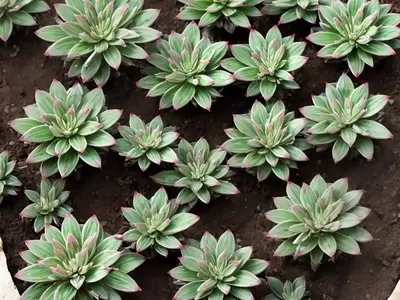
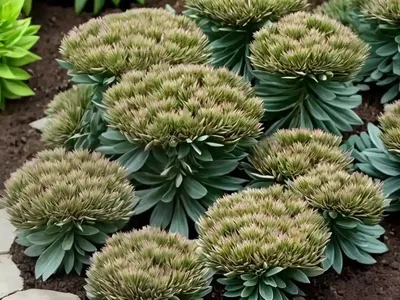
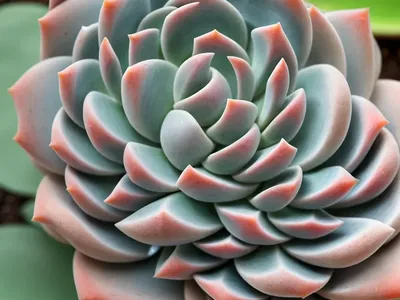
Sedum rupestre, commonly known as Reflexed Stonecrop or Jenny’s Stonecrop, is a resilient and versatile succulent with various landscape and gardening.
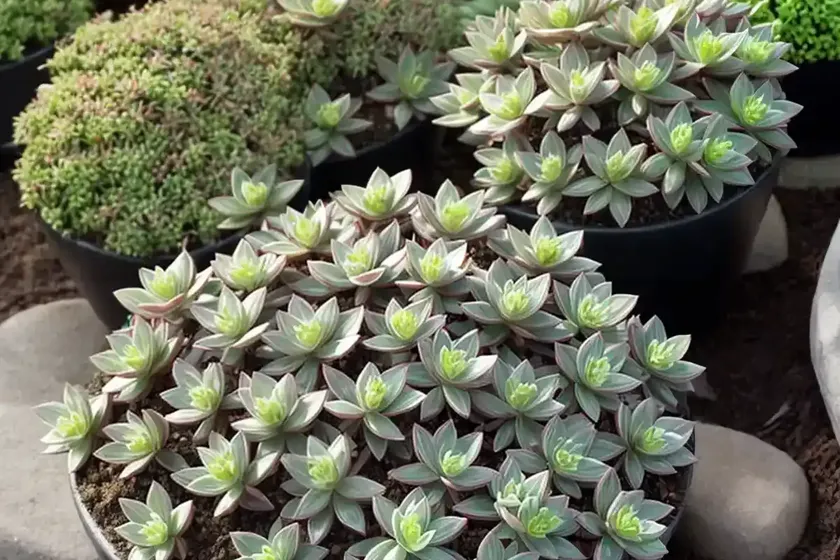
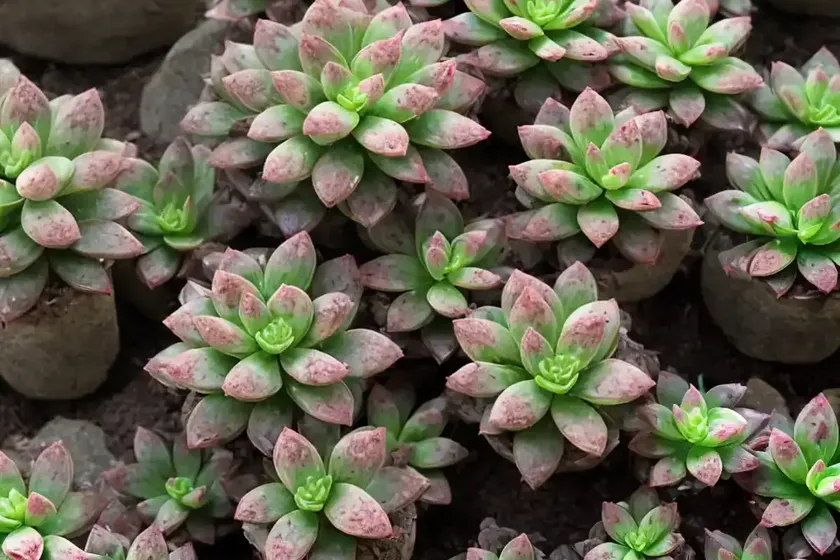
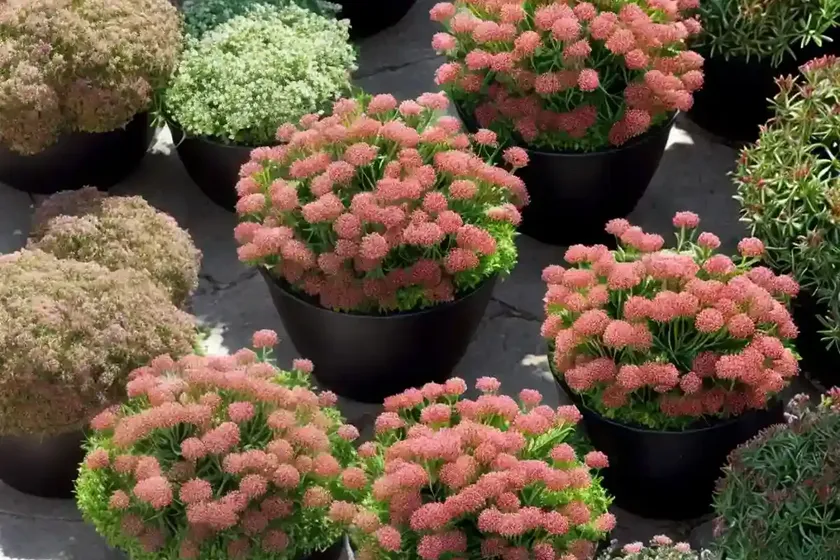
Sedum rupestre, commonly known as Reflexed Stonecrop or Jenny’s Stonecrop, is a resilient and versatile succulent with various landscape and gardening applications. As a plant scientist, I am excited to delve into the world of Sedum rupestre, exploring its growth habits, care requirements, uses, and much more. In this comprehensive guide, we will cover all aspects of Reflexed Stonecrop, Jenny’s Stonecrop (Sedum rupestre), providing valuable insights and practical tips for its cultivation and maintenance.
What is Reflexed Stonecrop, Jenny’S Stonecrop (Sedum rupestre)?
Sedum rupestre is a species of succulent plant in the family Crassulaceae, native to parts of Europe and Asia. It is recognized for its fleshy, evergreen leaves and clusters of vibrant, star-shaped flowers. This perennial plant is characterized by its low-growing, mat-forming habit and its adaptability to various growing conditions, making it an ideal choice for both novice and experienced gardeners.
Key Takeaways – Reflexed Stonecrop, Jenny’S Stonecrop (Sedum rupestre)
Before we delve into the specifics of cultivating and caring for Sedum rupestre, let’s explore the key takeaways associated with this versatile plant. These takeaways will lay the foundation for our in-depth discussion of its culture, uses, maintenance, and more.
- Optimal growing conditions: Sedum rupestre thrives in well-drained soil with ample sunlight and minimal water requirements, making it suitable for a range of gardening environments.
- Versatile uses: From ground cover and border plantings to container gardening and rockeries, Sedum rupestre offers diverse landscaping and horticultural applications.
- Low maintenance: With its drought tolerance and minimal care needs, Reflexed Stonecrop, Jenny’s Stonecrop is an excellent choice for gardeners seeking low-maintenance yet visually appealing plant species.
- Wildlife attraction: Its nectar-rich blooms attract pollinators, contributing to biodiversity in garden ecosystems.
Now that we have an overview of the key characteristics and applications of Sedum rupestre, let’s delve into the specifics of its culture, uses, and care requirements.
Culture
The culture of Sedum rupestre encompasses the environmental conditions, propagation methods, and maintenance practices crucial for its successful growth and development. Understanding the cultural requirements of Reflexed Stonecrop, Jenny’s Stonecrop is fundamental to creating an optimal growing environment for this resilient plant.
Uses
Sedum rupestre presents a myriad of uses, ranging from ornamental landscaping to culinary and medicinal applications. Its versatility makes it a valuable addition to garden and landscape designs, offering aesthetic appeal, ecological benefits, and practical uses.
Landscape and Garden Uses
- Ground cover: The low-growing, spreading habit of Sedum rupestre makes it an excellent ground cover option for sunny areas, where it forms a dense mat of foliage and flowers.
- Border plantings: Its trailing growth and colorful blooms make Reflexed Stonecrop, Jenny’s Stonecrop a charming addition to garden borders, edging walkways and garden beds.
- Rock gardens: Given its native habitat and natural growth habits, Sedum rupestre is well-suited for rock gardens, complementing the rugged landscape with its delicate foliage and blooms.
- Container gardening: Its adaptability to container cultivation allows gardeners to incorporate Sedum rupestre into various pot arrangements, adding texture and visual interest to outdoor spaces.
Culinary and Medicinal Uses
- Culinary applications: While not a primary culinary herb, some varieties of Sedum rupestre are used as edible garnishes and additions to salads, contributing to its culinary versatility.
- Medicinal uses: In traditional medicine, certain species of Sedum have been employed for their purported healing properties, although caution and consultation with healthcare professionals are essential when considering medicinal use.
Water
Understanding the water requirements of Reflexed Stonecrop, Jenny’s Stonecrop is essential for maintaining its health and vigor, particularly in relation to its drought tolerance and susceptibility to overwatering.
Water Needs
- Moderate watering: Sedum rupestre is known for its drought tolerance but benefits from infrequent, deep watering, especially during the active growing season.
- Well-drained soil: To prevent waterlogging and root rot, ensure that the soil has excellent drainage properties to facilitate the efficient removal of excess moisture.
Sunlight
As a succulent plant, Sedum rupestre thrives in sunny conditions, necessitating ample sunlight to support its growth, blooming, and overall vitality.
Sun Exposure
- Full sunlight: Reflexed Stonecrop, Jenny’s Stonecrop flourishes when exposed to full sunlight, typically requiring at least six hours of direct sunlight per day to thrive.
- Bright locations: In regions with intense afternoon sun and high temperatures, providing partial shade during the hottest part of the day may prevent sunscald and stress on the plant.
Fertilizer
Fertilization practices play a role in enhancing the growth and resilience of Sedum rupestre, ensuring that it receives essential nutrients without promoting excessive, lush growth that can compromise its natural habit.
Fertilization Guidelines
- Minimal fertilization: Reflexed Stonecrop, Jenny’s Stonecrop generally requires minimal fertilization, as excessive nutrient levels can lead to leggy growth and diminished flower production.
- Balanced fertilizer: If necessary, use a balanced, slow-release fertilizer sparingly in spring, avoiding high-nitrogen formulations that can encourage excessive foliage at the expense of flowers.
Soil
The choice of soil and its characteristics profoundly impact the health and performance of Sedum rupestre, influencing its ability to establish and thrive in various gardening and landscaping settings.
Soil Requirements
- Well-drained medium: Sedum rupestre prefers well-drained soil, with a mix of coarse sand, perlite, or pumice to improve drainage and prevent water retention around the roots.
- Slightly acidic to neutral pH: A soil pH range of 6.0 to 7.0 suits Reflexed Stonecrop, Jenny’s Stonecrop, ensuring optimal nutrient uptake and root health.
Pruning
Pruning plays a role in maintaining the neat appearance, vigor, and floral abundance of Sedum rupestre, allowing for the removal of spent blooms and promoting new growth.
Pruning Techniques
- Deadheading: Regular removal of spent flower clusters encourages the development of new blooms, prolonging the flowering period and enhancing the aesthetic appeal of the plant.
- Thinning and shaping: As the plant matures, thin out overcrowded growth and shape the plant to maintain its form, particularly in container plantings and garden borders.
Propagation
Propagating Sedum rupestre allows gardeners to expand their plantings, create new arrangements, and share this versatile succulent with fellow gardening enthusiasts.
Propagation Methods
- Division: Divide established clumps of Reflexed Stonecrop, Jenny’s Stonecrop in early spring, carefully separating the root mass into smaller sections for transplanting.
- Stem cuttings: Taking stem cuttings from healthy, actively growing shoots and rooting them in a well-draining medium offers a straightforward propagation method for Sedum rupestre.
Container Popularity
Sedum rupestre’s adaptability to container gardening has contributed to its popularity among gardeners seeking versatile, low-maintenance plants for their outdoor and indoor spaces.
Container Gardening Benefits
- Space-saving: Growing Sedum rupestre in containers allows gardeners to maximize space and create dynamic, portable displays, particularly in urban and limited gardening areas.
- Controlled environment: Containers offer the opportunity to customize the growing conditions, allowing for optimal drainage, sunlight exposure, and soil composition tailored to Reflexed Stonecrop, Jenny’s Stonecrop’s needs.
Common Diseases
Understanding the potential diseases that may affect Sedum rupestre is essential for implementing preventive measures and early intervention to protect the plant’s health.
Disease Diagnosis
- Root and stem rot: Prolonged soil moisture and poor drainage can lead to fungal infections and rot, affecting the roots and lower portions of the plant.
- Powdery mildew: Under humid and poorly ventilated conditions, Sedum rupestre may be susceptible to powdery mildew, characterized by white, powdery patches on the foliage.
Common Pests
Pests can pose a threat to the well-being of Reflexed Stonecrop, Jenny’s Stonecrop, necessitating vigilance and suitable pest management strategies to mitigate their impact.
Pest Identification
- Aphids: These small, sap-sucking insects can infest the tender shoots and flower buds of Sedum rupestre, causing distortion and stunted growth.
- Scale insects: Scale infestations may appear as small, waxy bumps on the stems and leaves, leading to weakened, discolored plant tissues.
Botanist’s Tips
As a plant scientist, I would like to share some practical tips and insights to enhance the cultivation and enjoyment of Sedum rupestre in various gardening and landscaping settings.
Practical Recommendations
- Selecting suitable varieties: Explore the diverse varieties of Sedum rupestre to find options that match your specific gardening needs, whether for ground cover, container gardening, or rockery plantings.
- Monitoring moisture levels: Pay close attention to soil moisture, especially during periods of active growth and in container plantings, to prevent waterlogged conditions that can compromise plant health.
- Companion planting: Consider pairing Reflexed Stonecrop, Jenny’s Stonecrop with other drought-tolerant, sun-loving plants to create visually appealing combinations and promote ecological balance in the garden.
Fun Facts
As we celebrate the charm and resilience of Sedum rupestre, let’s explore some intriguing and delightful facts about this captivating succulent.
Fascinating Tidbits
- Historical significance: Certain species of Sedum have been utilized in traditional herbal medicine and folklore for various ailments, reflecting their historical importance.
- Ecological role: Reflexed Stonecrop, Jenny’s Stonecrop serves as an essential nectar source for pollinators, contributing to the biodiversity and health of garden ecosystems.
Links to External Resources
To further deepen your understanding and appreciation of Sedum rupestre, I have compiled a selection of reputable external resources that offer valuable insights, care tips, and additional information on this versatile succulent.
- The Royal Horticultural Society (RHS) – Sedum rupestre
- Missouri Botanical Garden – Sedum rupestre
- University of Wisconsin-Madison – Groundcovers: Sedum rupestre
In conclusion, Reflexed Stonecrop, Jenny’s Stonecrop (Sedum rupestre) embodies resilience, versatility, and aesthetic appeal, making it a valuable addition to diverse garden and landscape settings. By embracing its cultural requirements, exploring its uses, and implementing best practices for its care, gardeners can enjoy the beauty and functionality of Sedum rupestre in their outdoor spaces, creating vibrant, sustainable habitats for both people and wildlife. Whether gracing a rock garden, edging a border, or adorning a container display, Sedum rupestre inspires with its enduring charm and adaptability.
With this comprehensive guide, you are equipped with the knowledge and practical insights to cultivate and appreciate the myriad virtues of Reflexed Stonecrop, Jenny’s Stonecrop (Sedum rupestre) in your gardening endeavors.
Remember to embrace the sunlight, appreciate the resilience, and savor the beauty of Sedum rupestre as it thrives in your outdoor oasis, enriching your gardening journey with its captivating presence.