Wood Sage (Salvia x sylvestris ‘Schneehügel’ SNOW HILL)
In the world of plants, wood sage, specifically the Salvia x sylvestris ‘Schneehügel’ SNOW HILL, is a captivating and versatile perennial that graces gardens with its exquisite white flowers. As a plant scientist, I am thrilled to delve into the enchanting world of wood sage, exploring its culture, uses, care, and fascinating characteristics. Throughout this comprehensive guide, we will uncover the essential aspects of growing and appreciating the beauty of this remarkable plant.
What is Wood Sage?
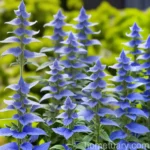
Wood sage, scientifically known as Salvia x sylvestris ‘Schneehügel’ SNOW HILL, is a herbaceous perennial plant that belongs to the Lamiaceae family. This delightful plant is a hybrid of different species within the Salvia genus, known for its aromatic foliage and stunning flower spikes. The ‘Schneehügel’ SNOW HILL variety, in particular, is renowned for its abundant and long-lasting snowy white blooms, which add a touch of elegance to garden landscapes.
Wood sage is native to Europe and Western Asia, where it thrives in a variety of habitats, from open woodlands to meadows and rocky slopes. This adaptable plant has become a beloved ornamental addition to gardens worldwide, cherished for its attractive appearance, captivating fragrance, and ability to attract pollinators such as bees and butterflies.
Key Takeaways – Wood Sage (Salvia x sylvestris ‘Schneehügel’ SNOW HILL)
Before we embark on exploring the various facets of wood sage, let’s outline the key takeaways that will guide us through this in-depth exploration:
- Plant Name: Salvia x sylvestris ‘Schneehügel’ SNOW HILL
- Nomenclature Synonyms: Snow Hill Sage, Salvia sylvestris Snow Hill, Snow Hill Wood Sage
- Classification: Herbaceous Perennial
- Notable Feature: Abundant Snowy White Flowers
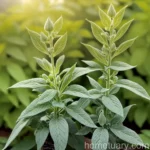
- Foliage: Aromatic, Grey-Green Leaves
- Hardiness Zone: 4-8
- Sunlight: Full Sun to Partial Shade
- Soil Type: Well-Draining, Moist, Fertile
- Height: 18-24 inches
- Spread: 24-36 inches
- Bloom Time: Late Spring to Early Summer
- Uses: Borders, Cottage Gardens, Pollinator Gardens, Cut Flowers
- Special Characteristics: Deer Resistant, Long Blooming, Low Maintenance
With these key points in mind, we will carefully navigate the world of wood sage, uncovering its cultural requirements, uses, care guidelines, and interesting attributes that make it a beloved addition to gardens and landscapes.
Culture
Uses
Though wood sage’s main allure lies in its captivating appearance and fragrant blooms, it offers a myriad of uses that make it a valuable addition to diverse garden settings. Here are some notable uses of Salvia x sylvestris ‘Schneehügel’ SNOW HILL:
-
Ornamental Display: The plant’s profusion of delicate white flowers creates a striking visual impact, making it a popular choice for ornamental and aesthetic purposes in gardens and landscapes.
-
Pollinator Attraction: Wood sage is a favorite among pollinators, especially bees and butterflies, due to its nectar-rich flowers. By including this plant in your garden, you can support and encourage vital pollinator activity.
-
Cut Flowers: The long-lasting flower spikes of wood sage make it a desirable option for cut flower arrangements, adding a touch of elegance to indoor floral displays.
-
Deer Resistance: The aromatic foliage of wood sage possesses natural deer resistance, making it a suitable choice for gardens in areas frequented by deer.
-
Cottage Gardens and Borders: Its compact growth habit and prolific blooms make wood sage an ideal addition to cottage-style gardens, borders, and mixed perennial beds.
-
Medicinal and Culinary Applications: While primarily grown for ornamental purposes, some enthusiasts explore the potential medicinal and culinary uses of wood sage, harnessing its aromatic and flavorful properties.
-
Wildlife Habitat: Wood sage’s nectar-rich blooms and foliage attract a range of beneficial insects and wildlife, contributing to the biodiversity of garden ecosystems.
Water
Proper watering is essential for the health and vitality of wood sage plants, ensuring that they receive adequate moisture without being waterlogged. Here are some key considerations for watering Salvia x sylvestris ‘Schneehügel’ SNOW HILL:
-
Initial Establishment: During the initial establishment phase, provide regular watering to help the plant develop a strong root system. Aim to keep the soil consistently moist but not overly saturated.
-
Established Plants: Once established, wood sage demonstrates good drought tolerance and generally thrives in average moisture conditions. Allow the soil to dry slightly between waterings, particularly in well-draining soil.
-
Signs of Moisture Stress: Pay attention to signs of moisture stress, such as wilting foliage or dry, crumbly soil. Adjust your watering routine accordingly to ensure the plant’s hydration needs are met.
-
Seasonal Variations: During extended periods of hot, dry weather, newly planted wood sage and containers may require more frequent watering to support healthy growth and flowering.
-
Watering Methods: When irrigating wood sage, consider using a soaker hose, drip irrigation, or watering at the base of the plant to minimize moisture on the foliage and reduce the risk of fungal diseases.
Understanding the specific watering needs of wood sage plants is crucial for promoting their overall well-being and blooming potential, contributing to a vibrant display of flowers in the garden.
Sunlight
The availability of sunlight directly influences the growth, flowering, and overall performance of wood sage plants. Understanding the sunlight requirements of Salvia x sylvestris ‘Schneehügel’ SNOW HILL is essential for providing an optimal growing environment. Here’s a comprehensive overview of the plant’s sunlight preferences:
-
Full Sun: Wood sage thrives in full sun conditions, typically defined as at least 6-8 hours of direct sunlight per day. When provided with ample sunlight, the plant exhibits vigorous growth, abundant flowering, and sturdy, compact foliage.
-
Partial Shade: While wood sage prefers full sun, it can tolerate partial shade, especially in regions with intense summer heat. In partial shade, the plant may exhibit slightly elongated growth and fewer flowers, emphasizing the importance of providing adequate sunlight for optimal performance.
-
Morning Sunlight: In regions with hot or scorching afternoon sun, offering morning sunlight coupled with partial shade during the hottest part of the day can provide a favorable balance for wood sage plants.
-
Sunlight Considerations: When selecting a planting location for wood sage, prioritize sites that receive ample sunlight, particularly in the morning and early afternoon. Avoid excessively shaded areas that can compromise the plant’s blooming potential and overall vitality.
-
Sunlight and Flowering: Adequate sunlight is essential for promoting prolific flowering in wood sage. By ensuring that the plant receives the necessary light exposure, you can enjoy an abundance of pristine white blooms throughout the flowering season.
Understanding and meeting the sunlight requirements of wood sage plants is instrumental in fostering robust growth, vibrant flowering, and the overall health and resilience of these captivating perennials.
Fertilizer
Appropriate fertilization practices play a pivotal role in supporting the growth, flowering, and overall vigor of wood sage plants. By providing essential nutrients and promoting healthy soil conditions, well-timed fertilization can enhance the plant’s ornamental value and longevity. Here’s a comprehensive guide to fertilizing Salvia x sylvestris ‘Schneehügel’ SNOW HILL:
-
Soil Testing: Before applying fertilizers, consider conducting a soil test to assess the existing nutrient levels and pH of the soil. This information can help tailor a fertilizer regimen that addresses potential deficiencies and optimizes growing conditions.
-
Timing: Apply a balanced, slow-release fertilizer in early spring as new growth emerges, promoting steady nutrition throughout the growing season. Avoid over-fertilizing, as excessive nutrients can lead to lush foliage at the expense of flower production.
-
Fertilizer Selection: Utilize a general-purpose granular fertilizer with balanced N-P-K (nitrogen, phosphorus, and potassium) ratios, such as a 10-10-10 or 5-5-5 formulation. These balanced fertilizers provide essential nutrients without promoting excessive vegetative growth.
-
Application Method: Distribute the fertilizer evenly around the base of the wood sage plant, following the recommended application rates specified on the product label. Gently work the fertilizer into the top layer of soil, taking care to avoid direct contact with the plant’s stems or foliage.
-
Organic Alternatives: Organic fertilizers, such as compost, well-rotted manure, or organic-based formulations, can be beneficial for enriching the soil and promoting long-term soil health. These natural sources of nutrients contribute to sustainable and environmentally friendly gardening practices.
-
Cautionary Considerations: Exercise caution when fertilizing wood sage, as excessive nitrogen can lead to excessive vegetative growth at the expense of flowering. Prioritize balanced and moderate fertilization to support a harmonious balance between foliage and flowers.
Properly timed and balanced fertilization provides wood sage with the essential nutrients necessary for robust growth, abundant flowering, and enduring vitality in garden landscapes.
Soil
The quality and composition of the soil directly influence the growth, flowering, and overall performance of wood sage plants. Understanding the soil preferences and requirements of Salvia x sylvestris ‘Schneehügel’ SNOW HILL is essential for establishing a conducive growing environment. Here’s a comprehensive overview of the plant’s soil considerations:
-
Well-Draining Soil: Wood sage thrives in well-draining soil that prevents waterlogging and facilitates healthy root development. Avoid compacted or water-retentive soils that can lead to root rot and other moisture-related issues.
-
Moisture Retention: While well-draining, the soil should retain adequate moisture to sustain the plant during dry periods. Incorporating organic matter, such as compost or aged manure, can enhance soil texture and water retention while promoting beneficial microbial activity.
-
Soil pH: Wood sage prefers slightly alkaline to neutral soil pH ranging from 6.5 to 7.5. Conduct a soil pH test to determine the existing pH levels and make amendments as needed to create an optimal growing environment for the plant.
-
Soil Amendments: If the soil pH deviates significantly from the plant’s preferred range, consider incorporating pH-adjusting amendments such as lime to raise pH or elemental sulfur to lower pH. Follow recommended application rates based on soil test results.
-
Mulching: Applying a layer of organic mulch, such as shredded bark, compost, or dry grass clippings, around the base of wood sage plants can help conserve soil moisture, deter weeds, and regulate soil temperature, contributing to overall plant health.
-
Soil Preparation: Before planting wood sage, cultivate the soil to a depth of 12-18 inches, incorporating organic matter to improve soil structure and fertility. This preparatory step encourages strong root establishment and promotes vigorous growth upon planting.
-
Container Considerations: When growing wood sage in containers, utilize well-draining potting mixes formulated for perennial plants. Ensure containers have drainage holes to prevent water accumulation and root suffocation.
By addressing the specific soil preferences of wood sage and providing an ideal growing medium, gardeners can cultivate robust, thriving plants that exhibit prolific flowering and enduring vitality.
Pruning
Pruning plays a pivotal role in maintaining the health, appearance, and longevity of wood sage plants, helping to manage growth, enhance flowering, and rejuvenate the foliage. Understanding the principles and practices of pruning Salvia x sylvestris ‘Schneehügel’ SNOW HILL is essential for promoting the plant’s overall well-being. Here’s a comprehensive guide to pruning wood sage:
-
Spring Pruning: In early spring, assess the wood sage plant for any winter damage, dead or diseased growth, and overcrowded stems. Use clean, sharp pruners to remove damaged or unhealthy foliage and promote a tidy, rejuvenated appearance.
-
Deadheading: Promptly deadhead spent flower spikes by trimming them down to the base of the plant to encourage continuous blooming and prevent the plant from expending energy on seed production. Regular deadheading also maintains a tidy and refined aesthetic.
-
Encouraging New Growth: When the initial flush of flowering subsides, consider lightly shearing back the foliage and spent flower stalks to stimulate new growth and potential reblooming. This practice can rejuvenate the plant’s appearance and promote extended flowering.
-
Pruning Frequency: While wood sage generally exhibits tidy growth and does not require extensive pruning, periodic maintenance pruning can help manage size, promote better airflow, and prevent overcrowding in perennial beds and borders.
-
Division: Every 3-4 years, consider dividing mature wood sage clumps to rejuvenate the plant, manage size, and prevent overcrowding. Divide the plant in early spring or late summer, ensuring that each division retains healthy roots and shoots.
-
Sterilization: When pruning or dividing wood sage, ensure that pruning tools are sterilized with rubbing alcohol or a diluted bleach solution to prevent the spread of diseases between plants.
-
Cautionary Considerations: While wood sage is generally resilient and forgiving of pruning, avoid excessively aggressive or late-season pruning that can compromise the plant’s vigor and diminish its ability to overwinter successfully.
By implementing appropriate pruning practices and timing, gardeners can maintain the health, appearance, and longevity of wood sage plants, fostering vibrant growth and abundant flowering in garden settings.
Propagation
Propagating wood sage allows gardeners to expand their plant collections, share the beauty of this perennial with others, and rejuvenate mature specimens. Several propagation methods can be employed to propagate Salvia x sylvestris ‘Schneehügel’ SNOW HILL, each offering unique benefits and potential challenges. Here’s a comprehensive overview of wood sage propagation techniques:
-
Division: Divide mature wood sage clumps in early spring or late summer to propagate new plants. Use a sharp spade to carefully separate the clump into smaller sections, ensuring that each division possesses healthy roots and viable shoots. Plant divisions at the same depth as the original plant and provide consistent moisture to facilitate establishment.
-
Seed Propagation: Collect seeds from mature wood sage plants after flowering, and sow them in well-draining seed-starting mix in early spring. Maintain consistent moisture and provide ample sunlight to encourage germination and seedling growth. Transplant seedlings into individual pots once they develop several sets of true leaves.
-
Softwood Cuttings: In late spring or early summer, take 3-4 inch softwood cuttings from healthy, non-flowering shoots of wood sage. Remove lower leaves, dip the cut end in rooting hormone powder, and plant the cuttings in a well-draining rooting medium. Maintain high humidity and warmth to promote root development.
-
Root Division: When transplanting mature wood sage plants, consider carefully dividing and minimizing disturbance to the root system to propagate new plants. This method is particularly effective when transferring established wood sage specimens and creating additional plants from the existing root structure.
-
Propagation Considerations: Regardless of the method employed, prioritize providing consistent moisture, warmth, and appropriate environmental conditions to facilitate successful propagation and establishment of new wood sage plants.
By exploring diverse propagation methods and techniques, gardeners can expand their wood sage collection, foster new plants for personal enjoyment, and share the beauty of this captivating perennial with fellow plant enthusiasts.
Container Popularity
Given its compact growth habit, vibrant flowering, and versatile nature, wood sage, particularly the Salvia x sylvestris ‘Schneehügel’ SNOW HILL variety, is well-suited for container cultivation. The plant’s ornamental charm, low maintenance requirements, and adaptability make it an appealing choice for container gardening enthusiasts seeking to introduce captivating perennials to their outdoor or indoor spaces. Here’s an exploration of the varying aspects that contribute to the popularity of wood sage in container gardening:
-
Space-Saving Elegance: Wood sage’s compact growth habit and prolific flowering make it an ideal candidate for container gardening, bringing elegance and visual appeal to small urban gardens, balconies, and patios.
-
Seasonal Versatility: With proper care and maintenance, wood sage can thrive in containers throughout the growing season, offering continuous blooms and adding seasonal interest to outdoor living spaces.
-
Pollinator Attraction: Even in containers, wood sage’s nectar-rich flowers attract beneficial pollinators, such as bees and butterflies, contributing to the overall biodiversity and vitality of container gardens.
-
Portability: Container-grown wood sage offers the flexibility of being moved to different locations to optimize sunlight exposure, adjust to changing weather conditions, or enhance aesthetic arrangements.
-
Design Element: Wood sage’s graceful form, attractive foliage, and abundant flower spikes add a dynamic and visually engaging element to container compositions, serving as focal points or complementary components in mixed plantings.
-
Ease of Care: Wood sage’s low maintenance requirements, including moderate watering and occasional fertilization, make it an accessible and rewarding choice for container gardening enthusiasts of varying experience levels.
-
Overwintering: In regions with harsh winter conditions, containers of wood sage can be overwintered in protected areas or provided with insulation to safeguard the plants and encourage successful regrowth in the following growing season.
-
Variety of Containers: Wood sage can be grown in an array of container types, including terracotta pots, decorative planters, window boxes, and ornamental containers, allowing for diverse and creative presentations in outdoor and indoor settings.
By embracing container gardening, enthusiasts have the opportunity to showcase the enchanting beauty of wood sage, create stunning focal points, and unleash their creativity in cultivating captivating outdoor living spaces.
Common Diseases
As with any plant, wood sage, including the Salvia x sylvestris ‘Schneehügel’ SNOW HILL variety, may be susceptible to certain diseases and disorders that can impact its overall health and appearance. Recognizing common diseases and practicing preventive measures can help mitigate potential issues and sustain the vitality of wood sage in garden landscapes. Here’s an overview of common diseases that may affect wood sage and strategies for disease prevention and management:
Powdery Mildew
-
Symptoms: Powdery mildew appears as a white, powdery growth on the foliage of wood sage, typically beginning on the upper leaf surfaces. As the disease progresses, the affected leaves may become distorted, discolored, or prematurely senesce.
-
Preventive Measures: Provide ample airflow around wood sage plants by spacing them appropriately, avoiding crowded plantings, and promoting good air circulation. Monitor soil moisture to prevent overwatering, as excessively damp conditions can contribute to powdery mildew development.
-
Cultural Practices: Adequate sunlight, moderate fertilization, and overall plant vigor can enhance wood sage’s natural resistance to powdery mildew. Avoid high-nitrogen fertilizers that promote lush growth at the expense of disease susceptibility.
-
Fungicidal Treatments: In severe cases, apply fungicidal treatments labeled for powdery mildew control, following the manufacturer’s instructions and safety guidelines. Consult with local gardening experts or extension services for specific fungicide recommendations and application protocols.
Root Rot
- Symptoms: Root rot, caused by various soil-borne pathogens, can lead to wilting, yellowing foliage, and stunted growth in wood sage. The plant may exhibit decreased vigor