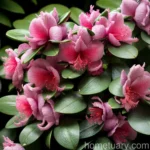
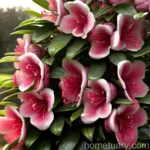
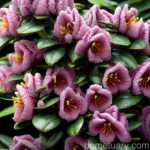
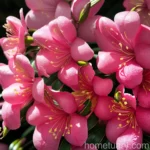
Evergreen Azalea (Rhododendron ‘Corsage’)
Evergreen azaleas are a delightful addition to any garden, with their vibrant and abundant blooms bringing color to the landscape. Among the numerous varieties available, the Rhododendron ‘Corsage’ stands out for its unique characteristics and appeal. In this comprehensive guide, we’ll delve into the world of evergreen azaleas, particularly focusing on the ‘Corsage’ variety, exploring its culture, uses, care requirements, and much more.
What is an Evergreen Azalea?
Azaleas are part of the Rhododendron genus and are renowned for their stunning and vibrant blooms. The ‘Corsage’ variety, in particular, is a crowd favorite, thanks to its unique and eye-catching flowers. As its name suggests, the evergreen azalea retains its leaves throughout the year, providing year-round interest in the garden.
Key Takeaways – Evergreen Azalea (Rhododendron ‘Corsage’)
Before we dive into the specifics of the ‘Corsage’ variety, let’s take a moment to understand the key takeaways related to this delightful evergreen azalea:
- Plant Name: Rhododendron ‘Corsage’
- Other Names: Evergreen azalea ‘Corsage’, Corsage azalea
- Characteristics: Stunning blooms, evergreen foliage, year-round appeal
- Maintenance: Low-maintenance, disease resistant, easy to care for
- Uses: Ideal for gardens, borders, woodland settings, and containers
- Features: Attracts pollinators, vibrant foliage colors, adaptable to various soil types and pH levels
- Care Requirements: Regular watering, acidic soil, partial shade, minimal pruning
With these key points in mind, let’s explore the world of the ‘Corsage’ evergreen azalea in more detail.
Culture
Understanding the cultural requirements of the evergreen azalea, particularly the ‘Corsage’ variety, is essential for its successful growth and development. Here are the primary aspects to consider:
-
Climate: Evergreen azaleas thrive in temperate climates and are well-suited for USDA hardiness zones 6-9, although specific cultivars may exhibit variations in their cold hardiness.
-
Soil: Acidic, well-draining soil is crucial for the growth of evergreen azaleas. A soil pH between 4.5 and 6.0 is ideal for these plants. Additionally, incorporating organic matter into the soil can enhance its fertility and drainage properties.
-
Watering: Adequate and consistent moisture is vital, especially during the flowering and bud development stages. However, it’s important to ensure that the soil is not waterlogged, as this can lead to root rot and other issues. Mulching around the base of the plant can help in retaining soil moisture.
-
Temperature: While evergreen azaleas can tolerate some sunlight, they generally prefer partial shade to protect them from the intense midday sun. Additionally, they benefit from protection against strong winds, which can cause desiccation of the foliage.
-
Planting: When planting evergreen azaleas, it is recommended to provide ample space for growth and ensure proper air circulation around the plants. Planting in slightly raised beds or mounds can aid in improving drainage.
Uses
Evergreen azaleas, including the ‘Corsage’ variety, have a wide range of uses in garden and landscape settings. Here are some common applications:
-
Garden Planting: These azaleas make stunning additions to garden beds and borders, adding bursts of color and texture. Their year-round foliage serves as an attractive backdrop for other seasonal plants and flowers.
-
Woodland Gardens: Due to their partial shade requirements, evergreen azaleas, including ‘Corsage’, are well-suited for woodland garden settings, where they can thrive under the dappled light provided by trees.
-
Containers: The ‘Corsage’ variety, with its compact growth habit, is well-adapted for container planting. Whether as standalone features on a patio or arranged with other plants in mixed containers, they bring an element of elegance and charm.
-
Accent Plant: These azaleas can serve as focal points in the landscape, particularly when they burst into bloom, showcasing their vibrant and showy flowers.
Water
Proper watering is essential for the health and vitality of evergreen azaleas. Here are some key considerations for watering these plants, including the ‘Corsage’ variety:
-
Moisture Requirements: Evergreen azaleas, including ‘Corsage’, thrive in moist, but not waterlogged, conditions. Adequate moisture is particularly important during dry spells and hot weather, especially for newly established plants.
-
Watering Frequency: It’s essential to water azaleas deeply and less frequently, rather than frequent shallow waterings. This encourages the development of a robust root system.
-
Avoiding Water Stress: During periods of insufficient rainfall, it’s important to monitor the soil moisture levels and provide supplemental watering when necessary. Additionally, mulching around the base of the plants can help in retaining soil moisture and reducing water stress.
-
Signs of Overwatering: Excessive watering can result in waterlogged soil and lead to root rot. Signs of overwatering include yellowing leaves, wilting, and a general decline in the plant’s health.
Sunlight
Understanding the sunlight requirements of the ‘Corsage’ evergreen azalea is crucial for ensuring its optimal growth and blooming. Here’s what you need to know about sunlight needs:
-
Partial Shade: Evergreen azaleas, including the ‘Corsage’ variety, prefer partial shade, particularly in the afternoon, to protect them from the harsh midday sun. They thrive in dappled sunlight or areas with filtered light.
-
Sun Tolerance: While they prefer partial shade, these azaleas can tolerate some morning sun, especially in cooler climates. However, prolonged exposure to intense sunlight can result in leaf scorch and diminished flowering.
-
Protection from Hot Afternoon Sun: Providing some form of protection from the hot afternoon sun, such as positioning them under the canopy of trees or near structures, can help in maintaining the health and vigor of the plants.
-
Indoor Conditions: When grown as houseplants, evergreen azaleas, including the ‘Corsage’ variety, benefit from bright, indirect light, such as that provided by a north or east-facing window.
Fertilizer
Proper fertilization is essential for supporting the growth, blooming, and overall health of evergreen azaleas. Here are the key considerations for fertilizing the ‘Corsage’ variety:
-
Acidic Fertilizers: Evergreen azaleas, like the ‘Corsage’ variety, require fertilizers specifically formulated for acid-loving plants. Using a balanced, slow-release, or organic fertilizer designed for azaleas and rhododendrons can provide the necessary nutrients without causing a sudden growth spurt.
-
Timing: Fertilize evergreen azaleas in early spring, just as new growth begins, to support the development of flower buds and lush foliage. Avoid fertilizing late in the growing season, as this can stimulate late growth that may not harden off before winter.
-
Application Method: It’s important to apply the fertilizer evenly around the base of the plant, avoiding direct contact with the stems. Water the plants thoroughly after applying the fertilizer to help it penetrate the soil.
-
Avoid Overfertilization: Excessive fertilization can lead to salt buildup in the soil, which can damage the roots of the plants. Following the recommended application rates and frequency is crucial for preventing overfertilization.
Soil
The soil composition and pH level play crucial roles in the health and vigor of evergreen azaleas, including the ‘Corsage’ variety. Here’s what you need to know about soil requirements:
-
Acidic Soil: Evergreen azaleas thrive in acidic soil with a pH range of 4.5 to 6.0. It’s important to conduct a soil test to determine the existing pH level and make necessary amendments to lower the pH if required.
-
Organic Matter: Incorporating organic matter, such as peat moss, well-decomposed pine bark, or compost, into the soil can improve its structure, fertility, and acidity, creating an optimal environment for the growth of evergreen azaleas.
-
Well-Draining Soil: Proper drainage is essential for preventing waterlogging, which can lead to root rot. Amending heavy clay soils with sand or organic matter can improve their drainage properties.
-
Raised Beds or Mounds: Planting evergreen azaleas, including the ‘Corsage’ variety, in raised beds or mounds can help in improving soil drainage, particularly in areas with poorly draining soils.
Pruning
Pruning plays a vital role in shaping the growth, enhancing the appearance, and rejuvenating evergreen azaleas, including the ‘Corsage’ variety. Here’s what you need to know about pruning practices:
-
Timing: The best time to prune evergreen azaleas is immediately after flowering, typically in late spring or early summer. This allows sufficient time for the development of new flower buds for the following blooming season.
-
Objective of Pruning: Pruning aims to remove dead or diseased wood, shape the plant, promote air circulation, and encourage new growth. It’s important to avoid heavy pruning, as this can reduce the following year’s flower production.
-
Tools: Sharp, sterilized pruning shears or loppers are essential for making clean cuts without causing unnecessary damage to the plant. Wiping the blades with rubbing alcohol or a disinfecting solution between cuts helps in preventing the spread of diseases.
-
Deadheading: Removing faded flowers, a practice known as deadheading, can help in maintaining the plant’s appearance and channeling its energy into new growth rather than seed production.
-
Rejuvenation Pruning: Older or overgrown evergreen azaleas may benefit from rejuvenation pruning to encourage new growth and improve their overall appearance. This involves selectively removing older branches to stimulate the development of new shoots.
Propagation
For those eager to expand their collection of evergreen azaleas or share the beauty of the ‘Corsage’ variety with others, propagation is an appealing option. Here are the primary methods of propagating these plants:
-
Cuttings: Propagation from cuttings is one of the most common methods for evergreen azaleas. Softwood cuttings taken in late spring or early summer can be rooted in a well-draining medium to produce new plants.
-
Layering: Air layering, a method that involves inducing roots to develop on a stem still attached to the parent plant, can also be successful for propagating evergreen azaleas.
-
Division: While not as commonly used for evergreen azaleas, division of larger and well-established plants can be carried out in early spring.
-
Seed Propagation: Growing evergreen azaleas from seeds is possible but requires patience, as the resulting plants may not retain the exact characteristics of the parent plant.
Container Popularity
The ‘Corsage’ evergreen azalea, with its compact growth habit and stunning blooms, is a popular choice for container planting. Here are the reasons for its popularity in container gardening:
-
Compact Size: The ‘Corsage’ variety’s compact growth habit makes it well-suited for containers, where it can thrive as a standalone feature or as part of a mixed container arrangement.
-
Versatility: Evergreen azaleas in containers add color, texture, and visual interest to patios, decks, and other outdoor spaces. They can also be moved to different locations to suit changing aesthetic preferences or sunlight conditions.
-
Year-Round Interest: With their evergreen foliage and vibrant blooms, ‘Corsage’ azaleas provide year-round appeal in containers, serving as focal points in the garden throughout the seasons.
-
Adaptability: Containerized evergreen azaleas, including the ‘Corsage’ variety, are adaptable to various potting mixes and can thrive provided they receive the necessary sunlight, water, and nutrients.
Common Diseases
Evergreen azaleas, including the ‘Corsage’ variety, are generally hardy and resistant to many diseases. However, they can be susceptible to certain issues under unfavorable growing conditions. Here are some common diseases to be aware of:
-
Powdery Mildew: This fungal disease appears as a white, powdery growth on the leaves, typically in warm and humid conditions. Avoid overhead watering and promote good air circulation to prevent powdery mildew.
-
Leaf Spot: Leaf spot diseases manifest as dark spots or lesions on the foliage, often caused by fungal pathogens. Removing affected leaves and promoting proper air circulation can help in managing leaf spot.
-
Root Rot: Waterlogged or poorly-draining soils can lead to root rot in evergreen azaleas. Ensuring well-draining soil and avoiding overwatering are crucial for preventing this issue.
-
Petal Blight: This disease affects the flowers, causing them to become discolored, mushy, and unattractive. Proper sanitation and removal of affected flowers can help in preventing the spread of petal blight.
-
Phytophthora Root Rot: This soil-borne disease can be particularly damaging to evergreen azaleas, causing root rot and decline of the plant. Maintaining proper soil drainage and avoiding overwatering are essential for preventing phytophthora root rot.
Disease Diagnosis
Diagnosing and addressing diseases in evergreen azaleas, including the ‘Corsage’ variety, requires careful observation and prompt action. Here’s how to identify and address potential diseases:
-
Leaf Symptoms: Pay attention to any discoloration, spots, or lesions on the leaves, as these can indicate fungal or bacterial diseases.
-
Flower Issues: Inspect the flowers for any abnormalities, such as petal blight or other signs of disease.
-
Root Health: While not immediately visible, the health of the plant’s roots is crucial. If the foliage is healthy but the plant appears to be in decline, root rot may be the issue.
-
Consulting Experts: If you’re unsure about a particular issue affecting your evergreen azaleas, it’s advisable to seek the advice of local horticulturists, plant pathologists, or extension services for accurate diagnosis and treatment recommendations.
Common Pests
While evergreen azaleas, including the ‘Corsage’ variety, are relatively resistant to pest infestations, they can occasionally face challenges from certain pests. Here are some common pests to watch out for:
-
Azalea Lace Bug: These tiny insects feed on the undersides of azalea leaves, causing stippling and discoloration. Regular monitoring and early intervention can help in managing lace bug populations.
-
Spider Mites: These arachnids are known for causing stippling and webbing on the foliage of plants, particularly in hot and dry conditions. Hose off the foliage and use insecticidal soaps to control spider mite infestations.
-
Whiteflies: Whiteflies can be problematic for evergreen azaleas, particularly in greenhouse or indoor settings. Yellow sticky traps and insecticidal soaps can aid in controlling whitefly populations.
-
Scale Insects: Scale insects can appear as small, waxy bumps on the stems or foliage of plants. Pruning out heavily infested branches and applications of horticultural oils can help in managing scale populations.
-
Caterpillars: Some caterpillar species, such as azalea caterpillars, can feed on the foliage of evergreen azaleas. Hand-picking caterpillars or using biological control methods can aid in minimizing their damage.
Botanist’s Tips
For optimal success with evergreen azaleas, including the ‘Corsage’ variety, it’s helpful to keep the following botanist’s tips in mind:
-
Soil Testing: Regularly testing the soil pH and making necessary adjustments can ensure that the evergreen azaleas have the acidic environment they require for healthy growth.
-
Mulching: Applying a layer of organic mulch around the base of the plants can help in preserving soil moisture, regulating soil temperature, and suppressing weed growth.
-
Monitoring Watering: Maintaining consistent soil moisture, especially during dry periods and hot weather, is essential for the health and vitality of evergreen azaleas. Avoid overwatering, particularly in poorly-draining soils.
-
Optimal Planting: When planting evergreen azaleas, provide adequate spacing between individual plants to promote good air circulation and prevent overcrowding.
-
Integrated Pest Management: Implementing an integrated pest management approach can help in managing pest issues while minimizing the use of chemical pesticides.
Fun Facts
Delve into the fascinating world of evergreen azaleas with these intriguing fun facts:
-
Symbolism: In many cultures, azaleas symbolize traits such as femininity, elegance, and abundance, making them popular choices for gifts and celebrations.
-
Biodiversity: The Rhododendron genus, to which azaleas belong, is incredibly diverse, with over 1,000 species and innumerable cultivated varieties, showcasing a wide array of colors, sizes, and growth habits.
-
Cultural Significance: Azaleas have held cultural significance in various regions around the world, featuring prominently in art, literature, and horticultural traditions.
-
Hybridization: The ‘Corsage’ variety, like many other cultivated azaleas, is the result of careful hybridization efforts aimed at creating plants with specific characteristics such as flower color, form, and blooming times.
Links to External Resources
For further insights on evergreen azaleas, their cultivation, and specific care tips for the ‘Corsage’ variety, explore the following external resources:
By delving into the intricate world of evergreen azaleas, particularly the captivating ‘Corsage’ variety, we’ve uncovered a wealth of information to help you successfully cultivate and appreciate these stunning plants. From their cultural requirements to pest management strategies and fun facts, the allure of evergreen azaleas continues to captivate gardeners and plant enthusiasts around the world. Whether you’re seeking to add a vibrant splash of color to your garden or exploring the diverse world of rhododendrons, these valuable insights serve as a guide to enhance your appreciation and care of the beautiful ‘Corsage’ evergreen azalea.
Thank you for joining me on this exploration of evergreen azaleas, and may your gardening endeavors be filled with an abundance of beauty and flourishing plant life!