Wart Fern (Phymatosorus Scolopendria)
Plants bring joy, beauty, and a sense of tranquility to our lives. They not only enhance the aesthetics of our living spaces but also contribute to the.
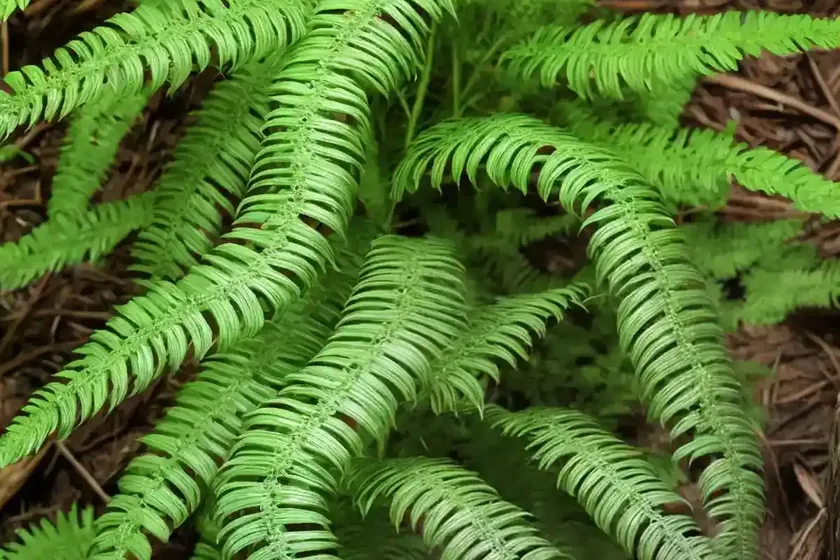
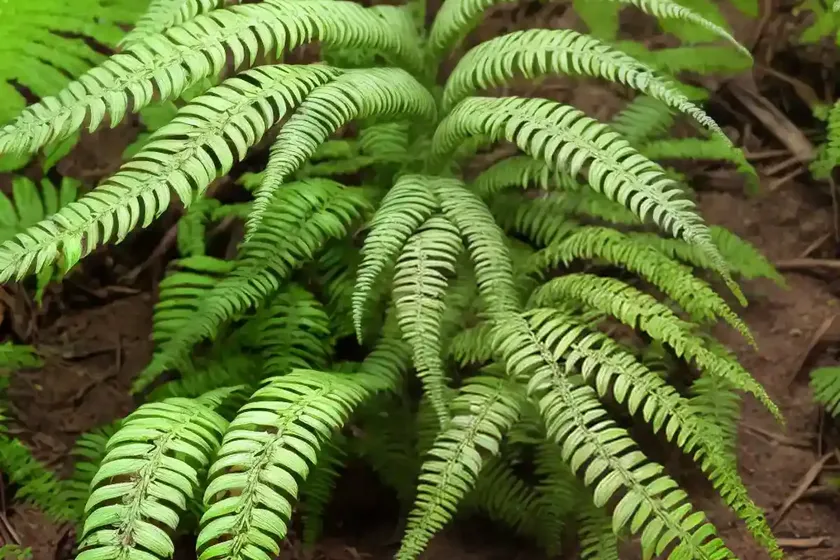
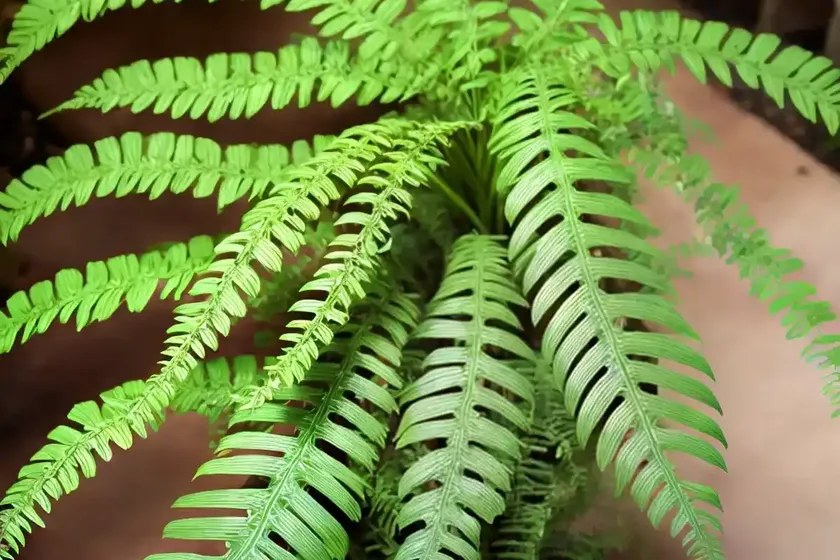
Plants bring joy, beauty, and a sense of tranquility to our lives. They not only enhance the aesthetics of our living spaces but also contribute to the overall well-being of the environment. One such captivating plant is the Wart Fern, scientifically known as Phymatosorus scolopendria. In this comprehensive guide, we will delve into the intricacies of caring for and cultivating this remarkable fern species.
What is Wart Fern (Phymatosorus scolopendria)?
Wart fern, or Phymatosorus scolopendria, is an enchanting fern species characterized by its distinct wart-like projections on the underside of its fronds. This tropical fern belongs to the plant family Polypodiaceae and is native to various regions, including Asia, Africa, and Oceania. The unique appearance of the wart fern, coupled with its ease of care, has made it a popular choice among plant enthusiasts and gardeners.
Key Takeaways – Wart Fern (Phymatosorus scolopendria)
Before we delve into the specifics of caring for wart fern, let’s highlight some key takeaways about this fascinating plant:
- Scientific Name: Phymatosorus scolopendria
- Common Name: Wart Fern
- Plant Type: Tropical fern
- Distinct Feature: Wart-like projections on the underside of fronds
- Growth Habit: Epiphytic or terrestrial
- Native Habitat: Tropical and subtropical regions of Asia, Africa, and Oceania
Now that we have an overview of the wart fern, let’s explore the essential aspects of its care and cultivation.
Culture
Cultivating wart ferns involves creating an environment that mimics their natural habitat. By understanding the cultural requirements of these ferns, you can ensure their optimal growth and well-being.
Uses
Before we discuss the specific care requirements, let’s take a moment to appreciate the versatility of wart ferns in various settings:
- Indoor Ornamental Plant: Wart ferns make captivating additions to indoor spaces, contributing to a tropical ambiance with their lush green fronds.
- Terrarium Plant: Due to their compact size and adaptability to high humidity, wart ferns are popular choices for terrariums, adding a touch of greenery to these enclosed environments.
- Outdoor Landscaping: In suitable climates, wart ferns can be utilized for landscaping shaded areas, adding texture and visual interest to garden beds or wooded areas.
The diverse uses of wart ferns expand their appeal to indoor and outdoor gardening enthusiasts, making them a valuable addition to any plant collection.
Water
Proper watering is crucial for the health and vitality of wart ferns. These ferns thrive in consistently moist but well-draining conditions, replicating the humid environments of their native habitats.
- Watering Frequency: During the growing season, it is essential to keep the soil consistently moist. However, avoid waterlogged conditions, as they can lead to root rot and other detrimental issues. In winter or during dormancy, reduce watering while ensuring the soil does not completely dry out.
- Watering Method: It is advisable to water wart ferns at the base, directly into the soil or growing medium, to prevent water from accumulating on the fronds and causing potential issues such as fungal infections or rot.
Sunlight
Wart ferns exhibit a preference for filtered or indirect light, making them well-suited for shaded or partially shaded environments. Understanding their light requirements is pivotal in creating an optimal growing environment.
- Light Conditions: Ideally, wart ferns thrive in dappled or indirect light. Direct sunlight should be avoided as it can scorch the delicate fronds and lead to leaf damage.
- Indoor Placement: When grown indoors, position wart ferns near windows with sheer curtains or in areas where they can receive bright, indirect light. Avoid placing them in close proximity to sources of intense sunlight, such as south-facing windows during peak hours.
Fertilizer
Providing the appropriate nutrients is essential for the overall vigor and growth of wart ferns. However, their fertilization needs differ from those of many other houseplants due to their unique habitat requirements.
- Fertilizer Type: Wart ferns benefit from a balanced, water-soluble fertilizer, particularly during the active growing season. A diluted, balanced fertilizer with an N-P-K ratio of 10-10-10 or similar can be applied every one to two months to provide essential nutrients without the risk of over-fertilization.
- Application Method: Apply the diluted fertilizer solution to moist soil to prevent potential root damage. During the dormant or winter months, reduce or cease fertilization to align with the plant’s reduced nutrient requirements.
Soil
Selecting the right type of soil or growing medium is pivotal in ensuring the well-being and longevity of wart ferns. Their preference for consistently moist but well-draining conditions necessitates attention to the soil composition.
- Ideal Soil Composition: A well-draining, peat-based potting mix, supplemented with components such as perlite or bark, creates an ideal growing medium for wart ferns. This type of soil mixture provides the necessary moisture retention while preventing waterlogged conditions.
- Root Conditions: Airy, well-draining soil allows for healthy root development, reducing the risk of root rot and other moisture-related issues.
Pruning
Regular pruning serves both aesthetic and functional purposes in the care of wart ferns. Removal of old fronds, damaged foliage, and occasional grooming can contribute to the overall health and appearance of the plants.
- Pruning Technique: Gently remove discolored, withered, or damaged fronds at the base of the plant using clean, sharp pruning shears. Pruning during the growing season allows the fern to allocate its resources more efficiently and encourages new growth.
- Sanitation: Pruning tools should be sanitized before use to prevent the spread of diseases or pathogens between plants. Wiping the blades with a solution of alcohol or a disinfecting agent helps maintain a clean and safe pruning process.
Propagation
Expanding your collection of wart ferns through propagation is a rewarding venture. There are several methods to propagate these ferns, each with its own set of benefits and considerations.
- Spore Propagation: Wart ferns produce spores on the undersides of their fronds, which can be collected and used to propagate new plants. This method yields genetic clones of the parent plant and allows for the production of a large number of offspring.
- Division: Propagating wart ferns through division involves separating the rhizomes or sections of the root system to create new individual plants. This method enables the division of established ferns into multiple specimens, each with its own root system and growth potential.
Container Popularity
Wart ferns are favored for container gardening due to their compact size, adaptability to indoor environments, and ornamental value. These qualities make them versatile and appealing choices for various container gardening settings.
- Indoor Containers: Wart ferns thrive in containers placed indoors, adding greenery and visual interest to living spaces. Paired with decorative pots or planters, they serve as delightful accents in indoor environments.
- Terrariums and Dish Gardens: Due to their compact growth habit and appreciation for high humidity, wart ferns are popular choices for terrariums and dish gardens. Their lush foliage and low maintenance requirements make them well-suited for these enclosed environments.
Common Diseases
Understanding and recognizing common diseases that can affect wart ferns is essential for proactive management and the overall health of the plants. By being aware of potential issues, you can take appropriate measures to mitigate their impact.
- Fungal Infections: Wart ferns are susceptible to fungal diseases, particularly when exposed to prolonged periods of high humidity and inadequate air circulation. Common fungal issues include leaf spot and root rot, which can manifest as discolored or wilting fronds.
- Pest-Related Concerns: While wart ferns are relatively resistant to pests, occasional infestations by mealybugs, scale insects, or spider mites can occur, particularly in indoor environments. Regular inspection and early intervention can help prevent pest-related damage.
Disease Diagnosis
Prompt diagnosis of potential diseases or issues is crucial for implementing timely treatments and protective measures. Establishing a regular monitoring routine enables you to identify and address any anomalies in the early stages.
- Visual Inspection: Regularly inspect the fronds, rhizomes, and overall appearance of wart ferns for any signs of discoloration, wilting, or abnormal growth.
- Moisture Management: Be mindful of moisture levels in the growing medium and surrounding environment, as excessive dampness can contribute to fungal diseases. Adjust watering practices as needed to maintain the ideal moisture balance.
Common Pests
While wart ferns are generally resilient to pest infestations, occasional encounters with common pests can occur. Recognizing these pests and their typical symptoms is essential for effective management.
- Mealybugs: These small, white insects may congregate on the fronds or in crevices of wart ferns, feeding on plant juices and secreting a characteristic white, waxy substance. Mealybug infestations can lead to stunted growth and weakened fronds.
- Scale Insects: Scale insects appear as small, flat or domed pests on the fronds and stems of wart ferns, often in clusters. They can cause yellowing or distorted growth and leave behind sticky honeydew residue.
Botanist’s Tips
As botanists and plant enthusiasts, it is essential to share practical tips and insights to help fellow gardeners nurture and appreciate wart ferns. Here are some valuable recommendations for caring for these captivating ferns:
- Humidity Control: Wart ferns benefit from heightened humidity levels, particularly when grown indoors. Employ humidifiers or pebble trays filled with water to increase humidity around the plants.
- Temperature Considerations: Maintain relatively warm and stable temperatures for wart ferns, avoiding sudden temperature fluctuations or exposure to cold drafts.
- Air Circulation: Adequate air circulation is pivotal in preventing fungal issues and maintaining overall plant health. Positioning fans or ensuring natural airflow in indoor settings can mitigate humid or stagnant conditions.
- Seasonal Adjustments: Align watering, fertilization, and overall care practices with the seasonal changes in growth and dormancy patterns of wart ferns to support their natural rhythms.
Fun Facts
The allure of wart ferns extends beyond their ornamental charm. Delving into the fascinating aspects of these ferns can foster a deeper appreciation for their unique qualities and ecological significance:
- Epiphytic Adaptation: In their native habitats, wart ferns often grow as epiphytes, anchoring themselves to trees or other surfaces without relying on soil for sustenance.
- Medicinal Uses: In some traditional medicine systems, wart ferns are utilized for their purported medicinal properties, including potential applications in herbal remedies and alternative medicine practices.
- Ecological Role: Wart ferns contribute to biodiversity and ecological balance in their native habitats, providing habitat and sustenance for various organisms, including insects, fungi, and small animals.
Links to External Resources
To further expand your knowledge and understanding of wart ferns, I recommend exploring the following resources:
- American Fern Society
- Royal Horticultural Society – Ferns
- University of Florida IFAS Extension – Ferns in the Garden
In conclusion, the enchanting wart fern, or Phymatosorus scolopendria, captivates with its unique appearance and adaptability to various growing environments. By embracing the cultural requirements and nuances of caring for these ferns, you can cultivate thriving and visually stunning additions to your indoor and outdoor spaces. I hope this comprehensive guide serves as a valuable resource for plant enthusiasts and gardeners seeking to enhance their knowledge of wart ferns and elevate their gardening experiences.
Remember to embrace the inherent beauty and ecological significance of wart ferns, and may your journey in nurturing these captivating plants be filled with joy and fulfillment.
Happy gardening!
Disclaimer: The information presented in this guide is intended for educational and informational purposes only. Always consult appropriate resources and experts for personalized guidance on plant care and cultivation.


