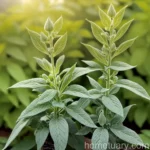
Wood Sage (Salvia x sylvestris ‘Rhapsody in Blue’)
What is Wood Sage (Salvia x sylvestris ‘Rhapsody in Blue’)?
Wood sage, scientifically known as Salvia x sylvestris ‘Rhapsody in Blue’, is a delightful perennial flowering plant that belongs to the Salvia genus. It is a hybrid variety, and like many salvias, it is cherished for its ornamental value, ease of cultivation, and the plethora of benefits it brings to the garden and beyond. The ‘Rhapsody in Blue’ cultivar is particularly renowned for its stunning blue-violet flowers that bloom profusely and attract pollinators, making it a valuable addition to any landscape.
Key Takeaways – Wood Sage (Salvia x sylvestris ‘Rhapsody in Blue’)
-
Scientific Classification
- Family: Lamiaceae
- Genus: Salvia
- Species: x sylvestris
- Cultivar: ‘Rhapsody in Blue’
-
Common Names
- Wood Sage
- Blue Wood Sage
- Salvia Rhapsody in Blue
-
Plant Type: Perennial
-
Flower Color: Blue-Violet
-
Native Habitat: Wood sage is native to Europe and is often found naturalized in meadows and open woodland areas.
-
Growth Habit: Clump-forming
-
Uses: Ornamental, Medicinal, Wildlife Attraction
Culture
Water
Wood sage is a drought-tolerant perennial once established. It generally thrives in well-drained soils and can tolerate dry conditions. It is essential to provide ample water during its establishment period, but caution should be exercised to avoid waterlogging, which can lead to root rot and other issues. Once the plant is established, it typically requires minimal supplemental watering, relying mostly on natural rainfall.
Sunlight
For optimal growth and abundant flowering, wood sage prefers full sun. It thrives in bright, sunny locations where it receives at least 6-8 hours of direct sunlight daily. In regions with scorching summers, providing some afternoon shade can be beneficial, especially to prevent the plant from wilting excessively during extreme heat.
Fertilizer
Wood sage is not particularly demanding when it comes to fertilization. A balanced, slow-release fertilizer applied in spring as new growth emerges can support healthy development and prolific blooming. Alternatively, incorporating organic matter into the soil when planting can provide a nutrient-rich foundation for the plant’s growth.
Soil
This perennial beauty thrives in well-drained soil with a slightly alkaline to neutral pH. It is adaptable to various soil types, including loamy, sandy, or clayey soils, as long as they do not retain excess moisture. It is crucial to avoid waterlogged conditions that can lead to root rot, compromising the plant’s vitality.
Pruning
Pruning wood sage is relatively straightforward and is primarily aimed at promoting flowering, maintaining its shape, and preventing legginess. After the blooming period, spent flower spikes can be deadheaded to encourage continuous blooming and tidy the appearance of the plant. In colder climates, leaving a portion of the stems intact over winter can offer some protection, and they can be pruned back in late winter or early spring before new growth emerges.
Propagation
Wood sage can be propagated through division or stem cuttings. Division is typically carried out in early spring or early fall when the plant is not in its active growth phase. The clumps can be carefully lifted, and the root ball can be divided into sections, each containing healthy shoots and roots, which can then be replanted. Stem cuttings can be taken from healthy, non-flowering shoots and rooted in a moist growing medium to establish new plants.
Container Popularity
Wood sage, including the ‘Rhapsody in Blue’ cultivar, is well-suited for container cultivation. Its compact growth habit, beautiful flowers, and relatively low maintenance make it an excellent choice for adorning patio containers, window boxes, and other outdoor planters. Additionally, it can be an attractive addition to mixed container plantings, adding a beautiful and fragrant element to the ensemble.
Common Diseases
Wood sage is generally resilient and not prone to severe disease issues, especially when grown in favorable conditions with adequate air circulation and proper watering practices. However, it can be susceptible to certain fungal diseases, including powdery mildew, particularly in humid or crowded growing conditions. Ensuring proper spacing, providing good air circulation, and avoiding overhead watering can help prevent such issues.
Disease Diagnosis
When diagnosing any potential diseases affecting wood sage, carefully inspect the foliage, stems, and flowers for any signs of discoloration, powdery residues, or unusual lesions. Prompt action should be taken if any symptoms are observed to prevent the spread of the disease to other nearby plants.
Common Pests
As with many salvias, wood sage is relatively resistant to pest infestations. However, it may occasionally attract aphids, which can be managed through non-disruptive control methods, such as releasing natural predators like ladybugs or using a strong blast of water to dislodge the pests. Regular monitoring is essential to detect and address any pest issues early on.
Botanist’s Tips
Wood sage, particularly the ‘Rhapsody in Blue’ cultivar, offers an enchanting display of blue-violet flowers that can elevate any garden or landscape. To maximize its ornamental appeal and overall health, consider the following tips:
- Choose a well-drained, sunny location for planting to ensure vigorous growth and abundant flowering.
- Incorporate organic matter into the soil to improve its texture and provide essential nutrients.
- Water newly planted wood sage regularly to aid in establishment, then gradually transition to minimal supplemental watering once it is established.
- Deadhead spent flowers to encourage continuous blooming and maintain a neat appearance.
- Monitor for signs of potential pest or disease issues to address any problems promptly.
Fun Facts
- Wood sage is a valuable source of nectar for pollinators, including bees, butterflies, and hummingbirds, making it a delightful addition to wildlife-friendly gardens.
- The aromatic foliage of wood sage, when crushed, emits a pleasant herbal fragrance that adds to its allure in the garden.
- In traditional herbal medicine, wood sage has been employed for its purported medicinal properties, including as a treatment for various ailments.
Links to External Resources
For further information on growing and caring for wood sage (Salvia x sylvestris ‘Rhapsody in Blue’), explore the following resources:
- Royal Horticultural Society – Salvia x sylvestris ‘Rhapsody in Blue’
- Missouri Botanical Garden – Salvia x sylvestris ‘Rhapsody in Blue’
- The Spruce – How to Grow Perennial Salvia (Sage) Plants
In conclusion, wood sage, particularly the exquisite Salvia x sylvestris ‘Rhapsody in Blue’, embodies the beauty and resilience of perennial salvias. With its captivating blue-violet flowers, versatility in the garden and containers, and its value to pollinators and wildlife, it is a plant that brings both visual and ecological benefits. By understanding its culture, propagation, maintenance, and the potential challenges it may face, gardeners can foster thriving wood sage plants that enrich their outdoor spaces for years to come.
Whether employed as an ornamental focal point, a reliable pollinator-friendly plant, or a charming addition to containers, wood sage has much to offer, and its cultivation is a gratifying endeavor for both novice and seasoned gardeners.
By delving into the rich tapestry of wood sage’s characteristics, uses, and care requirements, the allure of this enchanting perennial becomes even more evident, reinforcing its status as a cherished gem in the realm of garden flora.
References
1. “Salvia x sylvestris ‘Rhapsody in Blue’.” Royal Horticultural Society, https://www.rhs.org.uk/Plants/107415/Salvia-x-sylvestris-Rhapsody-in-Blue/Details
2. “Salvia x sylvestris ‘Rhapsody in Blue’.” Missouri Botanical Garden, https://www.missouribotanicalgarden.org/PlantFinder/PlantFinderDetails.aspx?kempercode=b658
3. Gilmer, Robin. “How to Grow Perennial Salvia (Sage) Plants.” The Spruce, https://www.thespruce.com/growing-perennial-salvia-5100751