Witch Hazel (Hamamelis x intermedia ‘Vesna’): A Comprehensive Guide

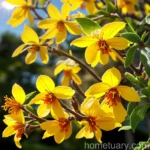
Witch hazel (Hamamelis x intermedia ‘Vesna’) is a stunning deciduous shrub known for its exquisite, spidery yellow flowers that bloom in late winter to early spring. This plant is a cultivar of the Hamamelis x intermedia species and is cherished for its exceptional ornamental and medicinal properties.
In this extensive guide, we will delve into every aspect of growing and caring for witch hazel (Hamamelis x intermedia ‘Vesna’), including its culture, uses, water and sunlight requirements, fertilizer needs, soil preferences, pruning techniques, propagation methods, and much more. Additionally, we will explore common diseases and pests associated with this plant, along with botanist’s tips, fun facts, and valuable resources for further information.
What is Witch Hazel (Hamamelis x intermedia ‘Vesna’)?
Witch hazel (Hamamelis x intermedia ‘Vesna’) is a captivating shrub featuring vibrant, fragrant flowers and distinctive, wavy-edged leaves. This deciduous plant is a cross between Japanese witch hazel (Hamamelis japonica) and Chinese witch hazel (Hamamelis mollis), resulting in a delightful combination of features from both parent species.
Originally bred in Hungary, ‘Vesna’ is highly esteemed for its profusion of lemon-yellow blossoms that add a splash of color to the late winter landscape. Its intricate, ribbon-like petals and intoxicating fragrance make it a favorite among gardeners and landscape enthusiasts seeking a charming and resilient plant for the colder months.
The name “witch hazel” originates from the Old English word “wych” meaning “bendable” or “pliant,” highlighting the shrub’s supple branches. The use of witch hazel extract in traditional medicine and skincare has been well-documented, making it an intriguing and multi-faceted addition to any garden or landscape.
Key Takeaways – Witch Hazel (Hamamelis x intermedia ‘Vesna’)
Before we delve into the specifics of growing and caring for witch hazel (Hamamelis x intermedia ‘Vesna’), let’s outline some key takeaways to set the stage for our exploration:
- Plant Name: Hamamelis x intermedia ‘Vesna’ (Witch Hazel)
- Species: Hamamelis x intermedia
- Variety: ‘Vesna’
- Flower Color: Lemon-yellow
- Bloom Time: Late winter to early spring
- Fragrance: Sweet and intoxicating
- Uses: Ornamental, medicinal, skincare
- Growth Rate: Moderate
- Water Needs: Moderate
- Sunlight Requirements: Partial to full sun
- Soil Type: Well-draining, rich, acidic
- Hardiness Zone: 5-8
Now, with a solid understanding of the basics, let’s dive into the detailed care and cultivation guidelines for witch hazel (Hamamelis x intermedia ‘Vesna’).
Culture
Water
Witch hazel (Hamamelis x intermedia ‘Vesna’) prefers consistently moist soil, especially during its establishment phase. Adequate watering is crucial to support healthy growth and robust flowering. However, it’s essential to prevent waterlogging, as witch hazel is susceptible to root rot in poorly drained conditions.
- Establishment Phase: Water newly planted specimens regularly, ensuring that the soil remains consistently moist but not waterlogged.
- Mature Plants: Once established, witch hazel exhibits moderate drought tolerance, but it still benefits from regular watering during dry spells, particularly in the summer months.
Sunlight
In terms of sunlight requirements, witch hazel (Hamamelis x intermedia ‘Vesna’) thrives in partial to full sun. While it can tolerate light shade, providing ample sunlight is pivotal for promoting abundant flowering and vibrant foliage.
- Full Sun: Plant ‘Vesna’ in a location that receives at least 6-8 hours of direct sunlight each day for optimal bloom and overall health.
- Partial Shade: If full sun exposure is not feasible, witch hazel can tolerate some shade, especially in hot climates, but ensure it still receives a significant amount of sunlight.
Fertilizer
Proper nutrition is essential for encouraging vigorous growth and prolific flowering in witch hazel (Hamamelis x intermedia ‘Vesna’). A balanced, slow-release fertilizer formulated for acid-loving plants can provide the necessary nutrients for robust performance.
- Fertilization Schedule: Apply a granular, acid-specific fertilizer in early spring before new growth emerges. Avoid excessive nitrogen, as it can promote lush foliage at the expense of flowering.
- Application Technique: Scatter the fertilizer evenly around the base of the shrub, then gently work it into the soil surface. Water thoroughly after fertilizing to facilitate nutrient absorption.
Soil
The soil quality and pH level directly impact the health and vitality of witch hazel (Hamamelis x intermedia ‘Vesna’). This cultivar thrives in well-draining, acidic soil that mirrors its native woodland habitat.
- Soil Type: Use a well-draining, loamy soil enriched with organic matter to provide a fertile and moisture-retentive growing medium.
- Soil pH: Aim for a slightly acidic pH range of 5.0-6.5 to create an ideal environment for ‘Vesna’ to flourish and bloom prolifically.
Pruning
Pruning is an essential component of witch hazel (Hamamelis x intermedia ‘Vesna’) care, contributing to the plant’s overall shape, flowering performance, and longevity. Proper pruning techniques can enhance the shrub’s ornamental appeal and ensure a healthy, well-structured canopy.
Pruning Time
The best time to prune witch hazel is shortly after the flowering period, typically in late spring or early summer. Performing pruning tasks immediately after blooming allows the shrub to set new flower buds for the following year without interrupting its natural growth cycle.
Pruning Techniques
When approaching the pruning process, focus on the following key objectives:
- Remove Dead or Damaged Wood: Eliminate any dead, broken, or diseased branches to maintain the plant’s vigor and prevent potential disease spread.
- Thinning Out: Thin out congested or crossing branches to improve air circulation and sunlight penetration, enhancing overall plant health.
- Shape Refinement: Fine-tune the shrub’s shape and structure by trimming back overly long or straggly growth, promoting a more compact and balanced appearance.
Pruning Overgrown Specimens
For older or overgrown witch hazel plants, rejuvenation pruning may be necessary to invigorate their growth and restore their natural form. This process involves more drastic trimming to encourage fresh, vigorous shoots and revitalize the shrub’s overall vigor.
Propagation
Witch hazel (Hamamelis x intermedia ‘Vesna’) can be propagated through various methods, including seeds, cuttings, and layering. Each approach offers unique advantages and considerations, allowing gardeners to expand their witch hazel collection or share this captivating plant with others.
Seed Propagation
Propagating witch hazel from seeds is a rewarding but time-consuming process that requires patience and attention to detail. Here’s a basic overview of seed propagation for ‘Vesna’:
- Harvesting Seeds: Collect mature seeds from the previous year’s fruit capsules in late summer or early autumn.
- Seed Preparation: Soak the collected seeds in water for 24-48 hours to soften the hard seed coat and encourage germination.
- Sowing Technique: Plant the seeds in a nursery bed or seed tray filled with moist, well-draining potting mix, then cover them lightly with a thin layer of soil.
- Germination Conditions: Keep the planting medium consistently moist and provide indirect sunlight or dappled shade to support germination.
- Transplanting Seedlings: Once the seedlings have developed several sets of true leaves, carefully transplant them into individual containers or a prepared garden bed.
Cutting Propagation
Taking stem cuttings from established witch hazel specimens is an effective method for producing genetic replicas of the parent plant. Follow these steps for successful cutting propagation:
- Cutting Selection: Choose a healthy, non-flowering shoot from the current season’s growth, ideally 4-6 inches in length, and make a clean, angled cut just below a leaf node.
- Rooting Hormone Application: Dip the lower end of the cutting into a rooting hormone powder to stimulate root development and enhance the cutting’s viability.
- Planting Technique: Insert the prepared cutting into a container filled with a well-draining rooting medium, ensuring that at least two-thirds of the cutting is submerged.
- Rooting Conditions: Provide consistent moisture and warmth, along with indirect light, to encourage root initiation and eventual establishment.
Layering
Air layering is another propagation method that can be employed to reproduce witch hazel plants. This technique involves encouraging a stem to generate roots while still attached to the parent plant before severing it to form a new, independent specimen.
Container Popularity
Witch hazel (Hamamelis x intermedia ‘Vesna’) is well-suited for container cultivation, offering a remarkable array of benefits and opportunities for enhancing outdoor and indoor spaces alike. This section explores the popularity of growing ‘Vesna’ in containers, along with the considerations and advantages associated with this approach.
Advantages of Container Cultivation
Cultivating witch hazel in containers presents several advantages, making it an appealing option for a wide range of gardeners and landscapers:
- Versatility: Container-grown witch hazel can be placed on patios, balconies, or garden spaces with limited ground area, expanding the possibilities for incorporating this stunning shrub into diverse settings.
- Portability: The mobility of containerized plants allows for effortless repositioning, enabling gardeners to showcase ‘Vesna’ in different areas based on seasonal sunlight and aesthetic preferences.
- Controlled Environment: Containers provide an opportunity to customize the growing conditions, ensuring optimal soil quality, drainage, and exposure for the witch hazel shrub.
- Cold Climate Adaptation: In regions with harsh winters, container cultivation facilitates the protection of witch hazel from extreme temperatures and wind exposure, preserving its health and vigor.
Container Considerations
When selecting a container for witch hazel (Hamamelis x intermedia ‘Vesna’), consider the following factors to create a conducive and sustainable growing environment:
- Size and Depth: Choose a container that accommodates the mature size of the shrub and provides ample root space. A depth of at least 18-24 inches is recommended to support healthy root development and prevent root constriction.
- Drainage: Ensure that the container has sufficient drainage holes to allow excess water to escape, preventing waterlogging and root suffocation.
- Material: Opt for durable, weather-resistant containers made from materials such as fiberglass, concrete, or high-quality plastic. These materials offer longevity and insulation against temperature fluctuations.
- Soil Mix: Use a well-draining, acid-specific potting mix to mimic the soil conditions required for in-ground witch hazel cultivation, promoting healthy growth and flowering in the container setting.
Common Diseases
While witch hazel (Hamamelis x intermedia ‘Vesna’) is generally resilient and resistant to most pests and diseases, some common issues may arise under specific environmental conditions or cultural practices. Understanding these potential challenges can empower gardeners to preemptively address and mitigate any threats to the plant’s well-being.
Disease Diagnosis
Here are a few prevalent diseases that may affect witch hazel, along with their characteristic symptoms and potential management approaches:
- Leaf Spot: Leaf spot diseases can manifest as circular, dark-colored lesions on the foliage, often accompanied by yellowing or premature leaf drop. To manage leaf spot, improve air circulation, and avoid overhead watering to reduce moisture on the leaves.
- Powdery Mildew: Powdery mildew appears as a white, powdery coating on the leaves, stems, and buds. To combat this fungal disease, ensure proper spacing between plants, eliminate overcrowding, and apply a horticultural oil or fungicidal spray as needed.
- Anthracnose: Anthracnose causes dark, sunken lesions on the leaves, typically leading to defoliation and reduced vigor. Prune and discard affected plant parts, and implement proper sanitation and cultural practices to minimize disease spread.
Preventative measures, such as providing adequate air circulation, maintaining proper watering practices, and promoting overall plant health, can significantly reduce the likelihood of disease development in witch hazel.
Common Pests
While witch hazel (Hamamelis x intermedia ‘Vesna’) is relatively resistant to most insect pests, occasional infestations may occur, necessitating vigilant monitoring and appropriate intervention to safeguard the shrub’s well-being and vitality.
Pest Identification
Key pests that may target witch hazel include aphids, scale insects, and spider mites. Understanding the unique characteristics and behaviors of these pests can aid in early detection and effective pest management strategies.
- Aphids: These small, sap-sucking insects cluster on the undersides of young leaves and tender shoots, often causing leaf distortion and honeydew secretion. A strong blast of water or the application of insecticidal soap can help control aphid infestations.
- Scale Insects: Scale insects present as immobile, shell-like coverings on the stems and foliage, siphoning sap from the plant and potentially causing yellowing and weakening. Use horticultural oil or neem oil to suffocate and eliminate scale insects while minimizing damage to beneficial insects.
- Spider Mites: Spider mites are tiny arachnids that feed on plant sap, leading to stippled, discolored foliage. Boosting humidity levels and using insecticidal soap can aid in managing spider mite populations and preserving the health of witch hazel.
By regularly inspecting the foliage and stems for signs of pest activity and promptly addressing any infestations through targeted treatments, gardeners can uphold the resilience and beauty of witch hazel in the landscape.
Botanist’s Tips
Fun Facts
Witch hazel (Hamamelis x intermedia ‘Vesna’) is a fascinating and versatile plant with a rich history and an array of captivating attributes. Let’s explore some intriguing fun facts about this remarkable shrub:
- The witch hazel bark and leaves have been traditionally used by Native American tribes for medicinal purposes, including treating skin irritations, inflammation, and minor abrasions.
- In addition to its ornamental and medicinal value, witch hazel extract is commonly used in skincare products such as toners, astringents, and cleansers, owing to its natural astringent and antioxidant properties.
- Witch hazel is one of the few plants that bloom during the winter months, infusing the landscape with delicate, fragrant flowers at a time when floral displays are typically scarce.
- The flexible branches of witch hazel have been historically employed for dowsing or water divining, a practice associated with locating underground water sources or minerals.
Links to External Resources
For a more in-depth understanding of witch hazel (Hamamelis x intermedia ‘Vesna’) and its cultivation, usage, and horticultural significance, you may find the following external resources valuable:
- American Horticultural Society – Witch Hazels: A Royal Prelude to Spring
- Royal Horticultural Society – Witch Hazel Cultivation and Uses
- University of Maryland Extension – Witch Hazel Fact Sheet
- North American Native Plant Society – Ethnobotanical Uses of Witch Hazel
By exploring these reputable sources, you can expand your knowledge of witch hazel and its diverse applications, ecological significance, and cultural connections.
In conclusion, witch hazel (Hamamelis x intermedia ‘Vesna’) embodies a blend of botanical allure, practical benefits, and historical intrigue, making it a compelling addition to any garden, landscape, or natural wellness regimen. With the insights and guidelines presented in this comprehensive guide, you are well-equipped to cultivate, appreciate, and harness the unique potential of this captivating shrub, reaping its ornamental, medicinal, and cultural rewards for years to come.