The Magical Witch Hazel (Hamamelis x intermedia ‘Adieu’)
Witch hazel, scientifically known as Hamamelis x intermedia ‘Adieu’, is a charming and multi-faceted plant that has captured the hearts of many gardeners and herbal enthusiasts. This deciduous shrub belongs to the Hamamelidaceae family and is prized for its unique and enchanting characteristics. In this article, we will delve into the captivating world of witch hazel, exploring its culture, uses, care tips, and much more.
What is Witch Hazel (Hamamelis x intermedia ‘Adieu’)?
Witch hazel is a hybrid of two species, Hamamelis japonica and Hamamelis mollis, and ‘Adieu’ is a specific cultivar renowned for its exceptional beauty and resilience. This delightful shrub is native to the woodlands of China and Japan and has found its way into gardens and landscapes around the world due to its ornamental value and medicinal properties.
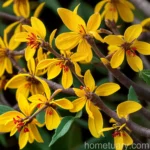
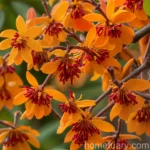
The ‘Adieu’ variety of witch hazel is particularly cherished for its lovely, fragrant flowers that bloom in late winter to early spring, adding a burst of color and fragrance to the winter landscape. Its striking, spidery blooms are a sight to behold and often emerge in captivating shades of yellow and red, creating a mesmerizing display.
Key Takeaways – Witch Hazel (Hamamelis x intermedia ‘Adieu’)
Let’s explore the key aspects of growing and caring for witch hazel, focusing on its culture, uses, and essential care requirements.
Culture
Water
Witch hazel plants prefer moist, well-draining soil, especially during their initial establishment period. Once established, they exhibit good drought tolerance, but they thrive best in consistently moist conditions. It’s crucial to water them regularly, particularly during dry spells, to ensure optimal growth and flowering.
Sunlight
When it comes to sunlight requirements, witch hazel thrives in partial shade to full sun. Providing dappled sunlight or a location with morning sun and afternoon shade is ideal for promoting lush foliage and bountiful flowering.
Fertilizer
Witch hazel generally thrives in nutrient-rich soil and does not require heavy fertilization. Applying a balanced, slow-release fertilizer in early spring can support healthy growth and flowering. However, avoid excessive fertilization as it may lead to lush foliage at the expense of floral abundance.
Soil
The ideal soil for witch hazel is humus-rich, acidic to neutral, and well-draining. Incorporating organic matter into the soil before planting can enhance its texture and fertility, promoting robust growth and vitality.
Pruning
Pruning is an essential aspect of witch hazel care, primarily for shaping the plant, maintaining its size, and promoting vigorous blooming. The best time to prune witch hazel is after flowering, as it blooms on the previous year’s growth. Prune out any dead or diseased wood, and selectively trim the branches to maintain an open, airy structure.
Propagation
Witch hazel can be propagated through various methods such as seed propagation, softwood cuttings, and layering. Softwood cuttings taken in early summer and propagated in a moist, well-draining medium under controlled conditions can yield successful results. Additionally, layering is a simple and effective method where a low-lying branch is encouraged to root while still attached to the parent plant.
Container Popularity
Due to its compact size and ornamental value, witch hazel is well-suited for container cultivation. It adds a delightful touch to patios, balconies, and small gardens, offering its captivating blooms and foliage in a confined space.
Common Diseases and Pests
Witch hazel is relatively resistant to diseases and pests, but it may occasionally encounter issues such as powdery mildew, leaf spot, and aphid infestations. Proper sanitation, adequate air circulation, and vigilant monitoring can help prevent these problems and maintain the plant’s health and vigor.
Botanist’s Tips
- When selecting a planting site for witch hazel, prioritize a location with well-draining soil and protection from harsh, drying winds.
- Incorporate a layer of organic mulch around the base of the plant to conserve moisture, suppress weeds, and insulate the roots, especially during the hot summer months.
- Consider companion planting with early spring bulbs or perennials to create a harmonious and dynamic display in the garden.
- Observing the natural shape and growth habit of the plant can guide you in making informed pruning decisions, preserving its inherent beauty and structural integrity.
Fun Facts
- Witch hazel has a rich history of traditional medicinal use, with Native American tribes and early settlers harnessing its astringent and healing properties for various ailments.
- The name “witch hazel” is derived from the Old English term “wych,” meaning flexible, and “wic,” which refers to its previous use as divining rods. This alludes to the plant’s bendable branches and its historical association with dowsing.
Now that we have enlightened ourselves with these essential aspects of witch hazel, let’s delve into its uses and exploitative potentials.
Witch Hazel Uses
Witch hazel carries a multitude of uses, encompassing both ornamental and practical applications. Understanding its diverse uses can deepen our appreciation for this remarkable plant.
Ornamental Beauty
The ‘Adieu’ cultivar of witch hazel, with its vibrant flowers and captivating fragrance, serves as an elegant and alluring addition to gardens, woodland landscapes, and even urban green spaces. Its striking blooms bring an early burst of color to the late winter and early spring garden, heralding the arrival of a new growing season.
Medicinal Properties
Witch hazel has long been valued for its medicinal properties, particularly its astringent and anti-inflammatory qualities. The clear, soothing liquid extracted from its bark and twigs is commonly used in skincare and dermatological products. It is renowned for its ability to alleviate skin irritation, reduce inflammation, and promote overall skin health.
Wildlife Benefits
In addition to its human-centric uses, witch hazel also provides ecological benefits by offering habitat and sustenance for various wildlife species. Its flowers attract early pollinators, facilitating the early-season foraging activities of bees and other beneficial insects. The dense foliage and protective cover of witch hazel shrubs offer shelter and nesting sites for birds and small mammals.
Links to External Resources
- American Horticultural Society – Witch Hazel Profile
- Royal Horticultural Society – Growing Witch Hazel
- University of Maryland Medical Center – Witch Hazel for Skin
- Missouri Botanical Garden – Witch Hazel Planting and Care
- North Carolina State University Extension – Witch Hazel Cultivation
In conclusion, the captivating allure of witch hazel (Hamamelis x intermedia ‘Adieu’) transcends its ornamental appeal, encompassing its rich cultural history, medicinal contributions, and ecological significance. Embracing this enchanting shrub in our landscapes and gardens not only enhances our surroundings with its beauty but also fosters a deeper connection to nature and its diverse offerings. As stewards of these botanical treasures, let us continue to explore, appreciate, and safeguard the timeless charm of witch hazel for generations to come.