Chinese Witch Hazel (Hamamelis mollis ‘Goldcrest’)
In the world of shrubs and small trees, the Chinese witch hazel (Hamamelis mollis ‘Goldcrest’) holds a special place. With its stunning clusters of spidery, fragrant flowers and vibrant fall foliage, this plant has become a favorite among gardeners and landscape designers. In this comprehensive guide, we will delve into every aspect of this beautiful plant – from its cultivation and care to its landscape uses and ecological significance.
What is the Chinese Witch Hazel (Hamamelis mollis ‘Goldcrest’)?
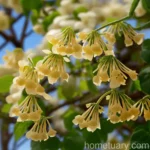
The Chinese witch hazel, scientifically known as Hamamelis mollis ‘Goldcrest’, is a deciduous shrub or small tree that hails from China. It belongs to the family Hamamelidaceae and is renowned for its unique characteristics and appealing features. The plant is prized for its stunning, fragrant flowers that bloom in late winter or early spring, providing a welcome burst of color and fragrance when most other plants lie dormant.
Key Takeaways
Before delving into the specifics of caring for Chinese witch hazel, let’s first outline some key takeaways regarding this captivating plant:
- Plant Name: Chinese witch hazel (Hamamelis mollis ‘Goldcrest’)
- Botanical Name: Hamamelis mollis ‘Goldcrest’
- Common Names: Chinese witch hazel, Goldcrest Chinese witch hazel
- Plant Type: Deciduous shrub or small tree
- Native Habitat: China
- Bloom Time: Late winter to early spring
- Foliage Color: Vibrant green in spring and summer, turning brilliant shades of yellow, orange, and red in autumn
- Fragrance: Fragrant, spidery flowers with a sweet, honey-like scent
- Landscape Uses: Gardens, borders, woodland settings, and naturalized landscapes
- Hardiness Zone: 5-8
- Growth Rate: Moderate
- Mature Height: 10-20 feet
- Mature Spread: 10-15 feet
- Special Features: Fragrant flowers, vibrant fall foliage
Now that we have a basic understanding of this magnificent plant, let’s explore the various facets of its cultivation, care, and uses.
Cultivation and Care
Successfully growing and maintaining Chinese witch hazel requires understanding its specific environmental needs and horticultural requirements. From soil and sunlight preferences to pruning and propagation techniques, each aspect plays a crucial role in nurturing a healthy and flourishing plant. Let’s delve into the essential elements of cultivating and caring for Hamamelis mollis ‘Goldcrest’.
Sunlight
Chinese witch hazel thrives in partial to full sunlight. Ideally, it should be planted in a location that receives at least 4-6 hours of direct sunlight per day. However, in regions with hot summers, some afternoon shade can be beneficial to prevent the foliage from scorching.
Soil
The Chinese witch hazel prefers well-draining, acidic to slightly acidic soil with a pH range of 5.0-6.5. It is essential to ensure good soil drainage to prevent waterlogged conditions, which can lead to root rot. Additionally, incorporating organic matter such as compost or peat moss into the soil can help improve its texture and fertility.
Water
When it comes to watering, Chinese witch hazel appreciates consistent moisture, especially during its initial establishment period. However, it is crucial to avoid overwatering, as excessive moisture can be detrimental to the plant’s health. A layer of organic mulch around the base of the plant can help retain soil moisture and regulate temperature fluctuations.
Fertilizer
In terms of fertilization, Chinese witch hazel benefits from an application of a balanced, slow-release fertilizer in early spring, just before new growth begins. It is important to follow the recommended dosage on the fertilizer package to avoid over-fertilization, which can lead to excessive vegetative growth at the expense of flowering.
Pruning
Pruning is an essential aspect of Chinese witch hazel care, particularly for shaping the plant, removing dead or diseased branches, and promoting vigorous growth. To maintain a healthy and well-structured plant, it is advisable to prune Chinese witch hazel immediately after flowering, as this allows ample time for new growth to develop and flower buds to set for the following year.
Propagation
The propagation of Chinese witch hazel can be achieved through various methods, including seeds, cuttings, and layering. While growing from seed is possible, it often results in variability, and the plant may take several years to mature and bloom. Propagation from semi-hardwood cuttings or layering generally yields more reliable and faster results.
Container Cultivation
Chinese witch hazel can also be successfully grown in containers, making it an excellent choice for patios, balconies, and small outdoor spaces. When cultivating Chinese witch hazel in containers, it is crucial to select a large, sturdy container with adequate drainage holes and use a high-quality potting mix that provides good drainage and moisture retention.
Uses
The Chinese witch hazel has a myriad of uses, ranging from ornamental and environmental to medicinal and ecological. Let’s explore the diverse ways in which this remarkable plant can be utilized and appreciated.
Ornamental
From gardens and parks to residential landscapes, Chinese witch hazel serves as an exquisite ornamental plant, adding visual interest and seasonal color. Its fragrant blooms and vibrant fall foliage make it a standout feature in any setting, whether as a specimen plant, border planting, or part of a larger mixed planting scheme.
Wildlife Attraction
Chinese witch hazel plays a vital role in supporting wildlife, particularly pollinators such as bees and butterflies. The nectar-rich flowers are a valuable food source for early-season pollinators, helping to sustain these essential insects as they emerge from winter dormancy and begin foraging for nectar and pollen.
Medicinal
Traditionally, various parts of the witch hazel plant have been used for their medicinal properties. While Hamamelis mollis ‘Goldcrest’ is primarily cultivated for ornamental purposes, some species within the Hamamelis genus, such as Hamamelis virginiana, are utilized in herbal medicine for their astringent and anti-inflammatory properties.
Landscape Design
In landscape design, Chinese witch hazel offers versatility and aesthetic appeal. Whether used as a standalone focal point, a backdrop for other plants, or a naturalized element in woodland gardens, its graceful form and seasonal allure make it a valuable addition to diverse outdoor spaces.
Common Diseases and Pests
Despite its overall resilience, Chinese witch hazel is susceptible to certain diseases and pests, which can impact its health and vigor if not managed effectively. Being aware of these potential issues is crucial for maintaining the plant’s well-being and addressing any problems promptly.
Disease Diagnosis
Common diseases that can affect Chinese witch hazel include leaf spot diseases, powdery mildew, and various fungal infections. Symptoms such as yellowing or browning of leaves, powdery white patches on foliage, and wilting or dieback of branches may indicate the presence of a specific disease, requiring appropriate diagnosis and treatment.
Common Pests
Pests that may pose a threat to Chinese witch hazel include aphids, scale insects, and spider mites. These pests can cause damage to the plant by feeding on its sap, leading to weakened growth and potential transmission of diseases. Regular monitoring and early intervention are crucial for managing pest infestations effectively.
Botanist’s Tips
For those seeking to cultivate and appreciate the beauty of Chinese witch hazel, here are some valuable tips from a botanist’s perspective to enhance the plant’s health and performance:
- Prune Carefully: When pruning Chinese witch hazel, be mindful to maintain its natural form and avoid excessive pruning, as this can inhibit flowering and reduce the plant’s aesthetic appeal.
- Monitor Soil Moisture: Pay close attention to soil moisture levels, ensuring that the plant receives adequate hydration without becoming waterlogged.
- Inspect for Pests and Diseases: Regularly inspect the plant for signs of pest infestations and diseases, promptly addressing any issues to prevent them from spreading.
Fun Facts
To further appreciate the allure of Chinese witch hazel, here are some intriguing and delightful facts about this captivating plant:
- The fragrant flowers of Chinese witch hazel release their scent most prominently during mild, sunny days, attracting pollinators with their alluring aroma.
- In traditional Chinese medicine, various species of witch hazel have been utilized for their purported medicinal properties, including the treatment of skin conditions and inflammatory ailments.
Links to External Resources
For additional information, resources, and plant care guidelines related to Chinese witch hazel, explore the following links:
- Royal Horticultural Society – Hamamelis mollis ‘Goldcrest’ Care Guide
- Missouri Botanical Garden – Growing Witch Hazel
- The American Conifer Society – Chinese Witch Hazel Cultivation Tips
- The Spruce – Chinese Witch Hazel Plant Profile
In conclusion, the Chinese witch hazel (Hamamelis mollis ‘Goldcrest’) stands as a remarkable plant that captivates with its fragrant flowers, vibrant foliage, and ecological significance. By understanding its cultural preferences, utilizing it ornamentally, and addressing potential challenges, gardeners and plant enthusiasts can foster the health and beauty of this enchanting species. Whether adorning gardens, attracting pollinators, or adding seasonal splendor to the landscape, Chinese witch hazel continues to charm and inspire with its enduring allure.