Witch Hazel (Hamamelis x intermedia ‘Heinrich Bruns’)
Witch hazel (Hamamelis x intermedia ‘Heinrich Bruns’) is a remarkable plant with a rich history and a wide array of uses. In this blog post, we will explore the various aspects of this fascinating plant, including its culture, uses, care requirements, and more. So, keep reading to discover the enchanting world of witch hazel.
What is Witch Hazel (Hamamelis x intermedia ‘Heinrich Bruns’)?
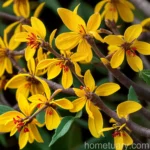
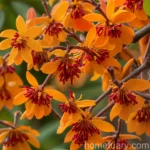
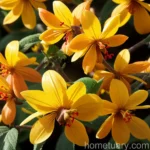
Witch hazel (Hamamelis x intermedia ‘Heinrich Bruns’) is a deciduous shrub that belongs to the Hamamelidaceae family. This plant is known for its captivating, spidery flowers that bloom in late winter to early spring, often appearing before the arrival of its leaves. The ‘Heinrich Bruns’ variety is particularly esteemed for its coppery-red to orange-red flowers that add warmth and vibrancy to the winter landscape.
Key Takeaways – Witch Hazel (Hamamelis x intermedia ‘Heinrich Bruns’)
Before we delve deeper into the intricacies of witch hazel care and cultivation, let’s highlight some key takeaways about this captivating plant:
- Botanical Name: Hamamelis x intermedia ‘Heinrich Bruns’
- Common Name: Witch hazel ‘Heinrich Bruns’
- Plant Type: Deciduous shrub
- Flower Color: Coppery-red to orange-red
- Bloom Time: Late winter to early spring
- Foliage: Green leaves turning vibrant in fall
- Height and Spread: 8-12 feet in height and spread
- USDA Hardiness Zones: 5-8
The ‘Heinrich Bruns’ variety of witch hazel is highly valued for its winter interest, wildlife attraction, and medicinal properties, making it a versatile and sought-after addition to gardens and landscapes.
Culture
Before introducing witch hazel to your garden or landscape, it’s essential to understand its cultural requirements to ensure its optimal growth and development.
Water
Witch hazel plants have moderate water needs. While they prefer consistently moist soil, they are also tolerant of short periods of drought once established. During hot and dry spells, it’s crucial to provide supplemental watering to maintain the soil moisture, especially for young or newly planted specimens.
Sunlight
When it comes to sunlight, witch hazels thrive in partial shade to full sun. In regions with hot summers, providing afternoon shade can be beneficial to prevent stress from excessive heat exposure.
Fertilizer
Witch hazel plants are not heavy feeders. A balanced, slow-release fertilizer applied in early spring as new growth emerges can provide the necessary nutrients for healthy development. It’s important to follow the recommended application rates to avoid any potential fertilizer burn.
Soil
These plants prefer well-draining, acidic to slightly acidic soil. Amending the soil with organic matter such as compost or peat moss can improve both drainage and soil acidity, creating an ideal growing environment for witch hazel.
Pruning
Pruning is an essential aspect of witch hazel care, especially for shaping and maintaining the desired form of the plant. To encourage a bushier growth habit and maximize flower production, light pruning can be performed after the flowering period. Removing any dead, damaged, or crossing branches can also promote the plant’s overall health and vigor.
Propagation
Witch hazel propagation can be achieved through several methods, including seed propagation, layering, and hardwood cuttings. While seeds require patience and several years for the plants to reach maturity, layering and hardwood cuttings are more reliable and efficient methods for propagating witch hazel.
Uses
Witch hazel possesses a remarkable range of uses that extend beyond its ornamental value in the garden. Let’s explore some of the plant’s diverse applications:
Medicinal Uses
For centuries, witch hazel has been recognized for its medicinal properties. Its leaves, bark, and twigs are used to produce an astringent, antiseptic solution that is commonly applied topically to soothe skin irritations, reduce inflammation, and alleviate various skin conditions. From treating acne and eczema to providing relief from insect bites and sunburn, witch hazel has established itself as a natural remedy with numerous skincare benefits.
Landscape Interest
In addition to its striking appearance in the garden, witch hazel holds significant landscape interest, particularly during the late winter and early spring when its vibrant flowers emerge. Its fall foliage, which transitions to brilliant shades of yellow, orange, and red, further enhances its visual appeal, adding a burst of color to the autumn landscape.
Wildlife Attraction
Witch hazel also serves as a valuable plant for attracting wildlife, including pollinators such as bees and butterflies. Its flowers provide a vital nectar source during the early months of the year when few other flowering plants are available, making it an essential resource for supporting local pollinator populations.
Common Diseases
While witch hazel is generally resilient, it can be susceptible to certain diseases that may impact its health and appearance. Being aware of these common diseases and their symptoms can help in prompt identification and treatment.
Disease Diagnosis
Leaf Spot
Leaf spot, caused by fungal pathogens, can manifest as circular or irregularly-shaped spots on the leaves. These spots may vary in color, ranging from brown to black, and can lead to premature leaf drop if left unaddressed.
Powdery Mildew
Powdery mildew, characterized by the presence of a white powdery coating on the leaves, stems, and buds, can affect witch hazel plants, particularly in humid and poorly ventilated conditions.
Pest Infestations
Aphids
Aphids, small sap-sucking insects, can cluster on the tender new growth of witch hazel, causing distortion of the leaves and the secretion of sticky honeydew. Regular inspection of the plant can help in detecting aphid infestations early for effective management.
Spider Mites
Spider mites, microscopic pests, can also pose a threat to witch hazel, especially during hot and dry weather. Their feeding activity can result in stippled or bronzed leaves, indicating their presence on the plant.
Botanist’s Tips
As a plant scientist, here are some valuable tips and insights for successfully growing and caring for witch hazel:
-
Site Selection: When selecting a location for planting witch hazel, consider providing partial shade, especially in regions with intense summer heat, to prevent excessive stress on the plant.
-
Mulching: Applying a layer of organic mulch around the base of the plant can help conserve soil moisture, suppress weed growth, and maintain a more consistent root zone temperature.
-
Regular Monitoring: Routinely monitor the plant for any signs of pest infestations, diseases, or nutrient deficiencies. Timely intervention can prevent issues from escalating and ensure the plant’s long-term health.
-
Pruning Techniques: When pruning witch hazel, focus on removing dead or overcrowded branches while retaining its natural, graceful form. Avoid heavy pruning, especially on older branches, to avoid compromising flowering potential.
Fun Facts
To further acquaint you with the fascinating world of witch hazel, here are some intriguing and captivating fun facts about this enchanting plant:
-
Historical Significance: Witch hazel has a long history of use by Native American tribes for its medicinal properties, and its traditional applications have continued into modern times.
-
Winter Blooms: Witch hazel’s ability to bloom in the heart of winter, defying the cold and adding bursts of color to the landscape, is a testament to its remarkable resilience and adaptability.
-
Native Habitat: While witch hazel is widely cultivated, it also thrives in its native habitat in woodland areas and along stream banks in eastern North America and East Asia.
-
Fragrance: Some varieties of witch hazel, such as ‘Arnold Promise’, exhibit a delightful, spicy fragrance that adds an aromatic dimension to the garden.
-
Tannin Production: The bark and leaves of witch hazel contain high levels of tannins, which contribute to its astringent and medicinal properties, making it a valuable ingredient in various skincare and healthcare products.
-
Symbolism: In folklore and traditions, witch hazel has been associated with protection, healing, and divination, giving it a mystical and symbolic significance in different cultures.
Links to External Resources
Here are some additional resources where you can explore more about witch hazel, including its care, uses, and fascinating history:
- American Horticultural Society: Witch Hazels for Winter Gardens
- Royal Horticultural Society: Hamamelis Maintenance
- University of Maryland Extension: Witch Hazel Cultivars
- National Park Service: Medicinal Uses of Witch Hazel
In conclusion, witch hazel (Hamamelis x intermedia ‘Heinrich Bruns’) is a captivating and multi-faceted plant that encompasses ornamental, medicinal, and ecological significance. Whether you seek to enhance your garden’s winter appeal, explore natural skincare remedies, or support local wildlife, witch hazel stands out as a remarkable botanical ally. By understanding its care requirements, uses, and cultural significance, you can welcome the enchanting beauty of witch hazel into your own gardening journey.
Remember that while witch hazel is renowned for its resilience, keeping a watchful eye on its health, providing adequate care, and honoring its historical and cultural significance can deepen your appreciation for this extraordinary plant.
I hope you’ve enjoyed this extensive exploration of witch hazel and found valuable insights to enrich your knowledge and connection with this remarkable botanical gem. Happy gardening!