All About Foamy Bells (Heucherella ‘Hopscotch’)
A Comprehensive Guide to Growing and Caring for Heucherella ‘Hopscotch’
Introduction
Plants hold a special place in nature and human culture. They not only bring beauty to the environment but also contribute significantly to the ecosystem. Among the diverse array of plants, foamy bells (Heucherella ‘Hopscotch’) stand out for their striking appearance and versatility in landscaping. In this comprehensive guide, we will delve deep into the world of foamy bells, exploring their characteristics, care requirements, uses, and much more.
What is Plant: Foamy Bells (Heucherella ‘Hopscotch’)?
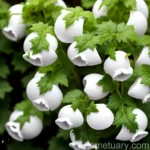
Foamy bells, scientifically known as Heucherella ‘Hopscotch’, are perennial plants renowned for their vibrant foliage and delicate flowers. The Heucherella cultivar is a cross between Heuchera and Tiarella, combining the best traits of both parent plants. The resulting variety, known as ‘Hopscotch’, exhibits unique characteristics that make it a prized addition to gardens and landscapes.
Key Takeaways – Foamy Bells (Heucherella ‘Hopscotch’)
- Plant Name: Heucherella ‘Hopscotch’
- Common Name: Foamy Bells
- Plant Type: Perennial
- Characteristics: Vibrant foliage, delicate flowers
- Uses: Landscaping, ground cover, container gardening
- Sunlight: Partial to full shade
- Watering: Moderate
- Soil Type: Well-draining, humus-rich
- Hardiness Zone: 4-9
- Maintenance: Low to moderate
Let’s explore each of these key takeaways in detail to understand how to care for and make the most of Foamy Bells in your garden or landscape.
Culture
Uses
Foamy bells, with their striking foliage and delicate flowers, are highly valued for their ornamental and landscaping uses. These versatile plants can be incorporated into various settings, including:
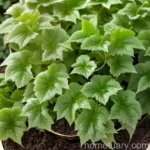
- Ground Cover: The lush foliage of Foamy Bells makes them an excellent choice for ground cover, especially in shaded areas where other plants may struggle to thrive.
- Container Gardening: Heucherella ‘Hopscotch’ adapts well to container gardening, adding color and texture to patio planters, hanging baskets, and mixed arrangements.
- Landscape Borders: The vibrant foliage and compact growth habit of Foamy Bells make them ideal for defining borders and adding visual interest to garden beds.
- Shade Gardens: Given their preference for partial to full shade, Foamy Bells are a natural fit for shade gardens and woodland landscapes, where they thrive and contribute to the overall aesthetics.
Water
Proper watering is essential for the health and vitality of Foamy Bells. While these plants are relatively drought-tolerant once established, they benefit from consistent moisture, especially during periods of heat or prolonged dryness. The following guidelines can help you manage the watering needs of Heucherella ‘Hopscotch’:
- Established Plants: Once Foamy Bells are well-established in the garden or landscape, they generally require moderate watering. During extended periods of drought, providing supplemental moisture can help maintain their vigor and foliage quality.
- Container-Grown Foamy Bells: When growing Heucherella ‘Hopscotch’ in containers, monitor the soil moisture regularly, as potted plants tend to dry out more quickly than those in the ground. Water thoroughly when the top inch of the soil feels dry to the touch, ensuring adequate drainage to prevent waterlogging.
Sunlight
Foamy Bells are renowned for their adaptability to various light conditions, with a preference for partial to full shade. While they can tolerate some morning sun or dappled light, they generally thrive in locations with filtered sunlight or shade, such as:
- Woodland Gardens: Heucherella ‘Hopscotch’ is well-suited to woodland or shade gardens, where the dappled light and filtered sun create an ideal environment for their growth and development.
- Partially Shaded Borders: In landscape borders or garden beds with partial shade, Foamy Bells can thrive and contribute to the visual appeal with their vibrant foliage and delicate flowers.
- Shaded Containers: When grown in containers, place Foamy Bells in areas with filtered light or partial shade, ensuring that they receive adequate illumination without being exposed to intense, direct sunlight.
Fertilizer
Proper nutrition is key to ensuring the optimal growth and performance of Heucherella ‘Hopscotch’. While these plants are not heavy feeders, providing a balanced fertilizer can support their vigor and enhance their visual appeal. Consider the following tips for fertilizing Foamy Bells:
- Timing: Apply a balanced, slow-release fertilizer in early spring as new growth emerges. This will provide essential nutrients to support the development of vibrant foliage and promote flower production.
- Application Rate: Follow the manufacturer’s instructions for the specific fertilizer product, and avoid over-fertilizing, as excessive nutrients can lead to lush growth that is more susceptible to pests and diseases.
- Container-Grown Foamy Bells: Fertilize potted Heucherella ‘Hopscotch’ throughout the growing season according to the recommended dosage, ensuring that the nutrients are readily available to support their growth in the confined environment of containers.
Soil
The soil composition plays a crucial role in the overall health and performance of Foamy Bells, influencing factors such as moisture retention, drainage, and nutrient availability. Ideal soil conditions for Heucherella ‘Hopscotch’ include the following characteristics:
- Well-Draining: Ensure that the soil provides good drainage to prevent waterlogged conditions, which can be detrimental to the roots of Foamy Bells. Amending heavy or compacted soils with organic matter, such as compost or peat moss, can improve drainage.
- Humus-Rich: Foamy Bells thrive in soil that is rich in organic matter, as it provides essential nutrients and supports the retention of moisture without becoming waterlogged. Incorporating compost or well-rotted manure into the planting area can enhance the soil structure and fertility.
- Acidic pH: Heucherella ‘Hopscotch’ prefers slightly acidic to neutral soil (pH 5.5-7.0). Regularly testing the soil pH and making adjustments as needed can create an optimal growing environment for these plants, allowing them to thrive and display vibrant foliage.
Pruning
Pruning plays a vital role in maintaining the vigor, shape, and visual appeal of Foamy Bells. Proper pruning practices can also promote flowering and rejuvenate the plants for the upcoming growing season. Consider the following guidelines for pruning Heucherella ‘Hopscotch’:
- Spring Pruning: In early spring, remove any damaged, discolored, or leggy foliage to tidy up the plants and encourage new growth. Trim back any frost-damaged or winter-worn leaves to promote fresh, healthy foliage.
- Deadheading: Remove spent flower spikes as they fade to encourage additional blooms and prevent the plants from investing energy in seed production. Deadheading also helps maintain the tidy appearance of Foamy Bells throughout the growing season.
Propagation
Propagating Foamy Bells allows you to expand your plant collection, create new garden displays, or share these beautiful plants with fellow gardening enthusiasts. Heucherella ‘Hopscotch’ can be propagated through several methods, each offering unique advantages and considerations:
- Division: Divide mature clumps of Foamy Bells in early spring or early fall to create new plants. Carefully separate the root mass into sections, ensuring that each division has sufficient roots and healthy shoots to support its growth.
- Stem Cuttings: Propagate Heucherella ‘Hopscotch’ from stem cuttings taken in spring or early summer. Select healthy, non-flowering shoots and immerse the cut ends in a rooting hormone before planting them in a well-draining propagation medium.
- Seed Propagation: While not as commonly practiced, Foamy Bells can be grown from seeds, but this method requires patience and time for the seedlings to develop and mature into viable plants.
Container Popularity
Foamy Bells are renowned for their adaptability to container gardening, making them a popular choice for adding color and texture to outdoor spaces. Whether displayed on patios, decks, or balconies, Heucherella ‘Hopscotch’ thrives in containers with the following considerations in mind:
- Container Selection: Choose well-draining containers with adequate drainage holes, ensuring that excess moisture can freely escape to prevent waterlogged conditions that may harm the roots.
- Potting Mix: Use a high-quality, well-draining potting mix with added organic matter to support the growth of Foamy Bells in containers. Consider mixing in perlite or coarse sand to enhance the soil structure and promote optimal root health.
- Watering: Monitor the moisture levels in container-grown Heucherella ‘Hopscotch’, ensuring that the soil remains evenly moist without becoming waterlogged. Water thoroughly when the top inch of the soil feels dry to the touch.
- Fertilization: Provide balanced fertilizer to potted Foamy Bells according to the recommended dosage, supporting their growth and performance in the confined environment of containers.
Common Diseases
Foamy Bells are relatively resistant to diseases, but certain environmental conditions or cultural practices can predispose them to specific issues. Understanding common diseases that can affect Heucherella ‘Hopscotch’ allows for timely intervention and preventive measures to maintain their health and vigor. Some common diseases include:
- Powdery Mildew: In conditions of high humidity and poor air circulation, Foamy Bells may be susceptible to powdery mildew, characterized by the development of a white, powdery coating on the foliage. Avoid overhead watering and provide adequate spacing between plants to promote air movement and prevent this fungal disease.
- Crown Rot: Excessive moisture and poor drainage can lead to crown rot in Foamy Bells, causing the plants to wilt and decline. To prevent this issue, ensure that the soil provides good drainage, and avoid overwatering, especially in heavy or water-retentive soils.
Disease Diagnosis
Timely diagnosis of diseases affecting Foamy Bells is essential for implementing effective management strategies and preventing the spread of the issues. When inspecting Heucherella ‘Hopscotch’ for signs of disease, consider the following diagnostic steps:
- Visual Symptoms: Look for any changes in the color, texture, or appearance of the foliage, including spots, lesions, or discoloration.
- Fungal Growth: Check for the presence of powdery mildew or other fungal growth on the leaves, especially under the foliage and in areas with reduced air circulation.
- Plant Behavior: Observe the overall health and vigor of the plants, noting any signs of wilting, stunted growth, or decline that may indicate underlying issues.
Upon identifying potential disease symptoms, promptly implement appropriate measures, which may include adjusting cultural practices, improving growing conditions, or using targeted treatments to address the specific disease affecting Foamy Bells.
Common Pests
While Foamy Bells are generally resistant to most pests, certain insects may occasionally pose a threat to their health and appearance. By recognizing common pests that can affect Heucherella ‘Hopscotch’, you can take proactive steps to manage and mitigate their impact on the plants. Some common pests include:
- Vine Weevils: These pests feed on the roots of Foamy Bells, leading to weakened growth and a decline in plant health. Monitor for signs of adult weevils and their larvae, which may hide in the soil and feed on the roots.
- Spider Mites: In hot, dry conditions, spider mites can infest Foamy Bells, causing stippling on the leaves and weakening the plants. Regularly inspect the foliage for the presence of these tiny pests and their webbing.
Implementing integrated pest management practices, such as promoting natural predators, using physical barriers, and employing targeted treatments, can help prevent and manage pest infestations effectively.
Botanist’s Tips
Fun Facts
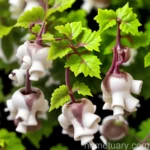
- The name “foamy bells” reflects the delicate, frothy appearance of the plants’ flowers, which create clusters of tiny, bell-shaped blooms.
- Heucherella ‘Hopscotch’ is a native of North America, where it can be found in woodland areas and mountain slopes, showcasing its adaptability to different environmental conditions.
Links to External Resources
For further information and resources on Foamy Bells (Heucherella ‘Hopscotch’), refer to the following links:
– The American Heuchera Society: A comprehensive resource for enthusiasts of Heuchera and related genera, offering valuable insights and expertise on cultivation and care.