Plant Scientist’s Guide to Witch Hazel (Hamamelis x intermedia ‘Hiltingbury’)
Witch hazel (Hamamelis x intermedia ‘Hiltingbury’) is a stunning deciduous shrub known for its colorful and fragrant blooms, exceptional fall foliage, and numerous medicinal and aesthetic uses. As a plant scientist, I am excited to delve into the intricacies of this remarkable plant, covering everything from its cultural requirements and popular uses to its common diseases and pests. In this comprehensive guide, we will explore the fascinating world of witch hazel, providing valuable insights for enthusiasts, gardeners, and plant lovers.
What is Witch Hazel (Hamamelis x intermedia ‘Hiltingbury’)?
Witch hazel (Hamamelis x intermedia ‘Hiltingbury’) is a hybrid shrub derived from the crossbreeding of Hamamelis mollis and Hamamelis japonica. This unique hybrid combines the best traits of its parent species, resulting in a plant that is prized for its ornamental, medicinal, and ecological benefits.
Key Takeaways – Witch Hazel (Hamamelis x intermedia ‘Hiltingbury’)
Before diving into the specific aspects of Witch Hazel care and cultivation, let’s outline some key takeaways for this fascinating plant:
- Plant Name: Hamamelis x intermedia ‘Hiltingbury’
- Common Names: Witch Hazel, Spotted Alder, Tobacco Wood
- Family: Hamamelidaceae
- Plant Type: Deciduous Shrub
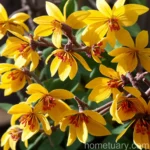
- Flower Color: A range of warm tones, including yellow, orange, and red
- Blooming Season: Late winter to early spring
- Height: 10-15 feet
- Spread: 12-15 feet
Now, let’s delve into the various aspects of witch hazel cultivation, including its cultural requirements, uses, and popular varieties.
Culture
Witch hazel is revered for its ease of cultivation and minimal maintenance requirements. Understanding the cultural preferences of this plant is essential for ensuring its optimal growth and development. From sunlight and water needs to soil and fertilizer considerations, here’s a detailed look at the cultural requirements of Witch Hazel.
Water
Proper watering is crucial for the health and vigor of witch hazel plants. While they generally exhibit good drought tolerance once established, consistent moisture is essential, especially during the establishment phase and periods of prolonged dryness.
- Establishment: Newly planted witch hazel shrubs require regular watering to encourage robust root establishment. Water deeply at least once a week during the first growing season.
- Mature Plants: Once established, witch hazel can tolerate dry periods, but it’s advisable to provide supplemental watering during prolonged droughts. Ensure that the soil remains evenly moist, particularly during the flowering and early fruiting stages.
Sunlight
Witch hazel thrives in a variety of light conditions, making it a versatile addition to different garden settings. Understanding its sunlight preferences is vital for optimizing its growth and blooming potential.
- Full Sun: While witch hazel can tolerate full sun, it generally prefers partial shade, especially in regions with hot summers. Partial shade with dappled sunlight is ideal to prevent leaf scorch and ensure vibrant blooms.
- Partial Shade: Providing dappled sunlight or partial shade can help protect the delicate flowers from the harsh afternoon sun, promoting prolonged bloom periods and enhancing flower quality.
Fertilizer
Appropriate fertilization can significantly enhance the growth, vigor, and blooming capacity of witch hazel shrubs. A balanced and timely fertilizer application can provide the necessary nutrients for robust growth and prolific flowering.
- Timing: Fertilize witch hazel in early spring before new growth emerges. An additional application in late fall can also provide essential nutrients for winter hardiness and spring growth.
- Fertilizer Type: Use a balanced, slow-release fertilizer specially formulated for woody plants. Apply the fertilizer evenly around the drip line of the shrub, and water it in thoroughly to ensure proper incorporation into the soil.
Soil
Understanding the soil preferences of witch hazel is critical for providing an optimal growing environment. Proper soil composition and structure can influence the overall health and performance of the plant.
- Acidic Soil: Witch hazel thrives in acidic, well-draining soils with a pH range of 5.5 to 6.5. Amend alkaline soils with organic matter, such as compost or pine bark mulch, to lower the pH and improve soil structure.
- Moisture Retention: While the soil should be well-draining, witch hazel appreciates a soil that retains moisture without becoming waterlogged. A loamy, rich soil with good water retention capabilities is ideal for this species.
Pruning
Pruning witch hazel is an important aspect of its maintenance, ensuring a balanced and aesthetically pleasing growth habit while promoting vigorous flowering. Proper pruning techniques can also help manage the size of the shrub and rejuvenate older plants.
- Timing: Prune witch hazel immediately after flowering, typically in late spring or early summer. This timing allows the plant to form new growth and flower buds for the following season without compromising the blooming display.
- Techniques: Use sanitized pruning shears to remove spent flowers, wayward branches, and any damaged or diseased wood. Additionally, selectively prune older branches to encourage new growth and maintain a desirable shape.
Propagation
Propagating witch hazel allows enthusiasts to expand their plant collection and share this captivating species with others. While propagation can be achieved through various methods, softwood cuttings and layering are commonly used for witch hazel propagation.
- Softwood Cuttings: Take 4-6 inch cuttings from healthy, young stems in early summer. Remove the lower leaves and dip the cut end in a rooting hormone before planting it in a well-draining, moist propagation medium.
- Layering: Layering involves inducing roots to form on a stem while it is still attached to the parent plant. Select a low-growing, flexible branch, wound a small section of the stem, and bury it in a small hole while keeping the tip exposed. After the roots have developed, the new plant can be separated from the parent.
Container Popularity
Witch hazel’s adaptability and stunning aesthetic appeal make it a popular choice for container gardening. When cultivated in containers, witch hazel can thrive on patios, balconies, and other compact spaces, allowing urban gardeners and plant enthusiasts to enjoy its beauty and fragrance.
- Container Size: Select a large, sturdy container with adequate drainage holes to accommodate the expansive root system of witch hazel. A container with a capacity of at least 15-20 gallons is recommended to provide ample space for growth.
- Soil Mix: Use a well-draining, acidic potting mix that mimics the preferred soil conditions of witch hazel. Incorporate organic matter, such as peat moss or compost, to improve moisture retention and nutrient availability.
- Placement: Position the container in a location with partial shade, protecting the plant from intense midday sun while providing adequate light for flowering. Ensure that the container is stable and secure, especially in windy conditions.
The captivating beauty, fragrance, and distinctive features of witch hazel make it a sought-after plant for container gardening, adding elegance and charm to outdoor spaces.
Common Diseases
Witch hazel is generally resilient to many common pests and diseases, but certain issues can affect its health and appearance if left unaddressed. Understanding the common diseases that afflict witch hazel is essential for proactive management and preventive measures.
Disease Diagnosis
- Powdery Mildew: Powdery mildew can affect witch hazel, manifesting as a powdery, white coating on the leaves. This fungal disease thrives in humid conditions and can lead to leaf distortion and reduced vigor if left untreated.
- Leaf Spot: Various fungal pathogens can cause leaf spot on witch hazel, resulting in circular lesions with dark margins on the foliage. Severe cases can lead to premature leaf drop and defoliation.
- Canker Diseases: Canker diseases, caused by fungal pathogens, can result in sunken, discolored lesions on the bark of witch hazel. These cankers can compromise the structural integrity of the plant if left unchecked.
Proper cultural practices, including providing adequate air circulation, maintaining proper spacing between plants, and avoiding overhead irrigation, can help mitigate the risk of fungal diseases. Additionally, monitoring the plant for early signs of disease and promptly addressing any issues can prevent the spread and severity of infections.
Common Pests
While witch hazel is relatively resistant to pest infestations, it may be susceptible to certain insects that can impact its health and appearance. Understanding the common pests of witch hazel is crucial for implementing effective pest management strategies.
- Aphids: These small, soft-bodied insects can congregate on the new growth of witch hazel, feeding on plant sap and excreting honeydew. Severe aphid infestations can lead to stunted growth and distorted foliage.
- Scale Insects: Scale infestations can occur on the stems and branches of witch hazel, appearing as small, immobile pests that attach themselves to the plant and feed on its sap. Heavy scale infestations can weaken the plant and cause dieback of affected branches.
Implementing cultural controls, such as encouraging natural predators like ladybugs and lacewings, and using horticultural oils to smother and suffocate soft-bodied insects, can help manage pest populations effectively.
Botanist’s Tips
As a plant scientist, I offer the following tips and recommendations for successfully cultivating and enjoying the beauty of witch hazel in home gardens and landscapes:
- Companion Planting: Pair witch hazel with early spring bulbs, such as snowdrops and crocuses, to create a captivating display of color and fragrance. The subtle beauty of these companion plants complements the vibrant blooms of witch hazel.
- Wildlife Attraction: Witch hazel flowers provide an essential food source for early-season pollinators, attracting bees and other beneficial insects. Additionally, the fall fruits of witch hazel can serve as a valuable food source for birds and small mammals.
Fun Facts
To further appreciate the unique characteristics and cultural significance of witch hazel, here are some intriguing fun facts about this exceptional plant:
- Witch hazel bark and leaves have a long history of use in traditional medicine, and Native American communities utilized various parts of the plant for medicinal purposes, including treating skin conditions and relieving inflammation.
- In addition to its medicinal uses, witch hazel extract is a common ingredient in skincare and cosmetic products, valued for its astringent and soothing properties.
- Witch hazel is admired for its fascinating method of seed dispersal. The fruits of witch hazel explode when mature, projecting the seeds several feet away from the parent plant.
Links to External Resources
To further explore the world of witch hazel, its cultivation, and uses, I encourage you to explore the following resources:
- Royal Horticultural Society – Witch Hazels
- Missouri Botanical Garden – Hamamelis x intermedia ‘Hiltingbury’
- American Horticultural Society – Gardening with Native Plants
- University of Maryland Extension – Common Diseases of Witch Hazel
- Penn State Extension – Integrated Pest Management for Home Gardeners
In conclusion, witch hazel (Hamamelis x intermedia ‘Hiltingbury’) stands as a captivating and versatile plant with a rich history, exceptional beauty, and valuable ecological and medicinal uses. By understanding its cultural requirements, addressing common pests and diseases, and appreciating its unique features, enthusiasts and gardeners can fully embrace the charm and benefits of this remarkable shrub.
Through this comprehensive guide, I hope to inspire a deeper appreciation for witch hazel and provide valuable insights for its successful cultivation and enjoyment in various garden settings. As a plant scientist, I am continually fascinated by the enduring allure and multifaceted nature of plants like witch hazel, and I look forward to further exploration and discovery in the world of horticulture and botanical science.