Plant Scientist Blog: All About Witch Hazel (Hamamelis ‘Fire Blaze’)
As a plant scientist, I am excited to share my expertise and knowledge about the exquisite plant species, Witch Hazel (Hamamelis ‘Fire Blaze’). In this comprehensive blog post, we will delve into the various aspects of this remarkable plant, including its culture, uses, water and sunlight requirements, fertilizer needs, soil preferences, pruning techniques, propagation methods, common diseases, common pests, botanist’s tips, and fun facts.
What is Witch Hazel (Hamamelis ‘Fire Blaze’)?
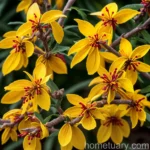
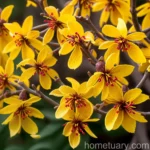
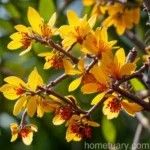
Witch hazel, scientifically known as Hamamelis, is a genus of flowering plants in the family Hamamelidaceae. The name “witch hazel” is a direct translation from the Middle English “wiche” which means “bendable” and “wych” which means “bend”. This refers to the flexible nature of the branches. The unique feature of Witch Hazel is its distinctive flowers that bloom in late winter to early spring, providing a delightful burst of color when most other plants remain dormant. One particularly captivating cultivar of Witch Hazel is ‘Fire Blaze’, renowned for its fiery red blooms and vibrant fall foliage.
Key Takeaways of Witch Hazel (Hamamelis ‘Fire Blaze’)
Culture
- Scientific Name: Hamamelis ‘Fire Blaze’
- Family: Hamamelidaceae
- Genus: Hamamelis
- Common Name: Witch Hazel
- Cultivar: Fire Blaze
Uses
- Landscaping: Adds vibrancy to winter landscapes
- Medicinal: Extracts used in skincare and medicinal preparations
- Aromatherapy: Essential oil production
Water
- Moderate, consistent moisture
Sunlight
- Partial shade to full sun
Fertilizer
- Balanced, slow-release fertilizer in spring
Soil
- Well-draining, acidic to neutral pH
Pruning
- Minimal pruning for shape and structure, best done after flowering
Propagation
- Seeds, cuttings, or grafting
Container Popularity
- Suited for containers
Common Diseases
- Leaf spot, powdery mildew
Common Pests
- Aphids, Japanese beetles
Botanist’s Tips
- Witch Hazel has a unique blooming cycle, and its flowers can withstand frost.
Fun facts
- The bark and leaves of witch hazel have astringent properties and are used in traditional medicine.
Now that we have covered the key takeaways, let’s delve deeper into the various aspects of Witch Hazel (Hamamelis ‘Fire Blaze’).
Culture of Witch Hazel (Hamamelis ‘Fire Blaze’)
Overview
Witch Hazel, particularly the ‘Fire Blaze’ cultivar, is a versatile and visually stunning plant that can thrive with the right care and attention. Understanding its cultural requirements is fundamental to successfully nurturing this plant.
Uses
Witch Hazel (Hamamelis ‘Fire Blaze’) serves various purposes, making it a popular choice for gardeners and landscapers alike. It is primarily used for:
- Landscaping: The vibrant and fragrant flowers of the ‘Fire Blaze’ variety add a burst of color to winter landscapes when most other plants are dormant, making it an invaluable addition to gardens and public spaces.
- Medicinal: The astringent properties of Witch Hazel make it a valuable ingredient in skincare and medicinal products. Extracts from the bark and leaves are utilized for their soothing and anti-inflammatory properties.
- Aromatherapy: Essential oils derived from Witch Hazel are used in aromatherapy due to their subtle, soothing fragrance.
Water
Proper watering is crucial for the healthy growth of Witch Hazel. The moisture requirements vary depending on factors such as climate, soil type, and stage of growth. However, in general, Witch Hazel prefers moderate and consistent moisture to thrive.
Sunlight
Witch Hazel (Hamamelis ‘Fire Blaze’) shows remarkable adaptability to varying light conditions. It can thrive in locations ranging from partial shade to full sun, making it a versatile choice for different garden settings.
Fertilizer
Applying a balanced, slow-release fertilizer in the early spring can help enhance the growth and blooming of Witch Hazel plants. A fertilizer with an N-P-K ratio of 10-10-10 or similar can provide the necessary nutrients to support healthy growth and vibrant blossoms.
Soil
The choice of soil directly impacts the health and vigor of Witch Hazel. It prefers well-draining soil with a slightly acidic to neutral pH. Amending the soil with organic matter such as compost can further improve its texture and drainage, creating an optimal environment for the plant’s roots.
Pruning and Propagation of Witch Hazel (Hamamelis ‘Fire Blaze’)
Pruning
Pruning Witch Hazel is generally minimal and focused on maintaining the plant’s shape, removing dead or damaged branches, and encouraging healthy growth. It is best performed after the plant has finished blooming, which allows for any necessary adjustments without hindering the next season’s flower production.
Propagation
Witch Hazel can be propagated through various methods such as seeds, cuttings, and grafting. Each method has its own distinct requirements and success rates. Grafting, in particular, is a common practice for propagating specific cultivars like ‘Fire Blaze’ to maintain their unique characteristics.
Common Diseases and Pests of Witch Hazel (Hamamelis ‘Fire Blaze’)
While Witch Hazel is a resilient plant, it can still be susceptible to certain diseases and pests. Understanding these potential challenges is important for effective management and maintenance of the plant.
Common Diseases
- Leaf Spot: Characterized by dark, rounded spots on the leaves, typically caused by fungal pathogens.
- Powdery Mildew: A fungal infection that appears as a white, powdery growth on the leaves, often due to poor air circulation and high humidity.
Disease Diagnosis
Monitoring the plant for unusual discoloration, spots, or growths on the leaves and stems can help in early disease detection. Prompt action through proper sanitation, fungicidal treatment, or pruning affected areas can prevent the spread of diseases.
Common Pests
- Aphids: Small, soft-bodied insects that feed on plant sap, often found on the undersides of leaves.
- Japanese Beetles: Known for their voracious feeding on plant foliage and flowers, leading to significant damage if left unmanaged.
Botanist’s Tips
For effective management of common diseases and pests, it is essential to encourage overall plant health through proper watering, balanced fertilization, and suitable cultural practices. Regular inspection and timely intervention can also aid in preventing the escalation of pest and disease infestations.
Botanist’s Tips for Growing Witch Hazel (Hamamelis ‘Fire Blaze’)
Understanding the Blooming Cycle
Witch Hazel has a unique blooming cycle that sets it apart from many other plants. Its flowers, with their vibrant colors and delicate fragrance, are a sight to behold during late winter to early spring. Additionally, the flowers have the remarkable ability to withstand frost, providing a rare spectacle in the colder months.
Soil Preferences
Witch Hazel thrives in well-draining soil with a slightly acidic to neutral pH. Understanding and catering to its specific soil requirements can significantly enhance its growth and overall health.
Fragrance and Medicinal Uses
The bark and leaves of Witch Hazel possess astringent properties and are widely utilized in traditional medicine and skincare products. Recognizing these attributes adds to the appreciation of Witch Hazel beyond its ornamental value.
Fun Facts About Witch Hazel (Hamamelis ‘Fire Blaze’)
- Witch Hazel has a long history of traditional use by Native Americans for various medicinal purposes, including skin ailments and swelling.
- The distinctive blooms of Witch Hazel are notably fragrant, adding an alluring aspect to its visual appeal.
- Witch Hazel is known for its remarkable adaptability to colder climates, making it an ideal choice for winter gardens.
In conclusion, Witch Hazel (Hamamelis ‘Fire Blaze’) stands out as a versatile and captivating plant, renowned for its vibrant flowers, medicinal properties, and adaptability to varying landscapes. Cultivating this plant can be a rewarding experience for any gardener with an appreciation for its unique traits and visual appeal.
I hope this comprehensive guide provides valuable insights into the world of Witch Hazel and encourages more people to explore and appreciate the beauty and benefits of this remarkable plant.
Links to External Resources
To further enhance your knowledge and understanding of Witch Hazel (Hamamelis ‘Fire Blaze’), I recommend exploring the following resources:
- Royal Horticultural Society: Hamamelis
- Penn State Extension: Witch Hazels
- University of Maryland Extension: Witch Hazel in the Landscape
- American Society for the Prevention of Cruelty to Animals (ASPCA): Witch Hazel
These resources offer valuable insights, tips, and recommendations for the successful cultivation and appreciation of Witch Hazel, including the specific care requirements for the ‘Fire Blaze’ cultivar.
As a plant scientist, I believe in the importance of fostering awareness and understanding of remarkable plant species like Witch Hazel. I am passionate about sharing my expertise to inspire a deeper appreciation for the natural world and the plants that enrich our lives. Thank you for joining me on this journey of discovery and appreciation of the captivating Witch Hazel (Hamamelis ‘Fire Blaze’).