Chinese Witch Hazel (Hamamelis ‘Brevipetala’): A Complete Guide
Introduction
Plants are an integral part of our lives, and they come in a wide variety of shapes, sizes, and forms. Among the diverse array of plant species, the Chinese witch hazel, scientifically known as Hamamelis ‘Brevipetala’, stands out as an especially intriguing and beautiful plant. In this comprehensive guide, we will explore the Chinese witch hazel and delve into its culture, uses, maintenance, and much more.
What is Chinese Witch Hazel (Hamamelis ‘Brevipetala’)?
Hamamelis ‘Brevipetala’ or Chinese witch hazel is a deciduous shrub renowned for its exquisite winter blooms and delightful fragrance. This plant belongs to the Hamamelidaceae family and is native to China. The flowers of the Chinese witch hazel bloom in late winter to early spring, making it a coveted addition to any garden, particularly during the dormant months when few plants are in flower.
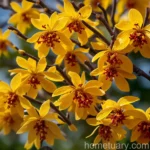
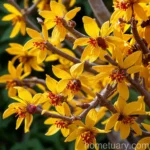
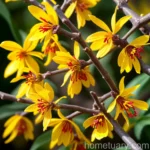
The Chinese witch hazel is adorned with bright, spidery blossoms that vary in color from a rich and vibrant yellow to a deeper, coppery hue. Beyond its aesthetic appeal, this plant also offers a captivating fragrance, adding another dimension to its allure. It is an exceptional choice for gardeners seeking to add winter interest and fragrance to their landscape.
Key Takeaways
Chinese Witch Hazel (Hamamelis ‘Brevipetala’)
- Botanical Name: Hamamelis ‘Brevipetala’
- Common Name: Chinese Witch Hazel
- Family: Hamamelidaceae
- Native to: China
- Flowering Season: Late winter to early spring
- Fragrance: Delightful and captivating
Culture
Understanding the ideal conditions for the Chinese witch hazel is essential for its successful growth and development. Let’s explore the cultural requirements for this captivating plant.
Uses
The Chinese witch hazel can serve a variety of purposes, including:
- Ornamental focus in gardens and landscapes
- Providing winter interest with its unique blooming period
- Incorporation into fragrance gardens due to its delightful scent
Water
- Watering Schedule:
- Adequate moisture is crucial for Chinese witch hazel, especially during dry periods.
-
Regular watering is essential during the growing season to maintain soil moisture without causing waterlogging.
-
Hydration Needs:
- Mulching can help retain soil moisture, especially in hotter climates.
- Water deeply but infrequently to encourage deep root growth.
Sunlight
- Light Requirements:
- Chinese witch hazel flourishes in partial shade to full sun, however, it prefers a location with some shade during the hottest part of the day.
- In areas with intense heat, providing afternoon shade can be beneficial.
Fertilizer
- Feeding Schedule:
- Fertilize Chinese witch hazel in early spring before new growth emerges and again in late fall to support root development.
- Use a slow-release, balanced fertilizer formulated for woody plants in the recommended quantity.
Soil
- Soil Type:
- Well-draining, acidic soil is ideal for Chinese witch hazel.
- Incorporate organic matter such as compost to enhance soil structure and fertility.
Pruning
- Pruning Techniques:
- Prune Chinese witch hazel after flowering to maintain its shape and remove any dead or damaged branches.
- Minimal pruning is generally recommended to preserve its natural form and flower-bearing branches.
Propagation
- Propagation Methods:
- Propagate Chinese witch hazel through softwood cuttings in early summer or hardwood cuttings in late summer.
- Root cuttings can also be used to propagate new plants.
Container Popularity
- Container Gardening:
- Chinese witch hazel can thrive in containers, making it an excellent choice for patios and urban gardens.
- Use a large container with well-draining soil and provide adequate space for root development.
Common Diseases
While the Chinese witch hazel is relatively resilient, it may be susceptible to certain diseases. It’s important to be aware of these potential issues to effectively prevent and manage them.
Disease Diagnosis
- Common Diseases:
- Phytophthora root rot: Caused by waterlogged soil and leads to root damage and decline of the plant.
- Powdery mildew: Characterized by the presence of white, powdery growth on foliage, particularly in humid conditions.
- Leaf spot: Causes dark spots on the foliage and can lead to leaf defoliation in severe cases.
Common Pests
Chinese witch hazel may also be affected by various pests, including:
- Aphids
- Scale insects
- Spider mites
Botanist’s Tips
Fun Facts
Here are some interesting and lesser-known facts about Chinese witch hazel:
- Witch hazel’s astringent properties have long been utilized for medicinal purposes, particularly in skincare products.
- The bark and leaves of witch hazel have been used in traditional medicine for their potential health benefits.
- The unique blooming period of Chinese witch hazel makes it a valuable addition to winter gardens.
Links to External Resources
For further information and resources on Chinese witch hazel, consider exploring the following external links:
- Royal Horticultural Society – Gardening Advice for Chinese Witch Hazel
- Missouri Botanical Garden – Hamamelis ‘Brevipetala’ Information
- North Carolina State University – Witch Hazel Production Guide
- The American Phytopathological Society – Common Diseases of Witch Hazel
Conclusion
The Chinese witch hazel (Hamamelis ‘Brevipetala’) is a captivating and versatile plant that offers an array of benefits to gardeners and enthusiasts. Its unique winter blooming period and delightful fragrance make it a prized addition to any landscape. By understanding its cultural requirements, maintenance needs, and potential challenges, gardeners can cultivate this beautiful plant successfully. Whether in a garden bed or a container, the Chinese witch hazel is sure to bring joy and beauty to its surroundings.