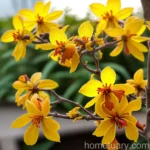
The Enchanting and Medicinal Witch Hazel (Hamamelis x intermedia ‘Barmstedt Gold’)
Witch hazel (Hamamelis x intermedia ‘Barmstedt Gold’) is an enchanting shrub that offers not only a stunning display of golden blooms but also provides a range of medicinal and skincare benefits. In this comprehensive guide, we will delve deep into the culture, uses, care, and maintenance of this captivating plant. Whether you are a seasoned horticulturist or a novice gardener, there is much to learn and appreciate about the spellbinding witch hazel.
What is Witch Hazel?
Witch hazel, scientifically known as Hamamelis x intermedia ‘Barmstedt Gold’, is a deciduous shrub that belongs to the family Hamamelidaceae. This hybrid species is a cross between Hamamelis japonica and Hamamelis mollis. It is prized for its dazzling and fragrant golden-yellow flowers that bloom in the late winter to early spring. The foliage of witch hazel also provides a stunning display, turning a brilliant gold color in the fall, adding a touch of warmth to the winter landscape.
Key Takeaways – Witch Hazel (Hamamelis x intermedia ‘Barmstedt Gold’)
Before diving into the specifics of witch hazel, let’s highlight some key takeaways about this mesmerizing plant:
- Witch hazel (Hamamelis x intermedia ‘Barmstedt Gold’) is a deciduous shrub known for its golden-yellow blooms and vibrant fall foliage.
- The plant is a cross between Hamamelis japonica and Hamamelis mollis, making it a hybrid species.
- Witch hazel offers medicinal uses, skincare benefits, and a captivating fragrance, making it a versatile addition to any garden.
Culture
Understanding the cultural requirements of witch hazel is paramount to its successful growth and development. Here are the essential aspects of the plant’s culture:
Uses
Medicinal Uses
Witch hazel has a long history of medicinal use, particularly in traditional medicine, owing to its astringent and anti-inflammatory properties. It is commonly used to soothe skin irritation, alleviate symptoms of conditions such as eczema and psoriasis, and promote healing in minor cuts and bruises. The extract derived from witch hazel bark and leaves is a key ingredient in various over-the-counter skincare products, including toners, lotions, and ointments.
Ornamental Uses
In addition to its medicinal properties, witch hazel is widely cherished for its ornamental value. The enchanting golden blooms and vibrant fall foliage make it a delightful addition to gardens and landscapes. It can be used as a specimen plant, hedge, or border plant, infusing a touch of elegance into the winter garden.
Water
Witch hazel requires regular watering, especially during the establishment phase. While it is tolerant of various soil conditions, providing consistent moisture is essential for optimal growth and flowering. During periods of prolonged drought, supplemental watering is crucial to prevent stress and maintain the plant’s vigor.
Sunlight
Adequate sunlight is vital for the healthy growth and flowering of witch hazel. Plant it in a location that receives partial to full sun, ensuring it gets at least 4-6 hours of direct sunlight daily. Insufficient light may result in reduced flowering and overall diminished plant vigor.
Fertilizer
Witch hazel generally does not have high fertility requirements. However, applying a balanced, slow-release fertilizer in early spring can support healthy growth and flowering. Avoid overfertilization, as this may lead to excessive vegetative growth at the expense of flower production.
Soil
Witch hazel thrives in moist, well-draining soil with a slightly acidic to neutral pH. It can tolerate a range of soil types, including loamy, sandy, or clay soils, as long as they do not become waterlogged. Amending the soil with organic matter, such as compost or peat moss, can improve its structure and moisture retention capacity.
Pruning
Pruning witch hazel is generally minimal, focusing on the removal of dead, damaged, or crossing branches. The best time to prune is after the plant has finished flowering, typically in late spring or early summer. This timing allows the shrub to set flower buds for the following year without disruption.
Propagation
Witch hazel can be propagated through several methods, including:
- Seed Propagation: Collect seeds from mature witch hazel pods and sow them in a well-prepared seedbed. Germination may take several months, and the resulting plants may not resemble the parent exactly due to the genetic variability of the species.
- Softwood Cuttings: Take softwood cuttings in early summer, dip them in a rooting hormone, and place them in a moist, well-draining growing medium. Maintain high humidity and warmth to encourage root development.
Container Popularity
Due to its manageable size and ornamental appeal, witch hazel is well-suited for container cultivation. It can be grown in large containers on patios, decks, or other outdoor spaces, bringing its captivating display of flowers and fall foliage to smaller landscapes.
Common Diseases
While witch hazel is generally resilient to many common plant diseases, it may be susceptible to certain issues under unfavorable growing conditions. Here are some common diseases to be mindful of:
Disease Diagnosis
- Leaf Spot: If you notice dark spots or lesions on the leaves of witch hazel, it may be afflicted by a fungal disease known as leaf spot. Improve air circulation around the plant and avoid overhead watering to prevent this issue.
- Powdery Mildew: A powdery white coating on the leaves and stems indicates powdery mildew, a fungal disease common in humid conditions. Ensure proper spacing between plants and consider applying fungicidal sprays if the issue persists.
Common Pests
Witch hazel is relatively resistant to pest infestations. However, it may occasionally encounter pests such as aphids, spider mites, and scale insects. Regular monitoring of the plant’s foliage and prompt action to control minor infestations can prevent these pests from causing significant damage.
Botanist’s Tips
To ensure the successful cultivation and enjoyment of witch hazel in your garden, consider the following tips from botanists and experienced gardeners:
- Plant witch hazel in a location that allows for good air circulation, helping to minimize the risk of foliar diseases.
- Provide consistent moisture, especially during dry periods, to support healthy growth and flowering.
- Avoid heavy pruning, as witch hazel sets its flower buds on the previous year’s growth. Prune sparingly to maintain the plant’s natural form and remove any dead or damaged wood.
- When propagating witch hazel, be patient, as it may take time for new plants to establish and develop into mature specimens.
Fun Facts
Here are some captivating and lesser-known facts about witch hazel:
- Witch hazel bark and leaves are traditionally used to make a decoction or tincture with various medicinal applications, including treating insect bites, minor burns, and sunburns.
- The astringent properties of witch hazel make it a popular ingredient in natural skincare products, often used as a toner or as an ingredient in facial cleansers and moisturizers.
Links to External Resources
To further expand your knowledge and appreciation of witch hazel, explore the following resources:
- The Magical Uses of Witch Hazel in Folklore and Mythology
- Witch Hazel: A Natural Remedy for Skincare
- Growing and Caring for Witch Hazel in Your Garden
In conclusion, witch hazel (Hamamelis x intermedia ‘Barmstedt Gold’) is a remarkable plant that effortlessly combines ornamental beauty with practical uses. Its captivating golden blooms, vibrant fall foliage, and medicinal properties make it a valuable addition to any garden or landscape. By understanding its cultural requirements, addressing common issues, and applying expert tips, you can cultivate and cherish the enchanting witch hazel in your own outdoor space.
Remember to explore the links to external resources for further insights into the fascinating world of witch hazel and its diverse uses. Whether you are drawn to its folklore, its skincare applications, or its gardening tips, there is always more to learn about this extraordinary plant.