Witch Hazel (Hamamelis x intermedia ‘Diane’)
Witch hazel, scientifically known as Hamamelis x intermedia ‘Diane,’ is a stunning deciduous shrub that adds seasonal interest to gardens and landscapes. This versatile plant is admired for its exquisite flowers, attractive foliage, and various medicinal and ornamental uses. In this comprehensive guide, we will delve into the culture, uses, maintenance, and fascinating aspects of Witch Hazel, providing valuable insights for plant enthusiasts, gardeners, and botany enthusiasts.
What is Witch Hazel (Hamamelis x intermedia ‘Diane’)?
Overview
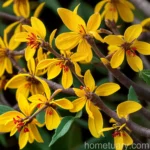
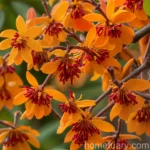
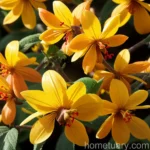
Witch hazel (Hamamelis x intermedia ‘Diane’) is a hybrid plant belonging to the Hamamelidaceae family. This revered shrub is a result of the cross-breeding between Hamamelis mollis and Hamamelis japonica, yielding a stunning and robust ornamental shrub. It features an alluring combination of fiery red and orange flowers that bloom from late winter to early spring, making it a cherished addition to both residential and public landscapes.
Botanical Description
This enchanting shrub boasts an upright, spreading habit and typically grows to a height of 10-12 feet, with a similar spread. The vibrant flowers emerge before the foliage, showcasing intricate, strap-shaped petals that create a unique visual appeal. The foliage itself is no less captivating, displaying an attractive coppery-bronze tint in the fall, offering a beautiful autumnal display. The rich green leaves provide an elegant backdrop to the dramatic flowers during the bloom period.
Historical Significance
The name ‘witch hazel’ is derived from the Anglo-Saxon word ‘wych,’ meaning pliant or bendable, due to the plant’s flexible branches. Traditionally, witch hazel has been valued for its medicinal properties, with Native American tribes employing it to address a wide array of health concerns, from soothing skin irritations to alleviating sore muscles and bruises.
Key Takeaways – Witch Hazel (Hamamelis x intermedia ‘Diane’)
Witch hazel (Hamamelis x intermedia ‘Diane’) is a captivating shrub that offers an array of benefits and features. Here are the key takeaways that capture the essence of this remarkable plant:
-
Stunning Beauty: The fiery red and orange flowers of ‘Diane’ add a burst of color to the late winter and early spring landscape, creating an enchanting visual display.
-
Seasonal Interest: Beyond its picturesque blossoms, Witch Hazel also showcases appealing foliage, with the leaves transitioning to a vivid coppery-bronze hue in the fall, providing year-round interest.
-
Medicinal Uses: Witch hazel possesses a rich history in traditional medicine, with its bark and leaves serving as the basis for various medicinal preparations, including skin tonics and astringents.
-
Breeding Heritage: ‘Diane’ is a product of the cross-breeding between Hamamelis mollis and Hamamelis japonica, combining the best traits of its parent species to create a resilient and striking shrub.
Now that we have gained an overview of Witch Hazel (Hamamelis x intermedia ‘Diane’), let’s explore the crucial aspects of its culture, uses, maintenance, and more.
Culture
Water
Proper watering is crucial for the health and vitality of Witch Hazel (Hamamelis x intermedia ‘Diane’). While it is essential to ensure consistent moisture, it’s equally important to prevent waterlogged conditions. During the establishment phase, regular watering is paramount, especially during dry spells. Once the plant is well-established, it exhibits good drought tolerance, reducing the frequency of watering.
Sunlight
Witch Hazel thrives in partial shade to full sun, displaying its best floral display in sunshine. It accommodates various light conditions, including dappled shade, making it a versatile addition to a range of landscapes and garden designs.
Fertilizer
A balanced, slow-release fertilizer is beneficial for Witch Hazel, supporting its growth and flowering potential. Apply a layer of compost or a complete granular fertilizer around the base of the plant in early spring before new growth emerges.
Soil
Witch Hazel flourishes in well-drained, slightly acidic to neutral soil. It performs well in various soil types, including loamy, sandy, or clay soils, as long as they offer good drainage. Amending heavy or compacted soils with organic matter enhances the soil structure and supports healthy growth.
Pruning
Proper pruning is essential for maintaining the form and vigor of Witch Hazel (Hamamelis x intermedia ‘Diane’). Prune the shrub immediately after flowering to selectively remove any dead, damaged, or crossing branches. This practice not only enhances the plant’s aesthetics but also promotes air circulation and minimizes disease susceptibility.
Propagation
Witch Hazel can be propagated through various methods, including seed propagation, softwood cuttings, and layering. While the seeds require stratification to break dormancy and germinate, softwood cuttings in early summer and layering in early spring are feasible options for propagating this captivating shrub.
Container Popularity
Witch Hazel (Hamamelis x intermedia ‘Diane’) is well-suited for container cultivation, offering an opportunity to enjoy its charm in smaller spaces and on patios or balconies. Proper drainage and a slightly acidic potting mix are essential for successful container growth.
Common Diseases
Disease Diagnosis
Witch Hazel is generally resilient against diseases, with proper cultural care mitigating most common issues. However, it may occasionally encounter fungal diseases such as powdery mildew or leaf spot. Maintaining good air circulation, adequate spacing, and avoiding overhead watering can prevent or mitigate these concerns.
Common Pests
While Witch Hazel is relatively pest-resistant, occasional pest issues such as aphids or spider mites may arise. Vigilant monitoring and natural control methods such as insecticidal soap or horticultural oil can effectively manage these unwelcome visitors.
Botanist’s Tips
For an exceptional display of flowers, plant Witch Hazel in a location that receives ample sunlight, allowing the vibrant blossoms to flourish. When selecting a location, envision the seasonal interest it will bring to the landscape, from its stunning flowers to the captivating fall foliage.
Fun Facts
- Witch Hazel distillate, derived from the bark and leaves, serves as a key ingredient in various skincare and medicinal products, including toners, ointments, and soothing preparations.
- The unique flowers of Witch Hazel release a delightful fragrance, attracting pollinators and offering a sensory delight to garden visitors.
Now that we’ve explored the cultural practices, maintenance, and fascinating aspects of Witch Hazel, let’s delve into its uses and significance.
Uses
Witch Hazel (Hamamelis x intermedia ‘Diane’) boasts a myriad of uses, ranging from ornamental to medicinal applications, enriching landscapes and providing unique benefits.
Ornamental Uses
As an ornamental shrub, Witch Hazel serves as an invaluable addition to gardens, parks, and public landscapes, offering brilliant flowers, distinctive foliage, and seasonal interest. It can be utilized as a focal point specimen, mixed border plant, or enchanting backdrop in landscape designs.
Medicinal Uses
Witch Hazel holds a prominent place in herbal medicine, with its bark, leaves, and distilled water serving as the basis for various preparations. It is renowned for its astringent, anti-inflammatory, and soothing properties, making it a key ingredient in skincare products, ointments, and traditional remedies.
Landscape Design
The vibrant hues of Witch Hazel’s flowers and foliage contribute to captivating landscape designs, adding visual interest and seasonal allure. Its remarkable ability to thrive in partial shade enhances its versatility, allowing for creative incorporation in diverse garden settings.
Wildlife Attraction
The flowers of Witch Hazel attract and nourish early pollinators, including bees and butterflies, offering essential resources during the late winter or early spring when floral options may be limited.
With its multifaceted uses and benefits, Witch Hazel (Hamamelis x intermedia ‘Diane’) holds a special place in horticulture, herbalism, and landscape design.
Fun Facts
- Witch Hazel distillate, derived from the bark and leaves, serves as a key ingredient in various skincare and medicinal products, including toners, ointments, and soothing preparations.
- The unique flowers of Witch Hazel release a delightful fragrance, attracting pollinators and offering a sensory delight to garden visitors.
Links to External Resources
For further information about Witch Hazel (Hamamelis x intermedia ‘Diane’), feel free to explore the following resources:
- Royal Horticultural Society – Witch Hazel
- Missouri Botanical Garden – Hamamelis x intermedia
- University of Maryland Medical Center – Witch Hazel
- American Society for the Prevention of Cruelty to Animals – Common Poisonous Plants
By leveraging these valuable resources, we can gain deeper insights into the culture, care, and uses of Witch Hazel, enriching our knowledge and furthering our appreciation for this exceptional shrub.
In conclusion, Witch Hazel (Hamamelis x intermedia ‘Diane’) enthralls with its captivating flowers, seasonal interest, and diverse uses, making it a cherished addition to gardens, landscapes, and herbal traditions. By adhering to the recommended cultural practices and leveraging its ornamental and medicinal potential, we can cultivate thriving specimens and incorporate their beauty and benefits into our lives.
Whether you seek a stunning floral display, a touch of herbal wisdom, or a captivating landscape feature, Witch Hazel stands ready to fulfill these desires, enriching our horticultural journeys and nourishing our connections with nature.