Witch Hazel (Hamamelis x intermedia ‘Agnes’)
Witch hazel, scientifically known as Hamamelis x intermedia ‘Agnes’, is a fascinating plant that belongs to the family Hamamelidaceae. This unique species is highly valued for its ornamental features, aromatic flowers, and diverse uses. In this comprehensive guide, we will delve into the various aspects of this remarkable plant, including its culture, uses, water and sunlight requirements, fertilizer needs, soil preferences, pruning techniques, propagation methods, common diseases, pest control, and much more.
What is Witch Hazel (Hamamelis x intermedia ‘Agnes’)?
Witch hazel (Hamamelis x intermedia ‘Agnes’) is a deciduous shrub renowned for its exquisite and fragrant blooms, making it a popular choice for gardens, landscapes, and botanical collections. This particular cultivar, known as ‘Agnes’, is celebrated for its exceptional characteristics, including its unique foliage, showy flowers, and adaptability to various growing conditions.
Key Takeaways – Witch Hazel (Hamamelis x intermedia ‘Agnes’)
- Scientific Name: Hamamelis x intermedia ‘Agnes’
- Common Name: Witch Hazel
- Family: Hamamelidaceae
- Origin: Hybrid origin, likely a cross between Hamamelis japonica and Hamamelis mollis
- Uses: Ornamental, Medicinal
- Hardiness Zone: 5-8
- Mature Height: 10-15 feet
- Mature Spread: 8-12 feet
- Bloom Time: Late winter to early spring
- Foliage: Green, vibrant fall color
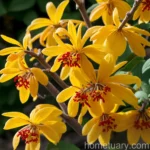
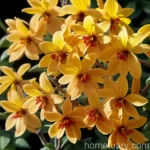
- Flowers: Fragrant, showy, typically orange to red
- Fragrance: Distinctively spicy and aromatic
- Medicinal Properties: Astringent, often used in skincare products
- Landscape Use: Borders, woodland gardens, naturalized areas
Culture
Water
Witch hazel, particularly the ‘Agnes’ variety, prefers moist, well-drained soil. During the initial establishment period, it’s essential to keep the plant adequately watered to promote healthy root development and overall growth. Once established, witch hazel demonstrates good drought tolerance, although regular watering, especially during prolonged dry spells, can help maintain its vigor and promote optimal flower production.
Sunlight
When it comes to sunlight, witch hazel thrives in partial shade to full sun. In regions with hot summers, providing some afternoon shade can be beneficial, as it helps prevent excessive stress on the plant and minimizes the risk of leaf scorch. In cooler climates, full sun exposure is generally well-tolerated and can promote abundant flowering.
Fertilizer
Due to its adaptability and resilience, witch hazel typically thrives in moderately fertile soils and doesn’t require excessive fertilization. A balanced, slow-release fertilizer applied in early spring can provide the necessary nutrients to support healthy growth and abundant flowering. Organic amendments, such as well-aged compost, can also be beneficial for enriching the soil and promoting overall plant vigor.
Soil
Witch hazel ‘Agnes’ prefers slightly acidic to neutral soil with good drainage. It can adapt to various soil types, including loamy, sandy, or clay soils, as long as they are not excessively compacted or prone to waterlogging. Prior to planting, amending the soil with organic matter can enhance its structure and fertility, providing an optimal foundation for the witch hazel to thrive.
Pruning
Pruning plays a crucial role in shaping the growth habit of witch hazel and promoting flowering. To maintain a well-balanced and attractive form, it’s recommended to prune witch hazel immediately after flowering. This timing allows for the removal of spent blooms and the shaping of the plant without compromising the following year’s flower buds. Additionally, removing any dead, damaged, or crossing branches can contribute to the plant’s overall health and appearance.
Propagation
Propagation of witch hazel, including the ‘Agnes’ variety, can be achieved through various methods, such as:
- Softwood Cuttings: Softwood cuttings taken in late spring to early summer can be rooted under controlled conditions to establish new plants.
- Layering: Air layering or ground layering can be employed to encourage the development of roots on a branch while still attached to the parent plant, resulting in a new individual.
- Seed Propagation: While witch hazel seeds may take time to germinate and develop into mature plants, this method allows for the preservation and propagation of genetic diversity.
Container Popularity
Witch hazel, including the ‘Agnes’ variety, is well-suited for container cultivation, which allows individuals with limited garden space to enjoy its captivating beauty and fragrance. The elegant form, attractive foliage, and vibrant blooms make witch hazel an excellent choice for container plantings on patios, balconies, and terraces. When grown in containers, proper attention to watering, soil quality, and regular maintenance is crucial to ensuring the plant’s long-term health and vigor.
Container Care
When growing witch hazel in containers, it’s important to consider the following care requirements:
- Container Size: Select a spacious container that provides ample room for root development and stability for the plant.
- Potting Mix: Use a well-draining potting mix that retains moisture without becoming waterlogged, while also providing essential nutrients for the plant.
- Watering: Monitor soil moisture closely and water thoroughly when the top inch of the soil feels dry to the touch, ensuring that excess water can freely drain from the container.
- Fertilization: Apply a balanced, water-soluble fertilizer at half-strength during the growing season to support healthy growth and flowering.
- Pruning: Regularly inspect the plant for any dead or excessively long branches and perform selective pruning as necessary to maintain its shape and size.
Common Diseases
While witch hazel is generally resilient, it can be susceptible to certain diseases under unfavorable growing conditions. Some common diseases that may affect witch hazel, including the ‘Agnes’ variety, include:
- Powdery Mildew: This fungal disease can cause a powdery white coating to develop on the leaves, affecting the plant’s overall health and vigor.
- Leaf Spot: Leaf spot diseases, caused by various fungal pathogens, can result in the development of dark lesions on the leaves, impacting their functionality.
- Root Rot: Overly wet or poorly drained soil can lead to root rot, causing the plant to exhibit symptoms of decline, wilting, and leaf yellowing.
Disease Diagnosis
Proper diagnosis of plant diseases is essential for implementing effective control measures. When observing symptoms of disease on witch hazel, it’s crucial to consider the following factors:
- Symptom Appearance: Take note of the specific symptoms, such as discoloration, lesions, or unusual growth patterns, and document their progression.
- Environmental Conditions: Assess the prevailing environmental factors, including humidity, temperature, and soil moisture levels, which may contribute to disease development.
- Cultural Practices: Evaluate the plant’s care regimen, including watering, fertilization, and pruning, to identify any potential factors that may have compromised its health.
- Professional Consultation: If necessary, seek the assistance of a plant health specialist or horticulturist to accurately diagnose the disease and determine appropriate treatment options.
Common Pests
Various pests can pose a threat to witch hazel, potentially impacting its growth and flowering. Some common pests that may affect witch hazel, including the ‘Agnes’ variety, include:
- Aphids: These small, sap-sucking insects can colonize the tender new growth of witch hazel, leading to distorted leaves and reduced plant vigor.
- Spider Mites: Spider mites are known for causing stippling and discoloration on the leaves, often under hot and dry conditions.
- Scale Insects: Scale insects can attach themselves to the woody stems of witch hazel, feeding on plant sap and causing weakening of the affected branches.
Botanist’s Tips
As a plant scientist, I’d like to share some valuable tips for growing witch hazel, particularly the ‘Agnes’ variety, successfully:
- Selecting the Plant: When purchasing a witch hazel plant, choose a healthy specimen with well-developed roots and vigorous growth to ensure a strong start in its new environment.
- Site Selection: Consider the mature size of the plant when selecting its planting location, allowing adequate space for its spreading habit and avoiding overcrowding with other plants.
- Mulching: Apply a layer of organic mulch around the base of the plant to conserve soil moisture, suppress weed growth, and provide insulation to the root zone.
Fun Facts
- During the winter months, witch hazel blooms with distinctive, ribbon-shaped flowers that offer a welcome burst of color and fragrance in the garden.
- The bark and leaves of witch hazel have been traditionally used for their astringent properties, making them a key ingredient in various medicinal and skincare products.
- Witch hazel holds cultural significance and has been associated with folklore, herbal remedies, and spiritual practices for centuries.
Links to External Resources
For further information on witch hazel (Hamamelis x intermedia ‘Agnes’) and related topics, you may find the following resources helpful:
- Royal Horticultural Society – Hamamelis x intermedia ‘Agnes’
- Missouri Botanical Garden – Witch Hazel (Hamamelis spp.)
- University of Maryland Extension – Witch Hazels in Winter
- American Society for the Prevention of Cruelty to Animals – Plants Toxic to Animals: Witch Hazel
In conclusion, witch hazel (Hamamelis x intermedia ‘Agnes’) stands out as a captivating and versatile plant that adds ornamental, aromatic, and medicinal value to diverse landscapes and gardens. By understanding its cultivation requirements, uses, and potential challenges, plant enthusiasts can appreciate and cultivate this exceptional shrub to its fullest potential.