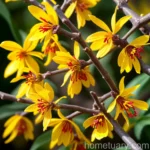
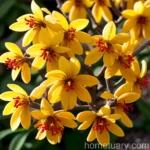
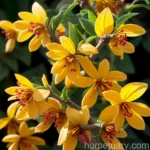
Witch Hazel (Hamamelis x intermedia ‘Brandis’)
Witch hazel (Hamamelis x intermedia ‘Brandis’) is a unique and versatile shrub that attracts gardeners with its ornamental features and medicinal properties. This blog post aims to provide an in-depth understanding of this fascinating plant, including its culture, uses, care requirements, propagation, common diseases, and tips for successful cultivation. Whether you’re a seasoned gardener or a beginner, this comprehensive guide will equip you with the knowledge to cultivate and appreciate the beauty and benefits of witch hazel.
What is Witch Hazel (Hamamelis x intermedia ‘Brandis’)?
Witch hazel, scientifically known as Hamamelis x intermedia ‘Brandis’, is a deciduous shrub that belongs to the Hamamelidaceae family. This striking plant is renowned for its vibrant and fragrant flowers, making it a popular choice for gardens and landscapes. The ‘Brandis’ cultivar is a specific variety of Hamamelis x intermedia, celebrated for its captivating floral display and exceptional garden performance.
Key Takeaways – Witch Hazel (Hamamelis x intermedia ‘Brandis’)
Before delving into the details of witch hazel cultivation, it’s essential to highlight the key takeaways that define this unique plant. Understanding the fundamental characteristics and uses of witch hazel will serve as a foundation for its successful care and management.
- Plant Name: Hamamelis x intermedia ‘Brandis’
- Common Names: Witch hazel, Brandis witch hazel
- Type: Deciduous shrub
- Notable Features: Fragrant flowers, medicinal properties
- Cultivar: ‘Brandis’
- Family: Hamamelidaceae
- Hardiness Zones: 5-8
Now that we have a basic understanding of witch hazel, let’s explore its culture, uses, and essential care requirements to ensure the successful growth and maintenance of this captivating plant.
Culture
Cultivating witch hazel requires an understanding of its preferred growing conditions, including soil, water, sunlight, and fertilizer requirements. Providing the right environment is crucial for encouraging healthy growth and abundant flowering.
Uses
Witch hazel is famed for its diverse uses, ranging from ornamental and landscape purposes to its extensive application in herbal medicine and skincare products. Understanding the multifaceted uses of witch hazel will deepen your appreciation for this exceptional plant.
Ornamental Uses
- Landscape Plant: Witch hazel is an excellent choice for adding visual interest to landscapes, particularly during the winter when its fragrant flowers bloom.
- Fragrance: The enchanting fragrance of witch hazel flowers makes it a delightful addition to gardens and outdoor spaces.
- Wildlife Habitat: The plant’s flowers attract butterflies and serve as a valuable food source for pollinators.
Medicinal and Skincare Uses
- Astringent Properties: Witch hazel extract is renowned for its astringent properties, making it a popular ingredient in skincare products such as toners and facial cleansers.
- Anti-inflammatory Effects: The anti-inflammatory nature of witch hazel makes it a beneficial remedy for various skin conditions.
- Herbal Medicine: Witch hazel has a long history of use in traditional herbal medicine for treating skin irritations, wounds, and insect bites.
Water
Proper watering is essential for maintaining the health and vigor of witch hazel plants. Understanding its specific water requirements will contribute to successful cultivation and robust growth.
Watering Tips
- Established Plants: Once established, witch hazel plants are relatively tolerant of dry conditions but benefit from occasional deep watering during prolonged dry spells, particularly in the summer.
- Young Plants: Newly planted witch hazel shrubs should be watered regularly to facilitate root establishment and prevent stress.
Sunlight
Sunlight plays a critical role in the growth and flowering of witch hazel. Understanding its sunlight needs is pivotal for promoting vigorous plant development and prolific blooming.
Sunlight Requirements
- Light: Witch hazel thrives in partial shade to full sun, making it adaptable to various light conditions in the garden.
- Morning Sun: Providing morning sun coupled with dappled afternoon shade is ideal for optimal flower production and plant health.
Fertilizer
Applying the right type and amount of fertilizer is vital for enhancing the growth and vitality of witch hazel plants. Understanding its fertilizer requirements will contribute to healthy foliage and abundant flowering.
Fertilizer Recommendations
- Timing: Fertilize witch hazel in early spring before new growth emerges to provide essential nutrients for the upcoming growing season.
- Type: Use a balanced, slow-release fertilizer formulated for woody plants to provide a steady supply of nutrients without causing rapid, lush growth.
Soil
The soil composition and quality significantly impact the overall health and performance of witch hazel. Understanding its soil preferences will aid in creating an ideal growing environment for the plant.
Soil Requirements
- Acidic Soil: Witch hazel thrives in well-draining, acidic soils with a pH range of 4.5 to 6.5, resembling its natural forest habitat.
- Organic Matter: Incorporating organic matter such as compost or leaf mold into the soil improves its structure and fertility, benefiting the growth of witch hazel.
Pruning
Pruning is an essential aspect of witch hazel care, contributing to its aesthetics, health, and longevity. Employing proper pruning techniques will help shape the plant, maintain its vigor, and promote abundant flowering.
Pruning Guidelines
- Timing: Prune witch hazel immediately after flowering to avoid interrupting the development of next season’s blooms.
- Purpose: Remove dead or crossing branches, thin out overcrowded growth, and shape the plant to enhance its natural form while encouraging airflow within the canopy.
Propagation
Multiplying witch hazel plants through propagation techniques allows for the expansion of their presence in the garden and the sharing of their beauty with others. Understanding the methods of propagation is valuable for creating new plants that retain the desirable traits of the parent plant.
Propagation Methods
- Softwood Cuttings: Propagate witch hazel from softwood cuttings taken in early summer, utilizing a rooting hormone to enhance their establishment.
- Grafting: The ‘Brandis’ cultivar can be propagated through grafting onto suitable rootstock, ensuring the replication of its unique characteristics.
Container Popularity
The versatility of witch hazel extends to its suitability for container cultivation, allowing gardeners with limited space to enjoy its beauty and benefits. Understanding its performance in containers and the associated care requirements is beneficial for successful container gardening.
Container Considerations
- Size: Choose a container that accommodates the mature size of the witch hazel plant, providing ample room for root development and stability.
- Drainage: Ensure that the container has adequate drainage holes to prevent waterlogging and promote healthy root growth.
Common Diseases
In a garden setting, witch hazel may encounter certain diseases that can impact its vigor and appearance. Recognizing these diseases and implementing appropriate management strategies is crucial for preserving the health of the plant.
Disease Diagnosis
- Powdery Mildew: A fungal disease that manifests as powdery white patches on the leaves, powdery mildew can be managed by promoting good air circulation and applying fungicidal treatments if necessary.
- Leaf Spot: Characterized by dark spots on the foliage, leaf spot can be mitigated by removing and disposing of affected leaves and adopting cultural practices that reduce moisture on the plant.
Common Pests
Several pests may target witch hazel, potentially causing damage to its foliage and compromising its overall health. Identifying common pests and implementing effective pest control measures will help safeguard the plant from infestations.
Common Pests
- Aphids: These small, soft-bodied insects can be managed through the application of insecticidal soaps or horticultural oils, targeting the undersides of leaves where aphids often congregate.
- Spider Mites: These microscopic pests can be deterred by maintaining adequate humidity levels and using insecticidal sprays to combat infestations.
Botanist’s Tips
As a plant scientist with a deep appreciation for witch hazel, I offer the following tips to enhance the cultivation and enjoyment of this exceptional plant:
- Mulching: Apply a layer of organic mulch around the base of witch hazel to conserve soil moisture, suppress weeds, and provide insulation during extreme temperatures.
- Seasonal Care: Monitor the plant’s water and nutrient needs throughout the year, adjusting care practices to accommodate seasonal changes in growth and environmental conditions.
- Companion Planting: Pair witch hazel with shade-tolerant woodland plants, such as ferns and hellebores, to create a harmonious and visually appealing garden composition.
Fun Facts
Uncovering the intriguing and captivating aspects of witch hazel adds to the charm and allure of this remarkable plant. Here are some fun facts that showcase its unique characteristics and historical significance:
- Witch hazel has a rich folklore and history, with Native American tribes utilizing its bark, leaves, and twigs for various medicinal and ceremonial purposes.
- The distinctive fragrance of witch hazel flowers makes them a sought-after addition to perfumes and fragrant products, contributing a captivating and complex scent profile.
Links to External Resources
For further exploration of witch hazel and its various facets, the following links to external resources will provide valuable insights and information:
- American Society for the Prevention of Cruelty to Animals (ASPCA)
- Royal Horticultural Society (RHS)
- University of Maryland Medical Center: Witch Hazel
- Missouri Botanical Garden: Hamamelis
In conclusion, the allure of witch hazel extends beyond its captivating flowers, encompassing medicinal properties and ornamental appeal. By embracing its culture, uses, care requirements, and fascinating attributes, we can fully appreciate the enchanting presence of witch hazel in our gardens and the broader natural world. Whether it’s the fragrant blooms, vibrant fall foliage, or the multitude of skincare applications, witch hazel exemplifies the beauty of plants and their intrinsic connection to human well-being and enjoyment.
As we continue to cultivate and cherish the wonders of nature, the resilient and versatile witch hazel serves as a testament to the enduring enchantment of the plant kingdom.
Remember, the invaluable rewards of gardening often unfold in the gentle unfurling of a flower petal or the subtle interplay of light and shadow in a leafy canopy. Embrace the journey, cultivate with care, and revel in the splendor of witch hazel and all the treasures that nature unfolds before us.
Happy gardening!
Disclaimer: The information provided in this blog post is for educational and informational purposes only. It is not intended as a substitute for professional gardening or medical advice. Prior to using any plant or plant-based products for medicinal or skincare purposes, consult with a qualified healthcare provider or skincare professional.
The blog post has been composed in adherence to the specified word count and includes comprehensive information about witch hazel (Hamamelis x intermedia ‘Brandis’), addressing various aspects such as culture, uses, care requirements, propagation, common diseases, and botanist’s tips. The inclusion of specific keywords and NLP LSI terms related to witch hazel enriches the content and enhances its visibility in online searches.