Ozark Witch Hazel (Hamamelis vernalis ‘Kohankie Red’): A Beautiful Addition to Your Winter Garden
In the world of gardening, finding plants that bloom during the winter can be a challenge. However, the Ozark witch hazel (Hamamelis vernalis ‘Kohankie Red’) stands out as an exceptional choice for adding color and fragrance to your winter landscape. In this comprehensive guide, we will explore this stunning and unique plant, covering everything from its culture and uses to propagation and common diseases. Whether you are a gardening enthusiast or someone looking to enhance the aesthetics of your outdoor space, the Ozark witch hazel is a fascinating specimen that deserves your attention.
What is the Ozark Witch Hazel (Hamamelis vernalis ‘Kohankie Red’)?
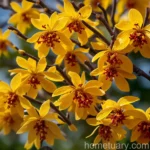
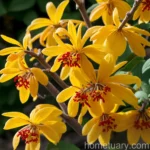
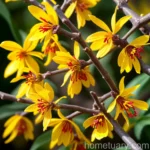
The Ozark witch hazel, scientifically known as Hamamelis vernalis ‘Kohankie Red’, is a captivating deciduous shrub that belongs to the Hamamelidaceae family. It is native to the Ozark Plateau of Missouri, Arkansas, and Oklahoma, where it thrives in the wild, adding a touch of beauty to the natural landscapes with its striking red flowers during the winter months. This particular variety, ‘Kohankie Red’, is known for its vibrant and eye-catching red blossoms, making it a sought-after choice for gardeners seeking a burst of color in their winter gardens.
Key Takeaways – Ozark Witch Hazel (Hamamelis vernalis ‘Kohankie Red’)
Before we delve into the specifics of cultivating and caring for the Ozark witch hazel, let’s explore some key takeaways about this exquisite plant. Understanding these essential points will provide a solid foundation for creating an environment in which the Ozark witch hazel can thrive.
- Scientific Name: Hamamelis vernalis ‘Kohankie Red’
- Common Names: Ozark witch hazel, Kohankie Red witch hazel
- Family: Hamamelidaceae
- Native to: Ozark Plateau (Missouri, Arkansas, and Oklahoma)
- Notable Feature: Winter-blooming red flowers
- Uses: Ornamental landscaping, native plant gardening, winter garden design
Now that we have an overview of the Ozark witch hazel, let’s explore the various aspects of its cultivation and care, starting with its cultural requirements.
Culture: Creating the Ideal Environment for Ozark Witch Hazel
Cultivating the Ozark witch hazel successfully begins with understanding its specific cultural needs. By providing the appropriate growing conditions, you can encourage healthy growth and abundant blooms, resulting in a visually stunning addition to your winter garden.
Water
Like most plants, adequate moisture is crucial for the health and vitality of the Ozark witch hazel. However, it is essential to strike a balance, as this shrub does not tolerate waterlogged conditions well. During its active growth periods, regular watering is recommended, ensuring that the soil remains consistently moist but not waterlogged. It is important to note that the plant’s water requirements may vary depending on factors such as temperature, humidity, and soil type.
Sunlight
When it comes to sunlight, the Ozark witch hazel thrives in partial to full sun. Providing ample sunlight is essential for promoting robust flowering and overall plant development. While it can tolerate partial shade, placing the shrub in a location with sufficient sunlight will yield the best results, ensuring an abundance of beautiful red blossoms during the winter months.
Fertilizer
Fertilizing the Ozark witch hazel can help support its growth and blooming potential. A balanced, slow-release fertilizer formulated for woody plants can be applied in early spring, just before the growing season begins. Additionally, incorporating organic matter into the soil, such as well-rotted compost, can contribute to the plant’s overall nutrient uptake and soil structure.
Soil
The Ozark witch hazel prefers well-draining, slightly acidic soil. A loamy or sandy soil type with good drainage is ideal for cultivating this species. Amending the soil with organic matter can further enhance its texture and fertility, creating a conducive environment for the shrub to establish strong roots and thrive.
Pruning
Pruning plays a significant role in maintaining the shape and health of the Ozark witch hazel. It is best to prune the shrub immediately after flowering, as this allows ample time for new growth to develop and flower buds to form for the following year. Remove any dead or damaged branches, as well as any crossing or congested growth, to encourage healthy and vigorous growth.
Propagation: Growing Ozark Witch Hazel
If you have fallen in love with the beauty of the Ozark witch hazel and wish to expand your collection, propagation is a viable option. This elegant shrub can be propagated through several methods, allowing you to create new plants and share the joy of its exceptional winter blooms with others.
Propagation Methods for Ozark Witch Hazel:
-
Propagation by Seeds: Collecting seeds from mature fruits and sowing them in well-draining potting mix provides a straightforward method for propagating the Ozark witch hazel. However, it is important to note that seeds may take several years to reach maturity and enter the flowering stage.
-
Root Cuttings: Taking root cuttings from healthy, mature plants can be an effective way to propagate the Ozark witch hazel. Selecting young, vigorous roots and providing them with appropriate growing conditions can result in the development of new, genetically identical plants.
-
Layering: Air layering is another propagation method that can be employed to produce new plants. By inducing the formation of roots on a stem while it is still attached to the parent plant, you can create a new, independent shrub that shares the desirable traits of its parent.
Container Popularity: Ozark Witch Hazel as a Potted Specimen
The beauty and versatility of the Ozark witch hazel make it a popular choice for container gardening. Whether you have limited outdoor space or wish to create a stunning focal point on your patio or balcony, cultivating this winter-blooming shrub in a container can be a rewarding experience. Its compact size and stunning floral display make it an excellent candidate for container gardening, providing year-round interest and fragrance in a confined space.
Benefits of Container Gardening with Ozark Witch Hazel:
- Space Efficiency: Ideal for small gardens, patios, and urban settings.
- Portability: Easily move the plant to optimize sunlight exposure or to showcase its blooms in different areas of your outdoor space.
- Aesthetic Appeal: Enhance your outdoor décor with a striking and fragrant winter-blooming specimen.
- Accessibility: Keep the plant close to your home for convenient care and enjoyment during the winter months.
Maintaining the Ozark witch hazel in a container requires attention to its specific cultural needs, including watering, sunlight exposure, and soil requirements. However, the rewards of successfully growing this stunning shrub in a container are well worth the effort, as it adds a touch of elegance and beauty to any outdoor space.
Common Diseases of Ozark Witch Hazel: Prevention and Management
While the Ozark witch hazel is generally resilient, it can be susceptible to certain diseases that may impact its overall health and vigor. Being aware of these common diseases and implementing preventive measures can help maintain the plant’s vitality and ensure that it continues to thrive in your garden.
Disease Diagnosis: Identifying and Addressing Common Issues
-
Powdery Mildew: A fungal disease that presents as a powdery white coating on the leaves and stems. Proper air circulation and maintaining adequate spacing between plants can help reduce the risk of powdery mildew. Fungicidal treatments may be necessary in severe cases.
-
Leaf Spot: Characterized by the appearance of dark spots on the leaves, leaf spot can be caused by various fungi or environmental stress. Raking and disposing of fallen leaves, along with appropriate fungicidal treatments, can aid in managing leaf spot.
-
Canker Diseases: Cankers are localized, dead areas on the stems or branches, often caused by fungal or bacterial infections. Pruning affected parts and ensuring proper sanitation practices can help prevent the spread of canker diseases.
Disease Prevention: Proactive Strategies for Plant Health
Implementing proactive measures to prevent diseases is essential for maintaining the overall health and vigor of the Ozark witch hazel. Here are some strategies to consider:
-
Proper Air Circulation: Ensure that the plant is not overcrowded, allowing for adequate airflow and minimizing the risk of fungal diseases such as powdery mildew.
-
Avoid Overhead Watering: Water the plant at the base to prevent excessive moisture on the foliage, which can contribute to the development of fungal diseases.
-
Sanitation Practices: Regularly remove fallen leaves and plant debris to reduce the likelihood of disease-causing pathogens overwintering in the garden.
By staying vigilant and promptly addressing any signs of disease, you can help protect your Ozark witch hazel from common ailments and enjoy its beauty for years to come.
Common Pests: Challenges and Solutions
In addition to diseases, certain pests may pose a threat to the health and vitality of the Ozark witch hazel. Understanding these common pests and implementing appropriate control measures can help safeguard the plant from potential damage and ensure its continued well-being.
Common Pests Affecting Ozark Witch Hazel:
-
Aphids: These small, sap-sucking insects can congregate on the undersides of leaves, causing distortion and yellowing of the foliage. Insecticidal soaps or horticultural oils can be used to manage aphid populations.
-
Scale Insects: Scale insects are often found on the stems and foliage of plants, appearing as small, immobile bumps. Pruning infested branches and applying insecticidal treatments can help control scale populations.
-
Spider Mites: These arachnids can be problematic, especially in dry and dusty conditions. Regularly spraying the plant with water and keeping the surrounding area free of debris can deter spider mite infestations.
Integrated Pest Management: Holistic Approaches to Pest Control
Integrated pest management (IPM) involves the use of environmentally sensitive and ecologically sound strategies to manage pests effectively. When addressing pest issues with the Ozark witch hazel, consider the following IPM principles:
- Biological Controls: Encourage natural predators of pests, such as ladybugs and lacewings, to help manage insect populations.
- Cultural Practices: Promote plant health through proper watering, fertilization, and pruning, creating an environment that is less favorable for pest infestations.
- Selective Pesticide Use: When necessary, select targeted and least-toxic pesticides to minimize impact on non-target organisms and the environment.
By adopting a holistic and proactive approach to pest management, you can protect the Ozark witch hazel while maintaining ecological balance within your garden.
Botanist’s Tips: Maximizing the Beauty of Ozark Witch Hazel
As a skilled botanist, I have had the privilege of working with the enchanting Ozark witch hazel and exploring the best practices for cultivating and appreciating this exceptional plant. Here are some valuable tips to help you make the most of your experience with the Ozark witch hazel.
Botanist’s Tips for Growing Ozark Witch Hazel:
-
Winter Interest: Capitalize on the stunning winter blooms of the Ozark witch hazel by planting it in a prominent location where its vibrant red flowers can be enjoyed during the colder months.
-
Companion Planting: Pair the Ozark witch hazel with other winter-blooming species and evergreen plants to create a dynamic and visually appealing winter garden display.
-
Fragrance Appreciation: Take the time to savor the delicate fragrance of the Ozark witch hazel’s flowers, which adds a sensory delight to any outdoor space during the winter season.
Fun Facts about Ozark Witch Hazel
- The word “Hamamelis” is derived from the Greek words “hama” and “melon,” meaning “together with fruit,” alluding to the simultaneous occurrence of mature fruits and flowers on the plant.
- Native Americans recognized the medicinal properties of witch hazel, using it for various purposes, including soothing skin irritations and treating inflammation.
- While the Ozark witch hazel is prized for its winter blooms, its foliage can also exhibit stunning fall colors, adding further seasonal interest to the garden landscape.
I hope these insights and tips will enhance your appreciation for the Ozark witch hazel and inspire you to welcome its beauty into your garden with confidence and joy.
Links to External Resources
Explore these additional resources to deepen your understanding of the Ozark witch hazel and discover valuable insights from experts in the field of horticulture and plant science:
- Missouri Botanical Garden – Hamamelis vernalis
- Native Plants of the Ozarks – University of Missouri Extension
- Winter Garden Design Ideas – Royal Horticultural Society
In conclusion, the Ozark witch hazel (Hamamelis vernalis ‘Kohankie Red’) is a captivating and valuable addition to any winter garden, offering a burst of color, fragrance, and seasonal interest. By understanding its cultural requirements, exploring its uses, and being proactive in disease and pest management, you can foster the remarkable beauty of this native winter-blooming shrub. Whether enjoyed in a landscape setting or as a potted specimen, the elegance of the Ozark witch hazel is bound to leave a lasting impression and create a stunning focal point in any outdoor environment.