White Mulberry (Morus Alba)
Plants have always played a crucial role in the growth and development of human civilization. From providing food to offering medicinal benefits, different.
Plants have always played a crucial role in the growth and development of human civilization. From providing food to offering medicinal benefits, different plant species have contributed to the well-being of humanity. Among these plants, the White Mulberry (Morus Alba) stands out as a particularly fascinating and valuable species. In this blog post, we will delve into the key aspects of the White Mulberry, including its cultural significance, uses, growth requirements, common diseases, pests, and much more.
Chapter 1: What is a White Mulberry (Morus Alba)?
Plant Overview
The White Mulberry, scientifically known as Morus Alba, is a fast-growing deciduous tree that belongs to the Moraceae family. This species is native to eastern and central China, but it has been widely cultivated across diverse regions due to its uses in agriculture, horticulture, and traditional medicine.
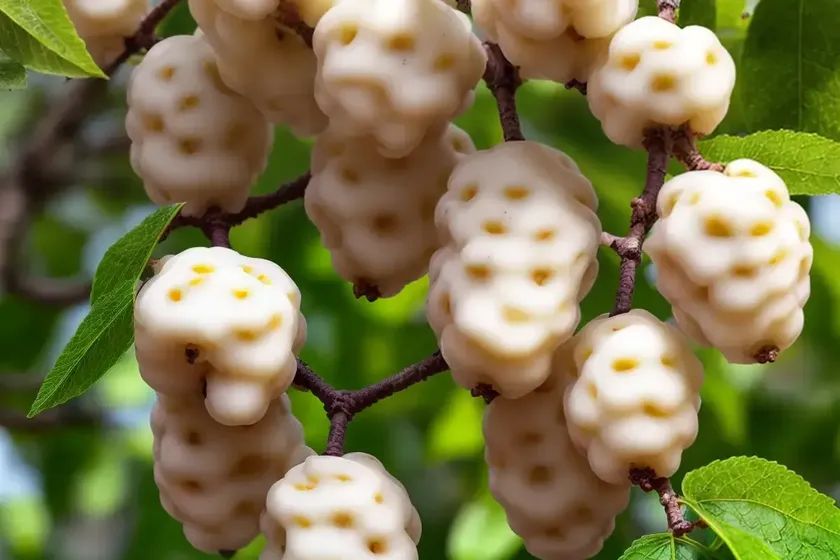
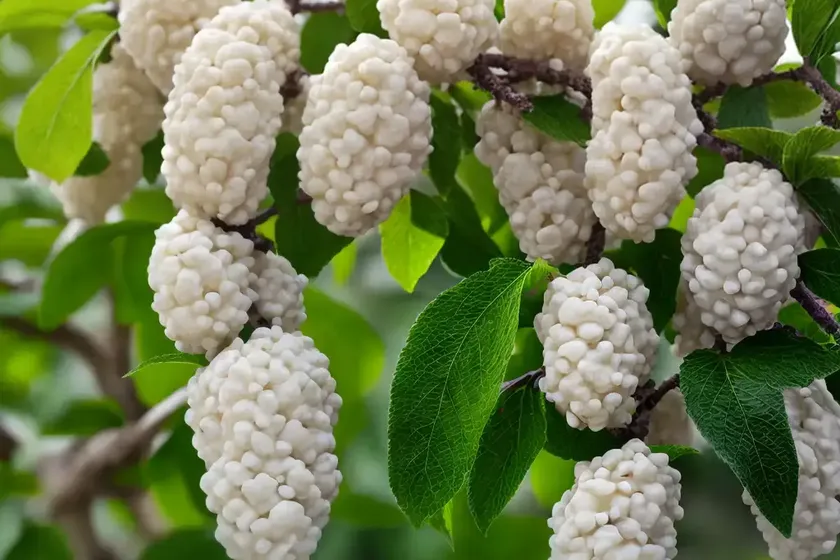
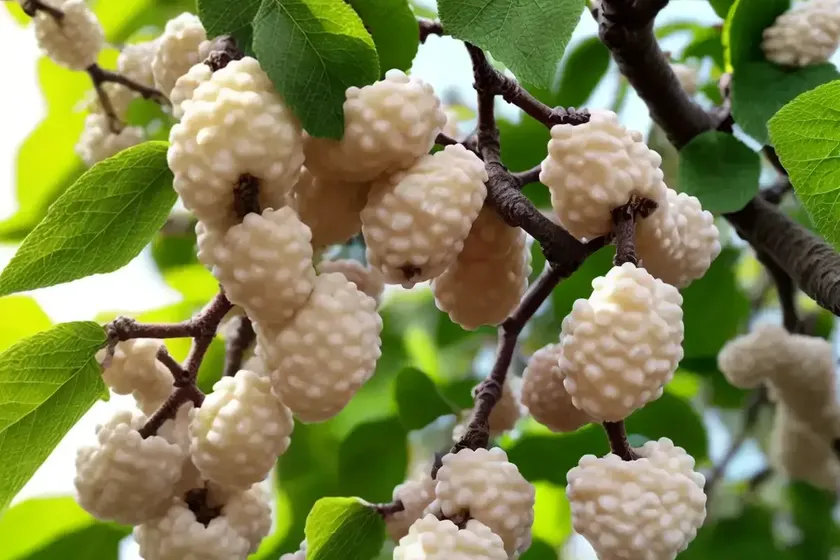
The White Mulberry tree is known for its distinctive heart-shaped or lobed leaves and its delicious, sweet-tasting fruits. Its berries have been an important food source for humans for centuries. Additionally, the White Mulberry has been valued for its medicinal properties in various traditional systems of medicine.
Botanical Characteristics
The White Mulberry tree typically reaches a height of 30-50 feet when fully mature, with a spread of 35-50 feet. It produces small, greenish flowers that develop into clusters of white to pinkish fruits, which are consumed fresh or processed into jams, juices, and other products.
Chapter 2: Key Takeaways – White Mulberry (Morus Alba)
Culture
Uses
The White Mulberry (Morus Alba) has multifaceted uses, making it a valuable plant in various domains. Some common uses include:
– Food: The fruits of the White Mulberry are enjoyed fresh, dried, or as a component in jams, pies, and wines. They are rich in nutrients and are used in culinary preparations around the world.
– Medicine: The leaves, bark, and roots of the White Mulberry have been used in traditional medicine for their potential health benefits, including treating diabetes, promoting cardiovascular health, and boosting the immune system.
– Silk Production: White Mulberry leaves are the primary food source for silkworms in sericulture, the process of rearing silkworms for the production of silk.
Water
The White Mulberry tree is moderately drought-tolerant once established, but regular watering is essential, particularly during dry spells and in the early stages of growth. Generally, the tree requires about 1-2 inches of water per week, either from rainfall or through irrigation.
Sunlight
This species thrives in full sun, although it can tolerate partial shade. Adequate sunlight is crucial for fruit production, leaf growth, and overall vigor.
Fertilizer
White Mulberries typically benefit from a balanced fertilizer, such as a 10-10-10 NPK (nitrogen, phosphorus, potassium) blend. However, excessive fertilization can lead to rampant vegetative growth at the expense of fruit production. It is advisable to conduct a soil test to determine the specific nutrient requirements for optimal growth.
Soil
White Mulberries prefer well-draining, loamy soil with a slightly acidic to neutral pH (6.0-6.5). They can adapt to various soil types but perform best in fertile, well-aerated soils.
Pruning
Pruning is essential to maintain the shape of the tree, remove dead or damaged branches, and promote the growth of new shoots. Spring is typically the best time for pruning, as the tree is dormant at this time. However, minimal pruning is advisable to prevent excessive bleeding from the cuts.
Propagation
White Mulberries can be propagated through various methods, including:
– Seed Propagation: Growing White Mulberries from seeds is possible, but it may not yield true-to-type plants. Seeds should be stratified before sowing to enhance germination.
– Cuttings: Hardwood cuttings taken in late winter are commonly used for propagation. Rooting hormone application may enhance the success rate.
Container Popularity
While White Mulberries are often grown in orchards and larger landscapes, they can also thrive in containers, making them suitable for urban gardening and small-scale cultivation. Compact or dwarf varieties are particularly well-suited for container growth.
Container Common Diseases
When growing White Mulberries in containers, it is important to be vigilant against potential diseases such as root rot, powdery mildew, and leaf spot. Adequate drainage, proper spacing, and preventive fungicidal sprays can help mitigate disease issues.
Disease Diagnosis
White Mulberries can be susceptible to various diseases, including:
– Powdery Mildew: A fungal disease characterized by white powdery growth on leaves, typically in humid conditions.
– Leaf Spot: Caused by various fungi, leading to the formation of circular lesions with dark margins on leaves.
– Root Rot: Excessive soil moisture and poor drainage can predispose the tree to root rot, resulting in wilting and decline.
Common Pests
White Mulberry trees may encounter insects such as scale insects, aphids, and caterpillars. Regular monitoring and the application of horticultural oils or insecticidal soaps can help manage pest infestations.
Botanist’s Tips
- Choose the appropriate cultivar: Selecting the right variety of White Mulberry is crucial, as different cultivars vary in fruit flavor, yield, growth habit, and disease resistance.
- Prune judiciously: Avoid excessive pruning, especially during the growing season, as it can compromise the tree’s health and vigor.
- Monitor soil moisture: Ensure that the soil is well-drained to prevent waterlogged conditions, which can lead to root rot.
Fun Facts
- White Mulberry leaves have been historically used as food for silkworms, contributing to the silk production industry.
- In some cultures, the White Mulberry tree holds symbolic significance and is associated with folklore and traditional practices.
Links to External Resources
For further information on the White Mulberry (Morus Alba), consider exploring the following resources:
– Missouri Botanical Garden – Morus Alba
– University of Florida IFAS Extension – Mulberry Growing in the Florida Home Landscape
In summary, the White Mulberry (Morus Alba) is a captivating plant species with a rich history and a wide array of applications. From its culinary uses to its medicinal properties, this tree has earned a special place in horticulture and traditional medicine. By understanding its cultural significance, growth requirements, and potential challenges, enthusiasts and growers can appreciate and cultivate this remarkable plant with greater success.
Whether you are a gardening enthusiast, a herbal medicine practitioner, or simply an admirer of natural biodiversity, the White Mulberry invites you to explore its beauty, benefits, and potential contributions to a sustainable and health-conscious lifestyle.
Plant Name: “White Mulberry (Morus Alba)”
The comprehensive guide provided here covers the core aspects of the White Mulberry (Morus Alba), shedding light on its uses, cultivation, and potential benefits. With a deeper understanding of this remarkable tree, individuals can explore its cultivation, harness its culinary and medicinal potentials, and contribute to the preservation of this species for generations to come.


