Black Mulberry (Morus Nigra)
In the world of horticulture and agriculture, there are numerous plants that have significant cultural, ecological, and economic impacts. Among these, the.
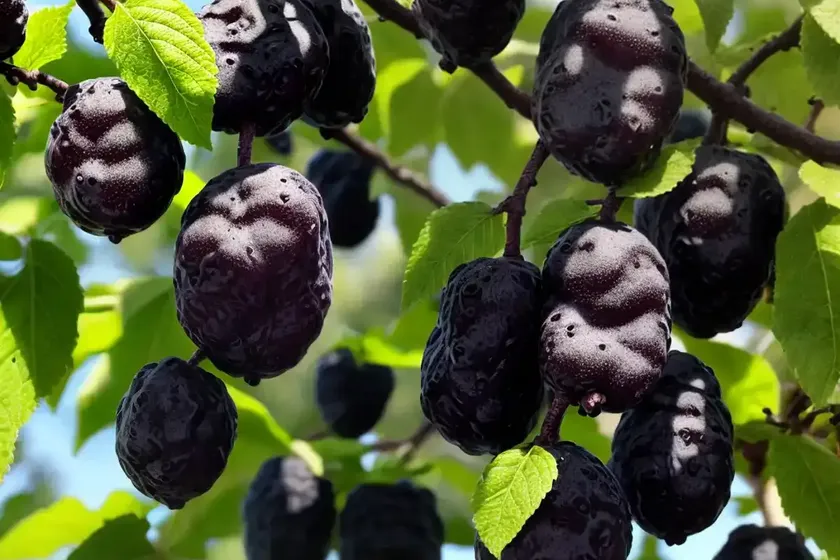
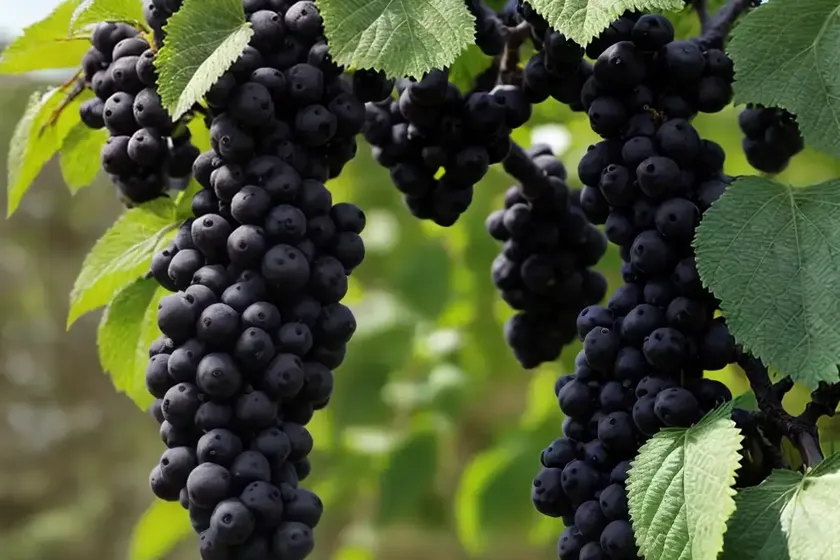
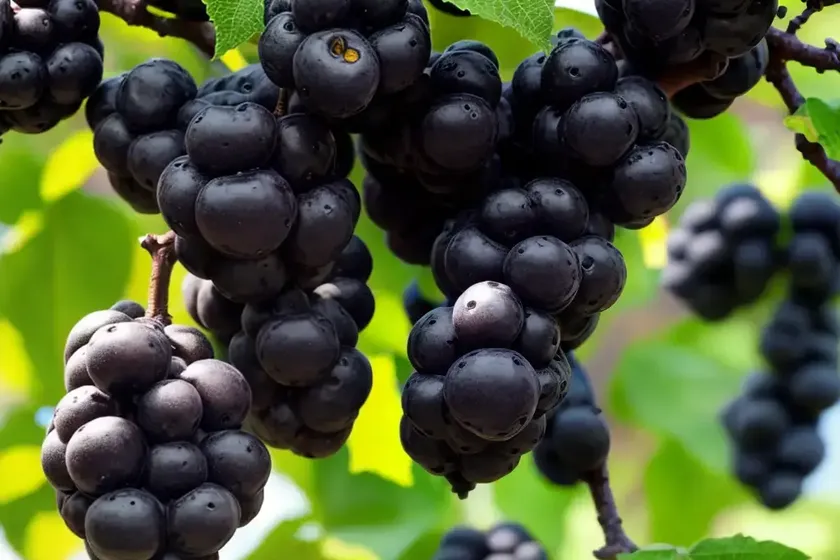
In the world of horticulture and agriculture, there are numerous plants that have significant cultural, ecological, and economic impacts. Among these, the black mulberry (Morus nigra) stands out as a plant that not only provides nourishing fruits but also holds historical and medicinal significance. This guide aims to provide a comprehensive overview of the black mulberry, including its cultural uses, care requirements, common diseases and pests, propagation methods, and much more. Additionally, we will delve into its health benefits, culinary uses, and the distinctions between black mulberry and its close relative, the white mulberry.
What is Black Mulberry (Morus Nigra)?
Black mulberry, scientifically known as Morus nigra, is a deciduous tree belonging to the Moraceae family. This species is native to western Asia and the eastern Mediterranean region, where it thrives in warm, temperate climates. The black mulberry tree is valued for its sweet, juicy fruits and has been cultivated for centuries for both its culinary and medicinal properties. Its leaves also serve as a primary food source for silkworms, contributing to the production of silk.
Key Takeaways
Black Mulberry (Morus Nigra)
- Scientific Name: Morus nigra
- Family: Moraceae
- Native Region: Western Asia and eastern Mediterranean
- Significance: Culinary, medicinal, and historical
- Notable Uses: Consumption, traditional medicine, silk production
- Distinctive Feature: Sweet and juicy fruits
In this comprehensive guide, we will explore every aspect of the black mulberry plant, from its cultural and culinary uses to its care requirements, propagation techniques, and historical significance. Let’s dive into the enchanting world of Morus nigra.
Culture
Uses
The black mulberry offers a myriad of uses, ranging from culinary and medicinal to historical and cultural.
Culinary Uses
Black mulberries are cherished for their rich, sweet flavor, making them ideal for a variety of culinary applications. Common uses of black mulberries in the kitchen include:
- Fresh Consumption: The ripe fruits can be enjoyed fresh, offering a delectable combination of sweet and tart flavors.
- Preserves and Jams: Black mulberries are often used in the preparation of preserves, jams, and fruit compotes due to their succulent nature and rich taste.
- Baking: The fruits can be incorporated into pies, tarts, and desserts, adding a burst of sweetness and color to baked goods.
- Beverages: Black mulberries can be used to make flavorful and vibrant juices, cordials, and even wine, contributing their distinct taste to the beverages.
Medicinal and Traditional Uses
In addition to their culinary appeal, black mulberries have been employed in traditional medicine for their purported health benefits. Various cultures have utilized different parts of the black mulberry tree for treating health issues and promoting well-being.
Historical Significance
The black mulberry has a rich history, playing a prominent role in ancient cuisines, cultural traditions, and regional folklore.
Water
The water requirements of black mulberry trees are moderate, and they thrive in well-drained soils. Regular watering, especially during dry spells, is crucial for young trees or when the fruits are forming. However, it is important to avoid overwatering, as excessive moisture can lead to root rot and other diseases.
Sunlight
Black mulberry trees thrive in full sun, requiring at least 6-8 hours of direct sunlight daily to promote healthy growth and abundant fruit production. Adequate sunlight exposure is essential for optimizing fruit quality and sweetness.
Fertilizer
Fertilizing black mulberry trees is essential to ensure vigorous growth and a bountiful harvest. A balanced fertilizer with a higher potassium content is generally recommended for mulberries. It is advisable to fertilize in the spring, just before the growing season begins, and again in early summer to support fruit development.
Soil
Black mulberries prefer well-drained, slightly acidic to neutral soils with good fertility. They can tolerate various soil types, including loam, sandy loam, and clay loam, as long as drainage is adequate. Conducting a soil test can help determine the pH and nutrient levels, allowing for targeted soil amendments if necessary.
Pruning
Pruning is an essential aspect of black mulberry tree care, contributing to improved fruit production, tree health, and aesthetic appeal. Proper pruning can help maintain an open canopy, facilitate air circulation, and remove dead or diseased branches. It is advisable to prune black mulberries during the dormant season to minimize stress on the tree.
Propagation
Propagation of black mulberries can be achieved through various methods, including:
- Cuttings: Hardwood cuttings can be taken in late autumn or winter and rooted in a suitable medium to establish new trees.
- Grafting: Grafting onto compatible rootstocks presents an effective method for propagating desired cultivars and maintaining genetic traits.
- Seeds: While black mulberries can be grown from seeds, this method may result in variability in fruit quality and characteristics.
Container Popularity
Growing black mulberries in containers is not only feasible but also offers the advantage of space flexibility, making it suitable for urban and small-scale gardening. With proper care and attention to watering, sunlight, and soil conditions, black mulberry trees can thrive in containers, providing their delightful fruits in a manageable setting.
Container Common Diseases
Diseases that may affect black mulberries in containers include:
- Powdery Mildew: This fungal disease can manifest as powdery white patches on the leaves, inhibiting photosynthesis and weakening the tree.
- Anthracnose: Anthracnose can cause leaf spots, shoot dieback, and fruit rot, potentially impacting the overall health and productivity of the tree.
Disease Diagnosis
Diagnosing diseases in black mulberries involves careful observation of symptoms such as leaf discoloration, wilting, or abnormal growth. Identifying the causal agent—be it a fungus, bacterium, or virus—can help determine appropriate treatment and management strategies.
Common Pests
Black mulberries may be susceptible to various pests, including:
- Spider Mites: These tiny arachnids can sap the vitality from the leaves, leading to discoloration and reduced photosynthetic capacity.
- Scale Insects: Scale insects can infest the branches and leaves, causing damage and potentially compromising the tree’s health.
Botanist’s Tips
As a plant scientist, it’s important to offer practical tips for cultivating and caring for black mulberry trees, ensuring their optimal growth and productivity.
- Site Selection: When planting black mulberries, choose a site with well-drained soil and ample sunlight to encourage robust growth and fruiting.
- Pruning Practices: Regular pruning is key to maintaining the health and productivity of black mulberry trees. Focus on removing dead or diseased wood, as well as managing the tree’s overall form and size.
- Pest Monitoring: Routinely monitor for pests and signs of disease, implementing control measures as needed to safeguard the tree’s well-being.
- Fertilization Strategy: Apply a balanced fertilizer, focusing on potassium to support fruit development, and adjust based on soil test results and tree performance.
Fun Facts
- The black mulberry tree (Morus nigra) can live for several centuries, with some specimens reaching ages of over 500 years.
- King James I of England initiated the cultivation of black mulberries in England in the early 17th century with the intent of establishing a home silk industry. Although the endeavor did not succeed as planned, it contributed to the tree’s proliferation in the country.
- The long history of black mulberries in human culture extends back to ancient times, with references found in the works of Roman naturalist Pliny the Elder and other historical texts.
Links to External Resources
For further information on black mulberries, their cultivation, and culinary uses, consider exploring these resources:
- Morus Nigra Health Benefits – National Institutes of Health
- Black Mulberry Tree Characteristics – Missouri Botanical Garden
- Morus Nigra Uses in Traditional Medicine – ScienceDirect
- Black Mulberry Fruit Recipes – BBC Good Food
- Morus Nigra Cultivation Tips – Royal Horticultural Society
- Black Mulberry Tree Care – University of California Agriculture and Natural Resources
- Morus Nigra vs. White Mulberry – Penn State Extension
- Black Mulberry Jam Recipe – The Spruce Eats
The rich array of resources available online offers valuable insights into various aspects of black mulberries, catering to enthusiasts, researchers, and plant scientists alike.
Conclusion
Black mulberry (Morus nigra) stands as a captivating botanical specimen with its delectable fruits, cultural significance, and historical allure. From the standpoint of a plant scientist, understanding the intricacies of this tree’s cultivation, care, and uses can unveil a world of enriching knowledge. Whether it’s exploring its health benefits, traditional uses in medicine, or the art of crafting delectable recipes with its fruits, the black mulberry remains a source of fascination and admiration.
As we conclude this comprehensive guide, I hope that it has provided a deeper appreciation for the black mulberry and its remarkable contributions to horticulture, cuisine, and human history. By delving into its cultivation, care requirements, and diverse applications, we reaffirm the intricate bond between humanity and the natural world, where the black mulberry thrives as a timeless emblem of nature’s abundance and beauty.
The comprehensive guide offers extensive insights into the black mulberry (Morus nigra), addressing its cultural uses, care requirements, culinary applications, common diseases, and propagation methods. By examining its significance in traditional medicine, historical context, and botanist’s tips, the guide aims to provide valuable knowledge for enthusiasts, researchers, and plant scientists. The inclusion of diverse external resources further enriches the reader’s understanding, fostering a deeper appreciation for the enchanting world of the black mulberry.


