Mexican Lemon Hyssop (Agastache Mexicana)
As a plant scientist with a passion for gardening and all things botanical, I am excited to delve into the fascinating world of Mexican Lemon Hyssop.
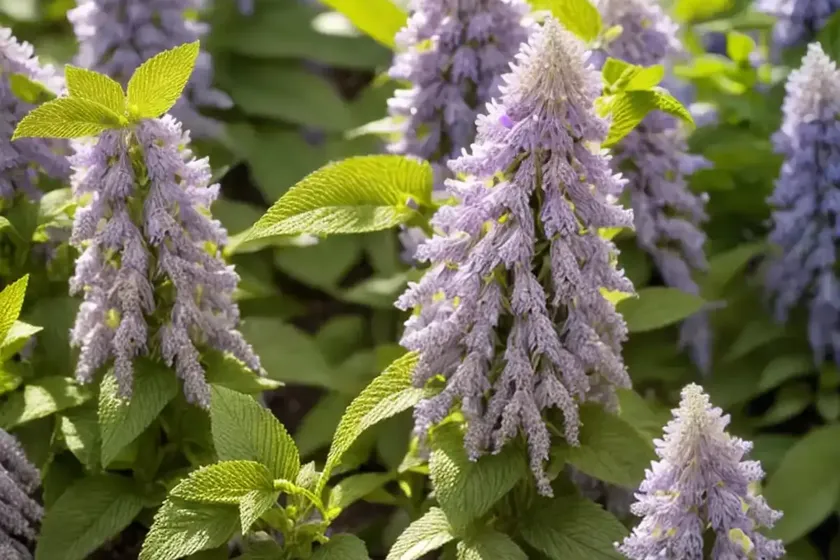
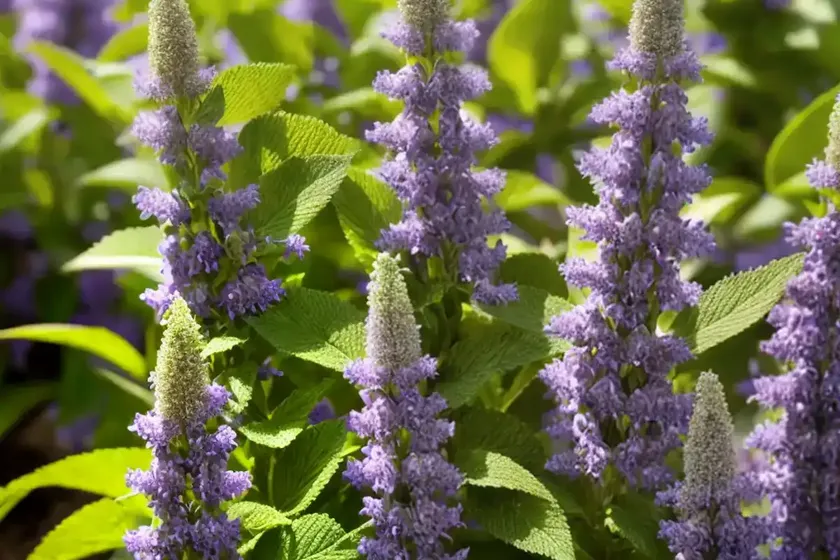
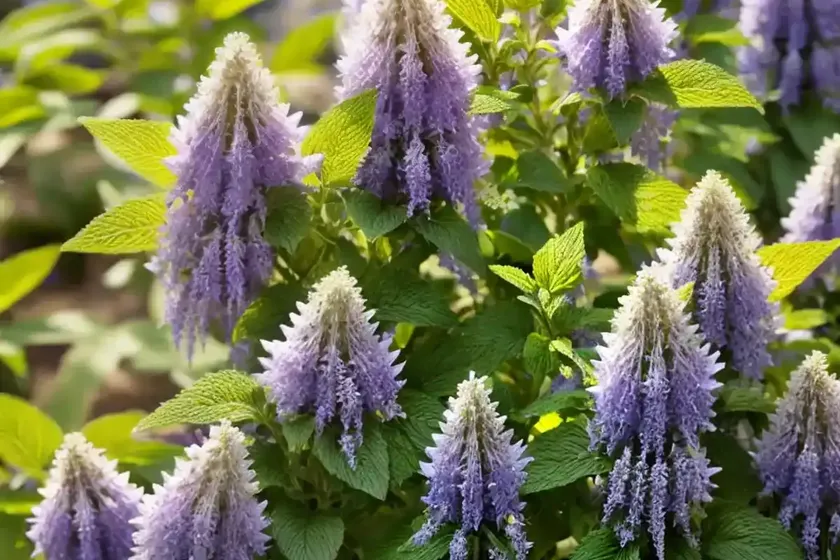
As a plant scientist with a passion for gardening and all things botanical, I am excited to delve into the fascinating world of Mexican Lemon Hyssop, scientifically known as Agastache Mexicana. This beautiful and aromatic plant has captured the attention of gardeners, herbalists, and culinary enthusiasts around the world due to its diverse uses and striking qualities.
In this comprehensive guide, we will explore the cultural significance, practical applications, and essential maintenance tips for Mexican Lemon Hyssop. Whether you are an experienced gardener seeking to enhance your landscape or a novice enthusiast eager to incorporate this delightful plant into your indoor or outdoor spaces, this guide will provide you with valuable insights and resources to ensure the successful cultivation of Agastache Mexicana.
What is Mexican Lemon Hyssop (Agastache Mexicana)?
Mexican Lemon Hyssop, or Agastache Mexicana, is a flowering perennial plant that belongs to the mint family, Lamiaceae. Native to Mexico and Central America, this herbaceous plant is renowned for its delightful lemony fragrance, attractive foliage, and vibrant flowers. The leaves, with their pronounced citrus scent, are often used in culinary applications, herbal remedies, and even ceremonial rituals.
The botanical name “Agastache” is derived from the Greek words “agas,” meaning admirable, and “stachys,” referring to an ear of wheat, highlighting the plant’s aesthetically pleasing inflorescence. The species name “Mexicana” denotes its Mexican origin, underscoring the plant’s geographical heritage.
Now, let’s delve into the key takeaways and essential aspects of Mexican Lemon Hyssop, including its cultural significance, uses, cultivation requirements, and fascinating attributes.
Key Takeaways – Mexican Lemon Hyssop (Agastache Mexicana)
Culture
Culturally, Mexican Lemon Hyssop holds significant importance in traditional medicine, culinary practices, and spiritual ceremonies in its native regions. The plant’s uplifting fragrance and versatile properties have made it a cherished element in various cultural traditions, ranging from soothing teas to sacred offerings.
Uses
The uses of Mexican Lemon Hyssop are diverse and encompass culinary, medicinal, aromatic, and ornamental applications. From flavoring teas and culinary dishes to crafting herbal remedies and potpourri, Agastache Mexicana offers a multitude of practical and sensory experiences.
Water
Mexican Lemon Hyssop has moderate water requirements, preferring consistently moist but well-drained soil. Proper watering practices are essential for ensuring the plant’s health and vitality.
Sunlight
This plant thrives in full sun to partial shade, making it adaptable to a range of light conditions. Adequate sunlight is crucial for robust growth and flower production.
Fertilizer
While Mexican Lemon Hyssop is not excessively demanding in terms of fertilization, providing a balanced, organic fertilizer can bolster its growth and overall vigor.
Soil
Agastache Mexicana thrives in well-draining, fertile soil with a slightly acidic to neutral pH. Amending the soil with organic matter can enhance its texture and nutrient content.
Pruning
Pruning Mexican Lemon Hyssop is essential for maintaining its shape, promoting bushy growth, and prolonging flowering. Regular deadheading and selective pruning can help manage its growth.
Propagation
This plant can be propagated through seeds, divisions, or cuttings, offering gardeners various options to expand their Mexican Lemon Hyssop collection or share it with fellow enthusiasts.
Container Popularity
Due to its compact size and ornamental appeal, Mexican Lemon Hyssop is well-suited for container gardening, providing an opportunity to enjoy its charms in confined spaces.
Common Diseases
While Mexican Lemon Hyssop is relatively resilient, it can be susceptible to certain diseases, including powdery mildew and root rot, especially under unfavorable growing conditions.
Disease Diagnosis
Monitoring the plant for signs of wilting, discoloration, or unusual growth can aid in diagnosing potential diseases and addressing them promptly.
Common Pests
Agastache Mexicana may encounter pests such as aphids, spider mites, and whiteflies, necessitating vigilant pest management practices to protect its vitality.
Botanist’s Tips
Drawing from scientific insights and practical experiences, expert tips on Mexican Lemon Hyssop cultivation can offer invaluable guidance for enthusiasts at all skill levels.
Fun Facts
Exploring the intriguing and delightful facets of Mexican Lemon Hyssop can reveal captivating anecdotes and unique qualities that deepen our appreciation for this remarkable plant.
Armed with these key takeaways, let’s unravel the captivating world of Mexican Lemon Hyssop, exploring its traits, growth requirements, and valuable insights for successful cultivation.
Mexican Lemon Hyssop: Plant Characteristics
Mexican Lemon Hyssop boasts a range of captivating features that contribute to its allure and versatility. Understanding the plant’s characteristics enables us to appreciate its ornamental, aromatic, and culinary value.
Height: 60-90 cm (24-36 inches)
Mexican Lemon Hyssop typically reaches a modest height of 60 to 90 cm, making it well-suited for border plantings, herb gardens, and container cultivation.
Foliage: Lemony Fragrance
The foliage of Agastache Mexicana emits a delightful lemony fragrance, adding an aromatic dimension to gardens and culinary endeavors. The ovate to lanceolate leaves contribute to the plant’s overall appeal.
Flowers: Tubular, Vibrant Hues
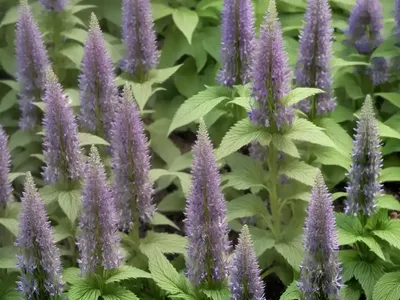
The flowers of Mexican Lemon Hyssop are tubular in shape and display an array of vibrant hues, including shades of purple, pink, and lavender. These colorful blooms are a magnet for pollinators and contribute to the plant’s visual charm.
Bloom Time: Prolonged Flowering
Agastache Mexicana typically blooms from mid-summer to fall, offering an extended flowering period that enhances its ornamental value and ecological significance as a nectar source for pollinators.
Aroma: Citrusy Emanations
The refreshing lemony aroma exuded by Mexican Lemon Hyssop leaves and flowers infuses the surrounding environment with a rejuvenating and uplifting fragrance, enriching gardens and indoor spaces alike.
Texture: Soft, Textured Foliage
The foliage of Agastache Mexicana is characterized by its soft, textured quality, inviting tactile interactions and adding tactile interest to garden settings.
By appreciating these characteristic traits, we gain a deeper understanding of the plant’s appeal and its potential contributions to our outdoor and indoor environments.
Mexican Lemon Hyssop: Varieties
The diverse array of Mexican Lemon Hyssop varieties provides gardeners and enthusiasts with options to explore different colors, growth habits, and attributes, allowing for personalized and captivating plant selections.
Agastache Mexicana ‘Sangria’
This variety showcases vibrant, deep pink flowers that stand out in garden settings, contributing to visually striking displays and pollinator-attracting features.
Agastache Mexicana ‘Liquorice Blue’
With its intense indigo and lavender-hued flowers, this variety offers a captivating visual statement and complements a spectrum of color schemes in garden design.
Agastache Mexicana ‘Raspberry Daiquiri’
The rich, raspberry-toned blooms of this variety add a dynamic and festive touch to landscapes, inviting admiration and ecological interactions.
Exploring these varieties expands our appreciation for the diverse range of colors, forms, and visual effects that Mexican Lemon Hyssop can introduce to our outdoor spaces.
Agastache Mexicana: Medicinal Properties
The medicinal properties of Mexican Lemon Hyssop have been revered for generations, offering natural remedies and therapeutic benefits that resonate with herbal enthusiasts and practitioners.
Digestive Support
Mexican Lemon Hyssop is known for its potential to aid in digestive comfort and function, offering a gentle and aromatic approach to wellness.
Respiratory Soothing
The aromatic qualities of Agastache Mexicana make it valuable in promoting respiratory comfort and soothing effects, contributing to holistic well-being.
Relaxation and Stress Relief
The gentle, citrusy aroma of Mexican Lemon Hyssop lends itself to relaxation and stress-relief practices, offering a fragrant sanctuary in indoor and outdoor settings.
Herbal Infusions and Teas
The leaves and flowers of Agastache Mexicana are prized for their use in herbal infusions and teas, providing an enjoyable and aromatic beverage experience.
Delving into the medicinal properties of Mexican Lemon Hyssop illuminates its multifaceted contributions to holistic health and herbal traditions.
Lemon Hyssop: Culinary Uses
The culinary applications of Mexican Lemon Hyssop are diverse and appealing, offering a delightful infusion of citrusy, aromatic flavors to a range of dishes and culinary creations.
Herbal Garnish
The finely chopped leaves and flowers of Agastache Mexicana serve as an aromatic and visually pleasing garnish for salads, desserts, beverages, and savory dishes.
Tea Infusions and Blends
The fragrant and flavorful nature of Mexican Lemon Hyssop makes it an ideal component in tea infusions and blends, contributing a refreshing and uplifting essence.
Culinary Pairings
The citrusy, herbal notes of Lemon Hyssop complement a variety of culinary pairings, including fruit salads, baked goods, marinades, and herbal butter preparations.
Flavorful Elixirs
From syrups to flavored vinegars, Mexican Lemon Hyssop offers a flavorful and aromatic enhancement to diverse culinary elixirs and condiments.
Embracing Lemon Hyssop’s culinary potential invites us to explore new dimensions of flavor, fragrance, and culinary creativity in our kitchen endeavors.
Mexican Lemon Hyssop: Tea Recipe
The art of crafting Mexican Lemon Hyssop tea enables us to savor the enchanting aroma and gentle citrusy flavor of this delightful plant. This simple and soothing tea recipe offers a delightful way to experience the enchanting qualities of Agastache Mexicana.
Ingredients:
- Fresh Mexican Lemon Hyssop leaves and flowers
- Water
Instructions:
- Boil water in a kettle or pot.
- Rinse the fresh Lemon Hyssop leaves and flowers under cool water to remove any debris.
- Place the clean leaves and flowers in a teapot or heatproof container.
- Pour the boiling water over the Lemon Hyssop leaves and flowers, allowing them to steep for 5-7 minutes.
- Strain the tea to remove the plant material.
- Pour the fragrant Mexican Lemon Hyssop tea into cups and enjoy the refreshing, citrusy flavors.
Serving Suggestions:
- Add a touch of honey or a slice of lemon for additional sweetness and zest.
- Enjoy the tea hot or pour it over ice for a cool, invigorating beverage.
By savoring this delightful tea, we can immerse ourselves in the sensory embrace of Mexican Lemon Hyssop and its culinary delights.
Agastache Mexicana: Herbal Remedies
Harnessing the herbal remedies crafted from Mexican Lemon Hyssop offers a natural, aromatic approach to wellness and self-care, drawing from the plant’s therapeutic properties and fragrant essence.
Aromatic Sachets and Potpourri
The dried leaves and flowers of Agastache Mexicana can be incorporated into aromatic sachets and potpourri, infusing indoor spaces with a rejuvenating and calming aroma.
Herbal Steam Infusions
Steaming with Mexican Lemon Hyssop can provide a comforting and purifying experience, offering respiratory support and refreshing fragrant sensations.
Herbal Oil Infusions
The creation of aromatic herbal oils from Mexican Lemon Hyssop enables us to capture its delightful essence for use in massage, aromatherapy, and skincare applications.
Herbal Tinctures and Extracts
Crafting tinctures and extracts from Lemon Hyssop allows us to harness its beneficial properties for internal and external use, supporting wellness and vitality.
Exploring these herbal remedies opens pathways to holistic well-being and sensory enrichment, integrating Agastache Mexicana into our daily wellness rituals.
Mexican Lemon Hyssop: Plant Maintenance
Efficient and attentive plant maintenance is integral to the well-being and performance of Mexican Lemon Hyssop, ensuring its longevity, vigor, and ornamental appeal.
Pruning Techniques
Deadheading spent blooms and selective pruning of Mexican Lemon Hyssop can promote continued flowering and a neat, compact growth habit, enhancing its aesthetics and vitality.
Soil Requirements
Providing well-draining, fertile soil with a slightly acidic to neutral pH creates an optimal growing environment for Agastache Mexicana, supporting its root health and nutrient uptake.
Watering Practices
Applying consistent moisture to the soil, avoiding waterlogging, and adjusting watering frequency based on environmental conditions support the plant’s hydration needs.
Fertilization Routines
Applying a balanced, organic fertilizer in spring can fortify the growth and blooming capacity of Mexican Lemon Hyssop, sustaining its nutrient requirements.
Disease Prevention and Management
Vigilant monitoring for signs of disease, implementing good air circulation, and addressing potential issues promptly help safeguard Mexican Lemon Hyssop from common ailments.
Pest Management
Implementing measures to mitigate pest pressures, such as aphids and spider mites, can preserve the health and appearance of Agastache Mexicana, minimizing potential damage.
Maintaining these plant care practices fosters the thriving and captivating presence of Mexican Lemon Hyssop in our gardens and landscapes.
Mexican Lemon Hyssop: Planting Instructions
Embarking on the journey of planting Mexican Lemon Hyssop involves thoughtful selection, strategic placement, and attentive establishment practices to ensure the plant’s successful integration into its new environment.
Site Selection
Choosing a site with well-draining soil, adequate sunlight, and ample space for growth provides Mexican Lemon Hyssop with a favorable foundation for thriving.
Planting Depth
When transplanting Mexican Lemon Hyssop, ensuring that the root ball is level with the surrounding soil surface promotes healthy establishment and growth.
Spacing Considerations
Provide sufficient spacing between individual Mexican Lemon Hyssop plants to allow for adequate air circulation and accommodating their mature dimensions.
Watering Upon Planting
Watering newly planted Agastache Mexicana thoroughly and consistently during the establishment phase encourages robust rooting and vitality.
Mulching Applications
Applying a layer of organic mulch around the base of the plant helps retain soil moisture, regulate temperature, and discourage weed growth.
By following these planting instructions, we can lay the groundwork for a flourishing and visually captivating presence of Mexican Lemon Hyssop in our outdoor spaces.
Agastache Mexicana: Flowering Habits
The flowering habits of Mexican Lemon Hyssop unveil a delightful spectacle of color, fragrance, and ecological interactions, shaping garden landscapes and pollinator habitats.
Long Blooming Season
Mexican Lemon Hyssop typically exhibits a prolonged blooming season, with its tubular, nectar-rich flowers attracting a diversity of pollinators and beneficial insects.
Pollinator Attraction
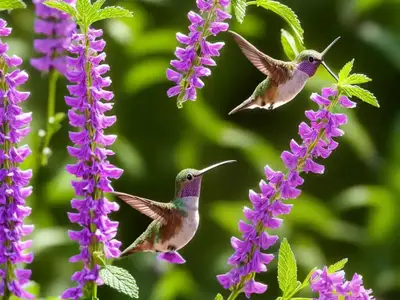
The vibrant, nectar-laden blooms of Agastache Mexicana serve as a magnet for pollinators, including bees, butterflies, and hummingbirds, enhancing ecological diversity.
Flower Color Variations
The range of flower color variations among Mexican Lemon Hyssop varieties offers a vibrant tapestry of visual interest and seasonal floral displays in garden settings.
Floral Fragrance
The citrusy, aromatic emanations from Mexican Lemon Hyssop flowers enrich outdoor spaces with an uplifting and rejuvenating sensory presence.
By observing and understanding these flowering habits, we gain insight into the ecological significance and ornamental allure of Mexican Lemon Hyssop in our gardens.
Lemon Hyssop: Garden Design
Integrating Mexican Lemon Hyssop into garden design creates opportunities for sensory enrichment, ecological support, and harmonious visual compositions that enrich outdoor environments.
Border Plantings
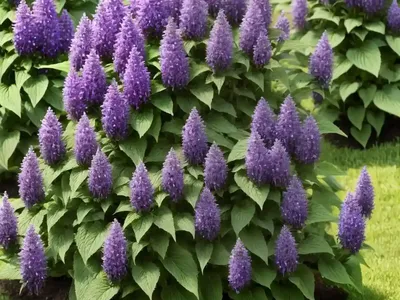
Envisioning Mexican Lemon Hyssop as a border plant along garden pathways, flower beds, or vegetable plots contributes to defining and embellishing garden spaces.
Pollinator Gardens
Incorporating Agastache Mexicana into pollinator-friendly gardens and wildlife habitats supports the vital role of native pollinators and enhances ecological diversity.
Herb Gardens
Cultivating a dedicated herb garden that features Mexican Lemon Hyssop alongside other culinary and medicinal herbs provides practicality and aesthetic appeal.
Aromatic Landscapes
Designing fragrant landscapes with Mexican Lemon Hyssop as a focal aromatic element elevates the sensory experience and relaxation potential of outdoor spaces.
Container Gardens
Utilizing Mexican Lemon Hyssop in container gardens, whether on patios, balconies, or windowsills, offers a versatile and accessible approach to ornamental and aromatic appeal.
By embracing these garden design concepts, we can infuse outdoor environments with the captivating and versatile presence of Mexican Lemon Hyssop.
Mexican Lemon Hyssop: Fragrance
The refreshingly citrusy fragrance of Mexican Lemon Hyssop permeates the air with invigorating and calming essences, enriching outdoor and indoor spaces with its aromatic allure.
Aromatherapy Benefits
The aromatic emanations from Mexican Lemon Hyssop can be harnessed for aromatherapy applications, promoting relaxation, stress relief, and sensory rejuvenation.
Indoor Aromatic Additions
Bringing cuttings and sprigs of Agastache Mexicana indoors infuses living spaces with a natural and delightful fragrance, creating a welcoming and refreshing ambience.
Fragrant Pathways and Borders
Strategically situating Mexican Lemon Hyssop along garden pathways and borders allows the plant’s citrusy fragrance to accompany outdoor strolls and sensory experiences.
Herbal Sachets and Potpourri
Dried leaves and flowers of Agastache Mexicana can be crafted into aromatic sachets and potpourri, offering enduring fragrance and tactile enjoyment.
By appreciating the fragrance of Mexican Lemon Hyssop, we can embrace its aromatic contributions to our well-being and sensory enjoyment.
Agastache Mexicana: Folklore and Symbolism
The folklore and symbolism associated with Mexican Lemon Hyssop enliven the cultural narrative of this enchanting plant, intertwining tradition, myth, and practical significance.
Culinary Legends
In culinary folklore, Mexican Lemon Hyssop is celebrated for its flavorful and aromatic contributions to traditional dishes and herbal concoctions, enriching culinary traditions.
Spiritual Significance
In spiritual and ceremonial contexts, Mexican Lemon Hyssop has been regarded as a symbol of purity, rejuvenation, and invigoration, touching upon cultural and ritual symbolism.
Botanical Traditions
Within botanical traditions, Agastache Mexicana holds a place of esteem for its resilience, adaptability, and versatile applications, capturing the admiration of plant enthusiasts.
Ecological Significance
The ecological role played by Mexican Lemon Hyssop in supporting pollinators, beneficial insects, and wildlife habitats intertwines its folklore with naturalistic narratives.
Exploring these folklore and symbolism elements reveals the enduring and multifaceted significance of Mexican Lemon Hyssop within cultural, spiritual, and botanical contexts.
Lemon Hyssop: Insect Repellent Properties
The insect repellent properties of Mexican Lemon Hyssop introduce a natural and aromatic approach to managing pests in outdoor and indoor environments, aligning with sustainable and aromatic pest management strategies.
Fragrant Pest Deterrence
The citrusy fragrances emitted by Mexican Lemon Hyssop serve as natural deterrents for certain pests, offering an aromatic shield for gardens and living spaces.
Companion Planting Benefits
Integrating Agastache Mexicana into companion planting arrangements can enhance pest management through intercropping and aromatic interactions with neighboring plants.
Aromatic Patio Barrier
Strategically situating container-grown Mexican Lemon Hyssop on patios, balconies, or outdoor seating areas contributes to pest deterrence while offering aromatic allure.
Indoor Pest Management
Bringing potted Lemon Hyssop indoors during conducive seasons can offer natural pest-repelling benefits while enhancing indoor air quality with its fragrant emissions.