Mulberry (Morus)
Mulberry, belonging to the genus Morus, is a deciduous tree that bears delicious and nutritious fruits known as mulberries. This plant is cultivated for.
What is Mulberry (Morus)?
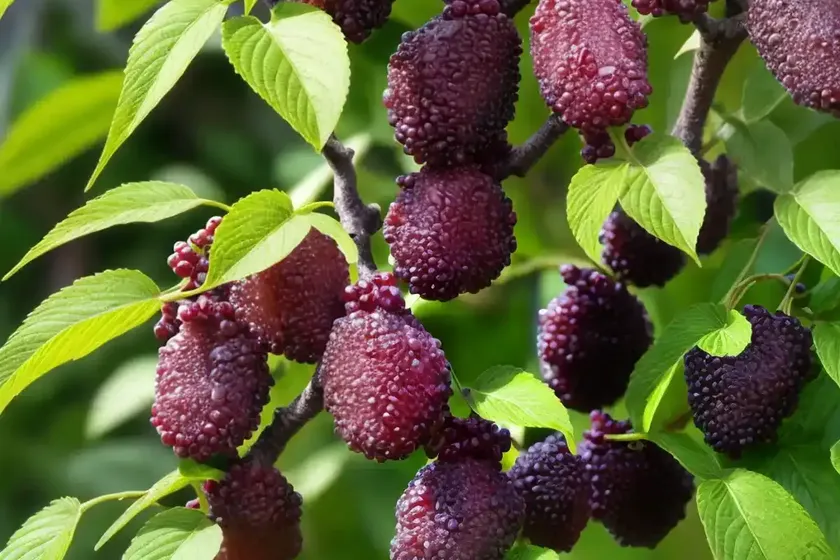
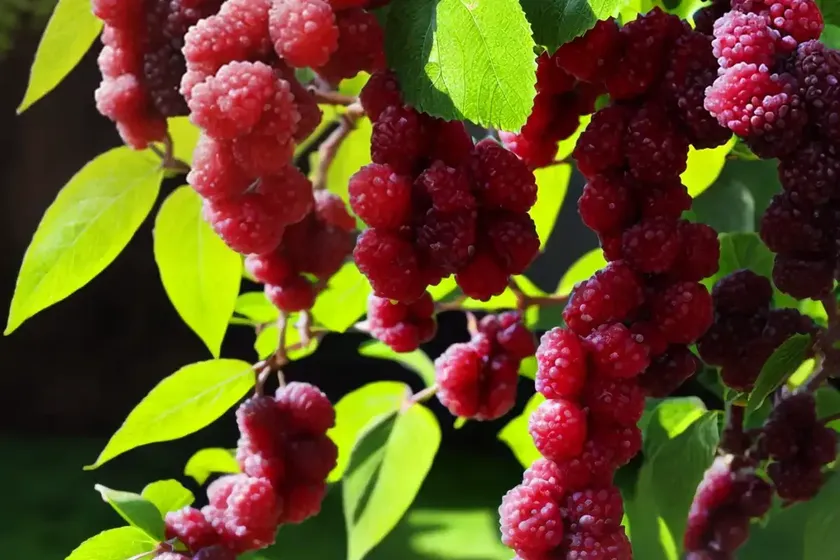
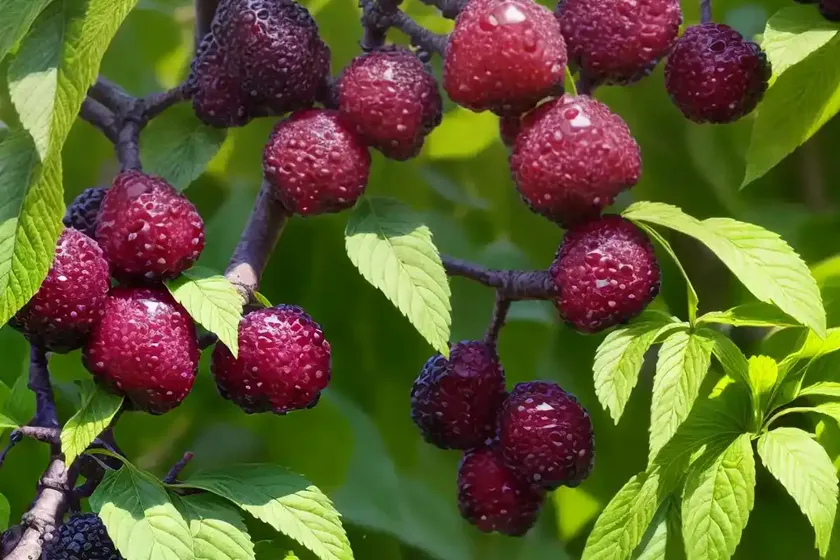
Mulberry, belonging to the genus Morus, is a deciduous tree that bears delicious and nutritious fruits known as mulberries. This plant is cultivated for its fruits, leaves, and also has a rich cultural and historical significance. The mulberry tree comes in different varieties, including white, red, and black mulberries, each with its own set of characteristics and uses. In this comprehensive guide, we’ll explore the various aspects of mulberry cultivation, care, and usage, along with its ecological importance, health benefits, and much more.
Key Takeaways
Before delving into the in-depth details of mulberry, let’s take a quick look at some key takeaways about this fascinating plant:
- Genus: Morus
- Types: White mulberry (Morus alba), Red mulberry (Morus rubra), and Black mulberry (Morus nigra)
- Uses: Fruits, leaves, timber, wildlife support, historical and cultural significance
- Cultivation: Suitable for USDA hardiness zones 5-9
- Preferred Conditions: Well-drained soil, ample sunlight, moderate watering, and annual fertilization
- Common Pests: Aphids, caterpillars, and spider mites
- Common Diseases: Powdery mildew, leaf spot, and root rot
Now, let’s delve into the details of cultivating and caring for mulberry trees, along with its various uses and ecological significance.
Culure
Water
Mulberry trees generally prefer moderate watering, especially during their initial establishment phase. Proper irrigation is crucial for the healthy growth and fruiting of the trees. They should be watered regularly, allowing the soil to dry out slightly between watering sessions. Overwatering may lead to root rot, so it’s essential to strike a balance and monitor the moisture levels in the soil.
Sunlight
Mulberry trees thrive in full sunlight and require at least 6-8 hours of direct sunlight daily. Adequate sunlight is essential for their growth, fruit production, and overall vitality. Therefore, when selecting a planting site, ensure it receives abundant sunlight throughout the day.
Fertilizer
To promote healthy growth and fruit production, mulberry trees benefit from annual fertilization. A balanced fertilizer with a formulation such as 10-10-10 can be applied in early spring before new growth appears. It’s important to follow the recommended application rates based on the tree’s age and size, as excessive fertilization can lead to imbalanced growth.
Soil
Mulberries thrive in well-drained, loamy soil with a slightly acidic to neutral pH range of 5.5 to 6.5. The soil should be rich in organic matter and have good water retention capacity without becoming waterlogged. Prior to planting, it’s advisable to conduct a soil test to assess its nutrient levels and pH, making necessary amendments based on the results.
Pruning
Pruning plays a crucial role in shaping the mulberry tree, maintaining its health, and ensuring optimal fruit production. It’s recommended to prune the tree during its dormant season in late winter to early spring. The primary objectives of pruning include:
- Removing dead or diseased branches
- Creating a strong, well-structured framework
- Encouraging air circulation within the canopy
- Stimulating new growth and fruiting wood
When pruning mulberry trees, it’s important to use sharp, sterilized tools and make clean cuts to prevent unnecessary damage to the tree.
Propagation
Mulberry trees can be propagated through various methods, including:
- Seeds: Mulberry seeds can be sown in well-drained soil in the early spring. However, it’s important to note that seed-grown mulberry trees may not retain the exact characteristics of the parent tree, especially in terms of fruit quality and traits.
- Cuttings: Hardwood cuttings taken during the dormant season can be successfully rooted to propagate new mulberry trees. These cuttings should be taken from healthy, disease-free branches and treated with a rooting hormone before being planted in a suitable growing medium.
Container Popularity
Mulberry trees can also be grown in containers, making them popular choices for urban gardens, patios, and spaces with limited outdoor areas. When selecting a container, opt for a large, sturdy pot with good drainage holes to accommodate the tree’s growth. Regular watering, fertilization, and occasional root pruning may be necessary to maintain the tree’s health and vigor in a container environment.
Uses
Culinary Uses
One of the primary attractions of mulberries is their delicious and versatile culinary applications. The sweet, juicy fruits can be enjoyed fresh, added to fruit salads, or used in the preparation of jams, jellies, syrups, and baked goods such as pies, tarts, and muffins. Mulberry wine, made from the fermented fruits, also delights the palate with its unique flavor profile.
Health Benefits
Mulberries are packed with essential nutrients, including vitamin C, vitamin K, iron, and dietary fiber. These nutrient-rich fruits offer various health benefits, such as:
- Supporting immune function
- Enhancing digestion
- Facilitating healthy blood clotting
- Providing antioxidant protection
- Promoting heart health
In addition to consuming fresh mulberries, their leaves are used to prepare mulberry leaf tea, known for its potential health-promoting properties, such as blood sugar regulation and cholesterol management.
Silk Production
The leaves of the white mulberry tree (Morus alba) serve as the primary food source for silkworms, essential in the production of silk. This centuries-old practice of sericulture has contributed to the economic and cultural significance of mulberries in many regions.
Common Diseases
Powdery Mildew (Sphaerotheca fuliginea)
Powdery mildew is a fungal disease that manifests as a powdery, white coating on the leaves, stems, and fruits of the mulberry tree. It thrives in warm, dry conditions and can weaken the tree if left uncontrolled.
Leaf Spot (Cercospora moricola)
Leaf spot is characterized by the appearance of dark, circular spots on the mulberry leaves, often leading to defoliation and reduced vigor. The fungus responsible for leaf spot can overwinter on fallen leaves, contributing to recurring infections.
Root Rot (Phytophthora spp.)
Root rot can occur in poorly drained or waterlogged soil, leading to the decay of the tree’s root system. Symptoms include wilting, stunted growth, and a general decline in the tree’s health. Proper drainage and preventive measures are essential to mitigate the risk of root rot.
Common Pests
Aphids
Aphids are small, sap-sucking insects that can congregate on the undersides of mulberry leaves, causing curling, yellowing, and distortion. They excrete honeydew, leading to the growth of sooty mold and further weakening the tree. Natural predators, such as ladybugs, lacewings, and parasitic wasps, can help keep aphid populations in check.
Caterpillars
Various caterpillar species, such as the white-marked tussock moth (Orgyia leucostigma), may feed on mulberry leaves, defoliating the tree and impacting its overall health. Timely intervention through manual removal or biological controls can help manage caterpillar infestations.
Spider Mites
Spider mites are common pests that thrive in hot, dry conditions, causing stippling and webbing on the leaves of mulberry trees. Regular monitoring, adequate watering, and the introduction of natural predators, like predatory mites, can help control spider mite populations.
Botanist’s Tips
-
When selecting a suitable mulberry variety for cultivation, consider factors such as fruit flavor, tree size, and growth characteristics to align with your specific preferences and gardening space.
-
Regularly monitor for signs of pests and diseases, aiming for early intervention and integrated pest management practices to maintain the tree’s health.
-
Prune mulberry trees selectively to maintain an open canopy, allowing sunlight penetration and air circulation to promote fruit development and minimize disease incidence.
-
Explore the diverse culinary uses of mulberries, from sweet treats to savory dishes, and experiment with incorporating mulberry products into your cooking repertoire.
Fun Facts
- Mulberries are not only relished by humans but also serve as a popular food source for wildlife, including birds and small mammals.
- The rich, dark color of black mulberries has historically been used in the preparation of natural dyes for textiles and artworks, showcasing the plant’s multifaceted utility.
- Beyond its practical uses, mulberry holds symbolic and cultural significance in various traditions and folklore, adding a layer of intrigue to its global presence.
Links to External Resources
To further expand your knowledge about mulberries and their diverse attributes, consider exploring the following external resources:
- University of Florida IFAS Extension: Mulberries
- The Spruce: Growing Mulberries
- Missouri Botanical Garden: Morus spp.
- North Carolina State University Extension: Mulberry Cultivars
In conclusion, the mulberry tree, with its sumptuous fruits, versatile uses, and ecological contributions, stands as a remarkable plant with a robust presence across different facets of human life and the natural world. By understanding its cultivation practices, addressing potential challenges, and embracing its cultural and historical significance, we can fully appreciate the enduring charm of the mulberry and its enduring relevance in our lives. Whether as a source of nourishment, a symbol of tradition, or a vital component of ecosystems, the mulberry continues to captivate and enrich our experiences through its timeless allure.


