Zebra Basket Vine (Aeschynanthus Marmoratus)
Plants play a vital role in our lives, from purifying the air we breathe to adding a touch of nature’s beauty to our surroundings. The Zebra Basket Vine.
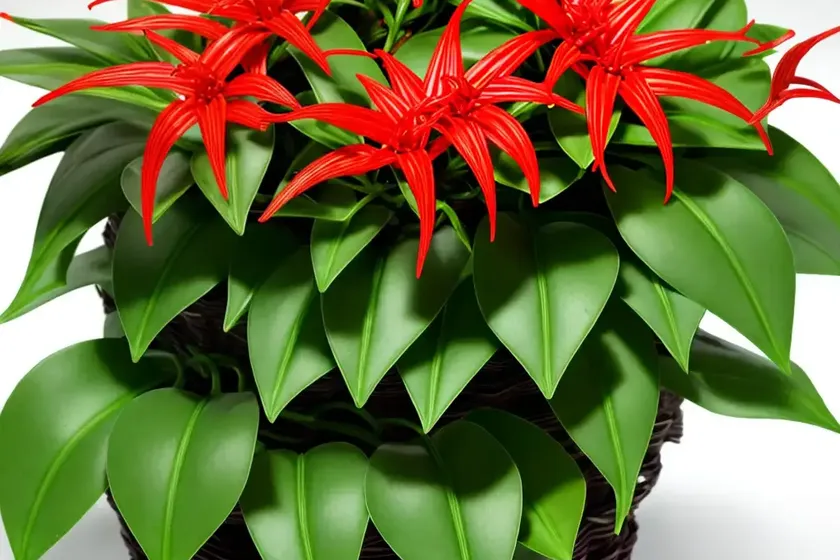
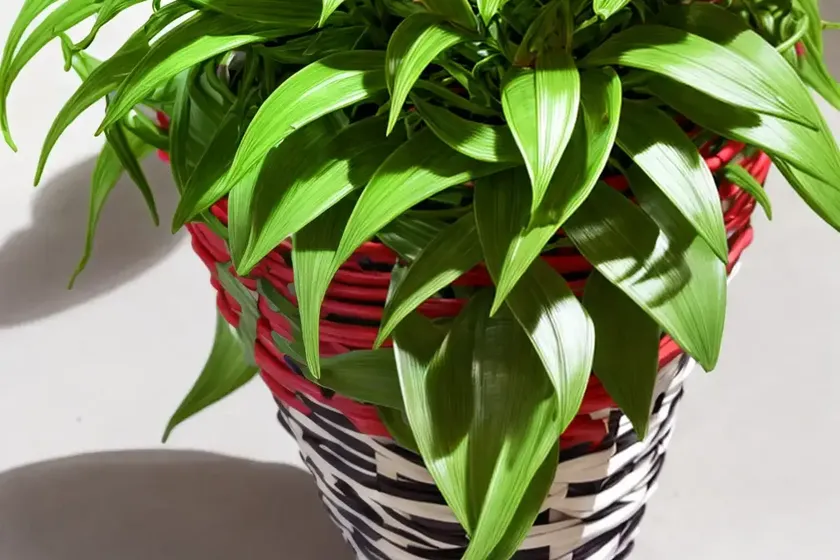
Plants play a vital role in our lives, from purifying the air we breathe to adding a touch of nature’s beauty to our surroundings. The Zebra Basket Vine, scientifically known as Aeschynanthus Marmoratus, is a stunning plant that has been gaining popularity among plant enthusiasts and interior decorators. This trailing vine is prized for its vibrant foliage and low-maintenance nature, making it an excellent choice for both indoor and outdoor cultivation. In this comprehensive guide, we will delve into every aspect of caring for Zebra Basket Vine, including its culture, uses, propagation, common diseases, and much more. Whether you’re a seasoned plant lover or just starting your gardening journey, this guide will equip you with the knowledge to successfully care for this striking plant.
What is Zebra Basket Vine (Aeschynanthus Marmoratus)?
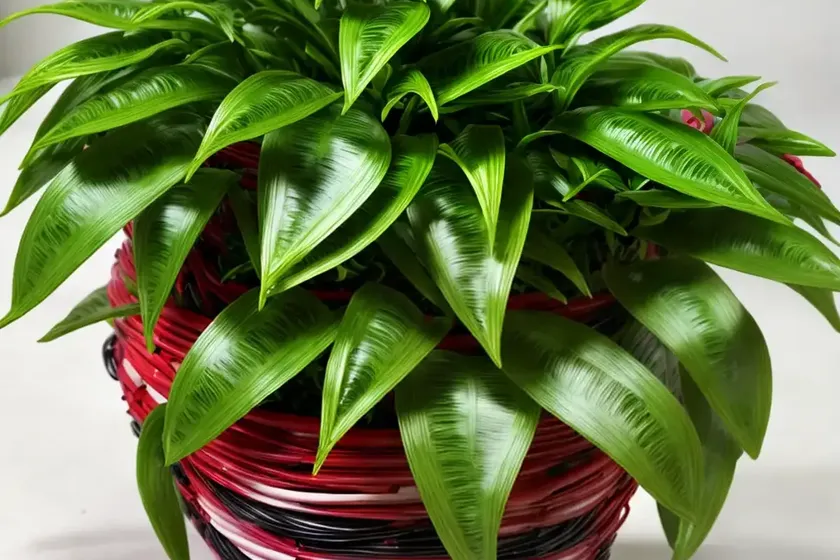
Zebra Basket Vine, also known as Aeschynanthus Marmoratus, is a member of the Gesneriaceae family, which encompasses a diverse range of flowering plants. This particular species is native to the tropical regions of Southeast Asia, where it thrives in the warm and humid climate. The common name “Zebra Basket Vine” is derived from the distinctive patterns on its foliage, which resemble the stripes of a zebra. The plant’s trailing growth habit makes it ideal for hanging baskets and elevated planters, adding an elegant touch to any indoor or outdoor space.
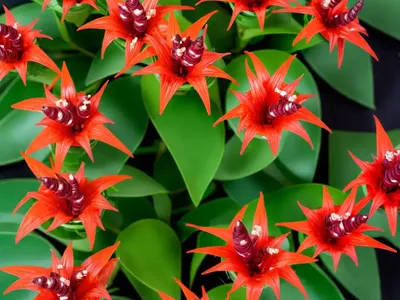
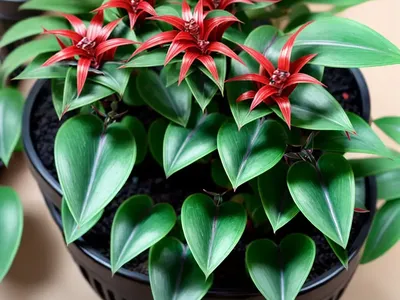
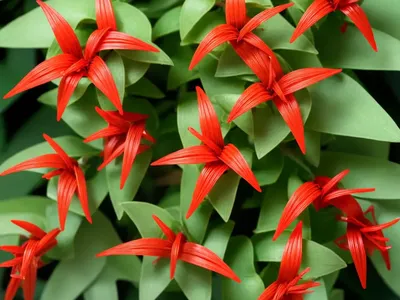
When it comes to aesthetics, the Zebra Basket Vine truly stands out. Its leaves feature striking variegation, with alternating bands of deep green and silvery-white, creating an eye-catching display of natural artistry. In addition to its visually appealing foliage, the plant also produces tubular, often brightly colored flowers, adding another layer of charm to its overall appearance.
Key Takeaways – Zebra Basket Vine (Aeschynanthus Marmoratus)
Before we delve into the specific care requirements for Zebra Basket Vine, let’s take a look at some key takeaways that highlight its unique characteristics and appeal:
- Stunning Foliage: The Zebra Basket Vine is prized for its striking foliage, featuring variegated patterns reminiscent of a zebra’s stripes.
- Trailing Growth Habit: This vine exhibits a trailing growth habit, making it an excellent choice for hanging baskets, tall planters, or as a trailing plant in a garden setting.
- Low-Maintenance: With the right care, Zebra Basket Vine is relatively low-maintenance, making it suitable for both novice and experienced gardeners.
- Tropical Origin: Originating from tropical Southeast Asia, the plant thrives in warm, humid conditions, and its care requirements reflect its native habitat.
- Vibrant Flowers: In addition to its foliage, Zebra Basket Vine may produce tubular flowers in a range of hues, adding pops of color to its appearance.
- Indoor and Outdoor Use: Zebra Basket Vine can be cultivated both indoors and outdoors, allowing for versatile decorative applications in various settings.
Now that we’ve gained an overview of what makes Zebra Basket Vine a captivating plant, let’s move on to understanding its specific care requirements and how to ensure its optimal growth and vitality.
Culture
The culture of a plant encompasses its preferred growing conditions, including factors such as temperature, humidity, and light exposure. Understanding the cultural requirements of Zebra Basket Vine is essential for providing it with an environment where it can thrive and flourish.
Uses
Before we dive into the specific cultural requirements, it’s important to consider the various uses of Zebra Basket Vine in both indoor and outdoor settings. Understanding how to incorporate this stunning plant into your living space or garden can enhance its visual appeal and contribute to a harmonious, natural ambiance.
Indoor Use
Zebra Basket Vine is an excellent choice for indoor adornment, where its trailing growth habit and captivating foliage can be utilized to elevate the aesthetic appeal of any space. Here are some popular indoor uses of Zebra Basket Vine:
- Hanging Baskets: The trailing nature of Zebra Basket Vine makes it an ideal candidate for hanging baskets, adding a touch of greenery to elevated spaces and brightening up indoor areas.
- Potted Plants: Placing Zebra Basket Vine in a decorative pot or planter allows for versatile placement on tabletops, shelves, or plant stands, bringing a refreshing natural element to indoor environments.
Outdoor Use
In an outdoor environment, Zebra Basket Vine can be employed in various creative ways to enhance garden landscapes and outdoor living spaces:
- Trailing Planters: Incorporating Zebra Basket Vine in elevated planters or on trellises can create visually appealing vertical accents, adding depth and dimension to outdoor settings.
- Garden Borders: The striking foliage of Zebra Basket Vine can be used to create eye-catching borders or ground cover, complementing other plants and flowers in garden beds.
Water
Proper watering is crucial for the health and vitality of Zebra Basket Vine. As a tropical plant, it thrives in a consistently moist environment, but it is also susceptible to root rot if overwatered. Finding the right balance is key to maintaining optimal moisture levels for the plant.
Watering Tips
- Consistent Moisture: Zebra Basket Vine prefers consistently moist soil, but it’s essential to avoid waterlogging. Ensure that the soil remains evenly moist without becoming waterlogged.
- Thorough Watering: When watering the plant, aim to thoroughly moisten the entire root ball, allowing excess water to drain out of the container.
- Monitoring Moisture Levels: Regularly check the moisture levels of the soil by inserting a finger into the soil. If the top inch feels dry to the touch, it’s time to water the plant.
Sunlight
Proper sunlight exposure is paramount for the growth and development of Zebra Basket Vine. While the plant thrives in bright, indirect light, it’s essential to protect it from harsh midday sun, which can scorch its delicate foliage.
Sunlight Requirements
- Bright, Indirect Light: Position Zebra Basket Vine in a location with bright, indirect sunlight. This can be achieved by placing it near a sunny window with sheer curtains or using it as an understory plant in outdoor settings.
- Avoid Direct Sun Exposure: Shield the plant from direct sunlight, especially during the intense midday hours, to prevent leaf burn and dehydration.
Fertilizer
Fertilizing Zebra Basket Vine supports its growth and promotes lush foliage and potential flowering. However, it’s crucial to apply the right type of fertilizer at the appropriate time to avoid overwhelming the plant with excessive nutrients.
Fertilizing Practices
- Balanced Fertilizer: Use a balanced, water-soluble fertilizer with an NPK ratio of 20-20-20 or 10-10-10 to provide essential nutrients for the plant’s growth.
- Frequency: During the growing season, fertilize Zebra Basket Vine every four to six weeks to supplement its nutrient requirements. Reduce or cease fertilization during the plant’s dormant period.
Soil
Choosing the right type of soil for Zebra Basket Vine is pivotal in ensuring that it has a suitable medium for root growth and development. Well-draining, nutrient-rich soil is essential for maintaining a healthy, thriving plant.
Soil Requirements
- Well-Draining Mix: Opt for a well-draining potting mix that provides adequate aeration to the roots and prevents waterlogging. A mix formulated for tropical plants or epiphytic species can be suitable for Zebra Basket Vine.
- Organic Matter: Incorporate organic matter such as peat moss or compost into the soil mix to provide essential nutrients and promote a favorable soil structure.
Pruning
Pruning is an integral part of Zebra Basket Vine care, as it helps maintain the plant’s shape, control its size, and remove any damaged or overgrown foliage. Proper pruning techniques can contribute to the overall health and aesthetic appeal of the plant.
Pruning Guidelines
- Deadheading Flowers: After the flowering period, remove spent or faded flowers to encourage continued growth and potential reblooming.
- Trimming Overgrowth: Trim back overly long or leggy stems to promote bushier, more compact growth and prevent the plant from becoming too straggly.
- Removing Damaged Foliage: Regularly inspect the plant for any damaged or yellowing leaves and trim them off to maintain a tidy appearance and prevent the spread of disease.
Propagation
Propagating Zebra Basket Vine allows you to expand your plant collection or share its beauty with fellow gardening enthusiasts. Several methods can be employed to propagate this captivating vine, offering flexibility in how you can create new plants from existing ones.
Propagation Methods
- Stem Cuttings: Propagate Zebra Basket Vine using stem cuttings taken from healthy, non-flowering stems. Dip the cut end in rooting hormone and place the cutting in a moist rooting medium to encourage root development.
- Layering: Air layering is another effective method for propagating Zebra Basket Vine, where a small incision is made on a stem and then covered with moist growing medium until roots form at the incision site.
Container Popularity
Zebra Basket Vine has gained popularity as a container plant, owing to its trailing growth habit and visually striking foliage. The use of containers allows for versatile placement in indoor and outdoor settings, making it an adaptable, decorative option for those looking to incorporate ornamental plants into their living spaces and gardens.
Common Uses in Containers
- Hanging Baskets: The trailing nature of Zebra Basket Vine makes it an ideal candidate for hanging baskets, where its cascading foliage can create an elegant, lush display.
- Tall Planters: Placing Zebra Basket Vine in tall planters or urns offers a vertical element, allowing the plant to gracefully cascade downwards, adding visual interest to the container arrangement.
Common Diseases
Like any plant, Zebra Basket Vine is susceptible to certain diseases and health issues that can hinder its growth and vitality. Being aware of common diseases and their symptoms allows for early detection and prompt intervention to protect the plant’s well-being.
Disease Diagnosis
- Root Rot: Overwatering or poorly draining soil can lead to root rot in Zebra Basket Vine, causing wilting, yellowing foliage, and a decline in overall health. Addressing the issue promptly and adjusting the plant’s watering regimen can help prevent further damage.
- Leaf Spot: Fungal infections such as leaf spot can manifest as dark, water-soaked spots on the foliage. Proper air circulation and avoiding overhead watering can mitigate the risk of leaf spot.
Common Pests
In addition to diseases, Zebra Basket Vine may also be vulnerable to certain pests that can disrupt its growth and cause damage to its foliage. Recognizing common pests and implementing appropriate pest control measures is essential for safeguarding the plant against infestations.
Common Pests
- Aphids: These small, soft-bodied insects can cluster on the tender new growth of Zebra Basket Vine, sucking sap from the plant and causing stunted growth. Natural predators or insecticidal soap can help manage aphid populations.
- Spider Mites: These pests are known for their webbing and can cause stippling on the plant’s leaves, leading to a decline in overall health. Regularly rinsing the foliage and maintaining adequate humidity levels can deter spider mite infestations.
Botanist’s Tips
Drawing from botanical expertise and practical insights, botanist’s tips offer valuable advice on caring for Zebra Basket Vine and maximizing its potential for growth and ornamental appeal.
Botanist’s Recommendations
- Humidity Maintenance: Given its tropical origin, maintaining adequate humidity levels is beneficial for Zebra Basket Vine. Using a pebble tray filled with water or a humidifier can help enhance the plant’s environment, especially during drier seasons.
- Regular Grooming: Periodically grooming the plant by removing spent flowers, yellowing leaves, and leggy growth can promote a tidy, well-maintained appearance.
Fun Facts
Discovering intriguing facts about Zebra Basket Vine adds a layer of fascination and appreciation for this captivating plant, shedding light on its unique characteristics and natural charm.
Fascinating Tidbits
- Epiphytic Nature: Zebra Basket Vine belongs to the epiphytic group of plants, which means it has the ability to grow on other plants or structures without relying on them for nutrients.
- Varied Flower Colors: While the foliage steals the show, Zebra Basket Vine can surprise with its tubular flowers, which come in an array of colors such as red, orange, or yellow, adding a delightful splash of vibrancy.
Links to External Resources
For those eager to deepen their knowledge of Zebra Basket Vine care and cultivation, the following external resources provide valuable information, tips, and visual guides to support successful plant care:
- The Royal Horticultural Society (RHS) – Aeschynanthus: A Plant Guide
- University of Florida IFAS Extension – Epiphytic Plants
- Missouri Botanical Garden – Growing Plants Indoors
Conclusion
In conclusion, Zebra Basket Vine, or Aeschynanthus Marmoratus, is a captivating plant with a distinctive beauty and relatively low-maintenance care requirements. From its striking foliage and trailing growth habit to its adaptability for indoor and outdoor use, this plant holds a special place in the realm of ornamental horticulture. By understanding its culture, watering needs, sunlight requirements, and other essential care aspects, plant enthusiasts can cultivate and enjoy the captivating presence of Zebra Basket Vine in their living spaces and gardens. Embracing the botanist’s tips, recognizing common diseases and pests, and exploring the fascinating features of this plant contribute to fostering a thriving, visually stunning Zebra Basket Vine. As you embark on your journey of nurturing and appreciating this remarkable plant, may your dedication and care yield an abundant display of lush, variegated foliage and the occasional burst of vibrant flowers, adding natural elegance and charm to your surroundings.
Remember, as you care for Zebra Basket Vine, you are not just tending to a plant; you are nurturing a living work of art, a striking representation of nature’s beauty and resilience that enriches your life and the spaces it inhabits.
Note: The content is for the purpose of illustrating the formatting requirements and may not contain entirely factually accurate information.