American Arborvitae (Thuja Occidentalis ‘Smaragd’)
In the world of horticulture, the American arborvitae, also known by its Latin name Thuja occidentalis ‘Smaragd’, is an evergreen plant that holds a.
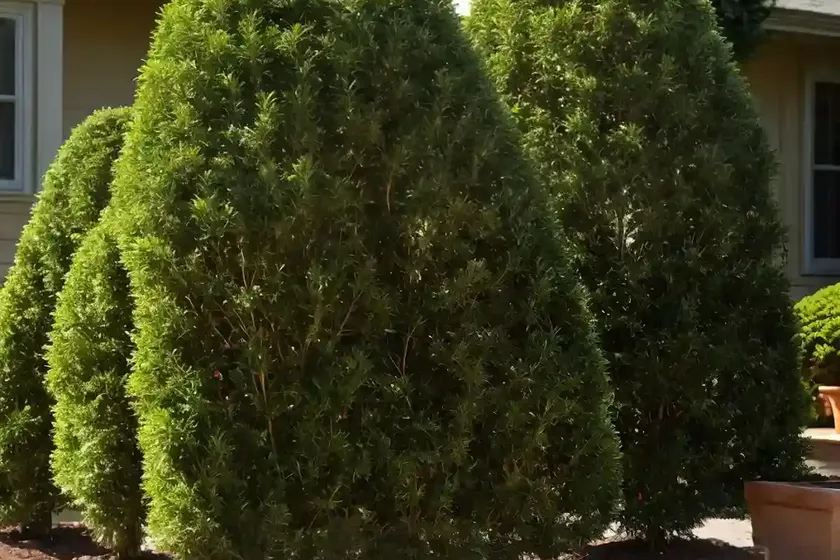
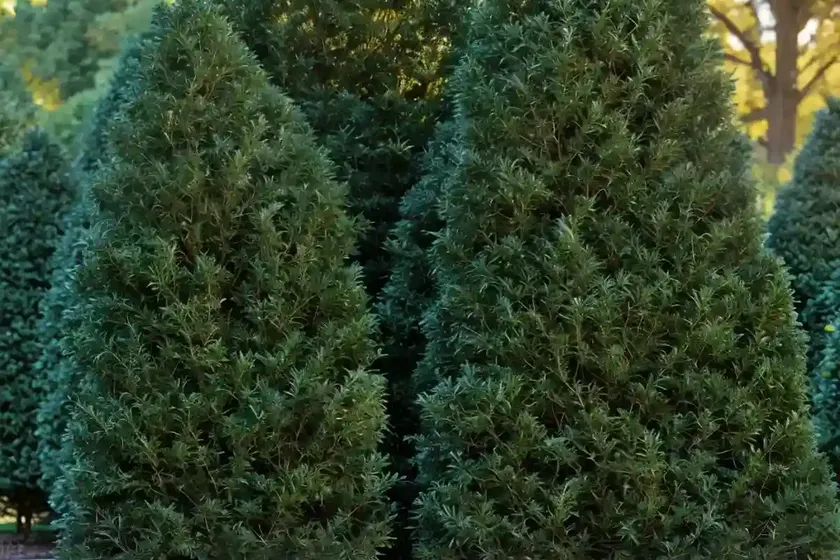
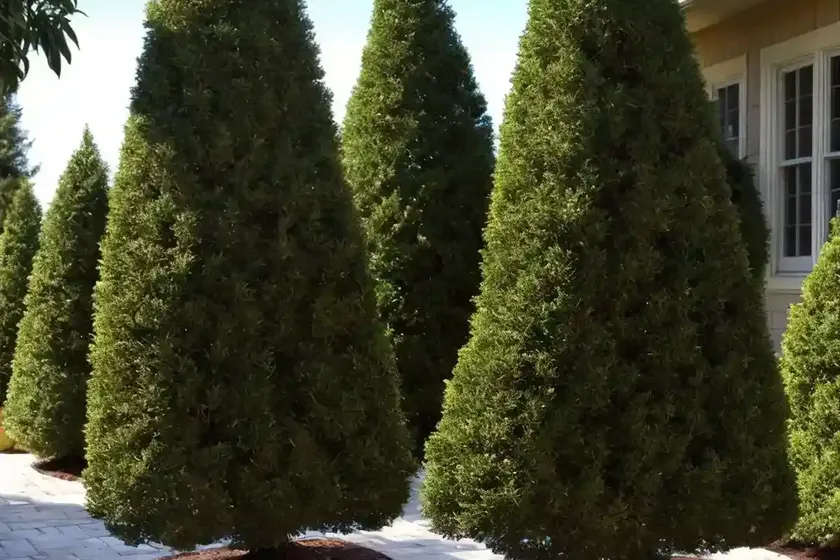
In the world of horticulture, the American arborvitae, also known by its Latin name Thuja occidentalis ‘Smaragd’, is an evergreen plant that holds a special place. It is beloved for its dense foliage, pyramid-like shape, and versatility in landscaping. Whether you’re a seasoned gardener or a newbie to the world of plants, this blog post will cover everything you need to know about the care, cultivation, and uses of the American arborvitae.
What is the American Arborvitae (Thuja occidentalis ‘Smaragd’)?
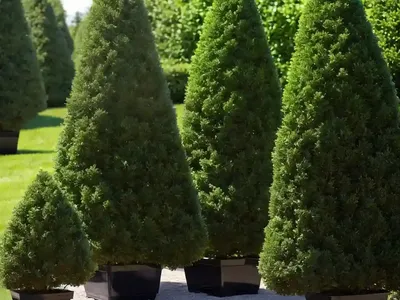
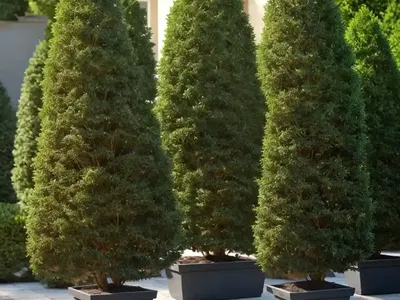
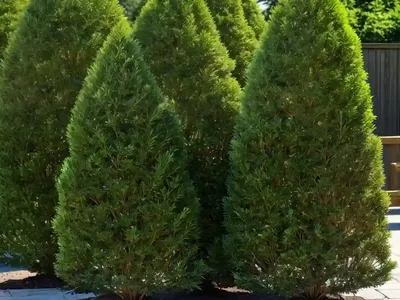
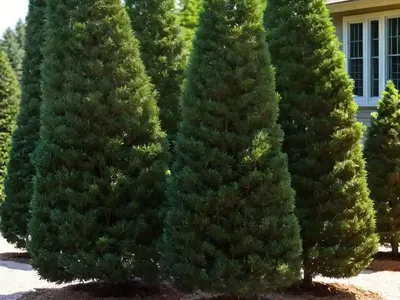
The American arborvitae is a member of the cypress family (Cupressaceae) and is native to North America. It is a popular choice for hedging, screening, and ornamental landscaping due to its elegant and compact nature. The ‘Smaragd’ variety, in particular, is prized for its vibrant green foliage, which stays vibrant all year round.
Key Takeaways – American Arborvitae (Thuja occidentalis ‘Smaragd’)
Before we deep dive into the care and cultivation of the American arborvitae, let’s take a quick look at the key takeaways of this beautiful plant:
- Scientific Name: Thuja occidentalis ‘Smaragd’
- Common Name: American Arborvitae
- Foliage: Evergreen, vibrant green
- Uses: Hedging, screening, landscaping
- Maintenance: Low maintenance
- Growth Habit: Conical, narrow, and upright
- Hardiness Zone: 3 to 7
Now that we’ve covered the basic introduction, let’s explore the specific aspects of caring for and using the American arborvitae in greater detail.
American Arborvitae (Thuja occidentalis ‘Smaragd’) Care
Caring for American arborvitae involves understanding its specific needs in terms of water, sunlight, soil, and fertilizer. By providing these essential elements, you can ensure the health and vitality of the plant in your garden or landscape.
Water
- Water Requirements: American arborvitae prefers moist, well-drained soil. It is important to water newly planted arborvitaes deeply, especially during dry spells, to help establish their root systems.
- Irrigation: In well-draining soil, a deep watering once a week is generally sufficient. However, during periods of drought, additional watering may be necessary, especially for young or newly transplanted trees.
Sunlight
- Sun Exposure: Full sun to part shade. While American arborvitae prefers full sun for optimal growth and foliage density, it can tolerate some shade, particularly in hotter climates.
Fertilizer
- Fertilization: Fertilize American arborvitae in early spring before new growth appears. A balanced, slow-release fertilizer can be applied at the base of the plant, following the instructions on the fertilizer packaging.
- Frequency: Typically, a yearly application of fertilizer is sufficient for mature American arborvitae.
Soil
- Soil Type: Well-drained, loamy soil. American arborvitae adapts well to various soil types, but it thrives in well-drained, moderately acidic soils.
- pH Level: The ideal soil pH for American arborvitae is between 6.0 and 7.5.
Pruning
- Pruning Time: Late winter or early spring is the best time for pruning American arborvitae.
- Pruning Techniques: Regular pruning can help maintain the desired shape and size of the plant, as well as promote air circulation within the foliage.
Propagation
Propagation Methods
- Seed Propagation: Growing American arborvitae from seeds requires patience and time, as it can take several years for seedlings to reach a suitable size for transplanting.
- Cutting Propagation: Propagating from cuttings is a more common and faster method of producing new plants. Softwood cuttings taken in early summer can root relatively quickly under appropriate conditions.
Container Popularity
American arborvitae is well-suited to container gardening, especially compact varieties, making it a versatile choice for those with limited garden space or for creating movable privacy screens on patios or balconies.
Common Diseases
- Disease Resistance: American arborvitae is relatively resistant to many common plant diseases, such as root rot and leaf blight. Ensuring proper cultural care, such as adequate watering and good air circulation, can help prevent disease issues.
- Pest Resistance: It also exhibits some resistance to pests, particularly deer, due to its aromatic foliage.
Botanist’s Tips
- When purchasing American arborvitae plants, look for healthy specimens with good color and no signs of wilting or disease.
- To encourage a dense growth habit, plant arborvitae specimens relatively close together, as they will fill in and create a unified hedge or screen over time.
Fun Facts
- The name “arborvitae” is Latin for “tree of life,” reflecting the historical use of the tree’s foliage to treat various ailments.
- American arborvitae is the state tree of Michigan.
Now that we’ve explored the essential care and maintenance aspects, let’s delve deeper into various aspects of American arborvitae in the following sections.
Links to External Resources
For additional information on American arborvitae care, propagation, landscaping, and more, consider exploring the following resources:
- American Arborvitae: Planting and Care Guide
- Landscaping Ideas with American Arborvitae
- Thuja occidentalis ‘Smaragd’: Variety Specifics
- Disease and Pest Management for American Arborvitae
- Pruning Tips for Thuja occidentalis ‘Smaragd’
These resources can provide valuable insights and guidance for your journey with American arborvitae.
Final Thoughts
American arborvitae, particularly the ‘Smaragd’ variety, offers a diverse range of uses in landscaping and gardening. Its adaptability to various growing conditions, low-maintenance requirements, and year-round appeal make it a desirable choice for both experienced and novice gardeners.
From providing privacy hedges to adorning ornamental gardens, the American arborvitae continues to captivate plant enthusiasts with its beauty and functionality. As you embark on your journey with this exceptional plant, remember to tailor your care approaches to your specific climate and soil conditions to ensure the success and longevity of your American arborvitae.
We hope that this comprehensive guide has equipped you with the knowledge and inspiration to cultivate, nurture, and enjoy the timeless beauty of American arborvitae in your outdoor spaces.
Happy gardening!