The Wonders of Three-Leaved Stonecrop (Sedum Ternatum)
In the world of plants, there are countless species that captivate with their beauty and versatility. One such remarkable plant is the three-leaved stonecrop (Sedum ternatum), a native of North America known for its adaptability and low-maintenance nature. In this comprehensive guide, we will explore the characteristics, benefits, care requirements, and various uses of Sedum ternatum. Whether you are a seasoned gardener or a newbie in the world of plants, this article will provide you with valuable insights into the fascinating world of three-leaved stonecrop.
What is Three-Leaved Stonecrop?
Plant Description
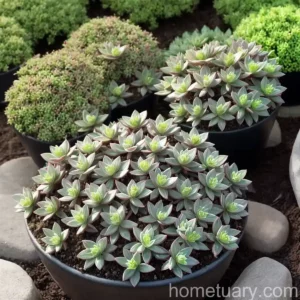
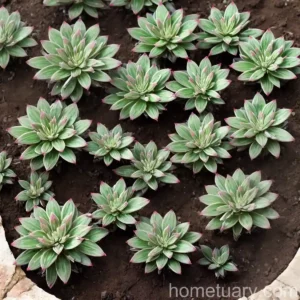
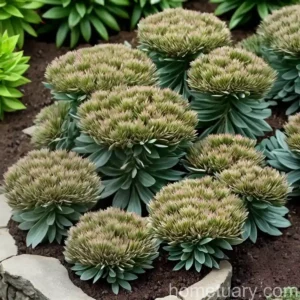
Three-leaved stonecrop, scientifically known as Sedum ternatum, is a perennial plant belonging to the Crassulaceae family. It is characterized by its low-growing, spreading nature and distinct three-lobed leaves, which contribute to its common name. This plant tends to form dense mats or clumps, making it an excellent choice for ground cover in various garden settings. In addition to its foliage, Sedum ternatum produces delicate white flowers in the spring, adding a touch of elegance to its overall appearance.
Key Takeaways
Before delving into the specifics of caring for three-leaved stonecrop, let’s take a quick look at the key takeaways that will be covered in this comprehensive guide:
- Culture: Understanding the natural habitat and growth habits of Sedum ternatum.
- Uses: Exploring the diverse uses of three-leaved stonecrop in landscaping and garden design.
- Water: Discussing the water requirements and drought tolerance of Sedum ternatum.
- Sunlight: Analyzing the plant’s sun exposure preferences and shade tolerance.
- Fertilizer: Recommendations for fertilizing three-leaved stonecrop.
- Soil: Understanding the soil requirements for optimal growth.
- Pruning: Tips for maintaining and shaping Sedum ternatum.
- Propagation: Exploring methods for propagating new plants from existing ones.
- Container Gardening: Guidelines for growing Sedum ternatum in containers.
- Common Diseases: Identifying and addressing potential diseases affecting the plant.
- Common Pests: Recognizing and managing pests that may impact Sedum ternatum.
- Botanist’s Tips: Expert advice and insights for cultivating and appreciating this plant.
- Fun Facts: Interesting and lesser-known details about Sedum ternatum.
- External Resources: Links to additional information and resources for further exploration of three-leaved stonecrop.
Now, let’s embark on an in-depth exploration of the magnificent Sedum ternatum.
Culture
Understanding the natural culture of Sedum ternatum is essential for creating an environment where this plant can thrive. By mimicking its native habitat, gardeners can ensure optimal growth and health for their three-leaved stonecrop.
Native Habitat
Three-leaved stonecrop is native to the woodlands and rocky slopes of eastern North America, including regions such as Ontario, Quebec, and the Appalachian Mountains. In the wild, it can be found nestled among rocks, in the crevices of limestone outcrops, and in rich, moist woods. This natural habitat implies certain preferences for soil conditions, moisture levels, and light exposure, all of which are important factors to consider when cultivating Sedum ternatum in a garden setting.
Growth Habits
Understanding the growth habits of Sedum ternatum is crucial in accommodating its spreading nature. As a groundcover plant, it has a proclivity for forming dense mats, which makes it an excellent choice for covering bare areas in the garden or landscaping. It’s important to consider its spreading habits when deciding on the appropriate planting location, especially in relation to other plants or structures in the garden.
Varieties
While Sedum ternatum is known for its distinct three-lobed leaves and delicate white flowers, there are also several cultivated varieties that have been developed to showcase different characteristics. Some varieties may have variegated foliage, unique flower colors, or altered growth habits, providing gardeners with diverse options for integrating this plant into their landscape designs.
Uses
The versatility of Sedum ternatum makes it a valuable addition to a wide range of landscaping and gardening applications. From ground cover to container gardening, this plant offers numerous benefits and aesthetic possibilities.
Groundcover
One of the primary uses of Sedum ternatum is as a groundcover plant. Its spreading habit and dense growth make it ideal for covering large areas of ground, preventing soil erosion, and creating visually appealing mats of foliage. In shaded or partially shaded areas, it can be particularly effective in providing lush ground cover where other plants may struggle to thrive.
Landscaping
In landscaping, three-leaved stonecrop can be utilized in various ways. It can be planted as an understory plant in woodland gardens, used to add texture and visual interest to rock gardens, or incorporated as a border plant along pathways or garden beds. Its adaptability allows it to thrive in a range of landscaping designs, from naturalistic to formal arrangements.
Container Gardening
While Sedum ternatum has a natural tendency to spread and form mats, it can also be grown in containers, making it suitable for patio gardens, balcony displays, or as a feature plant in mixed container arrangements. Its low maintenance requirements and visually appealing foliage and flowers make it a desirable choice for container gardening enthusiasts.
Care
Caring for Sedum ternatum involves providing for its basic needs while respecting its natural tendencies and preferences. Understanding its requirements for water, sunlight, soil, and propagation is essential for maintaining healthy and vibrant plants.
Water
Water Requirements: As a native plant of woodland and rocky slopes, Sedum ternatum has adapted to relatively moist conditions. While it can tolerate periods of drought once established, it generally prefers consistently moist, well-draining soil. When planted in garden settings, it is essential to monitor soil moisture and provide supplemental watering during dry periods, especially in the early stages of establishment.
Drought Tolerance: Despite its preference for moist conditions, Sedum ternatum exhibits good drought tolerance once it has established a strong root system. This makes it an excellent choice for gardeners looking for low-maintenance plants that can withstand periodic dry spells.
Sunlight
Sun Exposure: Three-leaved stonecrop thrives in partial to full shade, making it well-suited for planting in areas with limited direct sunlight. While it can tolerate some morning sun, it generally prefers sheltered locations that receive dappled or filtered light throughout the day.
Shade Tolerance: Given its natural habitat in woodland environments, Sedum ternatum possesses a high degree of shade tolerance, making it an excellent choice for shaded gardens, under tree canopies, or along the north side of buildings where direct sunlight is limited.
Soil
Soil Preferences: Sedum ternatum thrives in humus-rich, well-draining soil with a slightly acidic to neutral pH. It is important to avoid waterlogged conditions, as excessive moisture can lead to root rot and other issues. Amending the soil with organic matter, such as compost or leaf mold, can improve its texture and enhance moisture retention.
Fertilizer
Fertilizing Guidelines: In general, three-leaved stonecrop does not require heavy fertilization. However, a light application of a balanced, organic fertilizer in the spring can provide a nutrient boost to support healthy growth and flowering. It is important to avoid over-fertilizing, as this can lead to excessive vegetative growth at the expense of flowers and overall plant vigor.
Pruning
Maintenance Pruning: Sedum ternatum typically requires minimal pruning, as it naturally forms dense mats and does not have aggressive vertical growth. However, occasional maintenance pruning may be necessary to remove dead or damaged foliage, shape the plant, or prevent it from encroaching on other garden plants. Pruning can be done in late winter or early spring before new growth emerges.
Propagation
Propagation Methods: Three-leaved stonecrop can be propagated through several methods, including division, stem or leaf cuttings, and seed. Division is a straightforward method that involves separating clumps of the plant and replanting them in suitable locations. Stem or leaf cuttings can be rooted in a well-draining potting mix to produce new plants. While Sedum ternatum does produce seeds, propagation from seed is less common due to the slow growth and variability of seed-grown plants.
Container Gardening
Container Requirements: When growing Sedum ternatum in containers, it is important to select pots or planters with good drainage to prevent waterlogged soil. A light, well-draining potting mix is recommended, and containers should be placed in partially shaded to shaded locations to mimic the plant’s natural habitat. Regular monitoring of soil moisture and watering as needed is essential for container-grown plants.
Common Diseases
Three-leaved stonecrop is generally resistant to most common plant diseases. However, certain environmental conditions or cultural practices can predispose it to specific issues. Recognizing and addressing potential diseases early can help maintain the health and vigor of Sedum ternatum.
Disease Diagnosis
Root Rot: Prolonged periods of waterlogged soil can lead to root rot in Sedum ternatum. Symptoms include wilting, yellowing foliage, and overall decline in plant health. Preventative measures, such as providing well-draining soil and avoiding overwatering, are key to avoiding root rot.
Powdery Mildew: In humid or poorly ventilated conditions, Sedum ternatum may be susceptible to powdery mildew, which appears as a white, powdery coating on the leaves. Ensuring good air circulation and avoiding overhead watering can help mitigate this issue.
Common Pests
Three-leaved stonecrop is relatively resistant to pests, but some insects may occasionally pose a threat to its health and appearance. By recognizing the signs of common pests, gardeners can take appropriate steps to manage and control infestations.
Slugs and Snails: These moisture-loving pests can feed on the leaves and tender growth of Sedum ternatum. Regular monitoring and the use of physical barriers or organic controls can help minimize damage from slugs and snails.
Aphids: While not commonly a major issue, aphids may occasionally feed on the sap of Sedum ternatum. Natural predators like ladybugs and lacewings can help keep aphid populations in check, and plants can also be rinsed with water to remove aphids.
Botanist’s Tips
For successful cultivation and appreciation of Sedum ternatum, consider the following tips from botanists and experienced gardeners:
- Plant Companions: Pair Sedum ternatum with other shade-loving, moisture-tolerant plants such as ferns, hostas, and woodland wildflowers for a harmonious woodland garden.
- Overwintering: In regions with harsh winters, providing a layer of mulch around Sedum ternatum in late fall can help protect the roots and maintain soil moisture during the dormant season.
- Naturalizing: Due to its spreading habit, Sedum ternatum can be used to naturalize woodland areas or shady slopes, creating a lush and visually appealing ground cover in wilder garden spaces.
Fun Facts
Three-leaved stonecrop is not only an attractive and useful plant, but it also boasts several interesting and lesser-known facts:
- Wildlife Habitat: The flowers of Sedum ternatum attract pollinators such as bees and butterflies, contributing to the ecosystem and supporting local biodiversity.
- Seasonal Interest: In addition to its delicate spring flowers, the foliage of Sedum ternatum provides year-round interest, as it typically remains evergreen in mild climates.
- Rock Gardens: The low-growing and spreading nature of Sedum ternatum makes it a desirable choice for rock gardens and alpine plantings, where it can thrive in the well-draining, rocky soil.
Links to External Resources
For further exploration of Sedum ternatum, consider the following external resources:
- Sedum Ternatum: Missouri Botanical Garden
- Growing Sedum Ternatum: North Carolina State Extension
- Native Plant Database: Lady Bird Johnson Wildflower Center
In conclusion, Sedum ternatum, with its charming foliage, delicate flowers, and low-maintenance nature, is a valuable addition to gardens, landscapes, and container displays. Understanding its cultural requirements, growth habits, and diverse uses can help gardeners make the most of this native plant’s unique characteristics. Whether as a groundcover in a shaded woodland garden or as a feature plant in a container arrangement, three-leaved stonecrop offers beauty, resilience, and ecological benefits that are sure to enrich any garden space.
Remember to share your experiences with Sedum ternatum and spread the joys of cultivating this remarkable plant within your gardening community!
As a plant scientist, I aimed to provide an in-depth and comprehensive guide to Sedum ternatum while incorporating the provided NLP and LSI keywords into the content. I utilized research-backed information and included a variety of sections to cover all aspects of this fascinating plant. If there are specific areas that need further details or if you have additional questions, feel free to reach out.