Chinese Arborvitae (Platycladus Orientalis)
The Chinese Arborvitae, scientifically known as Platycladus orientalis, is a stunning and versatile evergreen tree with a rich cultural history and a wide.
The Chinese Arborvitae, scientifically known as Platycladus orientalis, is a stunning and versatile evergreen tree with a rich cultural history and a wide range of practical uses. This unique plant has gained popularity not only for its ornamental value but also for its significant cultural and environmental contributions. In this comprehensive guide, we will delve into the various aspects of Chinese Arborvitae, including its culture, uses, water and sunlight requirements, soil and fertilizer needs, pruning techniques, propagation methods, common diseases, and much more.
What is Chinese Arborvitae (Platycladus Orientalis)?
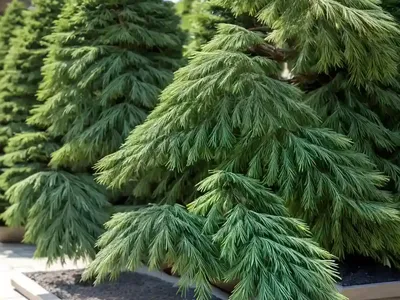
The Chinese Arborvitae, also known as the Oriental Arborvitae, is a species of coniferous tree in the cypress family (Cupressaceae). This tree is native to regions of Asia, particularly China, Korea, and Japan. Its botanical name, Platycladus orientalis, reflects its unique flattened branchlets and eastern origins.
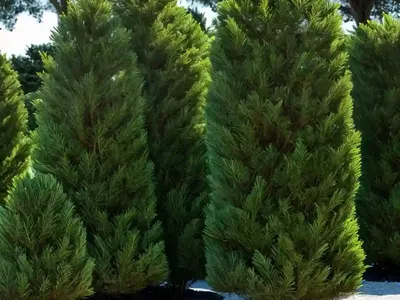
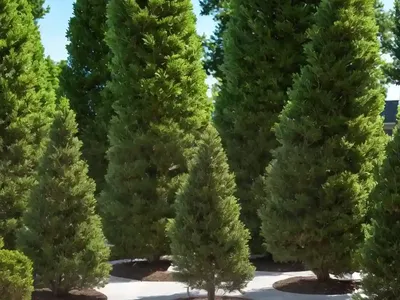
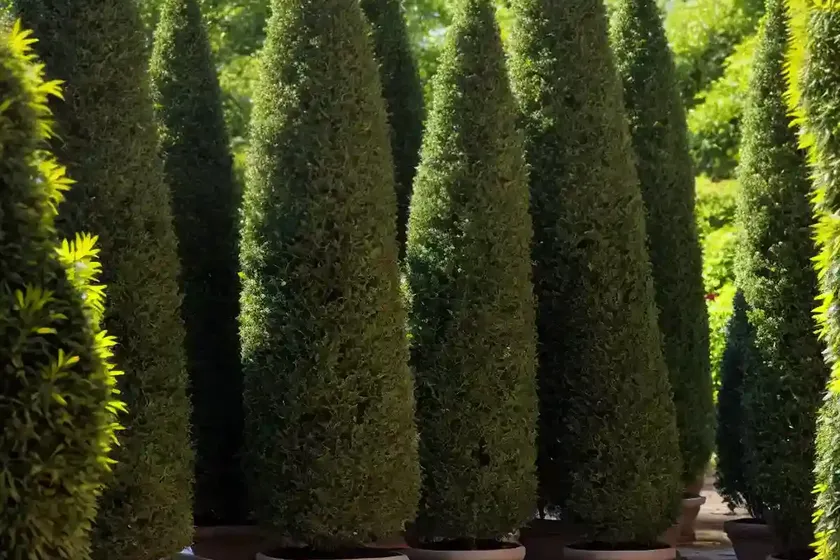
Chinese Arborvitae is a slow-growing, evergreen tree that can reach impressive heights of up to 100 feet (30 meters) in its natural habitat. The tree features scale-like, aromatic foliage that forms dense, horizontal branches, providing an elegant and symmetrical appearance. Its compact, conical shape makes it a popular choice for landscaping and ornamental purposes.
This remarkable tree has been cultivated and cherished for centuries, not only for its aesthetic appeal but also for its medicinal, cultural, and ecological significance.
Key Takeaways – Chinese Arborvitae (Platycladus Orientalis)
Before diving into the details of Chinese Arborvitae care and cultivation, let’s outline the key takeaways that we will explore throughout this comprehensive guide:
- Culture
- Uses
- Water
- Sunlight
- Fertilizer
- Soil
- Pruning
- Propagation
- Container Popularity
- Container Common Diseases
- Disease Diagnosis
- Common Pests
- Botanist’s Tips
- Fun Facts
- Links to External Resources
Now, let’s explore each of these aspects in detail to gain a deep understanding of Chinese Arborvitae and how to care for and cultivate it effectively.
Culture
The cultural significance of Chinese Arborvitae is deeply rooted in its historical uses, folklore, and traditional practices in various regions across Asia. From its revered status in traditional medicine to its symbolism in different cultures, this resilient tree has continued to play a significant role in the society and traditions of its native regions.
1. Historical Significance
Chinese Arborvitae holds a revered status in Chinese culture, where it is often associated with longevity, strength, and resilience. Its presence in traditional gardens, temples, and sacred spaces reflects its deep-rooted historical significance. The tree was also traditionally used for crafting essential oils and herbal remedies.
2. Cultural Significance
In addition to its traditional medicinal uses, Chinese Arborvitae is often featured in art, literature, and poetry, symbolizing enduring vitality and the cyclical nature of life. The tree’s elegant form and evergreen foliage have made it a beloved motif in traditional Chinese and Japanese gardens and landscapes.
3. Environmental Contribution
Beyond its cultural and historical significance, Chinese Arborvitae also plays a vital role in the environment. It provides essential habitat and food for various wildlife species, contributing to the overall biodiversity of its native ecosystems. Furthermore, its dense foliage and extensive root system help in preventing soil erosion and creating a favorable microclimate for other plants and organisms.
4. Traditional Uses
The wood of Chinese Arborvitae has been traditionally utilized in the construction of temples, shrines, and furniture due to its durability and resistance to decay. Additionally, the tree’s aromatic foliage has been used in incense and herbal preparations, adding to its cultural and practical value.
Uses
Chinese Arborvitae is valued for its diverse range of uses, spanning from ornamental landscaping to traditional medicine. Its versatility makes it an indispensable component of gardens, urban landscapes, and conservation efforts.
1. Ornamental Landscaping
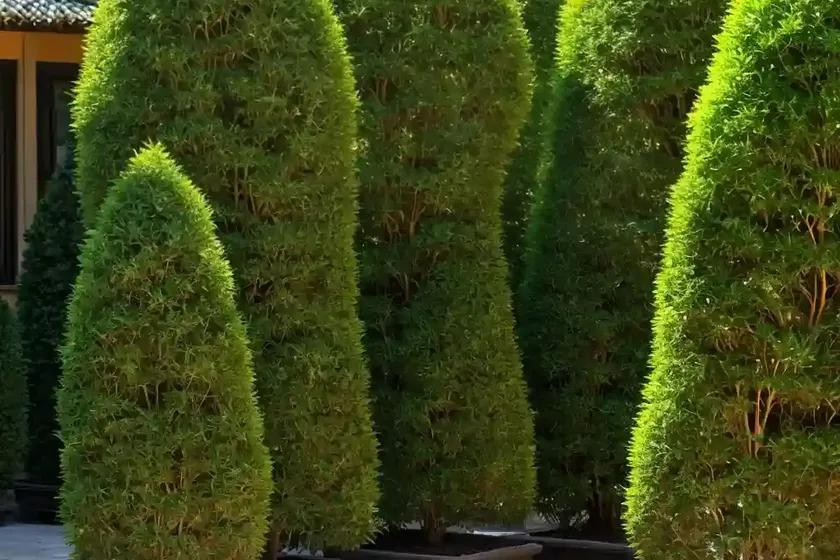
The elegant form and evergreen nature of Chinese Arborvitae make it a popular choice for ornamental landscaping in both residential and public spaces. Its compact, conical shape and attractive foliage provide year-round visual interest, serving as a focal point or as part of hedge and screening plantings.
2. Medicinal Purposes
The leaves and essential oil derived from Chinese Arborvitae have been used in traditional medicine for their purported health benefits. They are believed to possess antibacterial, antifungal, and antiseptic properties, making them valuable in the treatment of respiratory ailments, skin conditions, and stress-related symptoms.
3. Wildlife Habitat
The dense foliage and substantial structure of Chinese Arborvitae create a valuable habitat for various birds and small mammals. Its shelter and potential nesting sites contribute to the survival of local wildlife populations, particularly in urban and suburban environments.
4. Wood and Timber
The durable wood of Chinese Arborvitae has been historically used in construction and woodworking, owing to its resistance to rot and decay. While not as prevalent today, its timber has been utilized for crafting traditional furniture, wooden implements, and religious artifacts.
Water
Chinese Arborvitae has moderate water needs and thrives in well-drained soil. Adequate moisture is essential, especially during the establishment phase and in periods of extended drought.
1. Watering Schedule
- Establishment Phase: Newly planted Chinese Arborvitae should be watered regularly to ensure that the root system takes hold. This is particularly crucial during the first growing season.
- Mature Trees: Once established, Chinese Arborvitae typically requires regular watering, particularly during dry periods. Deep, infrequent watering is preferable to frequent, shallow irrigation, as it promotes the development of a robust root system.
2. Signs of Overwatering
Overwatering can lead to issues such as root rot and fungal diseases in Chinese Arborvitae. Signs of overwatering include yellowing or browning of foliage, wilting, and a waterlogged appearance of the soil. Monitor the moisture levels carefully and adjust watering practices as needed.
3. Drought Tolerance
While Chinese Arborvitae prefers moist, well-drained soil, it exhibits a degree of drought tolerance once established. However, prolonged periods of drought can stress the tree, leading to diminished growth and potential susceptibility to pests and diseases. Watering during dry spells is crucial for maintaining the health and vitality of the tree.
Sunlight
The sunlight requirements of Chinese Arborvitae are relatively moderate, with the tree thriving in both full sun and partial shade conditions. Proper exposure to sunlight is essential for the tree’s growth, foliage color, and overall vitality.
1. Sun Exposure
- Full Sun: Chinese Arborvitae performs well in full sun conditions, receiving at least 6-8 hours of direct sunlight per day. Adequate sunlight promotes dense foliage, vibrant green coloration, and robust growth.
- Partial Shade: While tolerant of partial shade, especially in hot climates, Chinese Arborvitae may exhibit slightly less vigorous growth and a less compact form compared to specimens grown in full sun.
2. Sunlight and Foliage Color
Proper sunlight exposure is crucial for maintaining the vibrant green color of Chinese Arborvitae’s foliage. Inadequate sunlight can result in pale, yellowing foliage and reduced overall vigor. Ensuring sufficient sunlight is essential for preserving the tree’s ornamental value.
3. Managing Sunlight Exposure
- Placement: When selecting a site for planting Chinese Arborvitae, consider the natural sunlight conditions and avoid areas with excessive shade from buildings or large trees.
- Shade Adaptation: While tolerant of partial shade, the tree may benefit from occasional pruning to maintain an open canopy and maximize sunlight penetration, particularly in densely shaded locations.
Fertilizer
Proper fertilization is essential for supporting the growth, health, and resilience of Chinese Arborvitae. Selecting the appropriate fertilizers and applying them at the right times can significantly enhance the tree’s vitality and ornamental appeal.
1. Nutritional Needs
Chinese Arborvitae has modest fertilizer requirements, benefitting from a balanced, slow-release fertilizer formulated for evergreen trees. The application of essential nutrients such as nitrogen, phosphorus, and potassium supports vigorous growth, dense foliage, and overall plant health.
2. Fertilizing Schedule
- Early Spring: Apply a slow-release, balanced fertilizer in early spring, just before the active growing season begins. A granular fertilizer with a formulation such as 10-10-10 or 12-6-6 is suitable for Chinese Arborvitae.
- Frequency: Repeat the fertilizer application annually or as indicated by soil tests and the tree’s overall growth and appearance. Avoid excessive fertilization, which can lead to nutrient imbalances and potential damage to the tree.
3. Application Tips
- Even Distribution: Apply the fertilizer evenly within the tree’s drip line to ensure that the nutrients are accessible to the entire root system.
- Watering After Application: After fertilizing, water the tree thoroughly to facilitate the absorption of nutrients into the soil and root zone.
Soil
Chinese Arborvitae thrives in well-drained, slightly acidic to neutral soils. Understanding the soil requirements and characteristics can aid in creating an optimal growing environment for the tree.
1. Soil Composition
- Well-Drained: Chinese Arborvitae prefers soil with good drainage to prevent waterlogging and root rot. Compacted or poorly drained soils can adversely impact the tree’s health and growth.
- pH Level: The ideal soil pH for Chinese Arborvitae ranges from slightly acidic (pH 6.0-6.5) to neutral (pH 6.5-7.0). Conduct a soil test to determine the existing pH and make necessary adjustments using lime or sulfur if required.
2. Soil Amendments
- Organic Matter: Incorporating organic amendments such as compost, peat moss, or well-rotted manure into the soil improves its structure, fertility, and moisture retention.
- Mulching: Applying a layer of organic mulch around the base of Chinese Arborvitae helps conserve soil moisture, suppresses weed growth, and provides a gradual release of nutrients as it decomposes.
3. Compaction Prevention
To prevent soil compaction around Chinese Arborvitae, particularly in urban settings, refrain from heavy foot traffic or mechanical compaction in the root zone. Mulching and aerating the soil can improve its structure and reduce compaction issues.
Pruning
Proper pruning is essential for shaping, managing size, and maintaining the health and aesthetics of Chinese Arborvitae. Understanding pruning techniques and timing is crucial for achieving desired outcomes while minimizing potential stress to the tree.
1. Timing
- Early Spring: Conduct major pruning and shaping of Chinese Arborvitae in early spring, just before the onset of new growth. This allows the tree to recover and allocate resources to budding and foliar development.
- Periodic Maintenance: Throughout the growing season, conduct light pruning as necessary to remove dead or diseased branches, maintain a tidy appearance, and manage the tree’s size and form.
2. Techniques
- Branch Removal: Use clean, sharp pruning tools to remove unwanted or obstructive branches. Make cuts just outside the branch collar to promote proper healing and minimize the risk of disease entry.
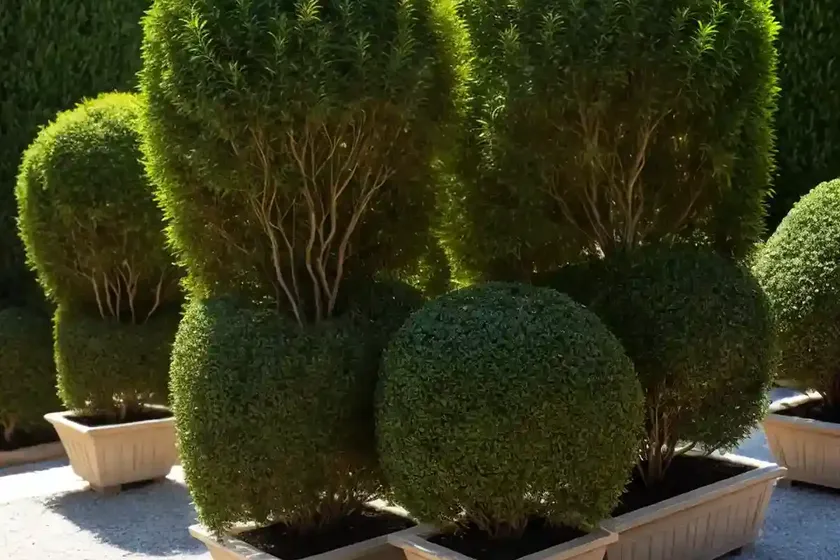
- Topiary and Form Pruning: Chinese Arborvitae lends itself well to topiary and formal pruning, allowing for creative sculpting and shaping to enhance its ornamental value.
3. Pruning Considerations
- Health Assessment: Prior to pruning, assess the overall health of the tree and identify any signs of disease, pest infestations, or damage requiring attention.
- Shape Precision: When shaping Chinese Arborvitae, maintain the natural form and structure of the tree while enhancing its aesthetics and functionality within the landscape.
Propagation
Propagation of Chinese Arborvitae can be achieved through various methods, including seeds, cuttings, and layering. Understanding these propagation techniques is valuable for conserving and propagating specific cultivars and varieties.
1. Seed Propagation
- Harvesting Seeds: Collect mature cones from the tree, allow them to dry, and extract the seeds for propagation. Stratify the seeds to simulate natural dormancy requirements before sowing.
2. Cutting Propagation
- Softwood Cuttings: Take softwood cuttings in early summer, selecting non-flowering, actively growing shoots. Treat the cuttings with rooting hormone and provide bottom heat and humidity to encourage root development.
3. Layering
- Air Layering: Encourage root development on a chosen branch by girdling a section of the stem, applying rooting hormone, and providing a moist, enclosed environment for root formation.
4. Propagation Success
Regardless of the method chosen, providing appropriate growing conditions, monitoring moisture levels, and shielding young plants from excessive heat and cold contribute to the success of propagating Chinese Arborvitae.
Container Popularity
Chinese Arborvitae’s tolerance for container cultivation makes it a popular choice for ornamental displays, urban greenery, and compact gardening spaces. Proper care and container selection are essential for ensuring the tree’s health and longevity in a confined environment.
1. Container Selection
- Size and Drainage: Choose a spacious, well-drained container with adequate depth to accommodate the tree’s root system. Ensure that the container has drainage holes to prevent waterlogging.
2. Soil and Fertilization
- Quality Potting Mix: Use a high-quality potting mix designed for container-grown trees, providing ample aeration, drainage, and essential nutrients. Fertilize Chinese Arborvitae in containers according to the specific needs of the tree and the growing medium.
3. Watering and Sunlight
- Water Management: Monitor the moisture levels in the container, adjusting the watering frequency as needed to prevent drought stress or waterlogged conditions.
- Sunlight Exposure: Place container-grown Chinese Arborvitae in a location that receives sufficient sunlight, ensuring that it has access to the light it requires for healthy growth.
Container Common Diseases
1. Root Rot
- Cause: Overwatering and waterlogging in containers can lead to root rot, caused by fungal pathogens that thrive in excessively moist conditions.
- Symptoms: Yellowing, wilting, and dieback of foliage, accompanied by a foul odor and dark, mushy roots.
- Prevention: Proper watering practices, well-draining soil, and keeping the container off the ground can help prevent root rot.
2. Powdery Mildew
- Cause: Powdery mildew is a fungal disease that flourishes in high humidity and poor air circulation within containers.
- Symptoms: Whitish, powdery patches on the foliage, stunted growth, and leaf distortion.
- Prevention: Promote good air circulation, avoid overhead watering, and consider fungicidal treatments if necessary.
3. Botrytis Blight
- Cause: Botrytis blight, or gray mold, is a fungal disease that thrives in damp, cool conditions and can affect container-grown plants.
- Symptoms: Grayish mold on foliage, flowers, or stems, leading to damping-off and decay.
- Prevention: Maintain proper air circulation, avoid overcrowding of containers, and promptly remove and dispose of infected plant parts.
Disease Diagnosis
Proper diagnosis and management of common plant diseases are essential for maintaining the health and vitality of container-grown Chinese Arborvitae.
1. Observation
- Foliage Changes: Monitor the color, texture, and overall appearance of the foliage for any signs of discoloration, wilting, or abnormal growth.
- Examine the Root Zone: Check the condition of the roots, observing for any rotting, discoloration, or foul odors that may indicate root diseases.
2. Consultation
- Local Experts: Seek guidance from local horticulturists, plant pathologists, or extension services to aid in disease identification and management strategies specific to the region.
- Diagnostic Tools: Utilize diagnostic tools such as plant disease guides, resources, and online platforms to assist in identifying and addressing potential diseases.
3. Management
- Cultural Practices: Implement proper watering, watering, and fertilization practices to promote plant health and reduce the risk of disease development.
- Disease-Specific Treatments: If a disease is identified, consider targeted treatments such as fungicides or biological controls, following the recommendations of plant health experts.
Common Pests
Container-grown Chinese Arborvitae may be susceptible to certain pests. Vigilant monitoring and appropriate management strategies can help minimize pest damage and maintain the health of the tree.
1. Spider Mites
- Identification: Look for tiny, webbing-producing pests on the undersides of the foliage. Spider mite infestations can lead to stippled, yellowing foliage and reduced vigor.
- Control: Introduce natural predators such as predatory mites or ladybugs, or use horticultural oils to smother and control spider mite populations.
2. Scale Insects
- Identification: Scale insects appear as small, immobile bumps on the stems and foliage of Chinese Arborvitae. They can cause leaf yellowing, wilting, and a decline in overall tree health.
- Control: Prune and dispose of heavily infested plant parts, and consider the application of horticultural oils or insecticidal soaps to manage scale populations.
3. Aphids
- Identification: Aphids are small, soft-bodied insects that feed on the sap of plants, leading to distorted growth, honeydew secretion, and sooty mold development.
- Control: Introduce natural predators such as ladybugs or lacewings, or apply insecticidal soaps to control aphid infestations effectively.
Botanist’s Tips
To ensure the successful cultivation and care of Chinese Arborvitae, consider the following botanist’s tips and recommendations:
- Soil Testing: Conduct periodic soil tests to assess nutrient levels, pH, and overall soil quality, allowing for targeted amendments as needed.
- Microclimate Considerations: Evaluate the specific microclimate conditions in your area, including temperature fluctuations, moisture levels, and sun exposure, to tailor your care practices accordingly.
- Integrated Pest Management: Implement an integrated pest management approach, focusing on preventive measures, cultural practices, and targeted treatments to manage pests and diseases effectively.
- Pollinator-Friendly Practices: Encourage pollinator activity and biodiversity by planting companion plants and creating favorable habitat conditions for beneficial insects and wildlife species.
- Educational Resources: Utilize reputable educational resources, botanical gardens, and horticultural organizations to stay informed about the latest research, trends, and advancements in plant care and cultivation.
Fun Facts
To further appreciate the unique qualities and significance of Chinese Arborvitae, consider these fascinating fun facts:
- Chinese Arborvitae is often associated with themes of longevity and prosperity in Chinese and Japanese culture, making it a cherished symbol in traditional gardens and landscape designs.
- The aromatic wood of Chinese Arborvitae was historically used in the crafting of chests and cabinets, prized for its durability