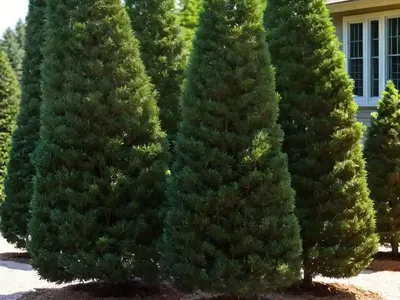
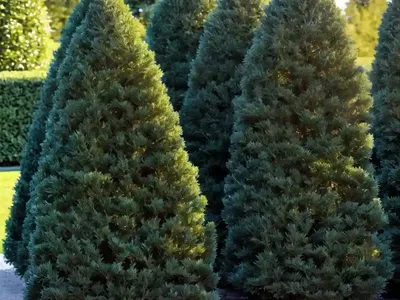
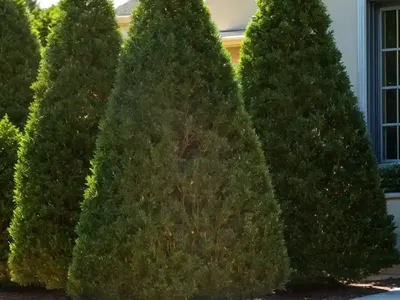
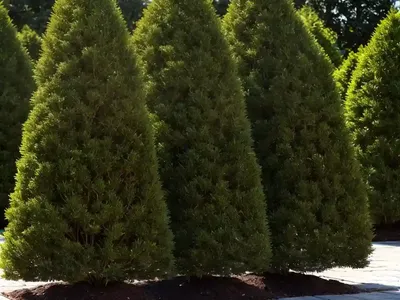
American Arborvitae (Thuja Occidentalis ‘Techny’)
What is American Arborvitae? The American arborvitae, known by its scientific name as Thuja occidentalis ‘Techny’, is a versatile and resilient evergreen.
What is American Arborvitae?
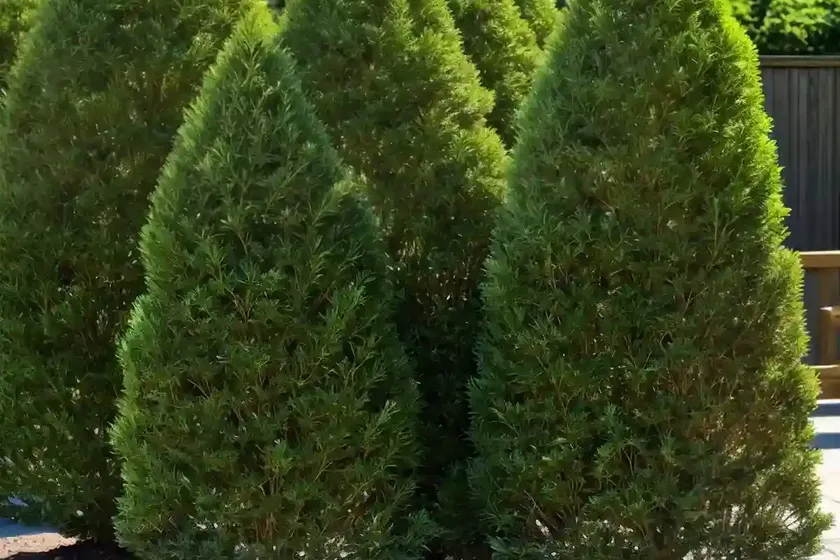
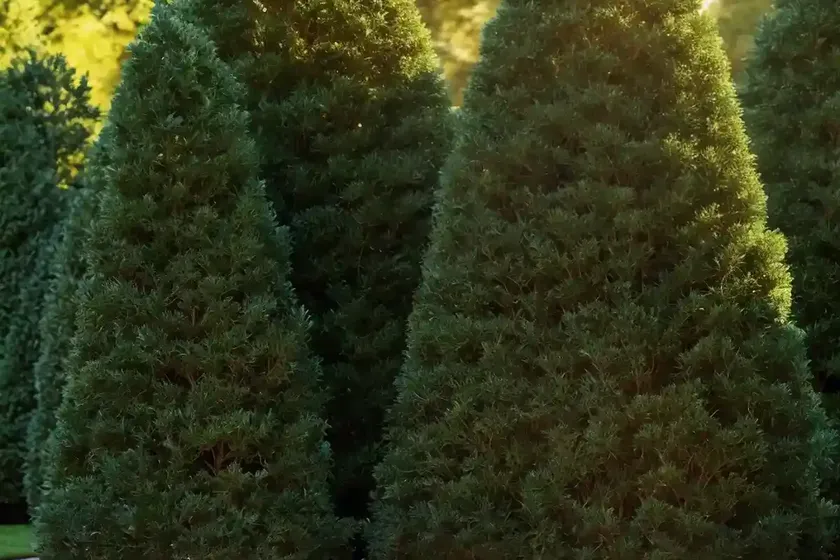
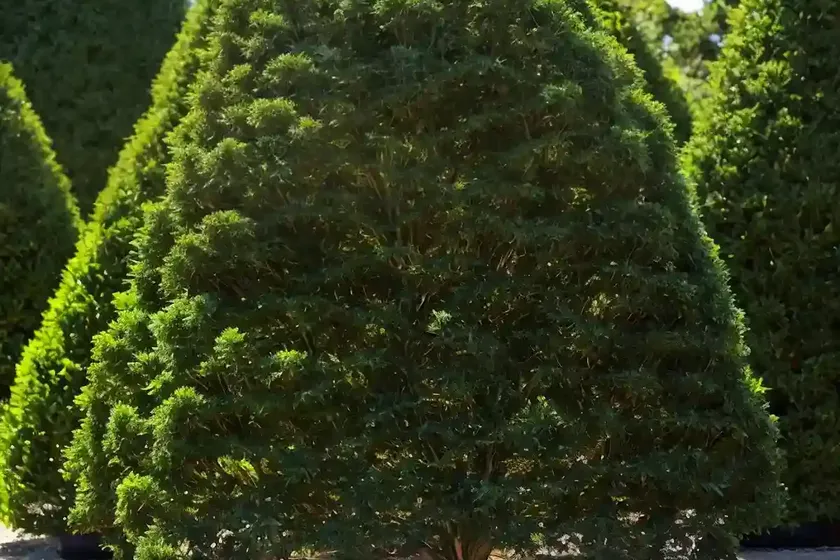
The American arborvitae, known by its scientific name as Thuja occidentalis ‘Techny’, is a versatile and resilient evergreen plant. Native to North America, it is a popular choice for landscaping due to its elegant shape, rich green foliage, and low maintenance requirements. The ‘Techny’ variety is particularly favored for its dense and compact growth habit, making it an excellent choice for hedges, privacy screens, and ornamental plantings.
Key Takeaways
- Scientific Name: Thuja occidentalis ‘Techny’
- Common Name: American Arborvitae
- Plant Type: Evergreen shrub
- Growth Rate: Moderate
- Mature Height: 10-15 feet
- Mature Spread: 4-6 feet
Culture
Water
The American arborvitae has moderate water needs, although it is essential to ensure proper hydration, especially during dry spells. Water newly planted arborvitae regularly to establish a strong root system. Mature trees are generally drought-tolerant once established, but they will benefit from occasional deep watering during prolonged periods of drought.
Sunlight
This evergreen shrub thrives in full sun to partial shade. While it can tolerate some shade, providing it with full sun exposure will promote dense and vigorous growth.
Fertilizer
American arborvitae benefits from regular fertilization to support healthy growth. Apply a balanced, slow-release fertilizer in early spring before new growth begins. Avoid excessive use of high-nitrogen fertilizers, as they can lead to overly lush growth, which may be more susceptible to winter damage.
Soil
These plants are adaptable to various soil types, but they prefer moist, well-drained soil. Ensure good drainage to prevent waterlogged soil, which can lead to root rot. A slightly acidic to neutral pH range is optimal for American arborvitae.
Pruning
Pruning Techniques
Pruning American arborvitae is essential to maintain its desired shape and size. Regular light pruning is recommended to promote dense growth and maintain a neat appearance. It’s best to avoid cutting back into old wood, as arborvitae may struggle to regenerate foliage from bare branches. Prune selectively to encourage branching and maintain the natural form of the tree.
Pruning Timing
The best time to prune American arborvitae is in the late winter or early spring before new growth emerges. Avoid pruning in late summer or early fall, as this can stimulate new growth that may not harden off before winter, increasing the risk of cold damage.
Propagation
Propagation Methods
American arborvitae can be propagated through several methods, including:
– Cuttings: Take semi-hardwood cuttings in late spring or early summer and root them in a well-draining medium.
– Layering: Encourage the lower branches of a mature plant to touch the soil and root, then detach and replant the rooted section.
– Seeds: Collect seeds from the cones in fall and sow them in a prepared seedbed.
Propagation success may vary depending on the method and environmental conditions, but with proper care, it is possible to reproduce these trees effectively.
Container Popularity
American arborvitae is well-suited for container growing, especially dwarf and compact varieties. Container-grown arborvitae can be used to create beautiful accents on patios, decks, and in small urban spaces. When choosing a container, ensure it has sufficient drainage holes to prevent waterlogging. Use a well-draining potting mix designed for woody plants and monitor moisture levels regularly, as containers can dry out more quickly than garden soil.
Common Diseases
Disease Diagnosis
American arborvitae is susceptible to certain diseases, including:
– Cedar Apple Rust: Identified by orange powdery spots on the foliage.
– Kabatina Tip Blight: Characterized by browning and dieback of branch tips.
– Phomopsis Blight: Exhibited through browning and drying of the foliage.
Early detection and proper disease diagnosis are crucial for effective management and control. If you notice any signs of disease, promptly consult with a plant health specialist to implement appropriate measures.
Common Pests
American arborvitae may encounter specific pests, such as:
– Bagworms: Infestations can defoliate the plant if not addressed promptly.
– Spider Mites: These tiny pests can cause stippling and discoloration of the foliage.
– Arborvitae Weevils: Feeding damage can lead to distorted and browning foliage.
Regular monitoring and timely intervention are essential to prevent pest populations from becoming established and causing significant damage to the plants.
Botanist’s Tips
- When planting American arborvitae, allow adequate spacing between individual plants to promote proper air circulation, especially in humid climates, to reduce the risk of fungal diseases.
- Consider interplanting with deer-resistant species to help deter browsing damage, as American arborvitae is generally unpalatable to deer.
- Mulch around the base of the plant to conserve soil moisture and regulate temperature fluctuations.
Fun Facts
- The name “arborvitae” is derived from the Latin words “arbor” and “vitae,” which translates to “tree of life,” reflecting the historical medicinal use of the plant by Indigenous peoples.
- American arborvitae wood was traditionally used by Native American tribes for crafting various items, including canoes, baskets, and medicinal tools.
Links to External Resources
For more in-depth information and insights on American arborvitae, explore the following resources:
-
Rutgers University: Plant of the Week – Thuja occidentalis ‘Techny’
-
University of Florida IFAS Extension: Arborvitae Growing in the Florida Landscape
-
University of California Statewide Integrated Pest Management Program: Spider Mites
-
North Carolina State University Extension: Phomopsis Blight on Conifers
By diving into these resources, plant enthusiasts can enhance their understanding of American arborvitae and gain valuable insights into its care, cultivation, and potential challenges.