Viola sororia (Common Blue Violet): A Comprehensive Guide
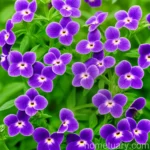
Viola sororia, commonly known as the Common Blue Violet, is a charming perennial plant that belongs to the viola family. It is native to the woodlands, meadows, and prairies of Eastern North America. With its delicate blue-violet flowers and heart-shaped leaves, this plant is a favorite among gardeners and herbalists alike. In this comprehensive guide, we will delve into the characteristics of Viola sororia, its cultural requirements, uses, propagation, and much more.
What is Viola sororia?
Viola sororia, commonly referred to as the Common Blue Violet, is a perennial herbaceous plant that belongs to the Violaceae family. It is characterized by its heart-shaped leaves and delicate blue-violet flowers. This plant is native to Eastern North America, where it can be found in a variety of habitats including woodlands, meadows, and along stream banks.
Key Takeaways – Viola sororia (Common Blue Violet)
Before we delve into the details of Viola sororia, let’s take a quick look at the key takeaways:
- Plant Name: Viola sororia (Common Blue Violet)
- Common Names: Common Blue Violet, Wood Violet
- Family: Violaceae
- Native Habitat: Eastern North America
- Flower Color: Blue-violet
- Leaf Shape: Heart-shaped
- Growth Habit: Perennial
- Uses: Ornamental, Medicinal
- Cultural Requirements: Shade tolerant, Moist soil
Now that we have an overview of Viola sororia, let’s explore its cultural requirements and how to care for this beautiful plant.
Culture
Water
The Common Blue Violet thrives in moist, well-drained soil. It is important to keep the soil consistently moist, especially during the plant’s active growth and flowering periods. Regular watering is essential, particularly during dry spells, to ensure that the soil remains evenly moist.
Sunlight
Viola sororia is a shade-tolerant plant and thrives in partial to full shade. It can also withstand dappled sunlight, making it an ideal choice for woodland gardens or shaded borders. In warmer climates, providing the plant with some protection from the hot afternoon sun is beneficial to prevent leaf scorch.
Fertilizer
When it comes to fertilizing Viola sororia, a balanced, all-purpose fertilizer can be applied in early spring as the plant begins to emerge from its dormancy. An organic, slow-release fertilizer can also be used to provide a steady supply of nutrients. It is essential not to over-fertilize as excessive nutrients can lead to lush foliage at the expense of flowers.
Soil
The Common Blue Violet prefers rich, well-drained soil with a slightly acidic to neutral pH. Amending the soil with organic matter such as compost or well-rotted manure can improve its texture and fertility. This plant can also grow in clay soil as long as it is not waterlogged.
Pruning
Viola sororia is a low-maintenance plant and does not require extensive pruning. However, removing spent flowers, known as deadheading, can prolong the flowering period and prevent self-seeding. Additionally, it is advisable to trim back any yellowing or damaged foliage to maintain the plant’s overall appearance.
Propagation
Division
Viola sororia can be propagated through division, which is best done in early spring or early fall. Carefully lift the plant and divide the rhizomes, ensuring that each division has a healthy root system and a few shoots. Replant the divisions at the same depth as the parent plant, water them well, and provide suitable growing conditions.
Seeds
The Common Blue Violet also readily self-seeds, producing small seed pods that burst open, scattering the seeds in the surrounding area. To propagate Viola sororia from seeds, collect the ripe seed pods and sow the seeds in a prepared seedbed. Keep the soil consistently moist, and the seeds should germinate within a few weeks.
Container Popularity
Viola sororia is a popular choice for container gardening, especially when it comes to adding color and interest to shaded or partially shaded areas. The plant’s compact growth habit and lovely flowers make it well-suited for container plantings on patios, balconies, and in shaded garden spaces.
Container Common Diseases
When grown in containers, Viola sororia may be susceptible to certain diseases, although with proper care, these can be minimized.
Disease Diagnosis
Some common diseases that can affect Viola sororia when grown in containers include:
- Powdery Mildew: This fungal disease can appear as a powdery white coating on the leaves, often caused by poor air circulation and high humidity.
- Botrytis Blight: Also known as gray mold, this fungal disease can cause the plant’s leaves and flowers to rot, especially under high humidity conditions.
- Root Rot: Overwatering and poor drainage can lead to root rot, which presents as discolored, mushy roots and wilting foliage.
Common Pests
Despite its hardy nature, Viola sororia can occasionally fall victim to a few common garden pests. By keeping an eye out for these pests and taking appropriate measures, it is possible to minimize their impact on the plant.
Botanist’s Tips
Here are some botanist-approved tips for controlling common pests on Viola sororia:
- Aphids: Rinse the plant with a strong jet of water to dislodge aphids from the foliage.
- Slugs and Snails: Apply organic slug and snail bait around the base of the plant to deter these pests.
- Spider Mites: Introduce predatory mites to control spider mite populations, or use a targeted insecticidal soap application.
Fun Facts
- Viola sororia is the state flower of Illinois, New Jersey, Rhode Island, and Wisconsin.
- The flowers of Viola sororia are edible and can be used to add a colorful, decorative touch to salads and desserts.
- In traditional herbal medicine, various parts of Viola sororia are utilized for their purported medicinal properties, including as a treatment for coughs and sore throats.
Now that we have explored the cultural requirements, propagation, and common pests and diseases of Viola sororia, let’s take a closer look at its uses and some fascinating aspects of this charming plant.
Links to External Resources
For additional information on Viola sororia and related topics, the following external resources may be of interest:
- Native Plant Trust – Viola sororia
- USDA Plants Database – Viola sororia
- Missouri Botanical Garden – Viola sororia
- Illinois Wildflowers – Viola sororia
- North Carolina Extension Gardener Plant Toolbox – Viola sororia
- University of Florida IFAS Extension – Viola sororia fact sheet
In conclusion, Viola sororia (Common Blue Violet) is a delightful plant with a rich history, cultural significance, and a multitude of uses. Whether adorning woodland gardens, containers, or serving as a source of inspiration for herbal remedies, this captivating plant continues to captivate gardeners and plant enthusiasts alike. By understanding its growth habits, cultural requirements, and potential uses, we can appreciate and cultivate Viola sororia in our own natural spaces, be that for its intrinsic beauty or for its potential medicinal and ecological contributions.