Viola canadensis (Canadian Violet): A Charming Wildflower of Canada
Canada is home to a diverse range of beautiful wildflowers, and among them is the enchanting Viola canadensis, commonly known as the Canadian Violet. This delicate perennial plant, with its vibrant purple blooms, has captured the hearts of many gardeners and nature enthusiasts. In this comprehensive guide, we will delve into the various aspects of Viola canadensis, from its ecological significance to its horticultural uses, folklore, and more.
What is Viola canadensis?
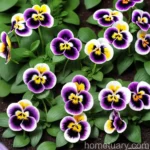
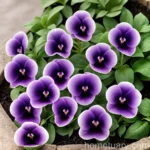
Viola canadensis, a member of the Violaceae family, is a herbaceous perennial native to Eastern North America. It is characterized by its heart-shaped leaves and dainty, five-petaled violet flowers that bloom in early spring. As a native wildflower in Canada, it thrives in woodland areas, moist meadows, and along stream banks. Its petite size and profusion of blooms make it a delightful addition to naturalistic landscapes and woodland gardens.
Key Takeaways – Viola canadensis
Before we delve into the intricacies of growing and caring for Canadian Violet, let’s overview the key takeaways that we will explore in detail:
- Characteristics of Viola canadensis
- Cultural Requirements
- Water
- Sunlight
- Fertilizer
- Soil
- Pruning
- Propagation
- Container Cultivation
- Popularity and Landscape Uses
- Common Diseases and Pests
- Botanist’s Tips
- Fun Facts
- Links to External Resources
Characteristics of Viola canadensis
Viola canadensis possesses several distinct characteristics that make it a beloved native wildflower in Canada. Understanding its fundamental traits is crucial for successfully cultivating and appreciating this exquisite plant.
- Common Name: Canadian Violet
- Scientific Name: Viola canadensis
- Family: Violaceae
- Habit: Herbaceous perennial
- Foliage: Heart-shaped leaves with serrated edges
- Flowers: Delicate, purple-violet blooms with a distinct fragrance
- Blooming Period: Early spring to early summer
- Habitat: Woodland areas, moist meadows, and stream banks
- Ecological Importance: Provides nectar for pollinators and serves as a food source for native wildlife
- Cultural Uses: Ornamental gardening and ecological restoration
- Folklore and Symbolism: Associated with themes of modesty, faithfulness, and remembrance
Cultural Requirements
Water
Proper watering is essential for ensuring the health and vigor of Viola canadensis. As a plant naturally found in moist habitats, it thrives in consistently moist, well-drained soil. During dry periods, it is crucial to provide supplemental irrigation, especially for plants grown in garden settings.
Viola canadensis Watering Guidelines:
- Natural Habitat: Thrives in moist environments, such as woodland edges and stream banks.
- Garden Cultivation: Requires regular watering, particularly during dry spells. Avoid overwatering, as it can lead to root rot.
Sunlight
Canadian Violet exhibits a preference for partial shade to full shade, mimicking its native woodland habitat. While it can tolerate dappled sunlight, it generally thrives in locations with filtered light and minimal direct sun exposure.
Viola canadensis Sunlight Requirements:
- Native Environment: Grows in shaded woodland areas and along the edges of forests.
- Garden Placement: Ideal for shaded gardens, woodland landscapes, and under the canopy of trees.
Fertilizer
In garden settings, Viola canadensis benefits from a light application of balanced fertilizer in early spring to support healthy growth and abundant flowering. However, it is important not to over-fertilize, as this can result in excessive foliage growth at the expense of flower production.
Viola canadensis Fertilization Guidelines:
- Timing: Apply a balanced, slow-release fertilizer in early spring before the onset of flowering.
- Quantity: Use a conservative amount to avoid promoting excessive vegetative growth.
Soil
Understanding the soil preferences of Viola canadensis is crucial for creating an optimal growing environment. It thrives in rich, well-draining soil with good moisture retention, mirroring the conditions of its native woodland habitats.
Viola canadensis Soil Preferences:
- Composition: Rich, humusy soil with good moisture retention.
- pH Level: Slightly acidic to neutral soil pH.
- Drainage: Well-drained soil to prevent waterlogging.
Pruning
Pruning plays a vital role in maintaining the health and appearance of Viola canadensis. Regular deadheading of spent blooms not only encourages continued flowering but also prevents self-seeding, which can sometimes lead to overly aggressive colonization of the garden.
Pruning Guidelines for Viola canadensis:
- Deadheading: Remove spent flowers to promote continuous blooming and prevent self-seeding.
- Spring Cleanup: Trim back any damaged or yellowing foliage in early spring to encourage fresh growth.
Propagation
The propagation of Viola canadensis can be achieved through various methods, including division, seed sowing, and natural self-seeding. Understanding these propagation techniques is valuable for expanding the presence of this charming wildflower in the garden.
Methods of Propagating Viola canadensis:
- Division: Divide established clumps in early spring or fall to create new plants.
- Seed Sowing: Collect seeds after flowering and sow them in prepared soil for natural germination.
- Self-Seeding: Allow the plant to self-seed and establish new colonies in suitable areas of the garden.
Container Cultivation
While Viola canadensis is primarily known for its role in naturalistic landscapes and woodland gardens, it can also be successfully cultivated in containers. This presents an opportunity for urban gardeners and those with limited outdoor space to enjoy the beauty of Canadian Violet.
Cultivating Viola canadensis in Containers:
- Container Selection: Choose a medium-sized container with adequate drainage holes.
- Potting Mix: Use a high-quality, well-draining potting mix with added organic matter.
- Placement: Position the container in a shaded or partially shaded area, such as a balcony or patio.
- Watering: Ensure consistent moisture levels, as containers can dry out more quickly than garden beds.
Popularity and Landscape Uses
Viola canadensis is renowned for its ornamental value and ecological significance. It serves multiple purposes in both natural and designed landscapes, adding a touch of elegance and supporting local biodiversity.
Popularity and Uses of Viola canadensis in Landscaping:
- Woodland Gardens: Adds a naturalistic charm to shaded garden areas with its delicate blooms and heart-shaped foliage.
- Ecological Restoration: Used in habitat restoration projects to reintroduce native plant species and support local wildlife.
- Shade Gardens: Thrives in areas with reduced sunlight, making it an ideal choice for shaded and woodland-inspired landscapes.
- Rock Gardens: Suitable for planting in rockeries and crevices in shaded areas, where it can naturalize and create a woodland ambience.
Common Diseases and Pests
Like many plants, Viola canadensis is susceptible to certain diseases and pests that can impact its overall health and appearance. Understanding these potential issues is crucial for prompt diagnosis and effective management.
Disease Diagnosis
Common Diseases Affecting Viola canadensis:
- Powdery Mildew: Characterized by a powdery white coating on the foliage, often due to poor air circulation and high humidity levels.
- Root Rot: Caused by fungal pathogens in waterlogged or poorly draining soil, leading to wilting and decline of the plant.
- Leaf Spot: Manifests as dark or discolored spots on the foliage, impacting the plant’s overall aesthetic appeal.
Common Pests
Pests Affecting Viola canadensis:
- Aphids: Small, sap-sucking insects that can distort new growth and excrete a sticky substance known as honeydew.
- Slugs and Snails: Feed on the foliage and flowers, leaving characteristic holes and slime trails.
- Spider Mites: Tiny arachnids that can cause stippling and discoloration of the leaves, especially in hot, dry conditions.
Botanist’s Tips
As a botanist or plant enthusiast, there are several tips and insights that can enhance the appreciation and cultivation of Viola canadensis.
Botanist’s Recommendations for Growing Viola canadensis:
- Native Plant Landscaping: Incorporate Viola canadensis into native plant landscaping schemes to support local biodiversity and create ecologically resilient gardens.
- Companion Planting: Pair with spring-blooming woodland ephemerals, such as Trillium and Bloodroot, for an enchanting woodland display.
- Conservation: Support the conservation of native wildflowers and their natural habitats by promoting the use of Viola canadensis in garden settings.
Fun Facts
Let’s explore some intriguing and lesser-known facts about Viola canadensis that showcase its uniqueness and cultural significance.
Fascinating Tidbits About Canadian Violet:
- Symbolism: Canadian Violet is associated with modesty, faithfulness, and remembrance in various cultural traditions.
- Medicinal Uses: Historically, certain Indigenous groups utilized the roots and leaves of Viola canadensis for their purported medicinal properties.
- Ecological Importance: Serves as a valuable nectar source for early spring pollinators, including bees and butterflies.
Links to External Resources
Continue your exploration of Viola canadensis with these valuable external resources:
- Canadian Violet – Ontario Wildflowers
- Native Plant Database – Viola canadensis
- Wildflowers of Canada – Canadian Museum of Nature
In conclusion, Viola canadensis, the Canadian Violet, stands as a testament to the floral beauty and ecological richness of Canada’s natural landscapes. Whether adorning shaded woodland gardens or contributing to conservation efforts, this charming wildflower continues to captivate and inspire all who encounter it.
NLP Keywords: Canadian Violet, Viola canadensis, Wildflowers in Canada, Native plants of Canada, Violet species in Canada, Canadian wildflower species, Characteristics of Viola canadensis, Growing Canadian Violet, Viola canadensis cultivation, Canadian Violet flower, Viola canadensis care, Canadian Violet plants, Viola canadensis gardening tips, Canadian Violet in the garden, Viola canadensis planting guide, Canadian Violet medicinal uses, Viola canadensis folklore, Canadian Violet symbolism, Viola canadensis habitat, Canadian Violet distribution, Viola canadensis natural habitat, Canadian wild violet, Viola canadensis characteristics, Canadian Violet varieties, Viola canadensis blooming period, Canadian Violet perennial, Viola canadensis medicinal properties, Canadian Violet edibility, Viola canadensis folklore beliefs, Canadian Violet in landscaping, Viola canadensis ornamental value, Canadian Violet ecological importance, Viola canadensis pollinators, Canadian Violet conservation, Viola canadensis native range, Canadian Violet in folklore and mythology, Viola canadensis traditional uses, Canadian Violet culinary uses, Viola canadensis herbal remedies, Canadian Violet natural dyes, Viola canadensis flower arrangements, Canadian Violet photography, Viola canadensis in the wild, Canadian Violet seeds, Viola canadensis seed propagation, Canadian Violet garden design, Viola canadensis landscape uses, Canadian Violet as ground cover, Viola canadensis for pollinator gardens, Canadian Violet as a shade plant.