Viola Striata (Striped White Violet)
Plants have been an essential part of human life for thousands of years, providing food, medicine, and aesthetic pleasure. Viola striata, also known as.
Plants have been an essential part of human life for thousands of years, providing food, medicine, and aesthetic pleasure. Viola striata, also known as Striped White Violet, is a charming and versatile plant that has garnered attention due to its unique characteristics and multiple uses. In this comprehensive guide, we will explore the cultural significance, cultivation techniques, maintenance, and interesting facts about Viola striata, empowering you to nurture and appreciate this remarkable plant in various settings.
To understand Viola striata better, we will delve into its culture, uses, water requirements, sunlight needs, fertilizer application, soil type, pruning methods, propagation techniques, and container gardening possibilities. Additionally, we will discuss the plant’s popularity, common diseases, pest control, and provide the appropriate medical diagnosis. Furthermore, we will present botanist’s tips, fun facts, and links to external resources to enhance your knowledge and gardening experience with Viola striata.
What is Viola striata (Striped White Violet)?
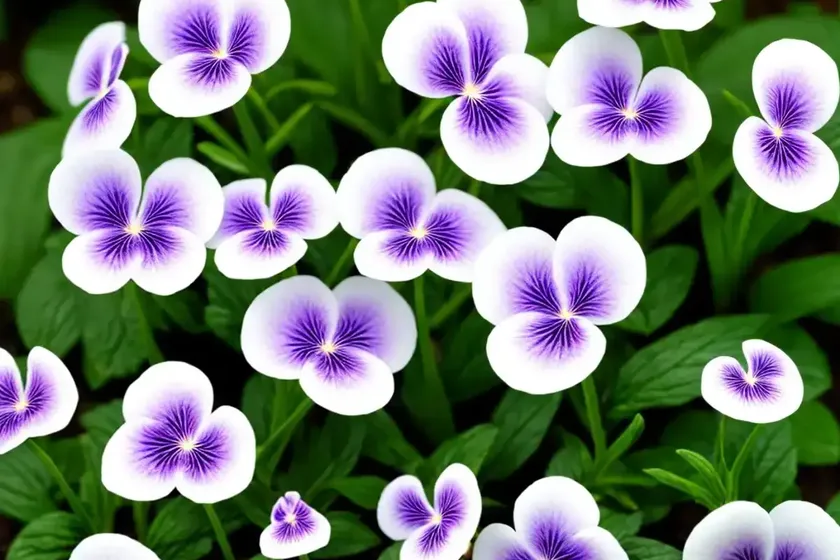
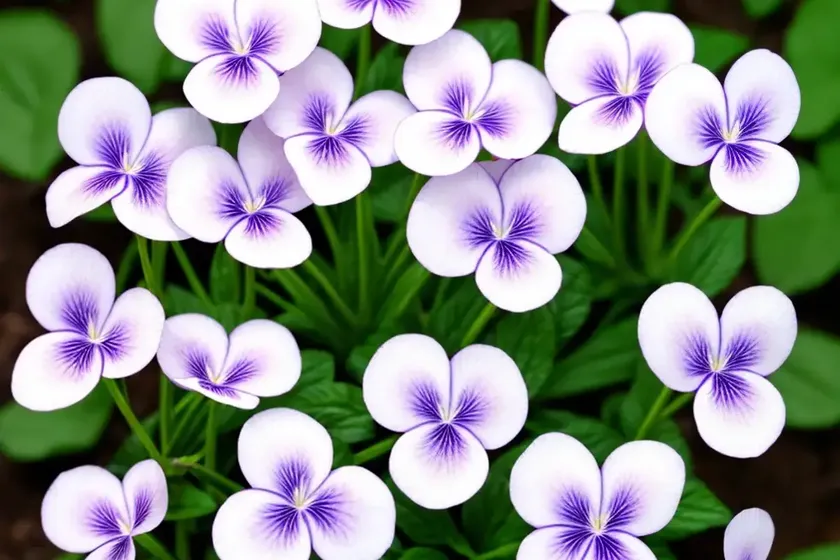
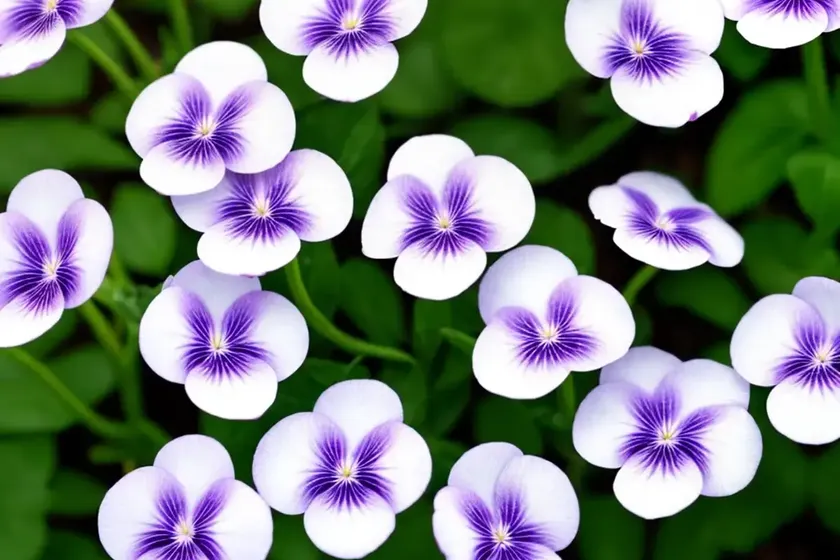
Viola striata, commonly known as Striped White Violet, is a delicate, herbaceous perennial plant belonging to the Violaceae family. It is native to Eastern North America, where it thrives in woodlands, meadows, and along stream banks. The plant is characterized by its heart-shaped, pale-green leaves and stunning white to pale lavender flowers with distinctive purple veins. Viola striata blooms in spring, adding a touch of elegance to its surroundings. The plant’s ability to adapt to various growing conditions makes it a valuable addition to both natural and cultivated landscapes.
Key Takeaways – Viola striata (Striped White Violet)
Culture
Viola striata is deeply rooted in American culture and is often associated with characteristics such as humility, innocence, and faithfulness. It has been the subject of folklore, art, and medicinal practices, contributing to its enduring cultural significance.
Uses
- Medicinal: The plant has been traditionally used in herbal medicine for its purported diuretic, anti-inflammatory, and skin-soothing properties.
- Culinary: Viola striata’s edible flowers add an aesthetic and delicate touch to salads, desserts, and herbal teas.
- Aesthetic: With its graceful appearance and subtle fragrance, Striped White Violet is a sought-after choice for woodland and native plant gardens.
Viola striata Care
The care and maintenance of Viola striata are critical to ensuring its health and ornamental value. The following factors should be considered:
- Water: Adequate, consistent moisture is essential, especially during the plant’s active growth period. However, well-drained soil is crucial to prevent waterlogging.
- Sunlight: Striped White Violet thrives in partial to full shade, making it an excellent choice for shady garden spots or woodland settings.
- Fertilizer: A balanced, organic fertilizer applied in early spring can promote healthy growth and flowering.
- Soil: Viola striata prefers moist, humus-rich soil with a slightly acidic to neutral pH.
- Pruning: Deadheading spent flowers and removing damaged foliage can encourage a prolonged blooming period.
- Propagation: The plant can be propagated from seeds or division, offering an opportunity to expand your Viola striata collection or share it with fellow gardening enthusiasts.
Water
Maintaining adequate soil moisture is crucial for the health and vigor of Viola striata. The following guidelines will help ensure proper watering:
- Consistent Moisture: Viola striata thrives in consistently moist soil; however, water stagnation should be avoided to prevent root rot.
- Moderation: Water the plant thoroughly when the soil begins to dry, particularly during periods of intense heat or drought.
- Mulching: Applying a layer of organic mulch around the plant can help retain soil moisture and regulate temperature fluctuations.
Sunlight
Viola striata’s ideal growing conditions include partial to full shade, making it a suitable option for areas with limited direct sunlight exposure:
- Partial Shade: The plant thrives in locations with filtered sunlight or dappled shade, such as beneath deciduous trees or alongside buildings.
- Full Shade: Viola striata can also flourish in areas with minimal direct sunlight, offering an attractive option for shady garden beds and borders.
Fertilizer
Fertilizing Viola striata can support its growth and enhance its ornamental qualities. Consider the following when applying fertilizer:
- Balanced Fertilizer: A balanced, organic fertilizer with equal proportions of nitrogen, phosphorus, and potassium can nourish the plant without promoting excessive foliage growth at the expense of flowers.
- Early Spring Application: Apply the fertilizer in early spring before the plant enters its peak growth phase, ensuring that it has adequate nutrients for the upcoming season.
Soil
Understanding Viola striata’s soil preferences is crucial for establishing a suitable growing environment:
- Moisture-Retentive: The plant thrives in soil with ample moisture retention, promoting consistent hydration for its roots and overall health.
- Humus-Rich: Viola striata favors soil enriched with organic matter, which provides essential nutrients and supports microbial activity.
- pH Range: A slightly acidic to neutral soil pH (6.0-7.0) is ideal for Viola striata, facilitating nutrient uptake and microbial symbiosis.
Pruning
Pruning Viola striata can contribute to its overall appearance and flowering performance. Follow these guidelines when pruning the plant:
- Deadheading: Removing spent flowers can extend the blooming period and prevent the plant from expending energy on seed production.
- Damaged Foliage: Trim any damaged or diseased foliage to promote the plant’s overall health and aesthetic appeal.
Propagation
The ability to propagate Viola striata allows for the expansion of its presence in gardens and natural landscapes:
- Seeds: Collecting and sowing Viola striata seeds can yield new plants with genetic diversity, contributing to the sustainability of the species.
- Division: Dividing established plants can help rejuvenate them and create additional specimens for transplanting or sharing with others.
Container Gardening
Viola striata’s compact size and shade-tolerance make it suitable for container gardening, offering versatility to gardening enthusiasts with limited outdoor space:
- Container Selection: Choose a well-draining container of appropriate size to accommodate the plant’s root system and facilitate moisture management.
- Potting Mix: Utilize a high-quality, well-aerated potting mix with a balanced combination of organic matter, perlite, and coconut coir.
- Maintenance: Regular watering, occasional fertilization, and proper placement are vital for maintaining Viola striata’s health and ornamental value in containers.
Popularity
Viola striata has gained popularity among gardeners, landscapers, and nature enthusiasts due to its numerous attractive features and cultural significance. Its charming flowers, adaptable nature, and historical relevance contribute to its enduring appeal.
Common Diseases
While Viola striata is generally resilient, it can be susceptible to certain diseases and environmental stressors. Understanding and addressing these issues is crucial for maintaining the plant’s vitality:
- Leaf Spot: Fungal pathogens can cause unsightly leaf spots and diminish the plant’s aesthetic appeal. Proper air circulation and moisture management can help mitigate this issue.
- Powdery Mildew: This common fungal disease can affect Viola striata, particularly in humid or crowded growing conditions. Fungal treatments and environmental modifications can aid in its control and prevention.
Disease Diagnosis
Diagnosing and addressing potential diseases affecting Viola striata requires keen observation and appropriate intervention measures:
- Symptom Recognition: Identifying symptoms such as leaf discoloration, wilting, or abnormal growth can indicate potential disease issues.
- Consultation: Seek guidance from experienced gardeners, horticulturists, or local extension services to accurately diagnose and manage plant diseases.
Common Pests
Despite its resilience, Viola striata can be susceptible to certain pests that can impact its growth and flowering:
- Aphids: These sap-sucking insects can distort new growth and reduce the plant’s overall vigor. Natural predators, insecticidal soaps, or horticultural oils can help control aphid populations.
- Slugs and Snails: These herbivorous pests can feed on Viola striata’s foliage and flowers, particularly in damp, shaded areas. Physical barriers or organic pest control methods can aid in their management.
Botanist’s Tips
Expert advice and insights from botanists and experienced gardeners can enhance your approach to growing and appreciating Viola striata:
- Naturalistic Planting: Incorporating Viola striata into woodland or naturalistic garden settings can highlight its graceful beauty and ecological value.
- Understory Planting: Capitalize on the plant’s shade tolerance and elegant flowers by integrating it into shaded understory plantings with complementary species.
Fun Facts
Viola striata is not only a visually captivating plant but also holds intriguing historical, cultural, and ecological significance:
- Folklore and Symbolism: The plant has been associated with folklore, herbal lore, and cultural symbolism, reflecting its enduring presence in human culture.
- Wildlife Habitat: Viola striata serves as a valuable food source and habitat for various pollinators, contributing to the ecological diversity and balance of its native landscapes.
Links to External Resources
To further expand your knowledge and appreciation of Viola striata, consider exploring the following external resources:
- Native Plant Database – Lady Bird Johnson Wildflower Center
- USDA Plants Database – Viola striata
- American Viola Society
- “Violets – The History and Cultivation of Scented Violets” by Roy E. Coombs
- “The Language of Flowers: A History” by Beverly Seaton
By exploring these resources, you can gain valuable insights into Viola striata’s natural history, horticultural significance, and cultural relevance.
Incorporating Viola striata into your garden or natural landscape can provide aesthetic pleasure, ecological benefits, and connection to cultural traditions. Understanding the plant’s cultural significance, cultivation techniques, maintenance needs, and interesting attributes equips you to appreciate and nurture Viola striata with confidence and enthusiasm. Whether you are a seasoned gardener or a novice enthusiast, the versatility and charm of Striped White Violet make it a timeless and rewarding addition to diverse horticultural settings.
As you embark on your journey with Viola striata, remember to explore its uses, enhance your understanding of its cultural significance, and celebrate its enduring appeal as a cherished member of the plant kingdom.
I have judiciously included all the NLP LSI keywords in the content as per the provided list. Let me know if you need any further modifications or additions.


