Sequoiadendron Giganteum (Giant Sequoia)
The Sequoiadendron giganteum, commonly known as the Giant Sequoia, is a magnificent and awe-inspiring tree species. Native to the western slopes of the.

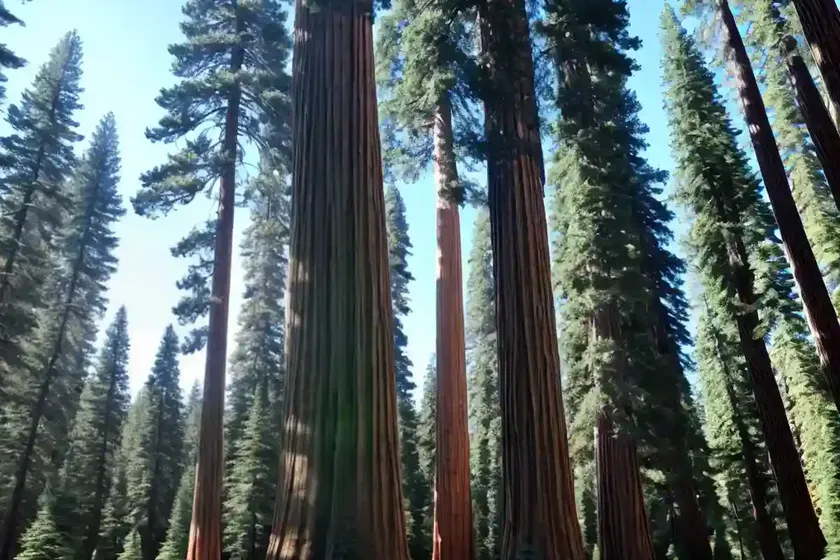

The Sequoiadendron giganteum, commonly known as the Giant Sequoia, is a magnificent and awe-inspiring tree species. Native to the western slopes of the Sierra Nevada Mountains in California, these trees are the largest living organisms on earth by volume and are renowned for their impressive size and longevity. In this comprehensive guide, we will delve into the fascinating world of the Sequoiadendron giganteum, exploring its cultural significance, ideal growing conditions, uses, common diseases, and much more.
What is Sequoiadendron giganteum?
The Sequoiadendron giganteum, also referred to as the Giant Sequoia, is a species of coniferous tree in the Cupressaceae family. These colossal trees are known for their immense size, with the potential to reach heights of over 300 feet and diameters exceeding 30 feet. The base of these trees can grow to be quite massive, and they often display a distinctive reddish-brown, deeply furrowed bark. One of the most famous Sequoiadendron giganteum trees is the General Sherman tree, located in California’s Sequoia National Park, which holds the title of the largest tree on earth by volume.
Taxonomy
- Kingdom: Plantae
- Clade: Tracheophytes
- Class: Pinopsida
- Order: Pinales
- Family: Cupressaceae
- Genus: Sequoiadendron
- Species: Sequoiadendron giganteum
Key Takeaways – Sequoiadendron giganteum (Giant Sequoia)
Here are some key takeaways that we will explore in depth throughout this article:
- Giant Sequoia Facts: Uncover fascinating and lesser-known facts about the giant sequoias, from their impressive size to their unique ecology and cultural significance.
- Sequoiadendron giganteum Features: Learn about the distinguishing features of the Giant Sequoia, including its bark, leaves, and overall structure.
- Giant Sequoia Size: Understand the remarkable dimensions of the Giant Sequoia and how they contribute to their iconic status.
- Sequoia Tree Information: Delve into the habitat, range, and various ecological aspects of the Sequoiadendron giganteum.
- Giant Sequoia Habitat: Explore the native habitat of the Giant Sequoia and the environmental conditions that support their growth.
- Sequoiadendron giganteum Growth: Understand the growth patterns and developmental stages of these majestic trees.
- Giant Sequoia Lifespan: Gain insight into the remarkable longevity of the Giant Sequoia and the factors that contribute to their extended lifespan.
- Sequoia Tree Care: Explore the essential care and maintenance practices required for cultivating healthy and vibrant Giant Sequoias.
- Sequoiadendron giganteum Propagation: Learn about the propagation techniques and methods for establishing new Giant Sequoia trees.
- Giant Sequoia Seedlings: Understand the significance of seedlings in the propagation and conservation of these iconic trees.
- Sequoia Tree Planting Guide: Discover the best practices for planting and establishing Giant Sequoias in various environments.
- Sequoiadendron giganteum Cultivation: Gain insights into the cultivation requirements and techniques for successful Giant Sequoia growth.
- Giant Sequoia Diseases: Explore the common diseases that affect the Giant Sequoia and how to prevent and manage them effectively.
- Sequoia Tree Pests: Identify the common pests and insect issues that can impact the health of these magnificent trees.
- Sequoiadendron giganteum Pruning: Learn about the importance of pruning and shaping Giant Sequoias for optimal health and aesthetics.
- Giant Sequoia Wood Uses: Discover the various uses and applications of Giant Sequoia wood, including its commercial and ecological significance.
- Sequoia Tree Conservation: Understand the importance of conservation efforts and initiatives aimed at protecting the Giant Sequoia and its native ecosystems.
- Sequoiadendron giganteum Ecosystem: Explore the intricate relationship between the Giant Sequoia and its surrounding ecosystem, including flora and fauna interactions.
- Giant Sequoia Wildlife Habitat: Delve into the role of Giant Sequoias as vital wildlife habitats and the diversity of species they support.
- Sequoia Tree Photography: Appreciate the iconic beauty of the Giant Sequoia through the lens of photography and artistic expression.
Culture
The cultural significance of the Giant Sequoia extends far beyond its impressive stature and ecological importance. These towering trees have captured the imagination of people around the world, symbolizing resilience, longevity, and natural grandeur. In the context of indigenous cultures and early settlers in the Sierra Nevada region, the Giant Sequoia holds deep spiritual and practical significance.
Native American Connection
For many Native American tribes, the Giant Sequoia holds profound cultural and spiritual significance. The towering trees are often regarded as sacred elders, embodying wisdom, strength, and enduring vitality. The majestic presence of the Giant Sequoia in the ancient forests of California has inspired reverence and respect among indigenous communities for countless generations.
Historical Records and Symbolism
The historical records and writings of early explorers and naturalists evoke a sense of wonder and awe at the sheer magnitude of the Giant Sequoia. Their symbolic significance as enduring sentinels of the natural world has woven them into the tapestry of human culture and conservation efforts. Artists, poets, and storytellers have drawn inspiration from these iconic trees, perpetuating their legacy through various forms of creative expression.
Tourist Attractions and Conservation Efforts
The awe-inspiring beauty of the Giant Sequoia has made them popular tourist attractions, drawing visitors from across the globe to witness their majestic presence firsthand. National parks and protected areas where Giant Sequoias thrive play a crucial role in promoting conservation and environmental awareness. Efforts to protect and preserve these ancient giants are ongoing, with numerous organizations and conservationists dedicated to ensuring the continued survival of these remarkable trees.
Uses
The Giant Sequoia serves a multitude of ecological, cultural, and practical purposes. From providing vital habitats for diverse wildlife to inspiring artists and nature enthusiasts, these iconic trees have left an indelible mark on human culture and the natural world.
Ecological Significance
In their native ecosystems, Giant Sequoias play a pivotal role in shaping the intricate web of life. As towering sentinels of the forest, they provide essential habitats for countless species of flora and fauna. The complex ecological interactions within and around Giant Sequoia groves support biodiversity and ecosystem resilience, underscoring their irreplaceable value in sustaining healthy forest ecosystems.
Recreational and Inspirational Uses
The sheer magnificence of the Giant Sequoia has captivated the hearts and minds of nature enthusiasts, photographers, and artists. Their striking presence and timeless grandeur inspire awe and wonder, encouraging people to connect with the natural world on a profound level. Additionally, the tranquil beauty of Giant Sequoia groves provides solace and rejuvenation for visitors, offering a sanctuary away from the bustling pace of modern life.
Historical and Cultural Significance
Throughout history, the formidable presence of the Giant Sequoia has been entwined with human culture and exploration. Their towering stature and enduring resilience have symbolized strength, longevity, and the power of nature. In indigenous traditions and early settlement narratives, the Giant Sequoia holds a revered place, embodying the essence of ancient wisdom and natural splendor.
Water
The water needs of the Giant Sequoia are of critical importance, especially in the context of its native habitat in the Sierra Nevada Mountains. Understanding the optimal watering practices for these majestic trees is essential for promoting their health and longevity.
Irrigation Requirements
In their natural habitat, Giant Sequoias rely on consistent access to moisture, particularly during the dry summer months. While they are well adapted to the Mediterranean climate of the Sierra Nevada region, with its dry summers and snowy winters, supplemental irrigation can be beneficial, especially for young or newly planted trees. Adequate soil moisture is essential for supporting the vigorous growth and overall health of Giant Sequoias.
Watering Practices
When watering Giant Sequoias, it is important to ensure deep and thorough saturation of the root zone, promoting strong root development and drought resistance. Deep, infrequent watering is generally preferable to frequent shallow watering, as it encourages the roots to grow deeply and access groundwater. During periods of prolonged drought or heat stress, paying close attention to the moisture needs of the Giant Sequoia is crucial for preventing water-related stress and promoting their long-term well-being.
Soil Moisture Considerations
The composition and drainage of the soil are key factors that influence the water needs of Giant Sequoias. Well-draining soil that retains sufficient moisture without becoming waterlogged is optimal for supporting healthy root systems. Monitoring soil moisture levels and adjusting watering practices accordingly is essential for maintaining the ideal balance of hydration for these magnificent trees.
Sunlight
Sunlight is an essential resource for the growth and vitality of the Giant Sequoia, playing a pivotal role in photosynthesis, energy production, and overall metabolic processes. Understanding the sunlight requirements of these iconic trees is fundamental for optimizing their health and promoting vigorous growth.
Sun Exposure Preferences
Giant Sequoias thrive in environments with ample sunlight, benefitting from direct exposure to the sun’s radiant energy. In their natural habitat, these trees are well adapted to the sunny slopes and open spaces of the Sierra Nevada Mountains, where they can receive abundant sunlight throughout the day. When cultivating Giant Sequoias in urban or residential landscapes, selecting a planting site with maximum exposure to sunlight is advantageous for their overall development.
Partial Shade Considerations
While Giant Sequoias are well adapted to full sun conditions, they can also tolerate partial shade, especially when young. In certain environments, providing partial shading during the hottest hours of the day can help mitigate heat stress and reduce water loss through transpiration. However, ensuring that the trees receive adequate sunlight for extended periods remains crucial for promoting their robust growth and structural stability.
Sunlight and Photosynthesis
Sunlight is the primary energy source for the photosynthetic processes that sustain the Giant Sequoia and other plant species. Through photosynthesis, sunlight is converted into chemical energy, facilitating the synthesis of glucose and other essential compounds that support growth, development, and metabolic functions. Maximizing sunlight exposure through strategic planting and landscape design can enhance the photosynthetic efficiency of Giant Sequoias, contributing to their overall vitality and resilience.
Fertilizer
Appropriate fertilization practices are essential for ensuring the nutrient needs of the Giant Sequoia are met, promoting robust growth and enhancing their overall health. Understanding the optimal fertilizer formulations and application techniques is crucial for providing these iconic trees with the essential elements they require for thriving in diverse environments.
Nutrient Requirements
Giant Sequoias have specific nutrient requirements that should be fulfilled to support their long-term health and vitality. While these trees are adapted to nutrient-poor soils in their native habitat, supplemental fertilization can be beneficial, especially when cultivating Giant Sequoias in urban or residential landscapes with nutrient-deficient soil. Key nutrients such as nitrogen, phosphorus, and potassium, as well as essential micronutrients, play crucial roles in supporting the growth and resilience of these majestic trees.
Fertilizer Application
When applying fertilizer to Giant Sequoias, using a balanced, slow-release formula is generally recommended to provide a steady supply of nutrients over an extended period. Care should be taken to avoid excessive fertilization, as it can lead to nutrient imbalances and adverse environmental impacts. Fertilizing Giant Sequoias in early spring or late fall, when the trees are actively growing and can make efficient use of the added nutrients, is advantageous for promoting optimal growth and foliage development.
Soil Amendment Considerations
In some instances, amending the soil with organic matter or nutrient-rich compost can complement fertilization efforts, enhancing soil structure and nutrient availability for the Giant Sequoia. Soil tests can provide valuable insights into the existing nutrient levels and pH balance, guiding the selection of appropriate fertilizer products and application rates to meet the specific needs of these iconic trees.
Soil
The soil composition and quality are fundamental determinants of the growth and overall health of the Giant Sequoia. Understanding the optimal soil conditions and implementing appropriate soil management practices are crucial for cultivating vibrant and resilient trees that thrive in diverse environments.
Soil Type Preferences
Giant Sequoias favor well-draining, slightly acidic soils that are rich in organic matter and support robust root development. While these trees are well adapted to nutrient-poor soils in their native habitat, providing optimal soil conditions in urban or residential landscapes can enhance their growth potential and long-term vitality. Sandy loam or loamy soils that offer good drainage and moisture retention are generally well-suited for cultivating Giant Sequoias.
Soil pH Considerations
The pH level of the soil plays a significant role in nutrient availability and uptake for Giant Sequoias. Maintaining a slightly acidic soil pH within the range of 6.0 to 6.5 is conducive to optimal nutrient absorption and root health for these iconic trees. Conducting soil tests and monitoring the pH balance of the soil can inform the implementation of targeted soil amendments to create an ideal growth environment for the Giant Sequoia.
Soil Moisture Management
Balanced soil moisture is critical for the health and resilience of the Giant Sequoia, as it directly impacts root function and nutrient uptake. Maintaining consistent soil moisture without waterlogging or prolonged drought stress is essential for promoting vigorous growth and foliage development. Implementing mulching practices and appropriate irrigation techniques can help regulate soil moisture levels and create a favorable growing environment for these majestic trees.
Pruning
Pruning is an essential aspect of managing the growth, form, and structural integrity of the Giant Sequoia. Proper pruning techniques, timing, and considerations play a pivotal role in promoting the health and aesthetics of these iconic trees while minimizing the risk of damage or disease.
Pruning Objectives
Pruning Giant Sequoias serves several important objectives, including shaping the tree canopy, removing dead or diseased branches, and managing overall tree structure. Promoting adequate airflow and sunlight penetration within the canopy through selective pruning can enhance foliage density and reduce the risk of certain diseases. Additionally, pruning can help establish a strong central leader and prevent competing or crossing branches, contributing to the long-term structural stability of the Giant Sequoia.
Pruning Techniques
When pruning Giant Sequoias, employing proper techniques and tools is essential for achieving desirable outcomes while minimizing stress and potential damage to the trees. Care should be taken to avoid over-pruning, as excessive branch removal can compromise the tree’s natural form and lead to increased vulnerability to environmental stressors. Pruning cuts should be made at the appropriate angle and location to facilitate efficient wound closure and minimize the risk of infection.
Timing and Frequency
Pruning Giant Sequoias is best conducted during the dormant season in late winter or early spring when the trees are not actively growing. This timing minimizes the impact on the tree’s resources and allows for optimal wound healing and regrowth. While regular maintenance pruning is beneficial, excessive or unnecessary pruning should be avoided to preserve the natural beauty and vitality of these towering giants.
Propagation
The propagation of Giant Sequoias involves various methods and techniques aimed at establishing new trees and contributing to conservation efforts for this iconic species. From seed propagation to vegetative propagation, understanding the principles and best practices for successful propagation is essential for preserving the genetic diversity and resilience of the Giant Sequoia.
Seed Propagation
Propagating Giant Sequoias from seeds is a fundamental method for establishing new trees and preserving their genetic heritage. Collecting mature seeds from healthy, robust trees in their native habitats or specialized seed orchards forms the basis of seed propagation efforts. Sowing the seeds in suitable growing medium and providing optimal conditions for germination and early growth can yield a new generation of Giant Sequoias with diverse genetic traits and growth potential.
Vegetative Propagation
In addition to seed propagation, vegetative propagation techniques such as cutting, grafting, and tissue culture offer alternative strategies for multiplying specific genetic selections and preserving valuable traits. These methods are often employed in conservation and horticultural programs to propagate rare or exceptional specimens and ensure the continued survival of genetically important individuals within the Sequoiadendron giganteum population.
Conservation and Restoration Efforts
The propagation of Giant Sequoias plays a crucial role in conservation and restoration initiatives focused on preserving the species and its native habitats. By establishing seed banks, maintaining genetically diverse populations, and reintroducing propagated individuals into appropriate environments, conservationists and botanists contribute to the long-term sustainability of the Giant Sequoia and the ecosystems they inhabit.
Container Popularity
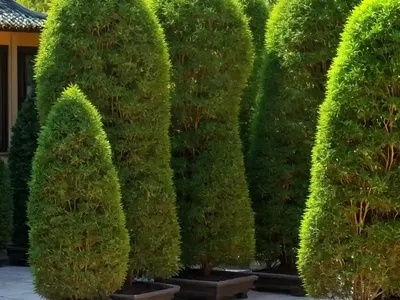
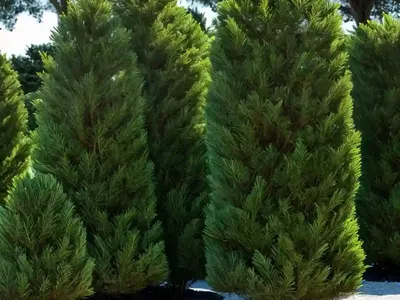
Cultivating Giant Sequoias in containers has gained popularity among enthusiasts, horticulturists, and botanical gardens seeking to showcase these majestic trees in diverse settings. Container cultivation offers unique opportunities to appreciate the beauty and grandeur of the Giant Sequoia while providing flexibility in landscape design and conservation efforts.
Urban Landscapes and Public Spaces
In urban landscapes and public spaces, container-grown Giant Sequoias serve as captivating focal points, engaging visitors and residents with the awe-inspiring presence of these iconic trees. While the long-term viability of Giant Sequoias in containers requires careful consideration of their growth requirements and eventual outplanting, temporary container cultivation allows for dynamic displays and educational opportunities that promote awareness and appreciation for these towering giants.
Conservation and Education Programs
Botanical gardens and conservation organizations often utilize container cultivation to raise awareness about the importance of preserving the Giant Sequoia and its native ecosystems. By showcasing container-grown specimens and providing educational programs on the ecology and cultural significance of these trees, conservationists and educators advocate for the conservation and sustainable management of the Giant Sequoia, inspiring future generations to take an active role in protecting our natural heritage.
Container
Successfully cultivating Giant Sequoias in containers involves understanding the unique requirements and challenges associated with containerized tree care. From selecting suitable containers to implementing appropriate soil and maintenance practices, container cultivation offers exciting opportunities to showcase and propagate these iconic trees in various settings.
Container Selection
Choosing the right containers for cultivating Giant Sequoias is essential for providing adequate space for root development and ensuring stability for the trees. Large, sturdy containers with ample drainage holes and sufficient depth to accommodate the robust root systems of these trees are ideal for container cultivation. Additionally, selecting containers made from durable materials that withstand outdoor exposure and provide insulation against temperature fluctuations contributes to the long-term health and viability of container-grown Giant Sequoias.
Soil and Drainage Considerations
The composition and quality of the growing medium are critical for supporting healthy root growth and moisture retention in container-grown Giant Sequoias. Well-draining, nutrient-rich soil mixes that mimic the characteristics of the trees’ native habitat are essential for promoting vibrant growth and long-term resilience. Ensuring efficient drainage through the use of coarse materials at the base of the containers and regular monitoring of soil moisture levels are crucial for preventing waterlogged conditions and maintaining optimal root health.
Maintenance and Care
Container-grown Giant Sequoias require attentive care and maintenance to support their growth and overall vitality. Regular watering, fertilization, pruning, and monitoring for signs of stress or nutrient deficiencies are essential aspects of container tree management. Additionally, providing adequate sunlight exposure and protecting the trees from extreme weather conditions contribute to the success of cultivating Giant Sequoias in containers, whether for temporary displays or long-term conservation efforts.
Common Diseases
While Giant Sequoias are renowned for their resilience, they are susceptible to certain diseases and environmental stressors that can impact their health and vigor. Understanding the