Zantedeschia ‘Fire Dancer’ (Calla Lily): A Complete Guide
Zantedeschia ‘Fire Dancer’ is a stunning variety of Calla Lily that captures attention with its vibrant and fiery blooms. Whether you are an experienced gardener or a beginner, this plant is a wonderful addition to any garden due to its striking appearance and relatively easy care requirements. In this comprehensive guide, we will delve into the characteristics, cultivation, uses, and maintenance of Zantedeschia ‘Fire Dancer’, providing valuable insights and tips for growing this captivating plant successfully.
What is Zantedeschia ‘Fire Dancer’ (Calla Lily)?
Zantedeschia ‘Fire Dancer’, commonly known as Calla Lily, is a perennial plant prized for its elegant and trumpet-shaped flowers. Originating from South Africa, this plant belongs to the Araceae family and is renowned for its distinctive blooms that come in various shades of red, crimson, and orange, exuding a mesmerizing allure. The botanical name “Zantedeschia” is in honor of Italian botanist Giovanni Zantedeschi, while the common name “Calla Lily” refers to its resemblance to the genus Calla, although it is not a true lily.
Zantedeschia ‘Fire Dancer’ Characteristics
The ‘Fire Dancer’ variety of Zantedeschia exhibits the following key characteristics:
– Striking, trumpet-shaped flowers in vibrant hues of red, crimson, and orange.
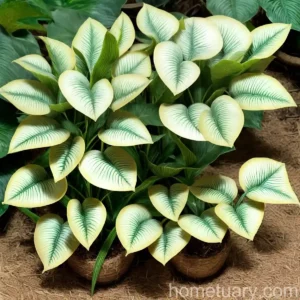
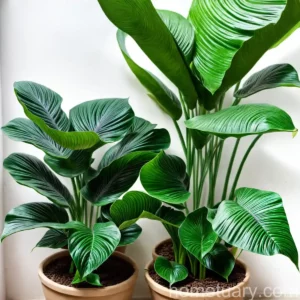
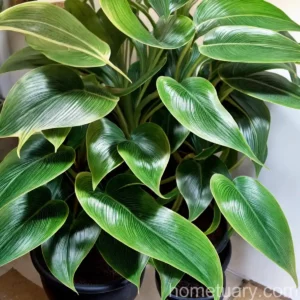
– Glossy, heart-shaped foliage with a rich green color.
– It typically reaches a height of 18-24 inches and spreads about 12-18 inches.
Key Takeaways – Zantedeschia ‘Fire Dancer’ (Calla Lily)
Culture
Zantedeschia ‘Fire Dancer’ thrives in a culture that balances adequate moisture, well-draining soil, and partial sunlight. It is a relatively low-maintenance plant that flourishes when provided with the right growing conditions.
Uses
This striking variety of Calla Lily is commonly used in:
– Flower arrangements and bouquets due to its unique and vibrant blooms.
– Garden borders, beds, and containers to add a pop of color and elegance.
– Indoor settings such as homes and offices, bringing a touch of nature indoors.
Water
Maintaining consistent moisture levels is crucial for Zantedeschia ‘Fire Dancer’. It prefers slightly moist soil and should not be allowed to dry out completely. However, waterlogged conditions should be avoided to prevent root rot.
Sunlight
Partially shaded areas with filtered sunlight are ideal for Zantedeschia ‘Fire Dancer’. It thrives in locations with indirect sunlight or morning sun and afternoon shade.
Fertilizer
Regular feeding with a balanced, water-soluble fertilizer can promote healthy growth and abundant flowering. Fertilization should be carried out during the growing season, following the manufacturer’s recommendations for dilution and frequency.
Soil
Well-draining, nutrient-rich soil with a slightly acidic to neutral pH is best suited for Zantedeschia ‘Fire Dancer’. Incorporating organic matter such as compost or peat moss can enhance the soil texture and fertility.
Pruning
Pruning faded blooms and yellowing foliage helps maintain the plant’s appearance and encourages continuous flowering. Additionally, removing spent flowers redirects the plant’s energy towards producing new blooms.
Propagation
Zantedeschia ‘Fire Dancer’ can be propagated through division, offsets, or seeds. Division is often preferred as it allows for the rapid establishment of new plants that are true to the parent’s characteristics.
Container Popularity
Due to its compact size and ornamental value, Zantedeschia ‘Fire Dancer’ is popularly grown in containers, adding a touch of elegance to patios, balconies, and indoor spaces.
Common Diseases
Zantedeschia ‘Fire Dancer’ may be susceptible to fungal diseases such as powdery mildew and leaf spot. However, the risk can be minimized through proper cultural practices and adequate air circulation.
Disease Diagnosis
Regular inspection of the foliage and blooms can aid in the early detection of any disease symptoms. Prompt action, such as adjusting watering practices or applying suitable fungicides, can help mitigate the spread of diseases.
Common Pests
Aphids, spider mites, and snails are among the potential pests that may affect Zantedeschia ‘Fire Dancer’. Monitoring the plant for signs of pest infestations and employing targeted control measures can help safeguard its health and vigor.
Botanist’s Tips
- Ensure proper drainage to prevent waterlogging, which can lead to root rot.
- Provide partial shade to protect the plant from intense sunlight, especially during the hottest part of the day.
- Use a well-balanced fertilizer to support healthy growth and prolific flowering.
Fun Facts
- In the language of flowers, Calla Lilies symbolize purity, faithfulness, and rebirth, making them a popular choice for weddings and special occasions.
- The colorful showy part of the Calla Lily is not actually a flower but a specialized leaf structure known as a spathe.
Links to External Resources
To further enhance your knowledge and appreciation of Zantedeschia ‘Fire Dancer’ (Calla Lily), you may find the following resources valuable:
– Royal Horticultural Society
– American Society for the Prevention of Cruelty to Plants
– Missouri Botanical Garden
Sourcing plants, garden supplies, and pertinent knowledge from reputable entities, such as local nurseries, botanical gardens, and trusted online resources, can greatly contribute to the success of your gardening endeavors.
Conclusion
Zantedeschia ‘Fire Dancer’, with its captivating blooms and relatively undemanding care requirements, is a fantastic choice for both novice and seasoned gardeners. By understanding its growth requirements, cultural preferences, and common maintenance practices, you can cultivate and enjoy this stunning plant in your garden, outdoor landscape, or indoor spaces. With a harmonious blend of moisture, light, nutrition, and attention, Zantedeschia ‘Fire Dancer’ will grace your surroundings with its fiery elegance, adding a touch of charm and sophistication to your green spaces.