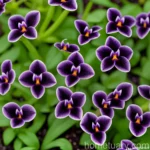
Viola pedata (Bird’s Foot Violet): A Comprehensive Guide
Viola pedata, commonly known as Bird’s Foot Violet, is a charming herbaceous perennial native to North America. Its delicate, deeply lobed leaves and striking violet flowers make it a popular choice for gardeners and plant enthusiasts. In this comprehensive guide, we will explore the characteristics, cultivation, and uses of Viola pedata, shedding light on its cultural significance, propagation methods, and ecological impact.
What is Viola pedata (Bird’s Foot Violet)?
Viola pedata, a member of the Violaceae family, is a low-growing, herbaceous perennial characterized by its distinctive bird-foot-shaped leaves and attractive blue-violet flowers. The plant typically grows in open woodlands, prairies, and rocky slopes, thriving in well-drained, sandy or loamy soils. It is often found in dry, open areas with abundant sunlight, although it can also tolerate partial shade.
Key Takeaways
Before delving into the specifics of cultivating and caring for Viola pedata, let’s take a closer look at the key takeaways associated with this beautiful plant.
Viola pedata Characteristics
- Bird’s Foot Violet is characterized by its deeply lobed, bird-foot-shaped leaves and delicate violet flowers.
- The plant is known for its low-growing habit and preference for well-drained, sunny locations.
Bird’s Foot Violet Plant
- Viola pedata is a herbaceous perennial that is native to North America.
- It is a popular choice for rock gardens, naturalized areas, and woodland landscapes.
Viola pedata Facts
- Bird’s Foot Violet is a resilient plant that can thrive in various environmental conditions.
- Its unique foliage and vibrant blooms make it a standout addition to any garden.
Bird’s Foot Violet Growth Habits
- Viola pedata exhibits a spreading growth habit, forming attractive ground cover in suitable conditions.
- The plant is known for its ability to naturalize and thrive in diverse ecosystems.
Cultivation
Uses
Viola pedata has a range of uses, from ornamental and ecological to medicinal and cultural. Let’s explore some of the ways in which this plant is utilized.
Ornamental
- Bird’s Foot Violet is prized for its ornamental value, adding a touch of natural beauty to gardens, rockeries, and meadows.
- The plant’s unique foliage and vibrant flowers make it a charming addition to landscapes.
Ecological
- Viola pedata plays a vital role in supporting local ecosystems, providing habitat and food for pollinators and wildlife.
- Its ability to naturalize and thrive in various habitats contributes to the ecological resilience of native plant communities.
Medicinal
- Traditional uses of Bird’s Foot Violet include its use as an herbal remedy for various ailments, such as skin conditions and respiratory issues.
- The plant’s medicinal properties have been valued by Indigenous cultures and herbalists for centuries.
Cultural
- Bird’s Foot Violet holds cultural significance for many Native American tribes, symbolizing resilience, beauty, and harmony with nature.
- The plant’s presence in folklore and traditional medicine reflects its enduring cultural importance.
Water
Proper watering is essential for the health and vigor of Viola pedata. While the plant is known for its drought tolerance, it benefits from regular moisture, especially during the establishment phase and periods of prolonged dryness.
- Establishment Phase: Water newly planted Bird’s Foot Violet regularly to ensure adequate moisture for root establishment.
- Prolonged Dry Spells: During extended periods of drought, provide supplemental watering to prevent stress and wilting.
Sunlight
Viola pedata thrives in sunny to partially shaded locations, making it a versatile choice for various garden settings. Understanding its sunlight requirements is crucial for optimizing its growth and flowering.
- Full Sun: Bird’s Foot Violet performs best in full sun, where it can bask in direct sunlight for a significant portion of the day.
- Partial Shade: While tolerant of partial shade, ensure that Viola pedata receives a minimum of 4-6 hours of direct sunlight for optimal growth and blooming.
Fertilizer
Proper nutrition is essential for supporting the growth and blooming of Viola pedata. While the plant is relatively low-maintenance, strategic fertilization can enhance its performance and overall health.
- Organic Matter: Incorporate well-rotted compost or organic matter into the soil prior to planting to provide a nutrient-rich foundation for the plant.
- Balanced Fertilizer: Apply a balanced, slow-release fertilizer in early spring to provide essential nutrients for the growing season.
Soil
Viola pedata thrives in well-drained, sandy, or loamy soils with a slightly acidic to neutral pH. Understanding the soil requirements of Bird’s Foot Violet is essential for creating an optimal growing environment.
- Well-Drained: Ensure that the planting site offers good drainage to prevent waterlogging, which can lead to root rot and other issues.
- Soil pH: Aim for a slightly acidic to neutral soil pH (6.0-7.0) to support nutrient uptake and overall plant health.
Pruning
Pruning Viola pedata is relatively minimal, focusing on the removal of spent flowers and occasional tidying to maintain its tidy appearance and encourage further blooming.
- Deadheading: Remove spent flowers to promote continuous blooming and prevent self-seeding, if desired.
- Tidying: Trim back any discolored or damaged foliage to maintain the plant’s overall appearance and vigor.
Propagation
Viola pedata can be propagated through various methods, including seed sowing and division. Understanding the propagation techniques for Bird’s Foot Violet allows for the expansion of its presence in the garden and landscape.
Seed Sowing
- Collect mature seeds from the plant and sow them in a well-prepared seedbed or containers in late summer to early fall.
- Ensure consistent moisture and provide protection from extreme temperatures to support successful germination and seedling establishment.
Division
- Divide established clumps of Bird’s Foot Violet in early spring or fall, carefully separating the rhizomes to create new, viable plants.
- Replant the divisions in suitable locations, ensuring adequate moisture and protection as they establish in their new surroundings.
Container Popularity
Viola pedata’s compact growth habit and enchanting appearance make it an appealing choice for container gardening. Whether featured alone or combined with complementary companions, Bird’s Foot Violet adds a touch of natural beauty to container displays.
Container Planting Guide
- Select a well-draining container that provides ample room for root development and allows for proper air circulation.
- Use a high-quality potting mix designed for perennial plants, ensuring that it offers good drainage and balanced nutrition.
Common Diseases
While Viola pedata is relatively resistant to disease, it can be susceptible to certain issues under unfavorable conditions. Understanding common diseases and their diagnosis is crucial for maintaining the health and vigor of Bird’s Foot Violet.
Disease Diagnosis
- Leaf Spot: Look for circular or irregularly shaped spots on the foliage, often accompanied by yellowing or browning of affected areas. Provide proper airflow and avoid overhead watering to prevent leaf spot.
- Powdery Mildew: Watch for a powdery white coating on the leaves, often accompanied by distortion and wilting. Improve air circulation and consider fungicidal treatments if powdery mildew is present.
Common Pests
Viola pedata is relatively resistant to pest infestations, but certain insects and invertebrates can pose a threat under specific conditions. Recognizing common pests and their management is essential for preserving the health and aesthetics of Bird’s Foot Violet.
Botanist’s Tips
- Aphids: Monitor for aphid infestations, particularly on new growth and flower buds. Use insecticidal soap or horticultural oils to manage aphids if populations become problematic.
- Slugs and Snails: Secure vulnerable plants in containers or apply physical barriers to prevent damage from slugs and snails, which are known to feed on Viola pedata foliage.
Fun Facts
- The species name “pedata” refers to the plant’s bird-foot-shaped leaves, adding a whimsical element to its botanical identity.
- Bird’s Foot Violet is known for its ability to attract various pollinators, contributing to the overall biodiversity of garden and natural settings.
Links to External Resources
For additional information on Viola pedata and related topics, explore the following external resources:
In conclusion, Viola pedata (Bird’s Foot Violet) stands as a versatile and captivating plant with a rich history and a range of practical and ecological uses. Whether featured in a naturalized woodland setting or a carefully curated container display, its unique characteristics and cultural significance make it a delightful addition to diverse landscapes.
Meticulous attention to its cultivation, care, and ecological impact is necessary to fully appreciate and harness the potential of this remarkable North American native plant. By understanding its growth habits, care tips, and ecological significance, plant enthusiasts and gardeners can forge a deeper connection with Viola pedata and contribute to the preservation and celebration of this valuable species.
Keywords: Viola pedata characteristics, Bird’s Foot Violet plant, Viola pedata facts, Bird’s Foot Violet growth habits, Viola pedata care tips, Bird’s Foot Violet uses, Viola pedata propagation methods, Bird’s Foot Violet planting guide, Viola pedata medicinal uses, Bird’s Foot Violet native habitat, Viola pedata common names, Bird’s Foot Violet symbolism, Viola pedata garden varieties, Bird’s Foot Violet flower colors, Viola pedata soil requirements, Bird’s Foot Violet natural range, Viola pedata hardiness zones, Bird’s Foot Violet companion plants, Viola pedata wildlife benefits, Bird’s Foot Violet landscape ideas, Viola pedata unique features, Bird’s Foot Violet seasonal care, Viola pedata container gardening, Bird’s Foot Violet pests and diseases, Viola pedata cultural significance, Bird’s Foot Violet flowering period, Viola pedata flower morphology, Bird’s Foot Violet seed collection, Viola pedata climate preferences, Bird’s Foot Violet garden design, Viola pedata pollinator attraction, Bird’s Foot Violet propagation techniques, Viola pedata water requirements, Bird’s Foot Violet foliage characteristics, Viola pedata landscape uses, Bird’s Foot Violet endangered status, Viola pedata aesthetic appeal, Bird’s Foot Violet container plants, Viola pedata maintenance tips, Bird’s Foot Violet historical uses, Viola pedata plant anatomy, Bird’s Foot Violet drought tolerance, Viola pedata companion flowers, Bird’s Foot Violet seasonal interest, Viola pedata ornamental value, Bird’s Foot Violet cultural requirements, Viola pedata wildlife habitat, Bird’s Foot Violet species description, Viola pedata folklore, Bird’s Foot Violet seed germination