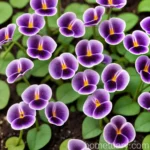
Viola adunca (Western Blue Violet)
Viola adunca, commonly known as Western Blue Violet, is a charming and delicate perennial plant that captivates with its beautiful purple-blue flowers and heart-shaped leaves. This plant, belonging to the Violaceae family, is native to North America and can be found in various habitats, from forests to meadows, making it a versatile addition to gardens and landscapes. In this comprehensive guide, we will explore the characteristics of Viola adunca, its growing conditions, care tips, and ecological significance, as well as its cultural and medicinal uses.
Viola adunca Description
Viola adunca is a small, herbaceous perennial plant with a spreading, low-growing form. Its heart-shaped leaves are an attractive deep green, providing an appealing contrast to the delicate lavender-blue flowers that bloom in spring and early summer. The flowers feature five petals, with the lower petal often adorned with darker veins, adding to their allure. The plant typically reaches a height of 3-6 inches, making it an ideal ground cover or border plant.
Western Blue Violet Characteristics
Viola adunca possesses several key physical characteristics that distinguish it from other plants:
- Height: 3-6 inches
- Leaves: Heart-shaped, deep green
- Flowers: Lavender-blue with darker veins, five petals
- Habit: Spreading, low-growing
- Family: Violaceae
Growing Viola adunca
When considering the cultivation of Viola adunca, it’s essential to understand the plant’s requirements in terms of sunlight, water, soil, and other factors that contribute to its overall well-being.
Sunlight
As a woodland plant, Viola adunca thrives in partial shade to full shade conditions. When grown in hotter climates, providing it with dappled sunlight or morning sun and afternoon shade can help prevent the scorching of its delicate foliage.
Water
Western Blue Violet prefers consistently moist but well-draining soil. Adequate irrigation is crucial, especially during dry periods, to maintain optimal moisture levels for the plant’s growth and flowering.
Soil
The ideal soil for Viola adunca is rich, loamy, and well-draining. It benefits from organic matter in the soil and performs best in a slightly acidic to neutral pH range.
Fertilizer
Minimal fertilization is necessary for Viola adunca. Applying a balanced, slow-release fertilizer in spring can support healthy growth and flowering. However, it’s important not to overfeed the plant, as excessive nutrients can lead to lush foliage at the expense of flowering.
Viola adunca Care Tips
To ensure the successful cultivation of Viola adunca, it is beneficial to adhere to the following care tips:
- Mulching: Applying a layer of organic mulch around the plants can help retain soil moisture and suppress weed growth.
- Watering: Regular, moderate watering is essential, especially during dry spells or periods of prolonged heat.
- Deadheading: Removing spent flowers can encourage prolonged blooming and prevent the plant from diverting energy into seed production.
- Protection from Extreme Heat: Providing shade or protection from intense afternoon sun in hot climates can prevent leaf scorch and maintain plant vigor.
Western Blue Violet Habitat
Viola adunca is naturally found in a variety of habitats, including open woodlands, meadows, and along stream banks. Its adaptability to different environments makes it a versatile and resilient species.
Viola adunca Plant Profile
Botanical Classification
- Kingdom: Plantae
- Order: Malpighiales
- Family: Violaceae
- Genus: Viola
- Species: adunca
Natural Range
The natural range of Viola adunca spans across North America, from Alaska and British Columbia in the north to California and New Mexico in the south. Within its range, it occupies diverse habitats, showcasing its adaptability and ecological significance.
Western Blue Violet Species Information
In addition to its ornamental value, Viola adunca plays a significant role in its natural ecosystems, providing food and habitat for various wildlife species. Its presence contributes to the overall biodiversity and ecological balance of the regions where it thrives.
Viola adunca Medicinal Uses
In traditional herbal medicine, Viola adunca has been utilized for its medicinal properties. The plant is known for its demulcent and emollient qualities, making it beneficial for soothing skin irritations and minor wounds. It has also been used in herbal remedies for respiratory conditions and as a gentle expectorant.
Viola adunca Ethnobotanical Uses
Native American tribes, particularly the Nez Perce and Blackfoot tribes, historically used Viola adunca for various medicinal and cultural purposes. The plant was valued for its healing properties and was incorporated into traditional remedies for coughs, sore throats, and skin ailments.
Western Blue Violet Growing Conditions
Water Requirements
Maintaining adequate soil moisture is essential for the healthy growth and flowering of Viola adunca. While the plant prefers moist conditions, it is crucial to avoid waterlogging, as excessive moisture can lead to root rot and other issues.
Soil Requirements
Viola adunca thrives in well-draining, humus-rich soil with a slightly acidic to neutral pH. Amending the soil with organic matter can enhance its fertility and structure, providing an ideal growing medium for the plant.
Viola adunca Propagation Methods
Propagation of Viola adunca can be achieved through various methods, including:
- Seed Propagation: Collecting and sowing seeds in suitable growing conditions can yield new plants. It’s important to provide the seeds with a period of cold stratification to enhance germination.
- Division: Dividing mature clumps of Viola adunca can create multiple plants, each with its own root system.
- Cuttings: Rooting stem cuttings in a suitable rooting medium can also be a successful method of propagation.
Western Blue Violet Symbolism
Viola adunca has been associated with various symbolic meanings, including:
- Modesty: The modest, low-growing nature of Viola adunca is often linked to the symbolism of modesty and humility.
- Youthfulness: The delicate flowers of the plant are sometimes thought to symbolize youthfulness and innocence.
Viola adunca Ecological Importance
As a native plant species, Viola adunca plays a crucial role in supporting local ecosystems and wildlife populations. Its flowers provide a nectar source for pollinators, while its leaves serve as a food source for certain caterpillars and other herbivorous insects.
Viola adunca Natural Remedies
The soothing properties of Viola adunca have been historically recognized, leading to its use in natural remedies for skin irritations, minor injuries, and respiratory discomfort. While modern medicine has evolved, the traditional knowledge surrounding the plant’s healing potential remains a part of its cultural significance.
Western Blue Violet Garden Design Ideas
Viola adunca can be incorporated into garden designs in various ways, including:
- Rock Gardens: The low-growing habit of Viola adunca makes it an excellent choice for rock gardens and cascading over stone walls.
- Woodland Gardens: Its preference for partial to full shade makes it an ideal addition to woodland-style gardens, where it can naturalize and create a charming ground cover.
- Border Plantings: The delicate beauty of Western Blue Violet can be showcased in border plantings, providing a pop of color and an enchanting allure.
Viola adunca Companion Plants
When selecting companion plants to grow alongside Viola adunca, it’s beneficial to consider species that share similar growing conditions and complement its aesthetic qualities. Some suitable companions may include:
- Ferns: Shade-loving ferns can offer a beautiful contrast with the heart-shaped leaves of Viola adunca.
- Trillium: The woodland setting favored by Viola adunca suits the elegant presence of trillium, creating a harmonious combination.
Common Diseases
While Viola adunca is generally resilient, it can be susceptible to certain diseases when growing conditions are unfavorable or when under stress. Being aware of potential diseases and their symptoms can aid in prompt diagnosis and treatment.
Disease Diagnosis
Common diseases that may affect Viola adunca include:
- Powdery Mildew: This fungal disease can result in a powdery white coating on the foliage, typically in warm, humid conditions.
- Crown Rot: Excessive soil moisture or poor drainage can lead to crown rot, causing the plant to wilt and deteriorate.
Common Pests
Viola adunca can encounter pest pressure from various insect species. Understanding the potential pests and implementing preventive measures can help maintain the plant’s health and vigor.
Viola adunca Garden Pests
Some common pests that may affect Viola adunca include:
- Aphids: These small, soft-bodied insects can cluster on the undersides of leaves, sapping the plant’s vitality and potentially transmitting diseases.
- Slugs and Snails: These moisture-loving pests can feed on the leaves and flowers of Viola adunca, causing visible damage.
Viola adunca Container Gardening
The compact size and ornamental appeal of Viola adunca make it well-suited for container gardening. When growing Western Blue Violet in containers, it’s important to provide suitable growing conditions and maintenance to support its growth and flowering.
Container Popularity
Viola adunca is a popular choice for container gardening due to its charming appearance, adaptability to shade conditions, and ease of maintenance. Its presence can enhance the visual appeal of outdoor living spaces, patios, and balconies.
Viola adunca Landscape Uses
In landscape design, Viola adunca can be utilized in various ways to add natural beauty and ecological value to outdoor settings. Its versatility and resilience make it a valuable component of diverse landscapes.
Viola adunca Foliage
The heart-shaped foliage of Viola adunca contributes to its visual appeal, providing lush greenery that can create a verdant backdrop for its delicate flowers.
Viola adunca Unique Traits
The uniqueness of Viola adunca lies in its:
- Dainty Flowers: The charming, lavender-blue flowers of Western Blue Violet exude a delicate allure, attracting attention in garden settings.
- Resilient Nature: Despite its delicate appearance, Viola adunca demonstrates resilience and adaptability to varied growing conditions.
Western Blue Violet Wildlife Habitat
The presence of Viola adunca in natural habitats provides crucial support for local wildlife, including pollinators and herbivorous insects. Its role in sustaining biodiversity contributes to the overall health of ecosystems.
Viola adunca Botanical Classification
Viola adunca belongs to the kingdom Plantae and the family Violaceae, within the genus Viola. Its taxonomic classification provides insights into its evolutionary relationships and botanical characteristics.
Viola adunca Garden Maintenance
Maintaining the health and vigor of Viola adunca involves regular garden maintenance practices, such as:
- Weed Control: Keeping the area around the plants free of weeds can prevent competition for resources and help maintain a tidy appearance.
- Pruning: Trimming back overgrown or spent foliage can promote airflow and discourage disease development.
Western Blue Violet Outdoor Care
When cultivating Viola adunca in outdoor settings, it is important to monitor its growing conditions, provide appropriate care, and address any issues that may arise promptly.
Viola adunca Ethnobotanical Uses
The ethnobotanical uses of Viola adunca encompass its historical significance in traditional medicine and cultural practices, highlighting its value beyond its ornamental appeal.
Viola adunca Fragrance
Western Blue Violet possesses a subtle, pleasant fragrance that can add an olfactory dimension to garden spaces, enhancing the sensory experience for human and animal visitors.
Western Blue Violet Seed Germination
When propagating Viola adunca from seeds, understanding the process of seed germination can enhance the success of establishing new plants.
Viola adunca Cultivation Guide
Following a cultivation guide that aligns with the specific needs and preferences of Viola adunca can yield favorable results, ensuring the plant’s well-being and longevity.
Viola adunca Endangered Status
While Viola adunca is not currently listed as an endangered species, monitoring its natural populations and conserving its habitats are crucial for its continued presence and ecological contributions.
Western Blue Violet Drought Tolerance
While Viola adunca benefits from consistent moisture, it exhibits some level of drought tolerance once established. However, prolonged periods of drought can still impact its growth and flowering.
Viola adunca Indoor Cultivation
Bringing the captivating beauty of Viola adunca indoors can provide an opportunity to enjoy its ornamental qualities and create attractive displays in interior spaces.
Western Blue Violet Garden Design Ideas
Incorporating Viola adunca into indoor garden designs allows for creative expression and the integration of natural elements into indoor environments.
Viola adunca Seasonal Changes
Throughout the seasons, Viola adunca undergoes various changes, including flowering, dormancy, and growth patterns that reflect its natural life cycle.
Western Blue Violet Edible Uses
While Viola adunca is not commonly recognized for its edible uses, some Native American tribes historically consumed the plants in small quantities, often as a part of traditional culinary practices.
Viola adunca Folklore and Legends
The presence of Viola adunca in folklore and local legends speaks to its cultural significance and enduring appeal as a part of human heritage and storytelling traditions.
Western Blue Violet Native Range
The native range of Viola adunca encompasses diverse regions across North America, where it thrives in its natural habitats and contributes to local ecosystems.
Viola adunca Pollinators
The flowers of Viola adunca attract various pollinators, including bees, butterflies, and other beneficial insects, enhancing the ecological value of the plant within its habitats.
Western Blue Violet Insect Pests
In addition to potential diseases, Viola adunca can be vulnerable to certain insect pests that may affect its foliage and overall health.
Viola adunca Autumn Coloration
As the seasons transition to autumn, Viola adunca may exhibit changes in its foliage and growth patterns, signaling the approach of dormancy and the preparation for the following growing season.
As we conclude this in-depth exploration of Viola adunca (Western Blue Violet), the plant’s captivating beauty and ecological significance are clearly evident. From its delicate flowers to its adaptability to various growing conditions, Viola adunca stands as a symbol of natural resilience and ornamental charm. Whether gracing woodland gardens, container displays, or native plant landscapes, Western Blue Violet continues to enchant with its timeless allure.
For those seeking to cultivate this delightful plant, understanding its growing requirements, care tips, and cultural significance can pave the way for a rewarding experience. By embracing the legacy and ecological importance of Viola adunca, we honor its place in the natural world and find inspiration in its enduring beauty.
As we continue to appreciate the wonders of plant life and the diverse contributions of native species, the story of Viola adunca serves as a reminder of the interconnectedness of nature and the timeless allure of botanical treasures.
References:
1. “Viola adunca – Western Blue Violet” Wildflower.org. https://www.wildflower.org/plants/result.php?id_plant=VIAD
2. “Viola adunca” Missouri Botanical Garden. https://www.missouribotanicalgarden.org/PlantFinder/PlantFinderDetails.aspx?kempercode=c767